Find REACH Annex XVII Azo Colorants for Traffic Paint, Ink, and Plastic
Source 30 verified listings for REACH Annex XVII Azo Colorants suitable for traffic paint, ink pigments, and plastic applications. Buyers can compare specifications like CAS numbers, molecular formulas, and usage types across diverse organic and inorganic options.
Key considerations
Products List
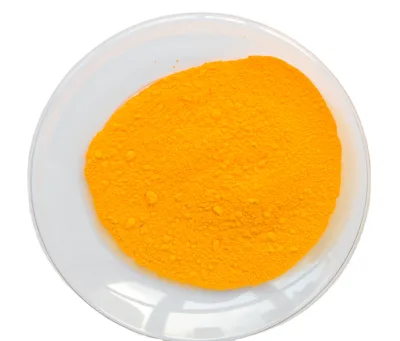
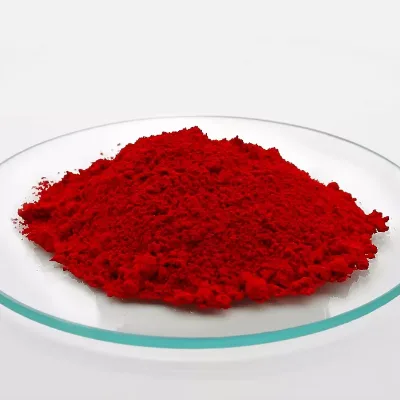
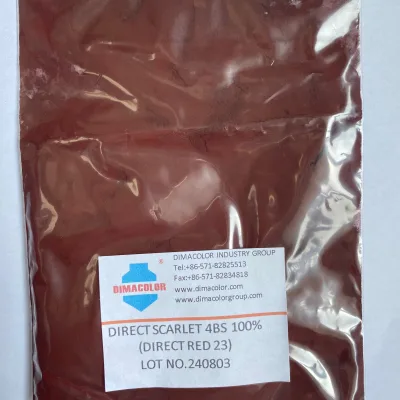
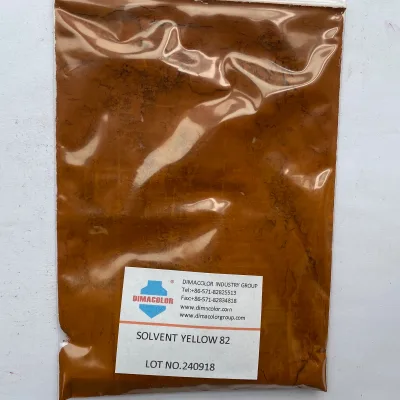
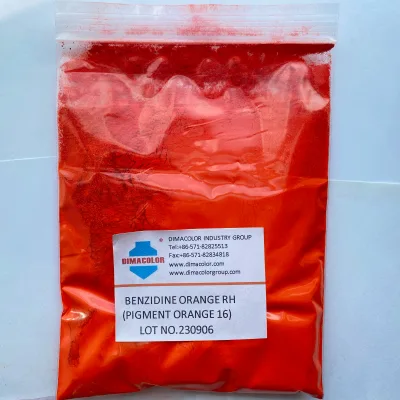
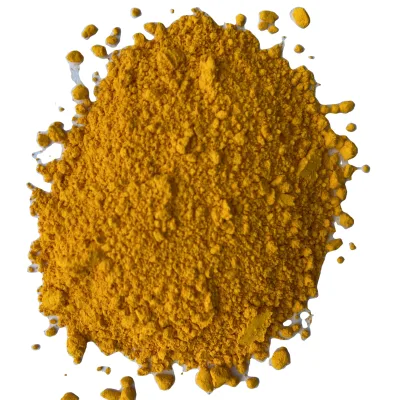
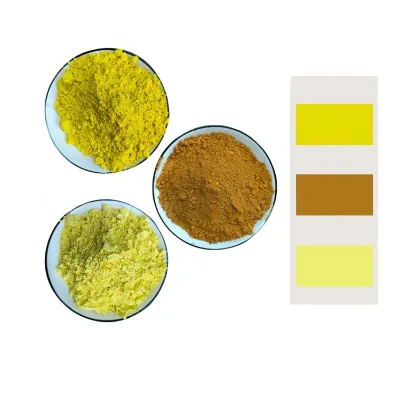
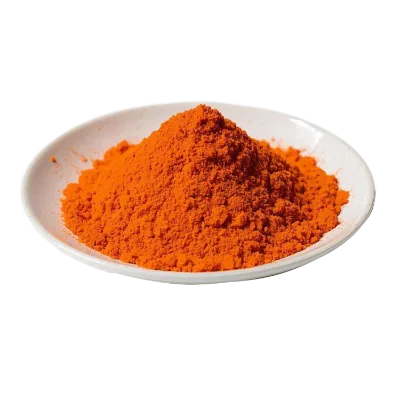
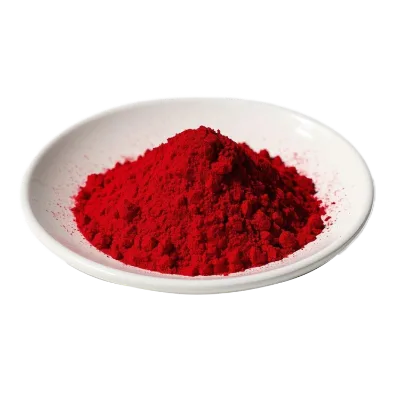
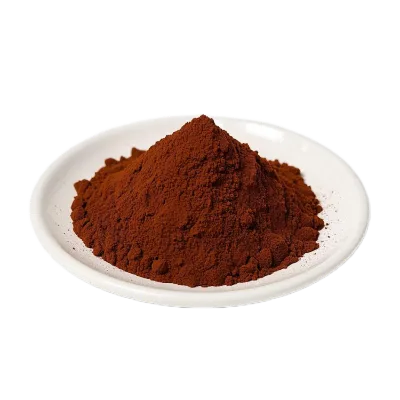



$1900.00 - $2000.00
MOQ: 1 Tons
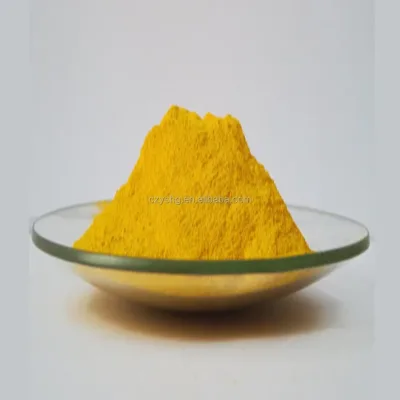
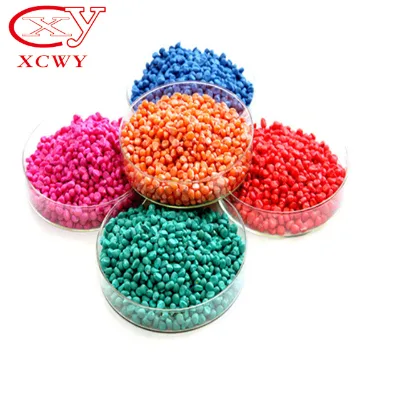
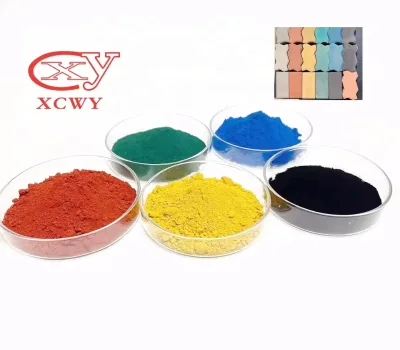
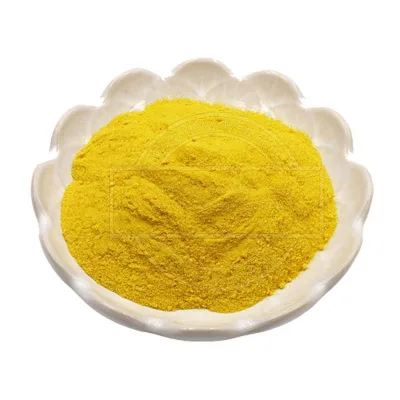
High Quality Pigment Blue 15:3 Phthalocyanine Blue FGX Fastogen Blue BGS
$4.10 - $5.12
MOQ: 500 Minimum



Comprehensive Sourcing Guide
Navigating Azo Colorant Compliance and Sourcing in the Modern Market
The procurement landscape for industrial colorants, particularly those falling under the regulatory umbrella of azo colorants, demands a rigorous approach to compliance, technical verification, and supplier due diligence. Buyers operating in sectors ranging from automotive coatings to textile printing must navigate complex chemical regulations that have evolved significantly over the past decade. The core keyword "REACH Annex XVII Azo Colorants" points to a specific regulatory framework within the European Union that restricts the use of certain azo dyes capable of releasing carcinogenic aromatic amines. While the provided product data highlights a diverse inventory of pigments and dyes—including organic pigments, naphthol reds, and direct scarlets—understanding the distinction between restricted azo dyes and compliant pigments is the first critical step in a successful sourcing strategy. This guide outlines the essential considerations for buyers seeking to source these materials safely, ensuring that procurement decisions align with both market demands and international safety standards.
Technical Specifications and Chemical Classification
Before engaging with suppliers, buyers must possess a clear understanding of the technical specifications that define the products they intend to purchase. The provided data reveals a range of chemical identifiers, including CAS numbers, EINECS numbers, and molecular formulas, which serve as the fingerprint for each substance. For instance, the product identified by CAS No. 6528-34-3 and EINECS No. 229-419-9 is classified as an organic pigment with the molecular formula C18H18N4O6. Similarly, another entry lists CAS No. 2786-76-7 with the formula C26H22N4O4, categorized specifically as a naphthol type. These distinctions are vital because the regulatory status of a colorant often depends on its specific chemical structure rather than its general color or application.
Buyers should verify the "Style" and "Type" attributes listed in supplier catalogs. The data shows entries labeled as "Organic Pigment," "Naphthol," and "Solvent Dye." It is crucial to differentiate between pigments, which are generally insoluble and used for their opacity and lightfastness in applications like road marking and enamel paints, and dyes, which are soluble and often used in textile printing or ink formulations. The presence of a "Complex Type" such as "1:2Cr" suggests a metal-complex dye, which may have different regulatory implications compared to simple azo structures. When reviewing product sheets, the Molecular Formula (MF) and CAS number are the primary verification tools. A mismatch between the claimed CAS number and the actual chemical structure can indicate a mislabeled product or a potential compliance risk.
Regulatory Compliance and the Reach Annex XVII Framework
The regulatory environment for chemical procurement is dominated by the EU's REACH regulation, specifically Annex XVII, which lists restrictions on the use of certain dangerous substances, including azo colorants. Annex XVII, entry 43, specifically prohibits the use of azo dyes that can release one or more of 22 specified aromatic amines in consumer articles. While the provided text mentions "REACH" as a low-confidence background element, it does not confirm that any specific listed product holds a certification or compliance status. Therefore, buyers must treat all claims of compliance with caution and verify them through independent testing.
The distinction between "restricted azo colorants" and "compliant pigments" is the cornerstone of regulatory adherence. Many organic pigments, such as the yellow and red variants listed in the data, are not azo dyes in the restricted sense or are engineered to be stable and non-releasable. However, the presence of azo linkages in the chemical structure requires careful scrutiny. For example, the "Direct Scarlet 4BS" and "Orient Yellow" entries list specific CAS numbers and usage profiles. Buyers must ensure that these products do not fall under the prohibited list of aromatic amines. The absence of a specific certification document in the provided facts means that the onus is on the buyer to request a Declaration of Conformity (DoC) or a third-party test report from the supplier.
Cost Drivers and Pricing Dynamics in the Pigment Market
Understanding the cost structure of industrial colorants is essential for budgeting and negotiation. The observed price range in the market data spans from $0.34 to $2,000 USD, a variance that reflects the significant differences in chemical complexity, purity, and application requirements. The lower end of the spectrum likely corresponds to bulk commodity pigments used in general applications, while the higher end may represent specialized dyes with complex synthesis pathways or those requiring specific performance characteristics like high lightfastness or heat stability.
Several factors drive these costs. The "Single gross weight" and "Single package size" provide insight into logistics costs. For instance, a package weighing 25.200 kg with dimensions 55x45x20 cm incurs different shipping costs compared to a 27.000 kg package of 60x50x50 cm. The "Model Number" often correlates with the specific grade of the product; higher-grade variants with tighter purity specifications will command a premium. Additionally, the "Usage" category plays a role. Pigments designated for "Coating Pigment" or "Ink Pigments" may require more rigorous quality control than those for "Plastic & Rubber Pigment," influencing the final price. Buyers should also consider the "MOQ" (Minimum Order Quantity), which ranges from 1 to 1000 units in the observed data. Higher MOQs often result in better unit pricing, but they also increase inventory holding costs.
Typical Applications and Performance Requirements
The versatility of the listed products is evident in their diverse application profiles. The data indicates usage in "traffic paint," "enamel paint for road," "roading making," "textile printing," and "ceramic pigments." Each application imposes unique performance requirements that must be matched with the correct product specification. For road marking and traffic paint, the primary concerns are durability, weather resistance, and high visibility. The yellow pigment with CAS No. 6528-34-3 is explicitly noted for its use in "traffic paint," suggesting it meets the necessary standards for outdoor exposure.
In contrast, applications in "textile printing" or "leather dyestuffs" require different properties, such as solubility, color fastness to washing, and compatibility with fabric fibers. The "Direct Scarlet 4BS" and "Orient Yellow" entries, with their specific molecular formulas and usage lists, are likely tailored for these soluble dye applications. Buyers must ensure that the "Style" and "Type" of the pigment align with the intended process. For example, a "Solvent Dye" might be suitable for specific ink formulations but unsuitable for water-based textile printing. The "Complex Type" attribute, such as the "1:2Cr" designation, indicates a metal-complex structure, which is often used to enhance lightfastness and wash fastness in textile applications. Understanding these nuances ensures that the purchased material performs as expected in the final product.
Supplier Evaluation and Verification Protocols
Selecting the right supplier is as critical as selecting the right product. The provided data lists "dimacolor" as a brand name and "Zhejiang, China" as the place of origin. While this information provides a starting point, buyers should not rely solely on the brand name or origin to assess quality. Instead, a comprehensive supplier evaluation process is necessary. This process should include verifying the supplier's ability to provide consistent quality, their capacity to meet delivery schedules, and their commitment to regulatory compliance.
Buyers should request detailed technical data sheets (TDS) and safety data sheets (SDS) for every product of interest. These documents should contain the exact CAS numbers, EINECS numbers, and molecular formulas to verify against the product specifications. It is also essential to ask for a Certificate of Analysis (CoA) that confirms the purity and absence of restricted aromatic amines. The "Selling Units" and "Single package size" information should be cross-referenced with the supplier's logistics capabilities to ensure that the packaging is suitable for the intended transport method. Furthermore, buyers should inquire about the supplier's quality management systems and whether they have undergone third-party audits. The "Low-confidence" nature of the "REACH" mention in the background data underscores the need for explicit, documented proof of compliance rather than assumptions based on general market knowledge.
Quality Control and Long-Term Procurement Strategies
Implementing a robust quality control (QC) regime is vital for mitigating risks associated with chemical procurement. Buyers should establish a protocol for incoming inspection that includes visual checks, weight verification, and, where necessary, laboratory testing. The "Single gross weight" and "Single package size" metrics can be used to verify that the received goods match the ordered specifications. For critical applications, such as road marking or food-contact coatings (if applicable), independent testing for heavy metals and restricted azo amines is mandatory.
Long-term procurement considerations involve building a relationship with suppliers that prioritizes transparency and continuous improvement. Buyers should monitor changes in regulatory landscapes, such as updates to REACH Annex XVII, and ensure that their suppliers are proactive in adapting their product lines. The "Model Number" and "Other Names" fields in the product data should be used to track specific batches and maintain a consistent supply chain. If a product is discontinued or its specifications change, the buyer must be notified immediately to assess the impact on their production processes. By maintaining a proactive approach to supplier management and quality control, buyers can ensure a stable supply of high-quality colorants that meet both performance and regulatory requirements.
Strategic Sourcing and Risk Mitigation
The final aspect of a successful sourcing strategy is risk mitigation. This involves diversifying the supplier base to avoid dependency on a single source, especially given the potential for supply chain disruptions. The observed "MOQ" range of 1 to 1000 suggests flexibility in ordering, which can be leveraged to manage inventory levels and reduce the risk of obsolescence. Buyers should also consider the "Lead Time" and "Location" factors, although specific values are not provided in the data. Understanding the geographical location of the supplier, such as "Zhejiang, China," can help in estimating shipping times and potential tariffs.
In conclusion, sourcing azo colorants and related pigments requires a meticulous approach that balances technical specifications, regulatory compliance, and commercial considerations. By leveraging the detailed product data available, such as CAS numbers, molecular formulas, and usage profiles, buyers can make informed decisions that ensure the safety and quality of their final products. The key to success lies in rigorous verification, transparent communication with suppliers, and a commitment to adhering to the evolving standards of the global chemical market.
FAQs
How can I verify if a pigment complies with REACH Annex XVII Azo Colorants?
You must request a Declaration of Conformity or third-party test report from the supplier. The provided data does not confirm compliance, so independent verification is required to ensure no restricted aromatic amines are present in the chemical structure.
What is the difference between azo dyes and compliant pigments?
Azo dyes can release carcinogenic amines and are restricted, while compliant pigments are often insoluble and stable. Many organic pigments listed, such as the yellow variant with CAS 6528-34-3, are distinct from restricted azo dyes but require structural scrutiny.
Which chemical identifiers should I check for regulatory status?
Verify the CAS number, EINECS number, and molecular formula against the restricted substance list. For example, the product with CAS 2786-76-7 and formula C26H22N4O4 must be checked to ensure it does not release prohibited aromatic amines.
Can I source REACH Annex XVII Azo Colorants from Zhejiang, China?
Suppliers in Zhejiang, China are available, but origin alone does not guarantee compliance. You must verify that the specific product, such as the dimacolor brand item, has been tested to meet the EU restrictions on dangerous substances.
How does the product type affect REACH Annex XVII Azo Colorants compliance?
The type, such as Naphthol or Solvent Dye, influences regulatory risk and testing requirements. Metal-complex dyes like the 1:2Cr type may have different implications than simple azo structures, requiring specific analysis for each entry.
What packaging details help verify the correct product shipment?
Check the single package size and gross weight against the order to ensure the correct item arrives. For instance, a 25.200 kg package with dimensions 55x45x20 cm corresponds to the specific yellow pigment model PY65-RN3.
Which applications require strict compliance with REACH Annex XVII Azo Colorants?
Applications in traffic paint, road marking, and textile printing require strict adherence to safety standards. Products used in enamel paint or ink pigments must be verified to ensure they do not release harmful substances in consumer or industrial articles.