Source RC Stunt Car Models for Racing, Training, and Play
Explore 30 electric-driven remote control vehicles designed for indoor and outdoor use. Compare specifications such as 5-channel control, 25m range, and various packaging options to find suitable RC Stunt Car models for diverse buyer needs; compare the available evidence and request quotations based on your requirements.
Key considerations
Products List


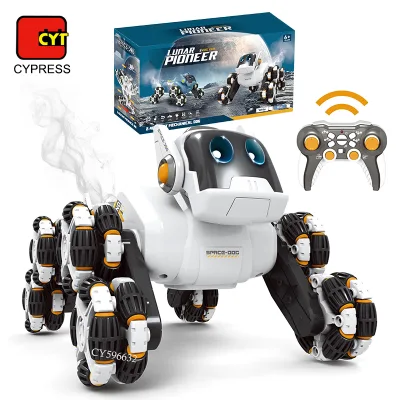
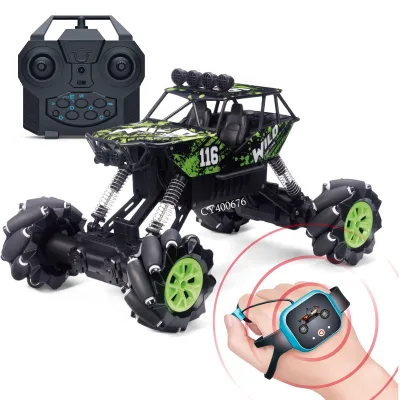
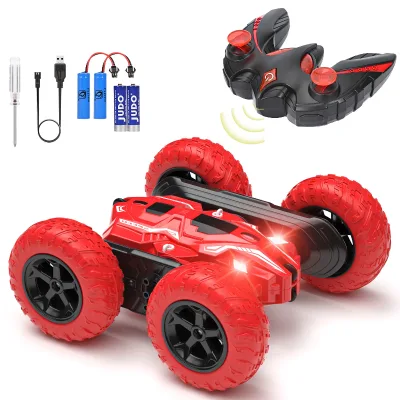
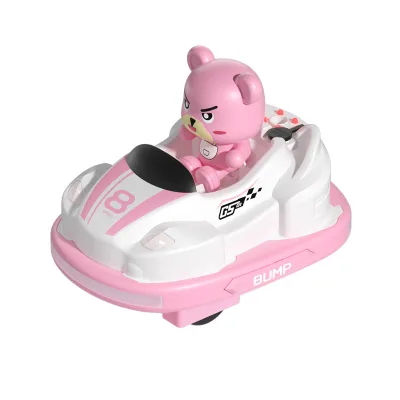
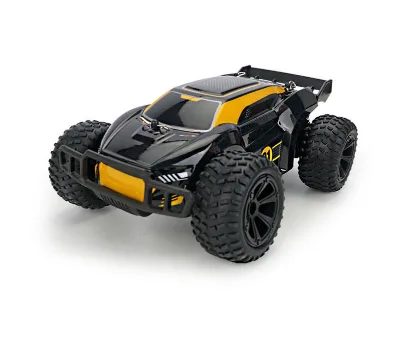
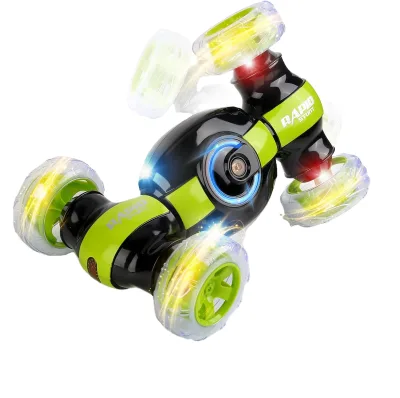
1:10 Scale Remote Control Car 2.4GHz Stunt Wild Monster Gesture Sensing RC Car
$23.68 - $29.68
MOQ: 30 Minimum
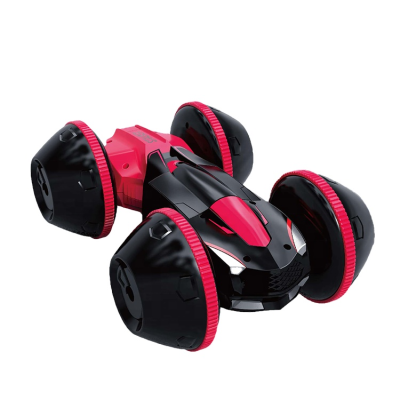
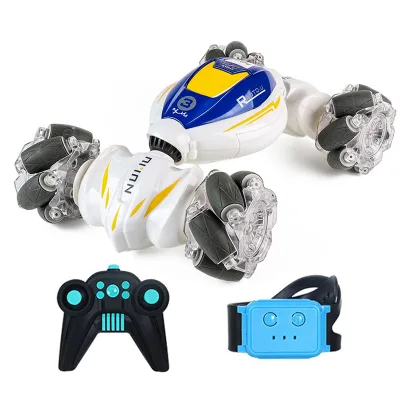
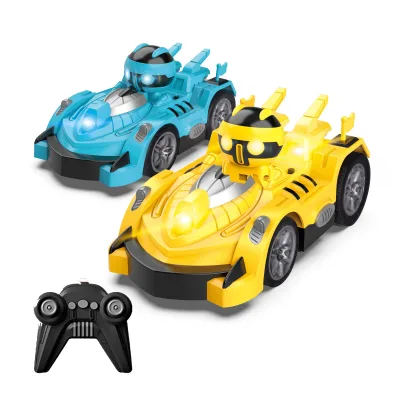
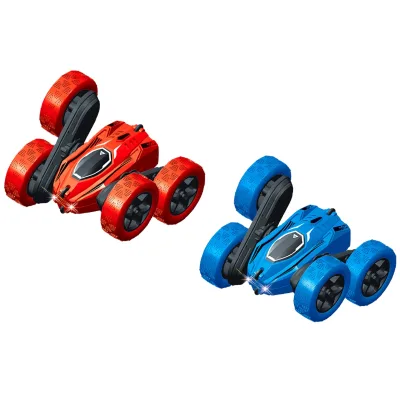
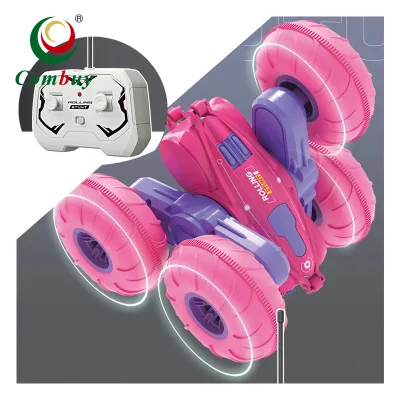
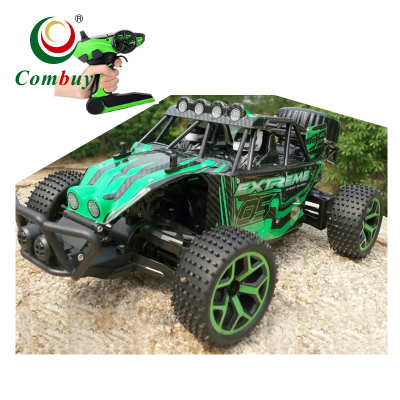


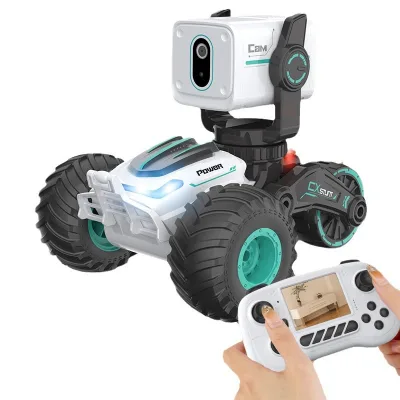
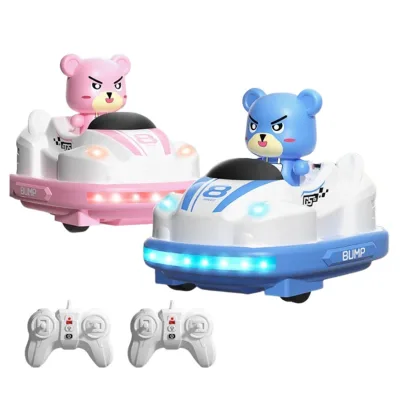


Comprehensive Sourcing Guide
RC Stunt Car Sourcing Guide
Sourcing remote control stunt cars requires a careful balance between dynamic performance features and rigorous safety compliance, particularly when targeting younger demographics. The market offers a wide variety of electric-driven models, ranging from compact units suitable for indoor play to more robust vehicles designed for outdoor agility. Buyers must navigate a landscape where customization is readily available, allowing for brand-specific styling and packaging adjustments. However, the diversity in product models and specifications means that generic assumptions about performance or durability can lead to costly mismatches between buyer expectations and actual product capabilities.
Procurement teams should focus on verifying the specific technical attributes that define the stunt capability, such as control channels and remote distance, while ensuring that the power source aligns with the intended use case. The observed data indicates a strong presence of electric-driven vehicles with remote control functionalities, often featuring specific scale ratios and assembly states that impact final assembly costs and logistics. Understanding these foundational elements is crucial for selecting suppliers who can deliver consistent quality and meet the specific operational requirements of your distribution channels or end-users.
Product Scope and Observed Listing Signals
The current market landscape for RC stunt cars reveals a significant diversity in product dimensions and packaging standards, reflecting varied use cases and target age groups. Listings indicate product origins primarily from manufacturing hubs like Shantou and Guangdong, China, with models ranging from small, compact units to larger, more complex vehicles. The observed specifications show packing sizes that vary widely, from approximately 14 centimeters in length to over 40 centimeters, suggesting a broad spectrum of product complexity and component density. This variation necessitates a thorough review of each listing to ensure that the physical dimensions align with your storage, shipping, and retail display requirements.
Furthermore, the presence of customization options and OEM acceptance signals a mature supply chain capable of adapting to specific brand identities and market trends. Buyers should note that while many products are described as "almost ready" for assembly, the inclusion of accessories like USB cables or specific controller batteries can significantly impact the final user experience. The age ranges specified, spanning from toddlers to teenagers, highlight the importance of matching product features, such as durability and control sensitivity, to the appropriate demographic. This alignment is critical for minimizing returns and ensuring customer satisfaction across different market segments.
Technical Specifications to Verify
When evaluating RC stunt cars, verifying the control system specifications is paramount to ensuring a competitive and functional product. Key attributes to confirm include the number of control channels, which directly influences maneuverability and stunt precision, and the effective remote distance, which determines the operational range in various environments. The power source, typically electric-driven, should be assessed for battery life and rechargeability, with attention to whether the controller requires standard batteries like AA or integrated rechargeable units. These technical details are not merely descriptive but are critical determinants of the product's performance and user engagement levels.
Additionally, the physical scale and assembly state of the vehicle play significant roles in the final product's appeal and logistical handling. Models often come in specific scales, such as 1:24, which affects the size and detail of the car relative to real-world vehicles. Buyers must also verify the packing details, including whether items are shipped in color boxes or cartons, and the gross and net weights, which impact shipping costs and handling requirements. Confirming these specifications with the supplier ensures that the product meets the technical expectations of your target market and avoids unexpected logistical challenges during import and distribution.
Compliance and Safety Documentation
Safety compliance is a non-negotiable aspect of sourcing RC stunt cars, especially given the wide age ranges of potential users, from young children to adults. Buyers must ensure that products carry recognized safety certifications, such as EN71, ASTM, CE, CPSIA, and GCC, which are critical for market access in various regions. These certifications indicate that the product has undergone rigorous testing for mechanical, electrical, and chemical safety, reducing the risk of harm to users and liability for the importer. Verifying the validity and scope of these certificates with the supplier is a essential step in the procurement process.
Beyond certifications, buyers should also assess the material composition and packaging safety standards to ensure they meet local regulatory requirements. The use of plastic components, for instance, must comply with specific chemical safety standards to prevent exposure to harmful substances. Additionally, the packaging itself should be designed to minimize hazards, such as small parts that could pose a choking risk to younger children. By prioritizing compliance and safety documentation, buyers can protect their brand reputation and ensure that their products are legally compliant and safe for end-users across different markets.
Cost Drivers and Commercial Terms
The cost structure of RC stunt cars is influenced by several factors, including the complexity of the electronic components, the materials used, and the level of customization required. Suppliers often offer flexible commercial terms, such as acceptable trial orders and lower MOQs for market testing, which can be advantageous for new entrants or those testing new product lines. However, buyers should be aware that customization, while available, may incur additional costs and affect lead times. Understanding these cost drivers is essential for accurate budgeting and pricing strategies in the final market.
Shipping and logistics also play a significant role in the total cost of ownership, with packing dimensions and weights directly impacting freight charges. The observed data shows a wide range of packing sizes and weights, from lightweight units to heavier, more substantial packages, which can vary significantly in shipping costs. Buyers should negotiate clear terms regarding port of dispatch, such as Shenzhen or Shantou, and clarify who is responsible for import duties and local delivery. By carefully managing these commercial terms, buyers can optimize their supply chain efficiency and maintain competitive pricing in their target markets.
Supplier Qualification and Quality Control
Selecting the right supplier for RC stunt cars requires a thorough evaluation of their production capabilities, quality control processes, and reputation in the market. Buyers should verify the supplier's supply ability, which can range from small trial orders to large-scale monthly production, ensuring they can meet your volume requirements. Additionally, assessing the supplier's commitment to quality control, including their testing procedures and defect rates, is crucial for maintaining product consistency and reliability. A reliable supplier will have robust systems in place to ensure that each unit meets the specified standards before shipment.
Furthermore, buyers should consider the supplier's responsiveness and willingness to collaborate on OEM projects, as this can indicate their flexibility and customer-centric approach. Clear communication channels and transparent reporting on production status can help mitigate risks associated with delays or quality issues. It is also advisable to request samples for thorough testing before placing large orders, allowing you to verify the product's performance, durability, and safety firsthand. By prioritizing supplier qualification and quality control, buyers can build a stable and reliable supply chain that supports their long-term business goals.
Long-Term Procurement Checks
Establishing long-term procurement relationships for RC stunt cars involves continuous monitoring of product performance, market feedback, and supplier reliability. Buyers should implement a system for tracking customer reviews and return rates to identify any recurring issues with specific models or suppliers. This feedback loop is essential for making informed decisions about future purchases and for negotiating improvements with suppliers. Regular audits of supplier quality control processes can also help ensure that standards are maintained over time, reducing the risk of quality degradation.
Additionally, staying informed about changes in safety regulations and market trends is crucial for maintaining compliance and competitiveness. Buyers should regularly review the certification status of their products and update their sourcing strategies to align with new requirements or consumer preferences. Building a diverse supplier base can also mitigate risks associated with single-source dependencies, ensuring continuity of supply in case of disruptions. By focusing on long-term procurement checks, buyers can sustain a high-quality product offering and maintain a strong position in the dynamic RC toy market.
FAQs
What certifications are available for these rc stunt cars?
These rc stunt cars come with EN71, ASTM, CE, CPSIA, and GCC certifications. These standards ensure the toys meet international safety requirements for children. Buyers can verify specific documentation for each model to confirm compliance with local regulations before placing bulk orders.
Can I customize the packaging for bulk orders?
Yes, customization is available for bulk orders. The standard packaging includes color boxes or window boxes, but OEM requests are warmly welcomed. Buyers can discuss specific branding or packaging design requirements with suppliers to align with their market needs and retail presentation strategies.
What is the typical remote control distance for these cars?
The typical remote control distance for these rc stunt cars is 25 meters. This range allows for comfortable outdoor play and maneuvering. The electric-driven vehicles feature 5 channels for precise control, ensuring reliable performance within the specified operational distance during active play sessions.
Which age groups are suitable for these remote control cars?
These remote control cars are suitable for ages 2 to 4, 5 to 7, 8 to 13, and 14 years and up. Some models specifically target ages 3+ or 6+. The versatile age ranges ensure that different skill levels can enjoy the stunt features safely.
What are the standard packing dimensions for these products?
Standard packing dimensions vary by model, ranging from 14x8.5x7.5cm to 71x25x25.5cm. Most items are packed in cartons or color boxes. Buyers should check specific model specifications to determine the exact package size and cubic meter volume for accurate shipping and logistics planning.
Where are these rc stunt cars manufactured?
These rc stunt cars are manufactured in Shantou and Guangdong, China. The port of dispatch is typically Shenzhen or Shantou. Buyers can rely on these established manufacturing hubs for consistent production quality and efficient export logistics when sourcing these electric-driven toy vehicles for their inventory.