Source Reactive Power Compensation Units for Power Plants
Find and compare 30 Reactive Power Compensation solutions, including SVG and capacitor banks, for power plants and transmission networks. Evaluate models like JKWRF-12F and DR-CK series with high voltage ratings and aluminum alloy shells to optimize grid efficiency.
Key considerations
Products List


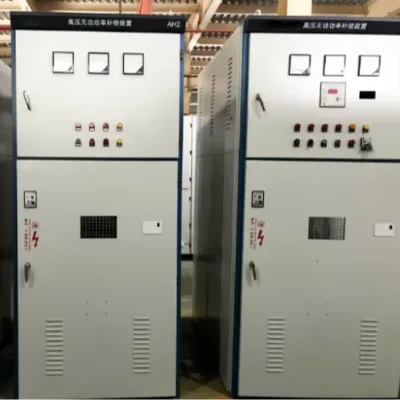


Advanced Pole-Mounted Reactive Power Compensation Solution for Efficiency
$3000.00 - $6000.00
MOQ: 1 Sets

Advanced High Voltage Reactive Power Compensation Systems for Global Markets
$3000.00 - $6000.00
MOQ: 1 Sets


Outdoor Frame Reactive Power Compensation/Automatic Reactive Voltage Regulator
$1000.00 - $20000.00
MOQ: 1 Pieces


0.38-0.66kv Cabinet Reactive Power Compensation of Low Voltage Reactors
$1500.00 - $2000.00
MOQ: 1 Pieces


Dynamic Reactive Power Compensation Systems with for Enhanced Stability
$300.00 - $1500.00
MOQ: 1 Pieces
Comprehensive Sourcing Guide
Reactive Power Compensation Sourcing Guide
Procuring Reactive Power Compensation equipment requires a precise understanding of the specific electrical environment and the intended load profile. The market offers a diverse range of solutions, from static var generators (SVG) to capacitor banks, each designed to address power quality issues such as voltage instability and low power factor. Buyers must first identify whether their facility, such as a power plant or industrial transmission network, requires high-voltage protection or low-voltage compensation systems operating at standard frequencies like 50/60Hz. The selection process hinges on matching the equipment's rated capacity, which can range from small 10kvar units to large-scale 600kvar systems, to the actual reactive power demand of the site.
The sourcing landscape is characterized by significant variation in product specifications, including shell materials, installation orientations, and customization capabilities. While some units feature aluminum alloy shells for durability and corrosion resistance, others may utilize fibre glass housing depending on the specific environmental conditions. Buyers should note that customization is widely available, allowing for tailored solutions regarding model numbers like JKWRF-12F or DR-CK series, and specific voltage ratings such as 400V or 0.38-0.66kv. Understanding these physical and electrical distinctions is critical before engaging with suppliers to ensure the selected hardware integrates seamlessly with existing infrastructure.
Product Scope and Observed Listing Signals
The observed product listings reveal a broad spectrum of Reactive Power Compensation devices, primarily categorized by their application in power, electronic, and electric power transmission sectors. Listings indicate a focus on static var generators and capacitor banks with capacities spanning from 10kvar to 150kvar, and in some cases up to 600kvar. These units are typically designed for automatic, continuous operation, ensuring stable power delivery in demanding environments. The physical attributes observed include square shapes, silvery colours, and dimensions such as 450580110mm, which help buyers visualize the spatial requirements for installation in control rooms or outdoor substations.
Listing signals also highlight the diversity in packaging and origin, with products originating from regions like Zhejiang, Shanghai, and Hubei in China. Packaging methods vary from standard boxes and cartons to wooden packing, reflecting the need to protect sensitive electronic components during transit. The observed price range of 300 to 64,500 USD suggests a wide disparity in value based on capacity, technology level, and customization depth. Buyers should interpret these signals as indicators of market segmentation, where lower-cost items may serve basic compensation needs while higher-priced units likely offer advanced features like dynamic response or specialized protection structures.
Technical Specifications to Verify
Verifying technical specifications is paramount when selecting Reactive Power Compensation equipment, as the operational voltage and frequency must align perfectly with the facility's grid. Buyers should confirm that the rated voltage matches their system requirements, such as the observed 400V or 0.38-0.66kv ranges, and ensure the frequency is compatible with the local grid standard of 50Hz or 60Hz. The rated current and capacity, often listed as "Other" or specific values like 20kvar, must be calculated against the peak reactive load to prevent under-sizing, which leads to inefficiency, or over-sizing, which results in unnecessary capital expenditure.
Installation and structural attributes also require rigorous verification to ensure physical compatibility and long-term reliability. The observed data points to vertical installation modes and protection structures designed for corrosion resistance, which are essential for outdoor or harsh industrial environments. Buyers must check the shell material, noting the prevalence of aluminum alloy and fibre glass, to determine suitability for specific weather conditions or chemical exposures. Additionally, the model numbers, such as BY92-SVG or RGJ, serve as unique identifiers for specific design standards, and verifying these against the intended application range, such as power plants, ensures the device meets the necessary performance criteria.
Compliance and Safety Documentation
Compliance and safety documentation form the backbone of a secure procurement process, ensuring that all equipment meets international and local regulatory standards. The observed listings frequently cite ISO9001 certification, indicating that manufacturers adhere to quality management systems, while others mention CCC certification, which is crucial for products sold within the Chinese market. Buyers must request valid certificates for both ISO9001 and CCC to verify that the supplier maintains consistent quality control and that the products have undergone necessary safety assessments before entering the supply chain.
Beyond general certifications, specific safety standards related to the product's operation and construction must be reviewed. The observed standards, such as JKWRF-12F or 600kvar/0.4kV, represent specific technical benchmarks that the equipment must satisfy. Buyers should demand test reports and compliance documents that validate these standards, particularly for high-voltage applications where safety risks are elevated. Ensuring that the documentation explicitly covers the protection features, such as corrosion resistance and automatic operating modes, provides assurance that the equipment will perform safely under the expected load conditions without posing a risk to personnel or infrastructure.
Cost Drivers and Commercial Terms
Cost drivers in the Reactive Power Compensation market are heavily influenced by the rated capacity, customization level, and the complexity of the internal components. Units with higher capacities, such as those reaching 600kvar, or those featuring advanced dynamic response capabilities, naturally command higher prices within the observed 300-64,500 USD range. The availability of OEM/ODM services and the ability to customize model numbers like JKW or DR-CK series add value but also increase the unit cost, as these bespoke solutions require additional engineering and production time.
Commercial terms, including minimum order quantities (MOQ) and packaging requirements, play a significant role in the total cost of ownership. The observed MOQ of 1 suggests flexibility for buyers to procure single items or small batches, which is beneficial for pilot projects or specific retrofitting needs. However, packaging choices, ranging from cartons to wooden crates, can impact shipping costs and insurance premiums, especially for heavy or high-value units. Buyers should negotiate terms that balance the unit price with logistics expenses, ensuring that the total landed cost aligns with the project budget while maintaining the integrity of the equipment during transit.
Supplier Qualification and Quality Control
Supplier qualification is a critical step in mitigating procurement risks, particularly given the diverse origins of Reactive Power Compensation equipment from regions like Zhejiang, Shanghai, and Hubei. Buyers should verify the supplier's manufacturing capabilities and their adherence to the observed ISO9001 standards, which serve as a baseline for quality management. It is essential to confirm that the supplier has a proven track record in producing specific models like the JKWRF series or SVG units, ensuring they possess the technical expertise to deliver products that meet the rigorous demands of power plants and transmission networks.
Quality control processes must be scrutinized to ensure consistency across production batches. Buyers should inquire about the supplier's internal testing protocols, particularly for critical attributes like rated voltage, frequency, and protection mechanisms. The observation of specific materials, such as metal and copper components, necessitates verification of material sourcing and processing standards to prevent defects that could lead to premature failure. Establishing a clear quality assurance framework, including pre-shipment inspections and post-delivery support, ensures that the purchased equipment maintains its performance and safety standards throughout its operational lifecycle.
Long-Term Procurement Checks
Long-term procurement checks focus on the sustainability and reliability of the supply relationship, ensuring that the Reactive Power Compensation equipment continues to meet operational needs over time. Buyers should establish clear communication channels with suppliers to monitor any updates to product standards, such as changes to the JKWRF-12F or DR-CK specifications, and to stay informed about advancements in technology that could enhance efficiency. Regular reviews of the supplier's certification status, including ISO9001 and CCC, help maintain confidence in the ongoing quality of the products supplied.
Maintenance and support capabilities are also vital for long-term success, as Reactive Power Compensation systems require periodic checks to ensure optimal performance. Buyers should verify the availability of spare parts, such as capacitors ranging from 10kvar to 150kvar, and the supplier's ability to provide technical assistance for troubleshooting issues related to automatic operation or voltage regulation. By fostering a collaborative relationship with the supplier, buyers can ensure that their power infrastructure remains stable and efficient, minimizing downtime and maximizing the return on investment in Reactive Power Compensation technology.
FAQs
What is the typical voltage range for Reactive Power Compensation units?
The typical rated voltage ranges from 0.38kV to 0.66kV, with specific models operating at 400V. These units are designed for high voltage applications in power plants and electronic systems. The frequency support includes 50Hz and 60Hz options to ensure compatibility with various grid standards and operational requirements.
Can Reactive Power Compensation systems be customized for specific projects?
Yes, customization is available for Reactive Power Compensation systems to meet unique project needs. OEM and ODM services allow for tailored specifications, including model numbers like JKWRF-12F or BY92-SVG. Buyers can request specific capacities, shapes, and installation methods to align with their infrastructure and operational goals.
Which certifications are required for Reactive Power Compensation equipment?
Common certifications include ISO9001 and CCC, ensuring quality and safety standards are met. These certifications are often packaged with the product and apply to various models such as DR-CK series and Dynamic types. Buyers should verify that the supplier provides these documents to confirm compliance with international and local regulations.
How is Reactive Power Compensation equipment packaged for shipping?
Packaging methods vary by model and supplier, including box, carton, and wooden packing. For instance, some units are packed in boxes while others use wooden crates for added protection. The packaging is designed to safeguard the aluminum alloy shell and internal components during transit from origins like Zhejiang or Shanghai to global destinations.
What is the MOQ for ordering Reactive Power Compensation units?
The observed minimum order quantity is typically 1 unit, allowing for flexible procurement. This low MOQ enables buyers to test products or order small batches for specific applications. It supports both single-item purchases and larger orders, making it suitable for diverse project scales and budget constraints in the power sector.
Where are Reactive Power Compensation manufacturers located?
Manufacturers are primarily located in China, with specific origins in Zhejiang, Shanghai, and Hubei provinces. These regions host factories producing various models like JKW and RGJ. Buyers can source from these locations to access a wide range of specifications, certifications, and pricing options for their Reactive Power Compensation needs.