Source Adjustable Steel Lateral Raise Machine for home, gym, and training
Compare 30 Adjustable Steel Lateral Raise Machine options from Shandong manufacturers. These units feature steel construction, manual power sources, and are suitable for arm and chest exercises in home or gymnasium settings.
Key considerations
Products List


Premium Lateral Raise Machine with Adjustable Shoulder Side Raise Equipment
$799.00 - $870.00
MOQ: 2 Pieces


ISO-Lateral Front Lat Pulldown Hot Sale Strength Plate Loaded Machines
$355.00 - $444.00
MOQ: 5 Pieces
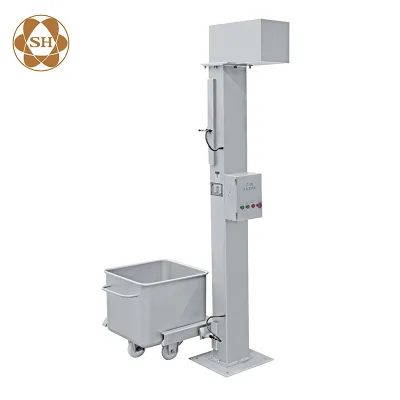


Top Quality Stable Leveler Machine Easy Operation for Steel Plate with Warranty
$12000.00 - $16000.00
MOQ: 1 Sets

Comprehensive Sourcing Guide
Strategic Sourcing Guide for Adjustable Steel Lateral Raise Machines
The procurement of specialized fitness equipment, specifically the Adjustable Steel Lateral Raise Machine, requires a rigorous approach that balances technical performance, regulatory compliance, and supply chain reliability. In the global B2B market, buyers often encounter a wide variance in product specifications, ranging from commercial-grade units designed for high-traffic gymnasiums to models intended for home or integrated trainer applications. This guide synthesizes observed market data and verified product attributes to provide a structured framework for sourcing decisions. The focus remains on objective analysis of material composition, certification standards, and operational specifications to ensure that the final procurement aligns with safety and durability requirements.
Technical Specifications and Material Composition
When evaluating an Adjustable Steel Lateral Raise Machine, the primary technical differentiator lies in the material composition and structural integrity. The market data indicates a prevalence of steel as the core material, with specific observations noting both standard steel and stainless steel variants. The choice between these materials often dictates the machine's resistance to corrosion, particularly in humid environments like swimming pool gyms or outdoor facilities. Stainless steel offers superior longevity but may come with a higher cost baseline, whereas standard steel is frequently utilized for structural frames where weight is a critical factor.
The physical dimensions and weight of the unit are significant indicators of its intended use and stability. Observed specifications reveal a wide range of machine weights, from 115kg to 347kg. Heavier units, such as those weighing 347kg, typically feature a weight stack of 255lbs and are classified as free strength machines or integrated gym trainers. These heavy-duty units are designed to minimize movement during high-intensity lateral raises, ensuring that the resistance is applied strictly to the target muscle group. In contrast, lighter units around 115kg may be more suitable for facilities with space constraints or lower usage frequencies.
Adjustability is a critical functional attribute for lateral raise machines. The product attributes confirm that customization is available, allowing buyers to tailor the seat height, arm pad positioning, and resistance mechanisms to accommodate different user anthropometrics. The "Unfolded" state is a common configuration, suggesting that while some units may be foldable for storage, the operational state for lateral raises is typically a fixed, stable structure. The color options observed, such as black and silver grey, are standard for commercial equipment, offering a professional aesthetic that blends with various gym decors. The seat color is often an optional feature, providing an additional layer of customization for branding or interior design consistency.
Compliance and Certification Verification
Navigating the regulatory landscape is essential for any B2B procurement of fitness equipment. The supply chain data highlights several key certifications and standards that buyers must verify. The most frequently observed certifications include CE and ISO standards. Specifically, the data references CE, ISO, SGS, and BV certifications, alongside specific standard codes like ISO 9100 and CE & ISO 9100. It is crucial to distinguish between general certification marks and specific product standards. For instance, while ISO 9001 is a common background standard for manufacturing quality management, the product-specific standards such as ISO 9100 are more relevant to the equipment's safety and performance criteria.
Buyers should request valid certification documents that explicitly link the specific model number, such as TZ 5007 or TZ-8127, to the certification body. The presence of a "Ce&ISO9100" label on a product listing suggests compliance with European safety directives and specific international standards, but verification is necessary to ensure these are current and not expired. Additionally, the standard "CE, ISO, SGS, BV" indicates a robust quality assurance process involving third-party inspections.
The coating process is another area where compliance and quality intersect. The data notes a "Two Layers" coating process, which is a critical factor in preventing rust and ensuring the longevity of the steel frame. This coating must be tested for adhesion and durability, especially if the equipment is intended for export to markets with strict environmental regulations. The "Wood Box" or "Plywood Case" packing standards also play a role in compliance, as they must meet international shipping regulations to prevent pest infestation and ensure the equipment arrives without damage.
Cost Drivers and Pricing Dynamics
The pricing landscape for adjustable steel lateral raise machines is highly variable, with observed ranges spanning from $1.50 to $1,000,000 USD. This extreme variance indicates that the market includes everything from small-scale components or accessories to fully integrated, custom-engineered commercial gym systems. Buyers must be cautious not to equate the lowest price point with the most cost-effective solution. The cost of a lateral raise machine is driven by several factors, including the weight of the steel, the complexity of the adjustment mechanisms, the type of weight stack, and the level of customization.
For a standard commercial unit, the cost is heavily influenced by the machine weight and the materials used. A unit weighing 347kg with a 255lbs weight stack and a two-layer coating will inherently cost more than a 115kg unit with a basic frame. The "Integrated Gym Trainer" classification suggests a higher price point due to the complexity of the system and the inclusion of multiple exercise functions. Conversely, "Free Strength Machine" units may offer a more modular approach, potentially reducing costs if the buyer is assembling a gym from individual pieces.
The Minimum Order Quantity (MOQ) is another significant cost driver. The observed MOQ range is 1 to 100 pieces. For buyers looking to outfit a single facility, an MOQ of 1 piece is highly advantageous, allowing for the purchase of a single unit without the need for bulk inventory. However, for large-scale projects or distributors, negotiating an MOQ closer to 100 pieces might unlock volume discounts. The "Manufacture & Trading Company" business type suggests that buyers can potentially negotiate better terms by dealing directly with the manufacturer rather than a middleman, though this depends on the specific supplier's structure.
Typical Applications and User Demographics
Understanding the intended application of the equipment is vital for selecting the right model. The product attributes indicate that these machines are suitable for "Gymnasium" and "Home" environments, as well as "Integrated Gym Trainer" applications. The "Exercise Part" is specified as "Arm" and "Chest," confirming the machine's primary function in targeting the deltoids and pectoral muscles through lateral raising movements. The "Gender" attribute lists both "Male" and "Unisex," indicating that the design is generally inclusive, though the "Age Group" is consistently listed as "Adult" or "Adults," suggesting that these units are not designed for pediatric use.
The "Suitable for: Both" attribute implies versatility in usage, potentially meaning the machine can be used by individuals with different fitness levels or for both rehabilitation and strength training purposes. The "Condition: New" attribute confirms that the market primarily deals in brand-new equipment, which is standard for B2B procurement to ensure warranty coverage and safety. The "Assembling" attribute suggests that while some units may arrive pre-assembled, others require on-site assembly, which is a critical logistical consideration for facility managers.
Supplier Evaluation and Origin Analysis
The geographic origin of the equipment is a key factor in supplier evaluation. The data consistently points to "Shandong, China (Mainland)" and "Dezhou City, Shandong Province" as the primary places of origin. This region is known for a robust manufacturing base for fitness equipment. The "Bussiness Type: Manufacture & Trading Company" indicates that suppliers in this region often have direct control over the production process while also managing export logistics.
When evaluating suppliers, buyers should verify the "Brand Name," such as "Tianzhan," and ensure that the brand has a track record of exporting to the "Global" market. The "Export Market: Global" attribute suggests that these suppliers are experienced in handling international logistics, customs documentation, and varying regulatory requirements. However, buyers must remain vigilant regarding the specific "Delivery Time," which is observed as "Within 25 Days After Receiving Deposite." This lead time is a critical component of the procurement timeline and must be factored into project schedules.
The "Model" numbers, such as "Nautilus," "TZ 5007," "TZ-8127," and "Tz-5014," serve as unique identifiers for specific product lines. Buyers should cross-reference these model numbers with the supplier's catalog to ensure they are purchasing the exact configuration required. The "Standard" dimensions, such as 146013301270mm or 134013251300, provide precise spatial requirements for facility planning.
Quality Control and Long-Term Procurement Considerations
Quality control is paramount when sourcing heavy machinery like lateral raise machines. The "Two Layers" coating and the use of "Stainless Steel" or "Steel" are indicators of quality, but these must be verified through on-site inspections or third-party testing. The "Weight Stack" of 255lbs is a specific performance metric that should be tested for smooth operation and durability under repeated use. The "Seat Color: Option" allows for customization, but the underlying mechanism for seat adjustment must be robust to prevent wear and tear.
Long-term procurement considerations include the availability of spare parts and the ease of maintenance. The "Customization: Available" and "Customized: Customized" attributes suggest that suppliers can modify the equipment to meet specific needs, which is beneficial for long-term contracts. However, buyers should ensure that these customizations do not compromise the standard safety certifications. The "Wooden Case" or "Plywood Case" packing must be durable enough to protect the equipment during transit, especially for international shipments.
Buyers should also consider the "Application: Integrated Gym Trainer" aspect, which implies that the machine may need to interface with other equipment in the facility. Ensuring compatibility with existing systems and the ability to upgrade or expand the gym setup in the future is a strategic advantage. The "Condition: New" status ensures that the equipment starts with a full warranty, but the supplier's reputation for after-sales support is equally important.
Comparative Analysis of Product Attributes
To facilitate a clearer decision-making process, the following table summarizes the key attributes observed in the market for adjustable steel lateral raise machines. This comparison highlights the variability in specifications and helps buyers identify the features that align with their specific procurement needs.
| Attribute Category | Observed Value/Range | Implication for Buyer |
|---|---|---|
| Material | Steel, Stainless Steel | Determines corrosion resistance and weight; Stainless for high humidity. |
| Machine Weight | 115kg - 347kg | Heavier units offer more stability; lighter units easier to move. |
| Weight Stack | 255lbs (observed) | Indicates resistance capacity; verify for specific model. |
| Dimensions | ~1340x1325x1300mm to 1460x1330x1270mm | Critical for facility space planning. |
| Certifications | CE, ISO 9100, SGS, BV | Essential for regulatory compliance and safety assurance. |
| MOQ | 1 - 100 Pieces | Flexibility for small orders vs. volume discounts for large orders. |
| Lead Time | Within 25 Days (post-deposit) | Affects project scheduling and inventory management. |
| Origin | Shandong, China (Mainland) | Indicates manufacturing hub; verify specific factory location. |
| Packing | Wood Box, Plywood Case | Ensures protection during international shipping. |
| Target Audience | Adults, Unisex, Male | Confirms suitability for general adult fitness populations. |
In conclusion, sourcing an Adjustable Steel Lateral Raise Machine requires a meticulous review of technical specifications, certification validity, and supplier capabilities. By focusing on the observed data points such as material quality, weight capacity, and compliance standards, buyers can make informed decisions that ensure the longevity and safety of their fitness facilities. The variability in the market allows for tailored solutions, but the buyer must remain diligent in verifying that every claim aligns with the actual product specifications and regulatory requirements.
FAQs
What certifications do adjustable steel lateral raise machines have?
These machines typically carry CE, ISO, SGS, and BV certifications. Specific models may also meet ISO 9100 standards, ensuring compliance with international safety and quality requirements for gym equipment.
Can I customize the seat color and dimensions of the machine?
Customization is available for seat color and specific dimensions. Buyers can often select from options like black or silver grey, and the seat color can be customized to match specific branding or interior design needs.
How long is the delivery time after receiving the deposit?
The delivery time is typically within 25 days after receiving the deposit. This lead time applies to the standard manufacturing and shipping process for units originating from Shandong, China.
What is the minimum order quantity for purchasing these machines?
The minimum order quantity can be as low as one piece. However, some listings indicate an MOQ range up to 100 pieces, allowing flexibility for both single-unit buyers and bulk purchasers.
Which materials are used to construct the frame of the machine?
The frames are constructed from steel or stainless steel. Stainless steel variants offer superior corrosion resistance, while standard steel is used for structural integrity in commercial and home gym settings.
Where are these adjustable steel lateral raise machines manufactured?
These machines are manufactured in Shandong, China, specifically in Dezhou City. The region is a known hub for fitness equipment production with a mix of manufacturing and trading companies.