Source Rear Wheel Stud Tire Bolt for Machinery, Trucks, Trailers
Compare 30 Rear Wheel Stud Tire Bolt options from verified Chinese suppliers. Buyers can evaluate specifications like grades 10.9 and 12.9, surface finishes, and delivery times for machinery, chemical, and automotive applications; compare the available evidence and request quotations based on your requirements.
Key considerations
Products List


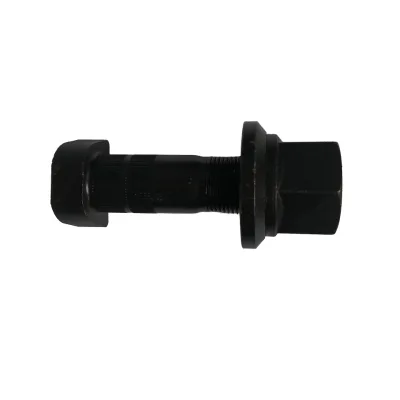


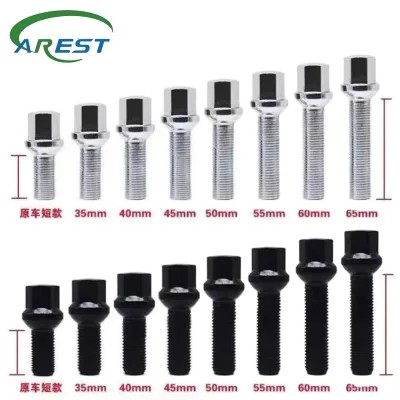
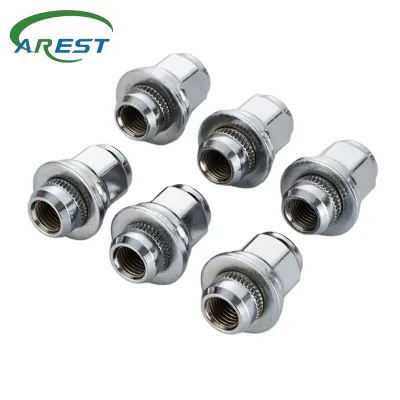


Comprehensive Sourcing Guide
Rear Wheel Stud Tire Bolt Sourcing Guide
Sourcing rear wheel studs and tire bolts requires a disciplined approach to technical verification and supplier qualification. These critical fasteners secure wheels to vehicle hubs, bearing immense shear and tensile loads during operation. Buyers must prioritize components that meet rigorous mechanical standards to prevent catastrophic failure. The market offers diverse options, ranging from standard carbon steel bolts to high-strength alloy studs, each suited for specific vehicle classes and load requirements.
Procurement teams should focus on verifying material grades, surface treatments, and dimensional accuracy before placing orders. Inconsistent quality in these components can lead to premature wear, loosening, or wheel detachment. This guide outlines the essential steps for evaluating suppliers, interpreting technical specifications, and ensuring compliance with safety regulations. By adhering to these procurement principles, buyers can mitigate risk and secure reliable supply chains for their manufacturing or replacement needs.
Product Scope and Observed Listing Signals
The observed market signals indicate a wide range of product types, including wheel bolts, nuts, and studs, with materials primarily consisting of carbon steel and alloy steels like 35CrMo or 42CrMo. Listings frequently highlight high-grade classifications such as 10.9 or 12.9, which denote significant tensile strength suitable for heavy-duty applications. Surface finishes vary, with zinc plating and black oxide treatments being common to enhance corrosion resistance and aesthetic appeal. These visual and material cues help buyers quickly filter listings based on their specific environmental and mechanical requirements.
Commercial signals also reveal flexible customization options, with many suppliers offering OEM services and accepting custom drawings. Packaging typically involves cartons, wooden pallets, and plastic bags to ensure safe transit, while delivery times range from five to twenty days. Some suppliers provide free samples when in stock, allowing for preliminary quality checks. Buyers should note that specifications often include metric sizes like M22x1.5, with lengths varying to fit different hub designs. Understanding these signals helps in narrowing down potential suppliers who can meet precise dimensional and material needs.
Technical Specifications to Verify
Verifying thread standards is crucial, as listings mention UNC, UNF, and various international standards like DIN, GB, ANSI, and ISO. Buyers must confirm that the thread pitch and diameter match the vehicle’s hub specifications to ensure proper engagement and load distribution. Dimensional accuracy is equally important, with lengths and shank diameters needing precise measurement to prevent interference with braking systems or suspension components. Misaligned specifications can lead to improper seating, causing vibration or failure under load.
Material grade verification is another critical step, with options ranging from standard carbon steel to high-strength alloy steels. Buyers should request mill certificates to confirm the chemical composition and mechanical properties of the material. Surface treatment quality, such as zinc plating thickness or black oxide uniformity, should be inspected to ensure adequate corrosion resistance. Additionally, checking for consistent head styles, such as round heads, ensures compatibility with the wheel’s mounting holes. These technical checks prevent costly rework and ensure long-term reliability.
Compliance and Safety Documentation
Compliance with international standards is non-negotiable for wheel fasteners, as they are safety-critical components. Buyers should verify that suppliers hold relevant certifications, such as ISO, which indicates adherence to quality management systems. Some listings mention SGS certification, suggesting third-party testing capabilities, but buyers must confirm the scope and validity of these certifications. Documentation should include material test reports and hardness tests to ensure the fasteners meet the specified grade requirements.
Safety standards vary by region, with DIN, GB, and ANSI standards providing guidelines for mechanical performance. Buyers must ensure that the products comply with the regulations applicable to their target markets. Requesting detailed compliance certificates from the supplier is essential for audit purposes and liability protection. Additionally, verifying that the supplier follows consistent quality control processes helps ensure that every batch meets the same high standards. This documentation provides a legal and technical foundation for safe operation.
Cost Drivers and Commercial Terms
Costs for wheel studs and bolts are influenced by material prices, manufacturing complexity, and surface treatment requirements. High-grade alloy steels and specialized heat treatments increase production costs but offer superior strength and durability. Buyers should analyze the total cost of ownership, considering factors like lead time, packaging, and potential warranty claims. While some listings show low unit prices, buyers must account for shipping, tariffs, and minimum order quantities that may affect the overall budget.
Commercial terms such as payment methods, delivery schedules, and warranty policies vary among suppliers. Many offer flexible payment terms and provide warranties, such as one-year coverage, to assure buyers of product quality. Understanding the supplier’s capacity to handle large orders and their ability to meet tight deadlines is crucial for maintaining production continuity. Buyers should negotiate clear terms regarding defects and returns to protect against quality issues. Transparent commercial terms help in building a stable and predictable supply chain.
Supplier Qualification and Quality Control
Supplier qualification involves assessing their manufacturing capabilities, quality control processes, and track record. Buyers should verify that suppliers use advanced equipment like CNC lathes and processing centers to ensure precision and consistency. Requesting samples for physical inspection and testing is a vital step in evaluating product quality before committing to large orders. Suppliers who accept custom drawings and offer tailored solutions demonstrate flexibility and technical competence.
Quality control measures should include 100% inspection or statistical sampling to detect defects early. Buyers should inquire about the supplier’s procedures for handling non-conforming products and their commitment to continuous improvement. Checking references and reviewing past performance can provide insights into reliability and responsiveness. Establishing a clear communication channel with the supplier ensures that any issues are addressed promptly. A qualified supplier with robust quality control minimizes risk and ensures consistent product quality.
Long-Term Procurement Checks
Long-term procurement success depends on regular performance reviews and continuous improvement initiatives. Buyers should monitor key metrics such as delivery times, defect rates, and customer satisfaction to assess supplier performance. Establishing a feedback loop with the supplier helps identify areas for improvement and fosters a collaborative relationship. Regular audits of the supplier’s quality management system ensure ongoing compliance with standards and regulations.
Adapting to market changes and technological advancements is essential for maintaining a competitive edge. Buyers should stay informed about new materials, coatings, and manufacturing techniques that could enhance product performance. Building a diversified supplier base reduces dependency on a single source and mitigates supply chain risks. Continuous evaluation and relationship management ensure that the procurement strategy remains aligned with business goals and quality expectations. This proactive approach supports sustainable growth and operational excellence.
FAQs
What materials are used for rear wheel stud tire bolts?
Rear wheel stud tire bolts are typically manufactured from high-strength carbon steel or alloy steels such as 35CrMo and 42CrMo. These materials provide the necessary tensile strength and durability for heavy-duty applications. The bolts are often available in grades 10.9 or 12.9 to ensure they can withstand significant mechanical stress and torque during vehicle operation.
Can rear wheel stud tire bolts be customized?
Yes, customization is available for rear wheel stud tire bolts to meet specific engineering requirements. Buyers can request custom sizes, thread types such as UNC or UNF, and specific head styles like round heads. Manufacturers also accept custom drawings and offer various surface finishes, including zinc plating in colors like silver, white, black, or yellow, to suit different environmental conditions.
What certifications do rear wheel stud tire bolts have?
Rear wheel stud tire bolts commonly hold ISO and GS certifications, ensuring they meet international quality and safety standards. Some products may also comply with DIN, GB, ANSI, or IFI standards depending on the target market. These certifications verify that the manufacturing processes and material grades adhere to strict regulatory requirements for automotive and industrial components.
How are rear wheel stud tire bolts packaged for shipping?
Rear wheel stud tire bolts are typically packaged in plastic bags, carton boxes, and wooden pallets to ensure safe transit. Some suppliers offer customized packing solutions to protect the zinc-plated surfaces from damage. This robust packaging method helps prevent corrosion and physical harm during long-distance shipping, ensuring the bolts arrive in pristine condition ready for installation.
What is the typical lead time for rear wheel stud tire bolts?
The typical delivery time for rear wheel stud tire bolts ranges from 5 to 20 days, depending on order volume and customization needs. Standard items may be shipped faster, while custom specifications require additional manufacturing time. Buyers should confirm specific lead times with suppliers to align with their production schedules and ensure timely delivery for their machinery or vehicle repair projects.
Where are rear wheel stud tire bolts manufactured?
Rear wheel stud tire bolts are primarily manufactured in China, with key production hubs located in regions like Wenzhou, Hebei, and Jiaxing, Zhejiang. These areas are known for their robust industrial infrastructure and expertise in producing high-quality fasteners. Buyers can source these components from verified factories in these locations, ensuring access to competitive pricing and reliable supply chains.