Source Rechargeable Electric Mosquito Racket for Home, Garden, and Patio
Find 30 options for the rechargeable electric mosquito racket, featuring USB charging, LED attractors, and eco-friendly designs. Compare specifications like battery capacity, voltage, and material to select the right pest control tool for your needs; compare the available evidence and request quotations based on your requirements.
Key considerations
Products List
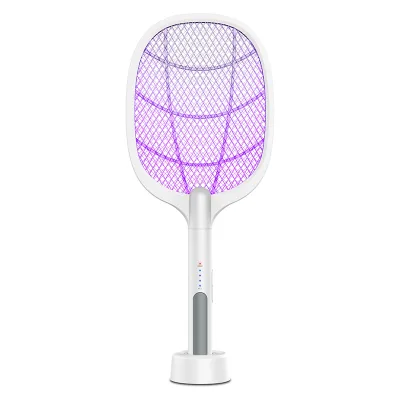


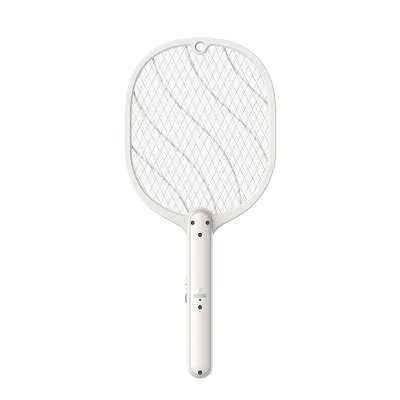
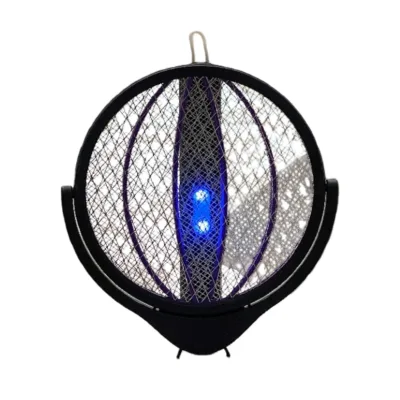


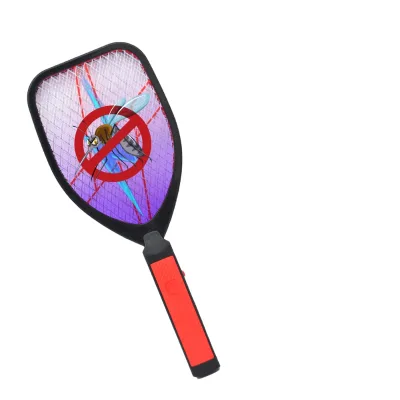





Comprehensive Sourcing Guide
Rechargeable Electric Mosquito Racket Sourcing Guide
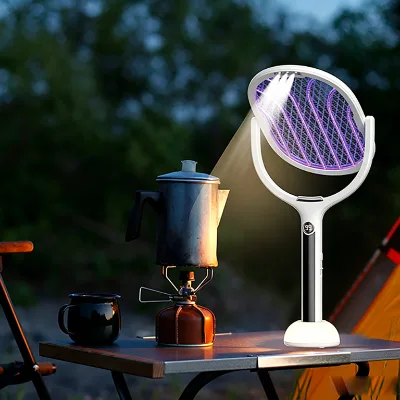
The rechargeable electric mosquito racket has evolved from a simple handheld tool into a sophisticated pest control device that integrates UV light attraction with high-voltage electrocution. Modern listings indicate a strong market shift toward eco-friendly, stocked inventory items that prioritize user convenience and safety. Buyers in the B2B sector must recognize that these products are no longer just basic swatters but are often designed as dual-function units capable of handling both mosquitoes and flies. The inclusion of features like rechargeable batteries and LED light sources suggests a focus on extended usability and enhanced effectiveness in low-light conditions.
Procurement teams should approach this category with an understanding that the product landscape is diverse, ranging from basic models to more advanced units with specific technical attributes. The observed market signals show a prevalence of brands like CLEANPCO, which emphasize features such as included fragrances and specific material compositions like ABS shells. This diversity requires buyers to carefully define their requirements before engaging with suppliers, as the difference between a standard swatter and a high-capacity, long-lasting unit can significantly impact the end-user experience and the overall value proposition of the product line.
Product Scope and Observed Listing Signals
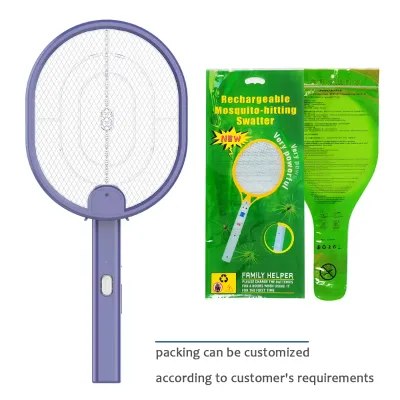
Current market data reveals a wide range of product specifications, with observed prices varying significantly across different supplier listings. The minimum order quantities (MOQs) also fluctuate, ranging from small trial orders of one unit to bulk purchases of up to two thousand units, indicating flexibility in supply chain arrangements. Buyers should note that while some listings highlight specific model numbers like KL-947 or ML-208, others may offer customized options, allowing for brand integration and tailored packaging solutions. This variability necessitates a thorough review of each supplier’s catalog to ensure alignment with specific procurement needs.
The physical attributes of these rackets also vary, with some models featuring lithium batteries with capacities around 1200 mAh, while others may have smaller capacities or different power sources. The rated power typically ranges from 2W to 4W, and the voltage output is often cited as approximately DC3000V, which is critical for effective insect control. Additionally, the use of materials such as ABS for the shell and PP for electronic components highlights the importance of durability and safety. Buyers must verify these specifications against their quality standards, as inconsistencies in material quality or battery performance can lead to customer dissatisfaction and returns.
Technical Specifications to Verify
When evaluating technical specifications, the battery capacity and charging mechanism are paramount for ensuring product longevity and user satisfaction. Listings indicate the use of lithium batteries with capacities ranging from 300mAh to 1200mAh, which directly impacts the operational time, with some models claiming usage exceeding 480 hours. Buyers should verify the charging input, which is typically DC5V-1A, and the interface type, such as USB or Type-C, to ensure compatibility with existing charging infrastructure. The rated voltage and current, often specified as 5V and 1A respectively, must also be confirmed to prevent electrical issues and ensure safe operation.
The physical dimensions and weight of the racket are also critical factors for logistics and user comfort. Single package sizes can vary, with some listings indicating dimensions of 56x26x10 cm and a gross weight of 0.600 kg, while others may have different specifications. The sheet size of the mesh, often around 52.8x53cm, affects the coverage area and effectiveness of the swatter. Additionally, the light source, typically an LED emitting in the 300-400nm range, plays a crucial role in attracting pests. Buyers should request detailed technical datasheets to verify these specifications and ensure that the products meet their performance expectations.
Compliance and Safety Documentation
Safety is a primary concern when sourcing electrical pest control devices, and compliance with international standards is non-negotiable. Listings often mention certifications such as CE and RoHS, which indicate adherence to European health, safety, and environmental protection standards. Buyers must verify the validity of these certifications by requesting official documentation from the supplier, as counterfeit or expired certificates are a common risk in the market. The use of materials like ABS and PP should also be checked for compliance with relevant chemical regulations, ensuring that the products are free from harmful substances.
The electrical safety of the racket is another critical aspect, particularly given the high voltage involved in the electrocution process. Buyers should ensure that the product design includes appropriate safety features, such as protective grilles and automatic shut-off mechanisms, to prevent accidental shocks. The rated power and voltage must be clearly marked on the product and packaging, and the charging input should be compatible with standard power sources. Additionally, the battery safety, including overcharge protection and thermal management, should be verified to prevent potential hazards during use and storage.
Cost Drivers and Commercial Terms
The cost of rechargeable electric mosquito rackets is influenced by several factors, including the battery capacity, material quality, and additional features such as UV light attraction. Listings show a price range of $0.43 to $10, reflecting the diversity in product quality and specifications. Buyers should consider the total cost of ownership, including shipping, tariffs, and potential returns, rather than focusing solely on the unit price. The minimum order quantity (MOQ) also plays a significant role in pricing, with larger orders typically benefiting from economies of scale.
Commercial terms, such as payment methods, lead times, and warranty policies, are equally important in the procurement process. Buyers should negotiate clear terms that protect their interests, including quality guarantees and after-sales support. The customization options available, such as branding and packaging, can add value but may also increase costs. It is essential to establish a transparent communication channel with the supplier to address any issues that may arise during production or delivery. Understanding these cost drivers and commercial terms will help buyers make informed decisions and secure the best possible value for their procurement budget.
Supplier Qualification and Quality Control
Selecting a reliable supplier is crucial for ensuring the quality and consistency of rechargeable electric mosquito rackets. Buyers should conduct thorough due diligence, including verifying the supplier’s business license, production capabilities, and quality management systems. The place of origin, often Zhejiang, China, is a major hub for such products, but buyers should not rely solely on location as an indicator of quality. Requesting samples and conducting factory audits can provide valuable insights into the supplier’s operations and product quality.
Quality control measures should be established to monitor the production process and ensure that the final products meet the specified standards. This includes inspecting the materials, checking the electrical components, and testing the functionality of the rackets. Buyers should also consider implementing third-party inspections to verify the quality of the products before shipment. Establishing a clear quality agreement with the supplier, including acceptance criteria and rejection procedures, will help minimize risks and ensure that the procurement process runs smoothly.
Long-Term Procurement Checks
Long-term success in sourcing rechargeable electric mosquito rackets requires ongoing monitoring and evaluation of supplier performance. Buyers should track key performance indicators (KPIs) such as delivery times, product quality, and customer feedback to assess the supplier’s reliability. Regular communication with the supplier is essential to address any issues promptly and to explore opportunities for improvement. Additionally, staying informed about market trends and technological advancements can help buyers stay competitive and meet evolving customer demands.
It is also important to review and update procurement strategies periodically to adapt to changes in the market and regulatory environment. This includes reassessing the cost structure, exploring alternative suppliers, and evaluating the effectiveness of current quality control measures. By maintaining a proactive approach to procurement, buyers can ensure a steady supply of high-quality products and build strong, long-lasting relationships with their suppliers. This strategic focus will ultimately contribute to the success of the business and the satisfaction of the end-users.
FAQs
What is the battery capacity of the rechargeable electric mosquito racket?
The device features a lithium battery with a capacity of 1200 mAh or 300 mAh depending on the specific model. This ensures extended usage time exceeding 480 hours for effective insect control during summer seasons without frequent recharging interruptions.
Which certifications do these electric mosquito swatters hold?
These products are certified with CE and RoHS standards to ensure safety and environmental compliance. Such certifications verify that the electrical components and materials meet international regulatory requirements for consumer electronics used in pest control applications.
How is the rechargeable electric mosquito racket powered and charged?
The unit operates on electrical power supplied by an internal battery and charges via a USB or Type-C input interface. The charging input requires DC5V-1A, allowing convenient recharging from standard power sources for continuous operation.
Can I customize the design or branding of the mosquito swatter?
Yes, customization is available for the product design and branding to meet specific buyer requirements. This flexibility allows businesses to tailor the appearance and features of the electric mosquito racket for their unique market needs and corporate identity.
What is the rated voltage and power consumption of the device?
The device typically operates at a rated voltage of 5V with a power consumption of 2W or 4W depending on the model. This efficient power rating ensures safe operation while delivering the necessary voltage for effective insect elimination.
Where are these rechargeable electric mosquito rackets manufactured?
These products originate from Zhejiang, China, a known manufacturing hub for electronic pest control devices. The production location ensures access to established supply chains and quality control processes for the electric mosquito swatter components.
What materials are used to construct the mosquito swatter shell?
The shell is constructed from ABS plastic or a combination of PP and electronic components for durability. These materials provide a robust structure that protects internal parts while maintaining a lightweight design for comfortable handling during pest control activities.