Source Rechargeable Ipx6 Bicycle Light for Commuting, Night Ride, and Caving
Find and compare 30 verified suppliers for the rechargeable ipx6 bicycle light. Evaluate options featuring IPX6 waterproofing, multiple lighting modes, and durable materials like aluminum alloy for reliable performance in various cycling conditions; compare the available evidence and request quotations based on your requirements.
Key considerations
Products List


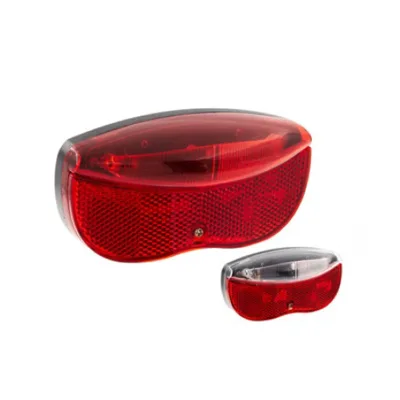


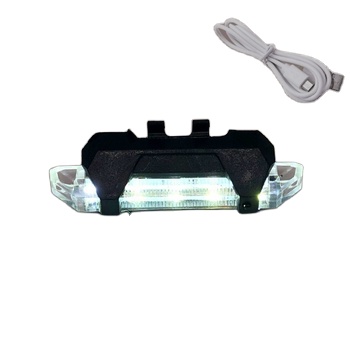
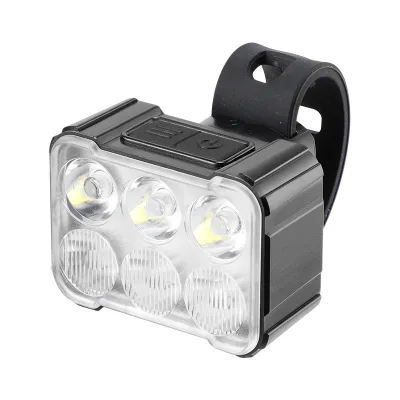
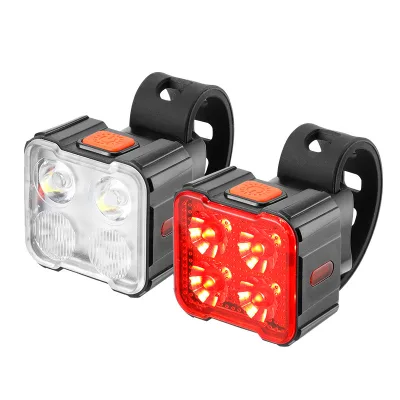

Comprehensive Sourcing Guide
Rechargeable IPX6 Bicycle Light Sourcing Guide
Procurement teams must first distinguish between general rechargeable bicycle lights and those specifically engineered for IPX6 water resistance, as the supplied data reveals a mix of IPX5 and IPX6 ratings across different models. While some listed units offer IPX5 protection suitable for light rain, the core keyword demands verification of IPX6 capabilities, which withstand powerful water jets, a critical distinction for riders in heavy downpours or those washing equipment frequently. Buyers should scrutinize product titles and technical sheets to ensure the specific unit selected matches the high-water-resistance requirement rather than assuming all rechargeable lights in the category share this robustness.
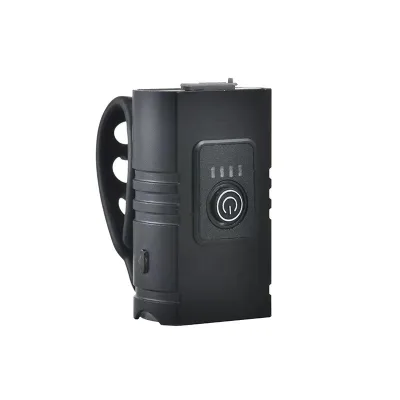
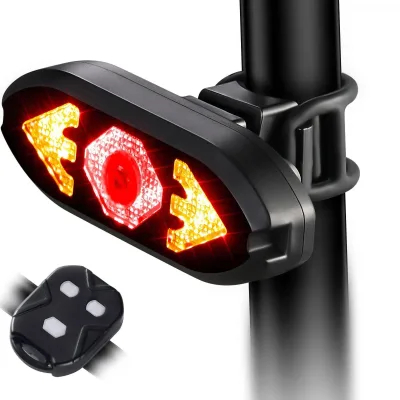
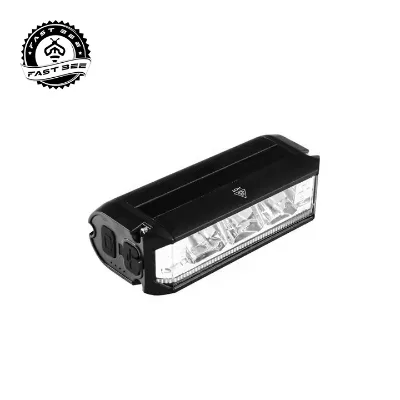
The observed product range includes diverse applications such as camping, hunting, night riding, and caving, indicating that these lights are designed for rugged, multi-environment use beyond standard commuting. However, the supply data shows variations in battery capacity and lumen output, with some models offering 130 lumens while others reach 600 lumens, necessitating a clear definition of performance needs before selection. Sourcing strategies must align the specific usage scenario with the observed technical attributes, ensuring that the chosen light provides sufficient brightness and runtime for the intended activity without overpaying for unnecessary features.
Product Scope and Observed Listing Signals
The current market listings for rechargeable bicycle lights display a wide spectrum of customization options, with many suppliers offering make-to-order services and custom packaging solutions. Buyers will encounter products labeled as "Custom-made" or featuring specific model numbers like LWBIL-100-1 and ML-B007, which suggests a flexible supply chain capable of adapting to specific branding or functional requirements. This variability allows procurement teams to source lights that fit precise aesthetic or functional niches, but it also requires careful validation to ensure the custom specifications do not compromise the core IPX6 water resistance or battery safety.
Listing signals indicate that materials range from ABS plastic with COB LED chips to aluminum alloy and PC combinations, directly influencing durability and heat dissipation. The observed weight differences, from 24 grams to 130 grams, reflect these material choices and the intended position of the light, whether as a front or rear unit. Procurement decisions should weigh the trade-off between lightweight portability and the structural integrity provided by heavier alloys, ensuring the selected product remains secure on the bicycle frame during the demanding conditions of night riding or caving.
Technical Specifications to Verify
Verification of the battery system is paramount, as the supplied data shows capacities ranging from 150mAh to 1500mAh, which drastically alters the working time and overall utility of the device. While some models list a working time of only 1-2 hours, others imply longer durations through higher capacity batteries, requiring buyers to calculate the actual runtime needed for their specific riding schedules. It is essential to confirm the battery chemistry and charging cycle life, as the rechargeable nature of these lights makes long-term reliability dependent on the quality of the internal power cells rather than just the initial capacity rating.
Light output and waterproofing ratings must be cross-referenced with the specific model's certification, as the data includes both IPX5 and IPX6 ratings alongside varying lumen outputs. Buyers should demand test reports confirming the IPX6 rating for the specific unit, as the presence of an IPX5 model in the same catalog does not guarantee the higher standard for all variants. Additionally, the lighting modes, such as strong brightness, slight brightness, and strobe, should be tested to ensure they function reliably under the stress of water exposure, maintaining visibility and safety signals in adverse weather conditions.
Compliance and Safety Documentation
Compliance documentation for these lights often includes certifications like CE, BSCI, and ISO standards, which are visible in the provided product attributes. However, the specific certification codes vary, with some listings showing "ISOEEC" or "ISOCE," indicating potential inconsistencies in how standards are reported or applied across different suppliers. Procurement teams must request the actual certificate documents to verify that the IPX6 rating and electrical safety meet the regulatory requirements of the target market, rather than relying solely on the abbreviated labels found in the product title or description.
Safety regarding the battery and electrical components is critical, especially given the diverse materials and power supplies observed in the listings. Buyers should ensure that the lithium-ion or other battery types used in these rechargeable lights comply with international transport and safety standards to prevent overheating or failure during operation. The presence of certifications like BSCI suggests adherence to social compliance, but electrical safety certifications must be explicitly confirmed to mitigate risks associated with high-current charging and potential water ingress in the IPX6 rated units.
Cost Drivers and Commercial Terms
Cost structures for rechargeable bicycle lights are heavily influenced by the material composition, with aluminum alloy and PC models generally commanding higher prices than ABS plastic alternatives. The observed price range of 0.2 to 45 USD reflects this disparity, driven by factors such as the lumen output, battery capacity, and the complexity of the waterproofing engineering required to achieve an IPX6 rating. Buyers must analyze the cost per unit against the expected lifespan and performance to determine the true value, avoiding the trap of selecting the lowest price option if it compromises the essential water resistance or battery longevity.
Commercial terms such as MOQ and lead times vary significantly, with observed MOQs ranging from 1 to 3000 units and supply types ranging from stock to make-to-order. The customization options, including custom packaging and branding, often introduce additional costs and extended lead times that must be factored into the procurement budget and timeline. Procurement teams should negotiate clear terms regarding the customization process, ensuring that the added value of branding or specific technical modifications does not result in unexpected delays or quality inconsistencies in the final delivered goods.
Supplier Qualification and Quality Control
Supplier qualification should focus on verifying the consistency of their manufacturing processes, particularly regarding the assembly of waterproof seals and battery integration. The observed data shows multiple product models with different certifications and standards, suggesting that a single supplier may offer a wide range of quality tiers. Buyers must implement a rigorous quality control plan that includes pre-shipment inspections to verify the IPX6 rating and battery performance, ensuring that the specific units ordered match the high standards required for professional or serious recreational use.
Quality control measures must also address the variability in product attributes, such as the difference in net weight and dimensions across different models. Since the supply data indicates a mix of standard export packages and custom paper bags, the packaging itself must be evaluated for its ability to protect the lights during transit without compromising the waterproof seals. Establishing a clear quality agreement with the supplier that defines acceptable tolerances for weight, size, and performance metrics is essential to maintain consistency across large orders and prevent the receipt of substandard units.
Long-Term Procurement Checks
Long-term procurement success depends on establishing a reliable supply chain that can consistently deliver IPX6-rated lights with stable battery performance over time. Buyers should monitor the supplier's ability to maintain the specific certifications and material standards observed in the initial order, as changes in sourcing or manufacturing processes can lead to a degradation in product quality. Regular audits and performance reviews are necessary to ensure that the supplier continues to meet the rigorous demands of the rechargeable bicycle light market, particularly regarding water resistance and electrical safety.
Sustainability and after-sales support are critical components of a long-term strategy, as the rechargeable nature of these lights requires reliable access to replacement batteries or charging accessories. Procurement teams should verify the supplier's commitment to providing technical support and warranty coverage for the IPX6 rating and battery life, ensuring that any failures are addressed promptly. Building a partnership based on transparent communication and shared quality goals will help mitigate risks and ensure a steady supply of high-performance bicycle lights for ongoing business needs.
FAQs
What certifications are available for rechargeable ipx6 bicycle light products?
Available certifications include CE, BSCI, and ISOEEC. These standards ensure compliance with international safety and quality requirements. Buyers can verify specific documentation from suppliers to confirm that the products meet the necessary regulatory frameworks for their target markets.
Can I customize the packaging for rechargeable ipx6 bicycle light orders?
Yes, customization is available for packaging. Options include standard export packages, custom paper bags, or cartons. Suppliers offer flexible packaging solutions to meet specific branding or logistical needs, ensuring the products are protected during transit while aligning with your commercial requirements.
What is the typical MOQ for rechargeable ipx6 bicycle light manufacturing?
The minimum order quantity ranges from 1 to 3000 units. This wide range accommodates both small trial orders and large-scale production runs. Buyers can negotiate specific MOQs based on their volume requirements and the supplier's production capacity and current inventory status.
Which materials are used in rechargeable ipx6 bicycle light construction?
Common materials include ABS, COB LED chips, aluminum alloy, PP, and PC. These materials provide durability and lightweight properties. The combination ensures the lights are robust for outdoor use while maintaining efficient heat dissipation and structural integrity for long-term reliability.
How does the IPX6 rating affect rechargeable ipx6 bicycle light performance?
The IPX6 rating indicates strong waterproof protection against powerful water jets. This ensures the lights remain functional in heavy rain or wet conditions. It is essential for outdoor cycling safety, preventing water ingress that could damage the internal battery and LED components.
What power supply options exist for rechargeable ipx6 bicycle light models?
These lights use battery power supply with capacities like 150mAh or 800mAh. Some models feature 1500mAh batteries for extended usage. The rechargeable design allows for convenient power management, ensuring consistent brightness and reliability during rides without the need for disposable batteries.