Source Recyclable Glass Nail Polish Bottle for Cosmetics, Home, Daily Use
Compare 30 listings of Recyclable Glass Nail Polish Bottle from verified suppliers in China. Options include 1ml to 300ml capacities with screw caps and various shapes for cosmetics, personal care, and daily use applications.
Key considerations
Products List


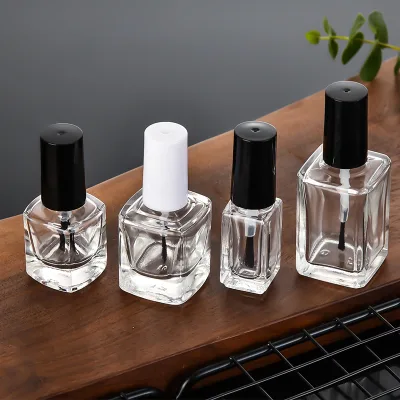
16ml Glass Nail Polish Bottles, Refillable Transparent Nail Polish Bottle
$0.30 - $0.36
MOQ: 30000 Pieces


Empty Nail Polish Bottles, Refillable Glass Nail Polish Containers Bottles
$0.30 - $0.36
MOQ: 30000 Pieces


10ml Empty Nail Polish Bottle, Glass Nail Polish Gel Bottle with Brush
$0.18 - $0.20
MOQ: 30000 Pieces


Nail Polish Bottle Nail Polish Empty Bottle Nail Art Bottle Gel Glass Bottle
$0.29 - $0.46
MOQ: 20000 Pieces


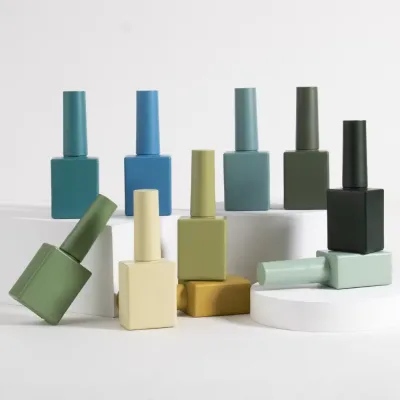


$0.14 - $0.23
MOQ: 5000 Pieces


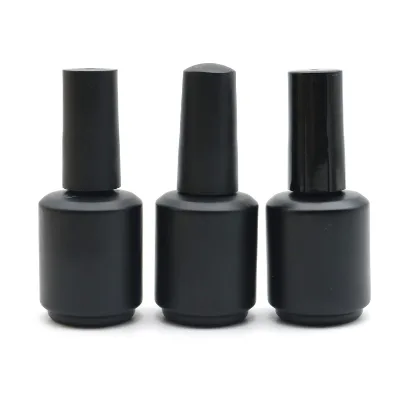
Comprehensive Sourcing Guide
Strategic Sourcing Guide for Recyclable Glass Nail Polish Bottles
Understanding Material Composition and Technical Specifications
When sourcing recyclable glass nail polish bottles, the primary focus must be on the fundamental material properties that ensure both sustainability and functional integrity. The core material identified in available product data is glass, specifically categorized under types such as "Melt Glass" and "Crystallized Glass." These distinctions are critical for procurement teams, as they influence the thermal resistance, clarity, and structural durability of the final container. Melt glass typically offers a robust structure suitable for standard cosmetic applications, while crystallized glass may provide enhanced optical clarity or specific aesthetic finishes required for premium branding.
The physical specifications of these bottles vary significantly across the market, necessitating a precise definition of requirements before engaging with suppliers. Available data indicates a wide range of capacities, with specific models ranging from 1ml to 300ml. Common configurations observed include 9ml, 5ml, and ranges spanning 3ml to 12ml or 1ml to 10ml. For nail polish applications, the 5ml to 10ml range is particularly prevalent, though larger formats up to 300ml exist for broader cosmetic use. The shape of the bottle is another decisive factor; the market offers both "Round Bottle" and "Square Bottle" profiles. Round bottles are often preferred for their ergonomic grip and traditional aesthetic, while square bottles may offer better shelf stability and a modern, minimalist look.
Sealing mechanisms are equally vital for preventing leakage and maintaining product viscosity. The standard sealing type observed is the "Screw Cap," which provides a reliable barrier against evaporation and contamination. Buyers must verify that the cap threading matches the bottle neck specifications exactly to ensure a secure fit. Additionally, the presence or absence of handles is a specific attribute to note; the majority of nail polish bottles in this category are supplied "without Handle," aligning with the standard design for small-volume cosmetic containers. The color options also vary, with "Transparent" and "Multi-Colored" finishes available, allowing brands to select packaging that aligns with their visual identity.
Compliance, Certification, and Regulatory Standards
Navigating the regulatory landscape is a non-negotiable aspect of sourcing glass packaging for cosmetics and personal care products. The safety and legality of the supply chain depend heavily on the certifications held by the manufacturer. Data indicates that compliant suppliers often possess a suite of certifications including ISO, GMPC (Good Manufacturing Practice for Cosmetics), MSDS (Material Safety Data Sheet), FDA, and GMP. These certifications are not merely marketing labels but represent adherence to rigorous quality management systems and safety standards.
ISO certification, specifically noted in the context of product properties, suggests that the manufacturing process meets international standards for quality assurance. GMPC is particularly relevant for cosmetic applications, ensuring that the production environment maintains hygiene levels suitable for products applied to the skin. The presence of an MSDS document is essential for logistics and safety, detailing the chemical composition and handling requirements of the materials used. Furthermore, FDA compliance indicates that the materials are suitable for use in products regulated by the U.S. Food and Drug Administration, a critical benchmark for brands targeting the North American market.
Buyers must also consider the origin of the products when evaluating compliance. The supply chain data points to origins in China, specifically regions like Yiyuan and Guangxi. While these regions are established manufacturing hubs, the specific location can influence the type of regulatory oversight applied. Suppliers should be able to provide documentation proving that their glass and cap materials meet the specific import regulations of the destination country. For instance, if the product is destined for the European Union, additional REACH compliance might be required, which should be verified directly with the supplier rather than assumed based on general certifications.
Cost Drivers and Economic Factors in Procurement
The economics of sourcing glass nail polish bottles are influenced by a complex interplay of material costs, production volumes, and logistical parameters. The observed price range for these products is notably low, ranging from 0 to 1.3 USD per unit. However, this figure must be interpreted with caution, as it likely represents unit costs at specific volume tiers rather than a flat retail price. The Minimum Order Quantity (MOQ) is a significant cost driver, with observed ranges spanning from 100 units to 100,000 units.
For small to medium-sized enterprises, the high end of the MOQ spectrum can present a barrier to entry. A standard MOQ of 20,000 pieces, as seen in specific product listings, requires substantial capital investment and storage capacity. Conversely, suppliers offering lower MOQs, such as 100 units, may charge a higher per-unit price to cover the setup costs of smaller production runs. Buyers must calculate the total landed cost, which includes the unit price, shipping, and potential tariffs, to determine the true economic viability of a supplier.
Customization is another factor that impacts pricing. The availability of customization options allows brands to tailor the bottle shape, color, and labeling to their specific needs. However, custom molds and specialized color formulations often incur additional tooling fees and higher MOQs. The packing method also plays a role in cost efficiency; options include "Carton," "Cartons and Pallets," or "Standard Export Carton." Efficient palletization can reduce shipping costs per unit, but it requires careful planning to maximize container space. Buyers should request detailed cost breakdowns that separate the base unit cost from customization fees and packaging charges to ensure transparency in their budgeting.
Typical Applications and Functional Use Cases
The versatility of recyclable glass nail polish bottles extends beyond simple storage, serving various functional roles in the cosmetics and personal care industry. The primary application identified is for "Cosmetics" and "Personal Care Products," with specific suitability for nail polish formulations. The glass material provides an inert barrier that prevents chemical reactions between the bottle and the product, preserving the integrity of the nail polish and preventing degradation over time.
Beyond nail polish, these bottles are applicable for "Daily Use" and "Home" care products. The "Round Bottle" and "Square Bottle" designs accommodate a wide range of liquid viscosities, from thin solvents to thicker creams. The "Screw Cap" sealing type ensures that products remain secure during transport and storage, making them ideal for distribution networks that may involve multiple handling points. The "Transparent" and "Multi-Colored" options allow for brand differentiation, enabling companies to use packaging as a key element of their marketing strategy.
The "Main Ingredient" compatibility is another consideration. While the bottles are designed for general cosmetic use, the data mentions compatibility with "Mineral," "Chemical," and "Herbal" ingredients. This suggests that the glass is chemically resistant to a broad spectrum of cosmetic formulations. However, buyers should verify the specific chemical resistance of the glass type (Melt vs. Crystallized) against their unique product formulations to ensure long-term stability. The "Without Handle" design is standard for these applications, as the small volume of nail polish does not require the structural support of a handle, keeping the design sleek and focused on the product itself.
Supplier Evaluation and Sourcing Strategy
Evaluating potential suppliers requires a systematic approach that goes beyond surface-level product listings. Buyers should prioritize suppliers who demonstrate transparency in their production capabilities and quality control processes. The presence of specific certifications like ISO, GMPC, and FDA is a strong indicator of a supplier's commitment to quality. However, buyers must verify the validity of these certifications by requesting current copies of the documents rather than relying on claims made on product pages.
The origin of the product is a critical factor in supplier evaluation. Suppliers located in Yiyuan and Guangxi, China, represent established manufacturing clusters. Buyers should assess the logistical capabilities of these suppliers, including their ability to handle "Standard Export Carton" packing and their experience with international shipping. The ability to provide "Cartons and Pallets" suggests a capacity for bulk shipping, which is essential for large-scale procurement.
Customization capabilities are another key differentiator. Suppliers offering "Available" customization can help brands stand out in a crowded market. Buyers should inquire about the lead times for custom orders and the minimum quantities required for non-standard specifications. The range of models available, from specific codes like "UW-C045-006" to generic ranges like "2ml-300ml," indicates the breadth of a supplier's inventory. A supplier with a diverse catalog may offer more flexibility in sourcing, allowing buyers to mix and match different bottle sizes and shapes to meet varying product lines.
Quality Control and Long-Term Procurement Considerations
Ensuring consistent quality is paramount in the procurement of glass packaging. Buyers should implement a robust quality control (QC) protocol that includes pre-production samples, in-process inspections, and final random checks. The "Glass Type" and "Sealing Type" must be verified against the agreed-upon specifications to prevent issues such as leakage or breakage during transit. The "Standard" specifications, such as "9ml" or "1ml-10ml," should be strictly adhered to, with any deviations requiring immediate supplier notification and resolution.
Long-term procurement considerations involve building a sustainable supply chain. The recyclability of the glass material is a significant advantage, aligning with global sustainability trends. Buyers should verify the supplier's recycling practices and the recyclability of the packaging materials used, such as "Carton" and "Pallet" components. The "Main Ingredient" compatibility and the inert nature of the glass ensure that the product remains safe and effective throughout its shelf life, reducing the risk of returns and customer complaints.
Lead times and production capacity are also critical for long-term planning. While specific lead times are not provided in the data, buyers should establish clear timelines for production and delivery to avoid stockouts. The ability to scale production, indicated by the wide range of MOQs from 100 to 100,000 units, allows buyers to adjust their orders based on demand fluctuations. Finally, maintaining a strong relationship with the supplier can facilitate better pricing, priority production, and faster resolution of any quality issues that may arise.
Comparative Analysis of Product Attributes
To facilitate decision-making, the following table summarizes key attributes observed in the market for recyclable glass nail polish bottles. This comparison highlights the variability in specifications and helps buyers identify the features that best match their needs.
| Attribute Category | Observed Options | Relevance to Nail Polish |
|---|---|---|
| Glass Type | Melt Glass, Crystallized Glass | Determines clarity and durability; Crystallized may offer premium finish. |
| Capacity Range | 1ml to 300ml (Common: 5ml, 9ml, 10ml) | 5ml-10ml is standard for nail polish; larger sizes for broader use. |
| Shape | Round Bottle, Square Bottle | Round for ergonomics; Square for shelf stability and modern look. |
| Sealing Type | Screw Cap | Essential for preventing evaporation and leakage. |
| Color Options | Transparent, Multi-Colored | Allows for brand alignment and visual differentiation. |
| Certifications | ISO, GMPC, FDA, MSDS, GMP | Critical for regulatory compliance and market access. |
| Origin | China (Yiyuan, Guangxi) | Indicates established manufacturing hubs with specific logistics. |
| Customization | Available | Enables brand-specific designs and unique market positioning. |
| Packing | Carton, Cartons and Pallets | Affects shipping efficiency and cost per unit. |
| Application | Daily Use, Home, Cosmetics, Personal Care | Confirms suitability for nail polish and related products. |
This structured approach to sourcing ensures that buyers can make informed decisions based on verified data and industry best practices. By focusing on material quality, regulatory compliance, and supplier reliability, procurement teams can secure a steady supply of high-quality recyclable glass nail polish bottles that meet both functional and sustainability goals.
FAQs
What certifications do Recyclable Glass Nail Polish Bottle manufacturers hold?
Compliant manufacturers often hold ISO, GMPC, MSDS, FDA, and GMP certifications. These credentials ensure adherence to quality management systems and safety standards required for cosmetic applications, particularly for products entering regulated markets like the US or EU.
Which glass types are available for nail polish packaging?
The market offers Melt Glass and Crystallized Glass types. Melt glass provides robust structural durability suitable for standard applications, while Crystallized Glass may offer enhanced optical clarity or specific aesthetic finishes required for premium branding strategies.
Can buyers customize the shape and color of these bottles?
Yes, customization is available for shape, color, and labeling. Buyers can select from Round or Square Bottle profiles and Transparent or Multi-Colored finishes, though custom molds and specialized formulations often require higher minimum order quantities and additional tooling fees.
What is the typical minimum order quantity for these bottles?
Minimum order quantities range widely from 100 to 100,000 units depending on the supplier. Some listings specify a standard MOQ of 20,000 pieces, while others may accommodate smaller runs at a potentially higher per-unit cost to cover setup expenses.
How are these bottles typically packed for export?
Bottles are packed in Cartons, Cartons and Pallets, or Standard Export Cartons. Efficient palletization is available for bulk shipping to reduce costs, but buyers must plan carefully to maximize container space and ensure secure transit of the glass items.
Where are these glass bottles manufactured?
Products originate from manufacturing hubs in China, specifically regions like Yiyuan and Guangxi. These established clusters offer varying logistical capabilities, and buyers should verify the specific origin to understand the regulatory oversight and shipping timelines associated with the supply chain.
What sealing types are used for nail polish bottles?
The standard sealing type observed is the Screw Cap. This mechanism provides a reliable barrier against evaporation and contamination, ensuring product integrity during transport, provided the cap threading matches the bottle neck specifications exactly for a secure fit.