Source Recyclable Glass Wine Bottle for Beverages, Wines, and Liquor
Compare 30 listings for Recyclable Glass Wine Bottle options featuring round and square shapes with capacities from 8 to 64 oz. Buyers can evaluate customization, certifications like ISO9001 and FDA, and packaging details from Chinese manufacturers.
Key considerations
Products List


750ml Glass Wine Bottles Wholesale 750ml Glass Bottle Manufacturer Wholesale Glassware
$0.25 - $0.50
MOQ: 6000 Pieces


High Quality Bottle Empty Glass Clear Wine Bottle, Bottle 750ml Glass for Wine
$0.25 - $0.50
MOQ: 6000 Pieces


Good Quality Recyclable Glass Bottle 700ml Glass Wine Liquor Spirit Brandy Bottles
$0.42 - $0.49
MOQ: 6000 Pieces


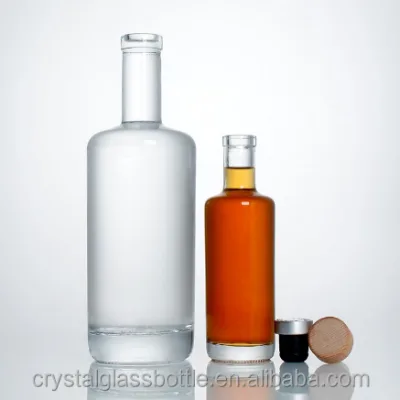

200ml Glass Wine Bottles, Fruit Wine Bottles, Home-Brewed Wine Bottles
$0.30 - $0.37
MOQ: 30000 Pieces

Frosted Round Glass Wine Bottle for Craft Wine with Recyclable Material
$0.19 - $0.31
MOQ: 30000 Pieces


Large Capacity Glass Wine Bottle for Whiskey with Durable Pack Standard
$0.21 - $0.31
MOQ: 30000 Pieces
Comprehensive Sourcing Guide
Recyclable Glass Wine Bottle Sourcing Guide
Sourcing recyclable glass wine bottles requires a disciplined approach that balances aesthetic customization with rigorous technical verification. The global market for glass packaging is characterized by a wide variance in supplier capabilities, ranging from standardized mass production to highly tailored OEM solutions. Buyers must navigate this landscape by focusing on observable listing signals, verifying critical technical specifications, and ensuring strict compliance with food safety standards. This guide provides a structured framework for evaluating suppliers and products, ensuring that procurement decisions are grounded in verified data rather than marketing claims.
The following sections detail the essential steps for sourcing high-quality glass wine bottles. Each section is designed to help procurement professionals make informed decisions regarding product scope, technical requirements, compliance, cost structures, supplier qualification, and long-term supply chain resilience. By adhering to these guidelines, buyers can mitigate risks associated with quality inconsistencies, regulatory non-compliance, and logistical inefficiencies.
Product Scope and Observed Listing Signals
The observed product landscape for recyclable glass wine bottles reveals a diverse range of options tailored to different market segments. Listings indicate a strong emphasis on customization, with suppliers offering OEM and ODM services to accommodate specific brand identities. Common attributes include round and square bottle shapes, with capacities ranging from 8-16 oz to 33-64 oz, and specific models such as 750ml and 2500ML variants. The material is consistently identified as glass, often specified as super flint glass, which is prized for its clarity and ability to protect contents from light degradation.
Visual and functional attributes also play a crucial role in product selection. Many listings highlight clear glass bodies with push button lids or rubber stoppers, catering to both wine and beverage applications. Customization extends to surface treatments, with decal crafts and logo customization being frequently offered. Packaging methods vary, including carton, pallet, and customized options with shrinkage wrap or dividers, reflecting the need for secure transportation. These signals suggest that buyers have access to a flexible supply chain capable of supporting both standard and bespoke packaging requirements.
Technical Specifications to Verify
Verifying technical specifications is paramount to ensuring that the glass bottles meet the functional and aesthetic requirements of the final product. Buyers should confirm the exact model numbers, such as Z-008 or GB-820, and ensure that the volume capacities align with regulatory labeling requirements for wine and beverages. The sealing type is a critical technical detail, with options including rubber stoppers, corks, and push button lids. Each sealing method has distinct implications for product preservation, shelf life, and consumer experience, necessitating careful selection based on the specific beverage type.
Material composition and structural integrity must also be rigorously assessed. While listings often specify super flint glass, buyers should verify the thickness, weight, and dimensional tolerances of the bottles to prevent breakage during filling and transportation. The production time, typically ranging from 25-30 days, should be factored into supply chain planning to avoid stockouts. Additionally, the availability of customized weights and shapes allows for unique branding opportunities, but these customizations may impact production efficiency and cost. Buyers must balance these customization desires with practical manufacturing constraints.
Compliance and Safety Documentation
Compliance with international safety and quality standards is non-negotiable for glass wine bottle procurement. Listings frequently mention certifications such as ISO9001 and FDA approval, which are essential indicators of a supplier’s commitment to quality management and food safety. Buyers must request and verify these certifications directly with the issuing bodies to ensure their validity. The FDA certification, in particular, is crucial for products intended for the US market, as it ensures that the glass materials do not leach harmful substances into the beverage.
Beyond certifications, buyers should inquire about specific test results and compliance with regional regulations. For instance, European markets may require compliance with REACH regulations, while other regions may have specific labeling requirements for alcohol content and origin. Suppliers should provide documentation demonstrating that their products meet these diverse regulatory frameworks. Additionally, the use of premium quality glass and adherence to strict production standards can further enhance product safety and consumer trust. Buyers must ensure that all compliance documentation is up-to-date and readily available for audit purposes.
Cost Drivers and Commercial Terms
Understanding the cost drivers and commercial terms is essential for effective budgeting and negotiation. The observed price range for recyclable glass wine bottles varies significantly, influenced by factors such as customization, volume, and packaging requirements. Minimum Order Quantities (MOQs) typically range from 50,000 to 200,000 pieces, reflecting the economies of scale inherent in glass manufacturing. Buyers with lower volume requirements may face higher per-unit costs or need to negotiate flexible MOQ terms with suppliers.
Payment methods and shipping options also impact the overall cost structure. Common payment methods include T/T, Western Union, and PayPal, each with its own transaction fees and security implications. Shipping can be arranged by sea or air, with sea freight being more cost-effective for large volumes but requiring longer lead times. Buyers should carefully evaluate these commercial terms to optimize their total cost of ownership. Additionally, the availability of customized packaging and branding services may incur additional costs, which should be factored into the final price negotiation.
Supplier Qualification and Quality Control
Supplier qualification is a critical step in mitigating supply chain risks. Buyers should conduct thorough due diligence on potential suppliers, verifying their production capabilities, quality control processes, and financial stability. The acceptance of OEM and ODM services indicates a supplier’s flexibility and technical expertise, but buyers must ensure that these services are delivered with consistent quality. Requesting samples and conducting factory audits can provide valuable insights into the supplier’s operational standards and commitment to quality.
Quality control measures should be clearly defined and enforced throughout the production process. Buyers should establish clear acceptance criteria for product defects, such as cracks, bubbles, or dimensional inaccuracies. Implementing a robust inspection regime, including pre-shipment inspections, can help identify and rectify issues before products leave the factory. Additionally, suppliers should provide a clear warranty or return policy for defective products, ensuring that buyers are protected against quality failures. Building a strong relationship with suppliers based on transparency and mutual trust can further enhance quality assurance efforts.
Long-Term Procurement Checks
Long-term procurement success depends on continuous monitoring and evaluation of supplier performance. Buyers should establish key performance indicators (KPIs) to track metrics such as on-time delivery, product quality, and responsiveness to issues. Regular performance reviews can help identify areas for improvement and foster a collaborative relationship with suppliers. Additionally, staying informed about market trends and technological advancements in glass packaging can help buyers remain competitive and innovative.
Sustainability is increasingly becoming a key factor in long-term procurement strategies. Buyers should prioritize suppliers who demonstrate a commitment to environmental responsibility, such as using recycled materials and implementing energy-efficient production processes. The recyclability of glass wine bottles aligns with global sustainability goals, offering a competitive advantage in markets where consumers value eco-friendly products. By integrating sustainability into their procurement strategies, buyers can contribute to a more sustainable supply chain while meeting consumer expectations.
FAQs
What certifications do the glass wine bottles have?
The bottles hold ISO9001 and FDA certifications to ensure safety and quality standards. Some listings specifically mention FDA compliance for beverage use, while others highlight ISO9001 for manufacturing processes. These certifications apply to the clear glass bottles used for wines and beverages.
Can I customize the bottle shape and capacity?
Yes, customization is available for shape, capacity, and logo design. Buyers can choose between round or square bottle shapes with capacities ranging from 8 to 64 ounces. The standard models include specific volumes like 750ml, but custom specifications are also accepted for unique requirements.
What is the minimum order quantity for these bottles?
The minimum order quantity varies significantly depending on the specific product model and customization level. Observed MOQs range from 500 units up to 200,000 units, with some standard listings requiring 10,000 pieces or 50,000 pieces. Buyers should verify the exact MOQ for their selected capacity and design.
How are the glass bottles packaged for shipping?
Packaging typically involves cartons placed on pallets, often with shrink wrap or dividers for protection. Some options include customized packing solutions to meet specific logistics needs. The standard method ensures safe transport via sea or air freight from the manufacturing origin in China.
What sealing types are available for these bottles?
Available sealing types include rubber stoppers, corks, and push button lids depending on the bottle model. The choice of seal depends on the intended use for beverages or wines. Buyers can select the appropriate closure to ensure product freshness and compatibility with their specific bottling line.
What is the production lead time for orders?
The standard production time is approximately 25 to 30 days after order confirmation. This timeline applies to the manufacturing of the glass bottles from the factory in China. Lead times may vary based on the complexity of customization and the total order volume requested by the buyer.
Which payment methods are accepted for these orders?
Accepted payment methods include T/T, Western Union, and PayPal for transaction security. These options provide flexibility for international buyers sourcing glass bottles from China. Buyers should confirm the specific payment terms with the supplier before finalizing the purchase agreement for their order.