Source Refined Lithium Aluminum Hydride for Synthesis, Reducing, and Chemical Industry
Find 30 listings for Refined Lithium Aluminum Hydride with varying purity, packaging, and specifications. Buyers can compare industrial-grade intermediates suitable for synthesis materials and reducing reagent applications across multiple suppliers in China.
Key considerations
Products List




Comprehensive Sourcing Guide
Strategic Sourcing Guide for Refined Lithium Aluminum Hydride
The procurement of Refined Lithium Aluminum Hydride (LiAlH4) represents a critical decision point for chemical manufacturers, pharmaceutical developers, and industrial laboratories. As a potent reducing agent, this synthesis material intermediate is indispensable for complex organic synthesis, yet its handling requires rigorous adherence to safety and quality protocols. The market landscape for this commodity is characterized by a diverse array of suppliers, varying purity grades, and specific packaging requirements. Buyers must navigate a complex matrix of technical specifications, regulatory certifications, and logistical constraints to ensure a secure supply chain. This guide provides a comprehensive framework for evaluating potential sources, interpreting product data, and mitigating risks associated with the acquisition of this high-reactivity chemical.
Technical Specifications and Physical Properties
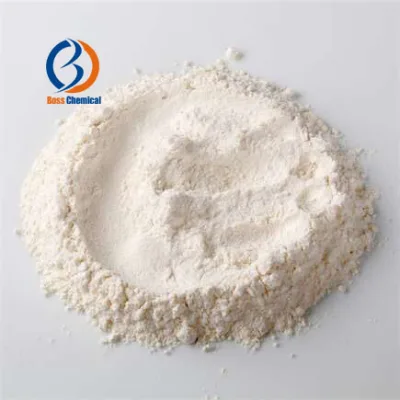
Understanding the precise physical and chemical attributes of lithium aluminum hydride is the first step in any sourcing strategy. The product is typically observed as a white powder or solid state material, which aligns with standard industrial descriptions of the refined grade. Buyers should verify the state of the material upon receipt, as moisture sensitivity is a defining characteristic of this compound. The observed market data indicates that purity levels are a primary differentiator, with common specifications citing values greater than 97% or up to 99%. These figures are not merely marketing claims but critical parameters that dictate the efficacy of the reducing agent in downstream reactions.
The molecular weight of the substance is a fixed constant, often cited around 37.95 g/mol in technical literature, which serves as a baseline for stoichiometric calculations in production. However, physical constants such as melting and boiling points can vary based on the specific grade and the presence of stabilizers or impurities. Some product listings indicate a melting point near 125°C, while others note decomposition at this temperature. The boiling point is frequently listed as 0°C in certain contexts, which may reflect specific testing conditions or data entry conventions rather than a standard atmospheric boiling point. Density values observed in the market range from 0.82 to 0.97 g/mL, depending on the specific formulation and temperature conditions, such as measurements taken at 20°C or 25°C.
Buyers must also scrutinize the CAS registry numbers associated with the product. While the core substance is often identified by specific CAS identifiers, variations in listing may occur. For instance, some records reference CAS 16853-85-3, while others may list different identifiers depending on the specific intermediate or derivative being sold. It is essential to cross-reference these numbers with the intended application to ensure the correct chemical entity is being procured. The flash point is another critical safety parameter, with some data points suggesting values around 99°C, though the reactivity of the material often necessitates strict storage controls regardless of the reported flash point.
Compliance, Certification, and Regulatory Standards
In the chemical industry, compliance is not optional; it is a prerequisite for market entry and operational safety. Suppliers of Refined Lithium Aluminum Hydride are expected to hold robust certifications that validate their quality management systems. The most prominent certifications observed in the sector include Good Manufacturing Practice (GMP) and ISO standards. GMP certification is particularly vital for buyers in the pharmaceutical and fine chemical sectors, as it ensures that the production environment meets stringent hygiene and process control requirements. ISO certification, often paired with GMP, indicates adherence to international management system standards, providing a layer of assurance regarding consistency and traceability.
The grade standard of the product is another critical compliance factor. Industrial grade materials are the most common, designed for large-scale chemical synthesis where absolute pharmaceutical purity may not be the primary driver. However, buyers must verify if the product meets specific national or international standards, such as those denoted by "Industrial Grade" or specific purity percentages like 97% or 99%. The absence of a clear grade standard in a product listing should trigger a request for detailed documentation from the supplier. Furthermore, the origin of the product plays a role in regulatory compliance. Products originating from regions like Jiangsu or Shandong in China are common, but buyers must ensure that the export documentation aligns with the import regulations of their own jurisdiction.
Cost Drivers and Pricing Dynamics
The pricing of Refined Lithium Aluminum Hydride is influenced by a complex interplay of factors, including raw material costs, production scale, and packaging requirements. The observed market price range is exceptionally wide, spanning from as low as $0.32 to as high as $800 per unit. This disparity is not indicative of the chemical itself but rather reflects differences in quantity, purity, packaging, and the specific commercial terms of the transaction. A unit price at the lower end of the spectrum typically corresponds to bulk industrial purchases with minimal packaging, whereas prices at the higher end may reflect small-quantity, high-purity, or specialized packaging scenarios.
Minimum Order Quantity (MOQ) is a significant driver of effective unit cost. The market data shows an MOQ range from 1 unit to 5,000 units. For buyers requiring small quantities for research and development, the per-unit cost will naturally be higher due to the fixed costs of handling and packaging. Conversely, large-scale industrial buyers can leverage economies of scale by meeting higher MOQ thresholds, thereby reducing the effective cost per kilogram. Buyers should also consider the packaging format, as options range from 1kg bags or cans to 25kg drums. The choice of packaging can impact both the initial cost and the logistics expenses associated with storage and transport.
Typical Applications and Usage Scenarios
The primary application of Refined Lithium Aluminum Hydride is as a reducing reagent in the chemical industry. Its high reactivity makes it ideal for the reduction of carboxylic acids, esters, amides, and aldehydes to their corresponding alcohols. This capability is fundamental in the synthesis of complex organic molecules, particularly in the pharmaceutical and agrochemical sectors. The product is specifically noted as suitable for adult use in industrial contexts, implying that it is intended for professional handling by trained personnel rather than consumer applications.
The versatility of the material extends to various synthesis pathways where precise control over reduction reactions is required. As a synthesis material intermediate, it serves as a building block for more complex compounds. Buyers should evaluate their specific process requirements against the product's stated application. For instance, if a process requires a specific purity level to avoid side reactions, the 97% or 99% purity grades become essential. The product's suitability for industrial use underscores the need for robust safety protocols and waste management strategies, as the byproducts of LiAlH4 reduction can be hazardous.
Supplier Evaluation and Quality Control
Selecting the right supplier requires a rigorous evaluation process that goes beyond price comparison. Buyers should prioritize suppliers who provide transparent technical data sheets and clear specifications. Key attributes to verify include the test method used for purity determination, such as High-Performance Liquid Chrometry (HPLC), which is a standard and reliable method for analyzing chemical purity. The presence of a specific brand name, such as Biohorlden, may indicate a manufacturer with a track record of quality, but buyers should not rely solely on brand recognition without verifying the underlying quality control measures.
Quality control should be an integral part of the procurement contract. Buyers must ensure that the supplier offers batch-to-batch consistency, which is critical for maintaining product quality in large-scale operations. The observation of "Refined" quality in product listings suggests a higher level of processing, but this should be confirmed through independent testing or third-party verification. Additionally, the customization options available from suppliers can be a deciding factor. While some products are listed as non-customized, others may offer tailored specifications, such as specific packaging sizes or purity levels, to meet unique operational needs.
Packaging, Logistics, and Storage Considerations
The packaging of lithium aluminum hydride is critical for maintaining its stability and safety during transit. Common packaging formats include bags and drums, with standard weights of 1kg per bag or 25kg per drum. The choice between these formats depends on the buyer's storage capacity and usage rate. For large-scale operations, 25kg drums are often preferred for efficiency, while smaller quantities may be supplied in 1kg cans or bags for research purposes. The packaging must be moisture-proof and airtight to prevent degradation of the product, as exposure to moisture can lead to hazardous reactions.
Storage conditions are equally important. The product should be stored in a cool, dry place, and while some data suggests "no restrictions" on storage temperature, the inherent reactivity of LiAlH4 necessitates strict environmental controls. Buyers should verify the storage temperature recommendations provided by the supplier and ensure their facilities are equipped to meet these requirements. The origin of the product, whether from Jiangsu, Shandong, or other regions in China, can influence lead times and shipping logistics. Buyers should factor in the distance and shipping methods when planning their inventory levels to avoid supply disruptions.
Long-Term Procurement and Supply Chain Resilience
Establishing a long-term procurement strategy for Refined Lithium Aluminum Hydride involves more than just securing a single transaction. It requires building a resilient supply chain that can adapt to market fluctuations and regulatory changes. Buyers should consider the customization capabilities of their suppliers, as the ability to tailor packaging or purity levels can provide a competitive advantage. The availability of GMP and ISO certifications ensures that the supplier is committed to maintaining high standards over time, reducing the risk of quality issues.
Furthermore, buyers should monitor the market for changes in pricing and MOQ requirements. The wide range of observed prices and MOQs suggests a dynamic market where terms can vary significantly. Establishing a relationship with a supplier who offers flexible terms can help mitigate these risks. Regular audits and quality checks should be part of the long-term strategy to ensure continued compliance with safety and quality standards. By focusing on these strategic elements, buyers can secure a reliable supply of Refined Lithium Aluminum Hydride that supports their operational goals and maintains the highest standards of safety and efficiency.
FAQs
What is the typical purity level for Refined Lithium Aluminum Hydride?
The typical purity level is greater than 97% or up to 99% depending on the grade. Buyers should verify specific purity percentages like 97% or 99% in the product data sheet before procurement to ensure efficacy in reduction reactions.
Which certifications are required for pharmaceutical grade sourcing?
GMP and ISO certifications are the most prominent standards observed for this chemical. These certifications validate quality management systems and hygiene requirements essential for pharmaceutical and fine chemical sector applications.
How is the product typically packaged for industrial transport?
The product is commonly packaged in 1kg bags or 25kg drums to ensure stability. Packaging must be moisture-proof and airtight to prevent hazardous reactions caused by exposure to moisture during transit and storage.
Can suppliers offer customized packaging sizes for specific needs?
Some suppliers offer customization options while others provide non-customized standard packages. Buyers should check if tailored specifications like specific packaging sizes or purity levels are available to meet unique operational requirements.
What is the origin of the majority of these chemical supplies?
Most products originate from regions like Jiangsu and Shandong in China. Buyers must ensure that export documentation from these origins aligns with the import regulations of their specific jurisdiction.
What is the minimum order quantity for small research batches?
The minimum order quantity can range from 1 unit to 5000 units depending on the supplier. Small quantities for research often carry higher per-unit costs due to fixed handling and packaging expenses.