Source Removable Cover Bean Bag Chair for living room, office, and bedroom
Find 30 Removable Cover Bean Bag Chair options from verified suppliers. Compare features like fabric type, filling material, and dimensions to select the right living room furniture for your needs.
Key considerations
Products List
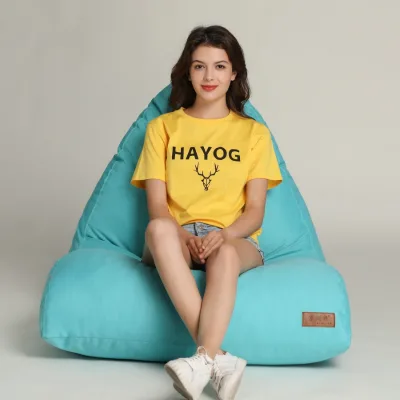
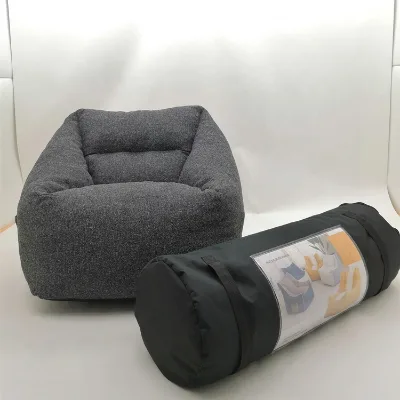
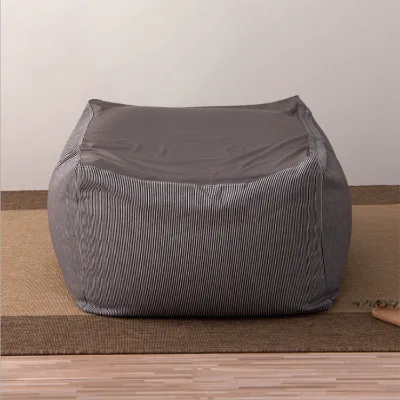
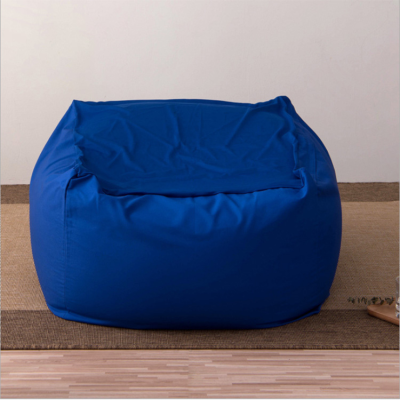


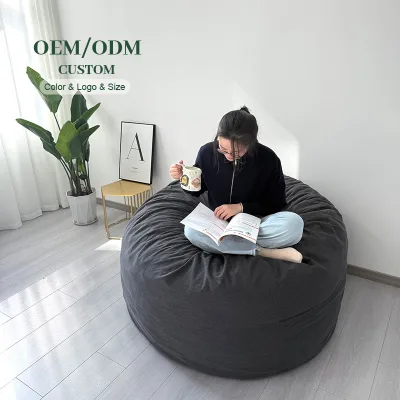
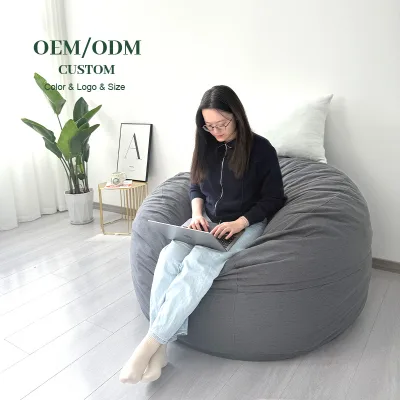

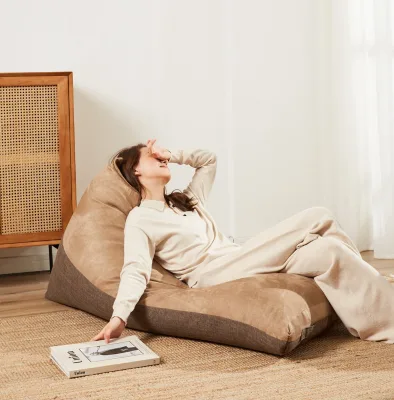
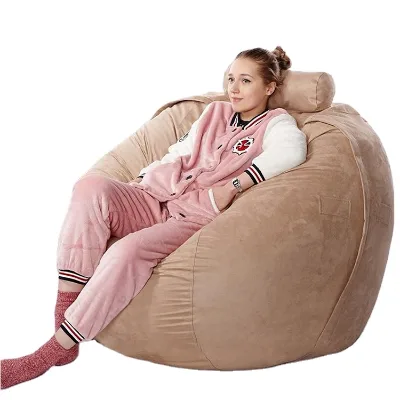
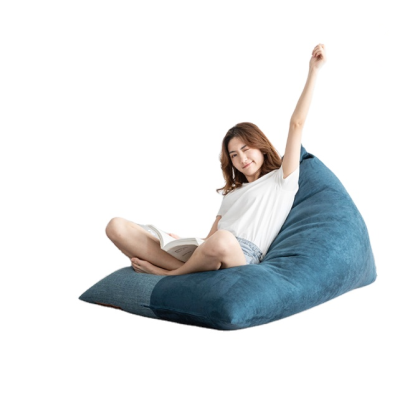
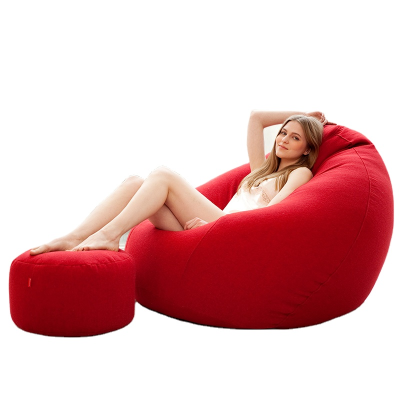


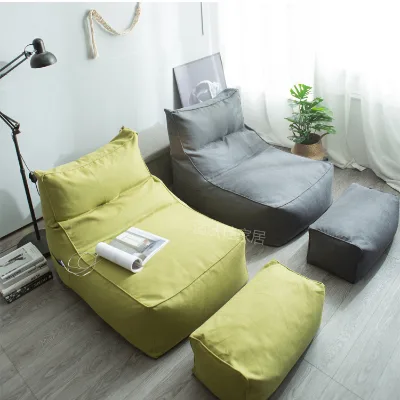


Chair Sofa Bean Bag Chair for Adults Perfect Outdoor Inflatable Chair
$95.92 - $106.35
MOQ: 1000 Pieces

Comprehensive Sourcing Guide
Strategic Sourcing Guide for Removable Cover Bean Bag Chairs
The global market for home furniture has seen a significant surge in demand for versatile, space-saving seating solutions, with the Removable Cover Bean Bag Chair emerging as a standout category. For B2B procurement professionals, navigating this sector requires a granular understanding of product attributes, supply chain logistics, and quality assurance protocols. This guide synthesizes observed market data and technical specifications to provide a disciplined framework for sourcing these items effectively. The focus remains on evidence-based criteria, ensuring that procurement decisions are grounded in verifiable product facts rather than speculative marketing claims.
Technical Specifications and Material Composition
When evaluating removable cover bean bag chairs, the primary technical differentiator lies in the construction of the cover and the filling material. The market data indicates a clear distinction between products utilizing traditional bean fillings and those employing compressible shredded foam. A critical observation from current listings is the variation in upholstery materials. While some units are specified with high-level fabric, others explicitly identify Oxford Fabric as the primary material. This distinction is vital for durability assessments, as Oxford fabric is generally recognized for its resistance to tearing and water resistance, making it suitable for both indoor and outdoor applications.
The dimensions of the product are equally significant for logistics and spatial planning. Observed specifications reveal a range of sizes, with common configurations including 70x70x70cm and 70x70x65cm for larger models, while more compact units measure 65x65x43cm. These dimensions directly impact the volume of the shipment and the required packaging volume. Furthermore, the filling material varies; some products are listed with "beans" as the filling, while others offer options for "with foam or without foam," specifically utilizing compressible shredded foam. The presence of a removable cover is a standard feature in this category, often highlighted in product names such as "Outdoor Waterproof Oxford Relax Bean Bag Cover Chair." Buyers must verify the specific zipper mechanisms and closure systems, as the ease of removing and washing the cover is a primary value proposition for end-users.
Compliance, Certification, and Safety Standards
In the realm of B2B furniture procurement, compliance and safety certifications are non-negotiable, particularly for products intended for residential use. While the supplied context mentions general quality levels as "High Level," it does not provide specific certification data for every unit. However, industry standards often reference certifications such as OEKO-TEX for textile safety and GOTS for organic cotton processing. Buyers should treat these as verification targets rather than guaranteed attributes of every listing.
The sourcing strategy must include a rigorous request for documentation regarding fire retardancy, chemical safety, and material composition. Since the products originate from manufacturing hubs in China and Zhejiang, the regulatory environment of the destination market (e.g., the US, EU, or Australia) will dictate the specific compliance requirements. For instance, if the product is marketed for outdoor use, the fabric must withstand UV degradation and moisture without compromising structural integrity. The "Outdoor Waterproof" attribute observed in some listings suggests a specific treatment or weave density, but this claim requires validation through independent testing reports rather than relying solely on product descriptions. Procurement teams should mandate that suppliers provide test reports for flammability and chemical emissions before finalizing orders, ensuring that the "High Level" quality claim is substantiated by objective data.
Cost Drivers and Pricing Dynamics
Understanding the cost structure of removable cover bean bag chairs is essential for maintaining healthy profit margins. The observed price range in the market spans from $8.13 to $199 USD, a variance that reflects differences in material quality, size, and brand positioning. Several factors drive these costs. The type of filling is a primary driver; shredded foam is generally more expensive than traditional beans due to processing costs and the added value of compressibility. Additionally, the complexity of the cover design, such as the inclusion of waterproof coatings or specialized zippers, influences the final unit price.
The "Factory Directly Supply" model observed in the listings suggests a potential for cost reduction by eliminating middlemen. However, buyers must account for the "Supply Ability" variations, which range from 100 pieces per week to 50,000 pieces per month. High-volume suppliers may offer more competitive pricing due to economies of scale, but they also require larger Minimum Order Quantities (MOQ). The observed MOQ range of 1 to 1000 units allows for flexibility, but the cost per unit typically decreases as the order volume increases. Packaging details also play a role; standard packing involving one piece per plastic bag and one carton adds to the logistics cost, whereas customized packing solutions might offer savings in shipping volume but require higher setup costs. Buyers should analyze the total landed cost, including shipping, duties, and potential customs fees, rather than focusing solely on the FOB price.
Typical Applications and Usage Scenarios
The versatility of removable cover bean bag chairs makes them suitable for a wide array of applications. The product data explicitly categorizes these items under "Living Room Furniture," "Home Furniture," and "Living Room Chair." The design styles observed, ranging from "European" to "Modern," indicate that these products can integrate seamlessly into various interior design schemes. The "Lazy Lounger" and "Bean Bag Chair" nomenclatures suggest a focus on casual, relaxed seating, appealing to consumers seeking comfort over formal aesthetics.
Beyond the living room, the "Outdoor Waterproof" attribute opens opportunities for patio, poolside, and garden furniture markets. The ability to remove and wash the cover is particularly advantageous in high-traffic areas or environments prone to spills, such as family rooms, dormitories, and recreational centers. The "One Seat" configuration confirms that these are individual units, making them ideal for modular furniture arrangements. Buyers should consider the specific needs of their target demographic; for example, a B2B client targeting hotels might prioritize the "Gray" or "Light Gray" color options for a neutral, professional look, while a retailer targeting families might focus on vibrant colors like "Purple," "Blue," or "Red." The "Application" field listing "Other" suggests that these chairs can be adapted for commercial spaces, offices, or even temporary event seating, provided the durability of the fabric meets the specific wear-and-tear requirements of the environment.
Supplier Evaluation and Supply Chain Logistics
Selecting the right supplier is a critical step in the procurement process. The data indicates that suppliers are located primarily in China and Zhejiang, with specific ports of dispatch like FOB Shanghai. This geographical concentration offers the advantage of a mature supply chain but requires careful vetting to ensure reliability. Key evaluation metrics include the "Supply Ability," which varies significantly between suppliers. A supplier claiming 50,000 pieces per month demonstrates a robust production capacity, whereas one offering 100 pieces per week may be better suited for small, niche orders.
Lead times are another crucial factor. The observed delivery time is listed as 7 days, which is relatively short, but this may only apply to stock items or specific production runs. Buyers must clarify whether this lead time includes production, quality control, and packaging, or if it refers solely to the shipping window. Payment terms such as T/T (Telegraphic Transfer) are standard, but the specific percentages for deposits and balances should be negotiated based on the order size and supplier relationship. Packaging details, such as the "Standard Packing" or "Customized" options, should be aligned with the buyer's logistics strategy to minimize damage during transit. The "Single gross weight" of 15.000 kg for certain models highlights the importance of accurate freight calculations, as heavier items can significantly impact shipping costs.
Quality Control and Long-Term Procurement Considerations
Ensuring consistent quality is paramount for long-term procurement success. The "High Level" quality attribute observed in the listings is a subjective claim that must be validated through rigorous quality control (QC) processes. Buyers should implement a multi-stage QC protocol, including pre-production sample approval, in-process inspections, and pre-shipment inspections. Given the variation in filling materials (beans vs. foam), it is essential to verify that the filling does not shift or clump over time, which can compromise the chair's shape and comfort.
Long-term procurement considerations also involve the availability of replacement parts, such as zippers or specific fabric colors. The "Packing" attribute noting that it "can be customized" suggests flexibility, but buyers should ensure that the supplier can maintain consistency in color matching and fabric texture across multiple production batches. The "Folded" attribute being "No" indicates that these are rigid or semi-rigid structures, which simplifies storage but requires careful handling during shipping. For buyers planning to scale their operations, establishing a long-term partnership with a supplier who can guarantee consistent "Supply Ability" and adhere to strict quality standards is more beneficial than frequently switching vendors. Additionally, the "Keyword" of "Compressed bean bag" suggests a trend toward space-efficient shipping, which reduces carbon footprint and logistics costs, a factor that may become increasingly important in future procurement strategies.
Comparative Analysis of Product Variants
To facilitate decision-making, the following table summarizes the key differences observed among the product variants in the market. This comparison highlights the trade-offs between size, material, and intended use, allowing buyers to align their procurement choices with specific market needs.
| Feature | Variant A: Outdoor Waterproof | Variant B: Compressible Foam | Variant C: Standard Bean Bag |
|---|---|---|---|
| Primary Material | Oxford Fabric | Fabric (Foam Filling) | Fabric (Bean Filling) |
| Dimensions | 70x70x70cm | 70x70x65cm | 65x65x43cm |
| Color Options | Purple, Other | Gray, Other | Blue, Red, White, Gray |
| Key Attribute | Waterproof, Outdoor Use | Compressible, Shredded Foam | Traditional, Single Seat |
| Packing | Standard/Custom | One piece one plastic bag | Standard Packing |
| Supply Ability | Variable | 50,000 pieces/month | 100 pieces/week |
| Application | Living Room, Outdoor | Living Room, Home | Living Room, General Use |
This comparative view underscores the importance of matching product specifications to the end-user's environment. The outdoor variant requires superior fabric durability, while the compressible foam version offers modern convenience. By understanding these distinctions, procurement professionals can build a diverse and resilient product portfolio that meets the evolving demands of the furniture market.
FAQs
What materials are used for the cover and filling?
The covers are typically made of Oxford Fabric, while fillings include beans or compressible shredded foam. Some models specify high-level fabric for durability, and users can choose between bean or foam options depending on the specific product listing.
Which dimensions are available for these bean bag chairs?
Common sizes include 70x70x70cm, 70x70x65cm, and 65x65x43cm. These dimensions vary by model, with larger units often designed for living rooms and smaller ones serving as compact seating solutions for various home environments.
Can these chairs be used outdoors?
Yes, specific models feature waterproof Oxford Fabric suitable for outdoor use. These units are designed to withstand moisture, making them appropriate for patios or gardens, though indoor living room applications are also common for standard fabric versions.
How long is the typical delivery time for orders?
The observed delivery time is 7 days for certain stock items. Buyers should verify if this includes production and packaging, as lead times may vary based on order volume and whether the supplier offers customized packing solutions.
What is the minimum order quantity for purchasing?
The minimum order quantity ranges from 1 to 1000 units depending on the supplier. Smaller orders are possible for single items, while larger factories may require higher volumes to meet their supply capacity of up to 50,000 pieces per month.
Which colors are commonly available for these chairs?
Available colors include Purple, Gray, Blue, Red, Rice White, and Light Gray. Specific listings may offer single colors like Purple or Gray, while other models provide a broader palette to match different interior design styles such as Modern or European.