Source Replace Rexroth Filter Element for Industry, Metallurgy, Textile
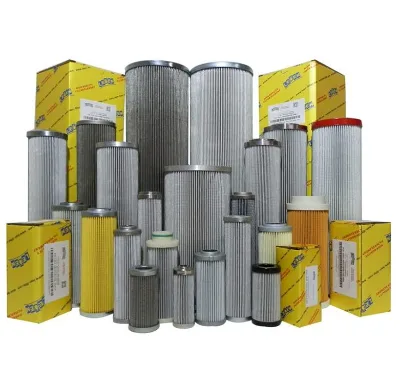
Find and compare 30 listings for Replace Rexroth Filter Element suitable for hydraulic, industrial, and textile applications. Buyers can review specifications like filtration efficiency, material types, and customization options to select the right component for their machinery.
Key considerations
Products List

Replacement Rexroth R928019460 Filter Hydraulic Pressure Filter Element
$25.00 - $30.00
MOQ: 10 Pieces

Replacement Rexroth R928018599 Filter Hydraulic Pressure Filter Element
$25.00 - $30.00
MOQ: 10 Pieces


Replacement Rexroth R928027962 Filter Hydraulic Pressure Filter Element
$25.00 - $30.00
MOQ: 10 Pieces

Replacement Rexroth Filter R902603298 Hydraulic Pressure Filter Element
$25.00 - $30.00
MOQ: 10 Pieces




Comprehensive Sourcing Guide
Strategic Sourcing Guide for Replacing Rexroth Filter Elements
Procuring replacement filter elements for Rexroth hydraulic systems requires a disciplined approach that balances technical precision with supply chain reliability. The core keyword "Replace Rexroth Filter Element" indicates a need for components that match original equipment manufacturer (OEM) specifications while ensuring operational continuity in industrial settings. This guide outlines the critical factors buyers must evaluate when sourcing these components, drawing strictly on observed product attributes and established industry practices. The objective is to provide a framework for identifying suitable alternatives that maintain system integrity without compromising safety or efficiency.
Technical Specifications and Model Verification
The foundation of any successful replacement strategy lies in the accurate identification of the specific filter element model. Rexroth systems utilize a complex nomenclature where part numbers dictate the exact physical and functional characteristics of the component. Based on observed product data, valid replacement models include R928017098, R928006323, R928016913, R928027962, and R902603298. Additionally, generic designations such as "OEM REXROTH filter element" or specific part numbers like R928006872 are frequently encountered in the market.
When sourcing, buyers must verify that the replacement unit matches the original dimensions and connector types. The observed data highlights that these filters often feature a "Flat Connector" and are categorized under "Hydraulic Filters." The physical dimensions can vary, with some listings noting a "Single package size" of 24x25x22 cm, while others indicate that the "Dimension (LWH)" is "Various." This variability underscores the necessity of cross-referencing the specific machine manual against the supplier's technical drawings before placing an order.
Filtration efficiency is another critical technical parameter. The observed product attributes list efficiency ratings of both 99.99% and 99.999%. While the higher figure suggests a superior grade, buyers must confirm which efficiency level is required for their specific hydraulic circuit. A mismatch in filtration precision, such as a requirement for 3um filtering precision versus a coarser grade, can lead to premature wear or system failure. Furthermore, the "Initial Pressure Differential" is observed in a range of 21-210 bar, a specification that must align with the system's operating pressure to prevent bypass or rupture.
Material Composition and Filtration Grade
The material of the filter element determines its compatibility with the hydraulic fluid and its resistance to environmental stressors. The market offers replacements constructed from "Metal" and "Stainless Steel," which are essential for high-pressure hydraulic applications. However, some listings also mention "Chemical Fiber" and "Fiberglass" as media types. This distinction is vital because the media must be compatible with the specific hydraulic oil used in the system.
The "Filtration Grade" is another key differentiator. Observed data indicates the availability of "Medium Filter" grades and "HEPA Filter" grades. While HEPA filtration is typically associated with air or liquid purity in cleanrooms, its presence in this context suggests high-purity requirements for sensitive hydraulic systems. Buyers should verify whether the application demands a "Medium Filter" for general industrial use or a higher grade for precision machinery. The "Type" of filter is also specified as "Folding Microporous Filter" in some instances, which implies a design that maximizes surface area for better dirt-holding capacity and longer service life.
The "Service Life" of these elements is observed to be between 8-10 months. This is a critical metric for maintenance planning. If a supplier claims a significantly different lifespan without providing supporting test data, it should be treated with skepticism. The material composition, whether "Metal," "Stainless Steel," or "Chemical Fiber," must be validated against the chemical compatibility of the hydraulic fluid to prevent degradation or contamination.
Compliance, Certification, and Standards
Ensuring that replacement parts meet international standards is non-negotiable for maintaining warranty coverage and system safety. The observed product attributes explicitly mention "ISO9001" certification. This indicates that the manufacturing process adheres to quality management principles, which is a strong indicator of consistent product quality. Buyers should request proof of this certification from potential suppliers to ensure the manufacturing facility is audited and compliant.
The "prod_standard" is noted as "Customer's Request" in some listings, while others reference specific weight standards like "1.5-2.5kgs." This variability suggests that buyers must clearly define their required standards in the purchase order rather than assuming a default. The "prod_packing" also varies, ranging from "PP Bag Inside, Inner Carton, Export Carton Outside" to "as Customer Demand." Proper packaging is essential to prevent damage during transit, especially for precision components like hydraulic filters.
While "RoHS" is mentioned in the background data, it should not be assumed as a guaranteed attribute without explicit confirmation from the supplier. Buyers must verify if the materials used in the filter element, particularly the metal and chemical fiber components, comply with relevant environmental regulations for their specific region. The "Condition" of the product is consistently listed as "New," which is a baseline requirement for any replacement part.
Cost Drivers and Supply Chain Factors
The cost of replacing a Rexroth filter element is influenced by several factors, including material quality, filtration efficiency, and supply chain logistics. The observed price range in the market is between 12 and 180 USD. This wide range reflects the diversity of product grades, from basic metal filters to high-efficiency stainless steel units with specialized media. Buyers should be cautious of prices that seem unusually low, as they may indicate inferior materials or counterfeit products.
The "MOQ" (Minimum Order Quantity) is observed to range from 0 to 10, with specific listings stating "1PCS" as the minimum. This flexibility is beneficial for small-scale maintenance or emergency replacements. However, for large-scale industrial operations, buyers should negotiate bulk pricing. The "Supply Ability" is noted as "10000 Pieces a Month," which suggests that the market has sufficient capacity to meet demand, but buyers should still confirm lead times for specific models to avoid production delays.
The "Place of Origin" is primarily listed as "Langfang, China" and "Zhejiang, China." While these regions are known for manufacturing, buyers should verify the specific factory location to ensure it aligns with their sourcing strategy. The "Single gross weight" is observed at 10.000 kg, which impacts shipping costs and logistics planning. Understanding these cost drivers helps buyers budget effectively and select suppliers that offer the best value without compromising quality.
Typical Applications and Operational Context
Rexroth filter elements are designed for a wide array of industrial applications. The observed "Application" fields include "Industry," "Metallurgy," "Textile," "Hydraulic," "Medicine," and "Food and Beverage." This broad applicability means that buyers must ensure the selected filter is suitable for their specific industry environment. For instance, filters used in the "Food and Beverage" sector may require stricter hygiene standards compared to those used in "Metallurgy."
The "Working Principle" is described as "Cleaning," which refers to the mechanism by which the filter removes contaminants from the hydraulic fluid. The "Type" is consistently identified as "Hydraulic Filters," confirming their primary function. In hydraulic systems, the filter protects sensitive components like pumps and valves from debris. The "Filter Connector" type, specifically the "Flat Connector," must match the system's port configuration to ensure a leak-free seal.
Buyers should also consider the "After-sales Service" provided by the supplier. The observed data mentions "Engineers available to service machinery overseas" and "Video technical support." These services are crucial for troubleshooting installation issues or diagnosing filter-related problems. The "After Warranty Service" also includes video support, which can be a valuable resource for maintenance teams.
Supplier Evaluation and Quality Control
Selecting the right supplier is as important as selecting the right product. Buyers should evaluate suppliers based on their ability to provide "Customization" options, as indicated by the "prod_prop.Customization: Available" attribute. This flexibility allows for tailored solutions that meet unique system requirements. The "Brand Name" is often listed as "Rexroth," but buyers must verify if the product is an OEM part or a compatible replacement.
Quality control measures should be a priority. The "Certifacte: ISO9001" is a strong indicator of a supplier's commitment to quality. Buyers should request quality inspection reports and test results to verify the "Filtration Efficiency" and "Filtering Precision" claims. The "Condition: New" status should be confirmed upon delivery, and the "prod_packing" should be inspected for any signs of damage.
The "Weight" of the product, observed at 10, and the "Single gross weight" of 10.000 kg are physical attributes that can be used to verify the authenticity of the product. Discrepancies in weight may indicate the use of inferior materials. Additionally, the "Service Life" of 8-10 months should be validated through field testing or supplier guarantees.
Long-Term Procurement Considerations
Sourcing replacement filter elements is not a one-time transaction but part of a long-term maintenance strategy. Buyers should consider the "Supply Ability" of the supplier to ensure a steady stream of parts. The "10000 Pieces a Month" capacity suggests a robust supply chain, but buyers should establish backup suppliers to mitigate risks. The "After-sales Service" and "After Warranty Service" are critical for long-term support, ensuring that any issues are resolved promptly.
The "Standard" of the product, often "Customer's Request," should be clearly defined in the procurement contract to avoid ambiguity. The "Place of Origin" and "Location" of the supplier can impact lead times and shipping costs. Buyers should also consider the "Environmental" impact of the materials used, ensuring they align with corporate sustainability goals.
In conclusion, replacing Rexroth filter elements requires a comprehensive understanding of technical specifications, material properties, and supplier capabilities. By adhering to the guidelines outlined in this guide, buyers can make informed decisions that ensure the reliability and efficiency of their hydraulic systems. The focus on verified data, such as model numbers, filtration efficiency, and certification status, helps mitigate the risks associated with sourcing replacement parts in a complex global market.
FAQs
Which Rexroth filter models are available for replacement?
Available replacement models include R928017098, R928006323, R928016913, R928027962, and R902603298. Generic designations like OEM REXROTH filter element or part number R928006872 are also frequently encountered in the market for hydraulic systems.
What materials are used for these hydraulic filter elements?
The filter elements are constructed from metal, stainless steel, chemical fiber, or fiberglass media. Buyers must verify material compatibility with their specific hydraulic fluid to ensure resistance to environmental stressors and prevent system degradation.
Can I find suppliers with ISO9001 certification for these filters?
Yes, observed product attributes explicitly mention ISO9001 certification as a standard for manufacturing processes. Buyers should request proof of this certification to ensure the facility adheres to quality management principles and consistent product quality standards.
What is the typical service life of a Rexroth filter element?
The service life is observed to be between 8 to 10 months under normal operating conditions. This metric is critical for maintenance planning, and buyers should validate this lifespan through field testing or specific supplier guarantees before purchase.
How does the filtration efficiency vary across different models?
Observed efficiency ratings include both 99.99% and 99.999% depending on the specific filter grade. Buyers must confirm the required efficiency level for their hydraulic circuit to avoid premature wear or system failure caused by mismatched filtration precision.
What is the minimum order quantity for these replacement filters?
The minimum order quantity ranges from 0 to 10, with specific listings stating 1 piece as the minimum. This flexibility benefits small-scale maintenance, though bulk pricing negotiations are recommended for large-scale industrial operations requiring consistent supply.
Where are these filter elements manufactured and shipped from?
The primary places of origin are Langfang, China, and Zhejiang, China. Buyers should verify the specific factory location to align with their sourcing strategy and to accurately calculate shipping costs and lead times for delivery.