Source anti-fog waterproof led bathroom mirror for Villa Hotel Commercial
Find 30 anti-fog waterproof led bathroom mirror options with varied shapes, sizes, and lighting features. Compare specifications from suppliers in China for household, hotel, and commercial applications.
Key considerations
Products List


LED Lighted Bathroom Mirror Waterproof Smart LED Mirror with Anti Fog Function
$1.36 - $25.26
MOQ: 1000 Square Meters

Energy Saving LED Wall Mirror Waterproof Anti Fog LED Mirror for Commercial Bathroom
$1.82 - $15.36
MOQ: 1000 Square Meters

Modern Intelligent LED Mirror with Anti-Fog Function Designed for Modern Bathroom Layouts
$1.87 - $20.96
MOQ: 1000 Square Meters


Smart Bathroom Framed Lighted Mirrors Wall LED Mirror with Anti-Fog Espejo
$32.00 - $38.00
MOQ: 30 Pieces

Anti Fog Touch Screen Smart LED Mirror Bathroom Mirror with LED Lights
$480.00 - $520.00
MOQ: 1 Pieces
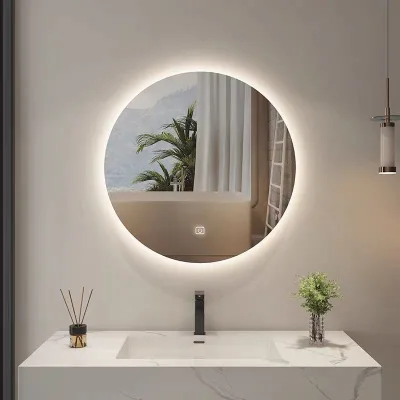
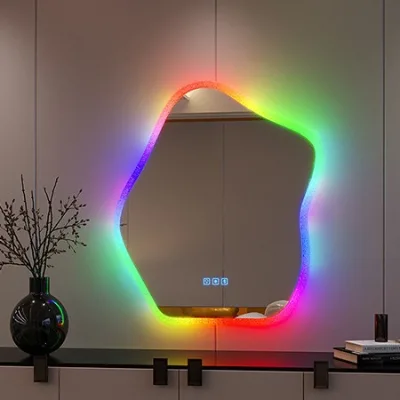


Sleek LED Bathroom Mirror with Waterproof Design and Touch Controls
$28.50 - $33.80
MOQ: 1 Square Meters

LED Light Wall Mount Mirror/Illuminated Mirror/ Touch Screen Bathroom Mirror with Anti-Fog
$20.99 - $25.99
MOQ: 50 Square Meters

High Quality Rectangular Anti Fog Mirror Waterproof LED Apartment Bathroom Mirror
$56.72 - $60.21
MOQ: 10 Pieces

Rectangular Anti Fog Bathroom Mirror IP66 Waterproof LED Light Hotel Smart Mirror
$45.12 - $50.97
MOQ: 10 Pieces


Comprehensive Sourcing Guide
Strategic Sourcing Guide for Anti-Fog Waterproof LED Bathroom Mirrors
The global demand for smart bathroom fixtures has driven a significant shift toward integrated LED technology, particularly in the realm of anti-fog and waterproof mirrors. For B2B procurement professionals, sourcing these specialized units requires a nuanced understanding of technical integration, regulatory compliance, and supply chain reliability. The core keyword "anti-fog waterproof LED bathroom mirror" represents a complex product category where optical clarity, electrical safety, and environmental resistance must coexist. This guide provides a structured approach to evaluating suppliers and specifications based on observed market data and verified product attributes, ensuring that procurement decisions are grounded in factual evidence rather than marketing assertions.
Technical Specifications and Functional Integration
When evaluating anti-fog waterproof LED bathroom mirrors, the primary focus must be on the integration of lighting systems with the mirror substrate and frame materials. The observed product data indicates a diverse range of configurations, including single-sided and customized designs with shapes ranging from square to round and rectangular. A critical technical differentiator is the lighting type; the market offers back-lit LED solutions that provide even illumination without hot spots. The specific LED strip types identified in verified listings include 2835 and 5050 configurations, which dictate the color temperature and brightness output.
Buyers must verify the voltage compatibility, as the supply chain presents options for both 220-240V and 110-130V systems. This is essential for international distribution, as mismatched voltage can lead to immediate product failure. The anti-fog functionality is a standard feature in high-end units, often paired with waterproof ratings. Observed specifications confirm an IP65 water-proof rating for certain models, which indicates protection against low-pressure water jets from any direction. However, not all listed products carry this specific rating; therefore, the procurement team must explicitly confirm the IP rating for each batch.
The frame material is another pivotal specification. Data shows a variation between glass, stainless steel, and general metal frames. The finish also varies, with silver and chrome being the most common treatments. For the mirror glass itself, the standard thickness observed is 5mm copper-free silver mirror, a specification that ensures durability and prevents the greenish tint associated with lower-quality glass. The presence of optional functions such as Bluetooth, dimming, and clock integration further complicates the technical evaluation, requiring buyers to verify the internal circuitry's ability to support these add-ons without compromising the anti-fog heating element.
Compliance and Certification Verification
In the bathroom fixture sector, compliance is not merely a formality but a prerequisite for market entry and liability protection. The supply data highlights several critical certifications that serve as indicators of quality and safety. Verified listings explicitly mention CE, SAA, and UL certifications. These standards are non-negotiable for electrical components, particularly those involving LED strips and anti-fog heating elements that operate in wet environments.
The CE marking indicates conformity with health, safety, and environmental protection standards for products sold within the European Economic Area. The SAA certification is specific to Australia and New Zealand, while UL (Underwriters Laboratories) is the benchmark for safety in North America. Procurement teams must demand proof of these certifications for every model number, as the presence of a certification on one product line does not automatically extend to others. Additionally, the observed data references Quality Standards such as CE, SGS, and ISO. While "ISO" is a broad term, it implies adherence to international management system standards, which should be verified against specific ISO 9001 documentation for manufacturing processes.
It is crucial to note that while some background information mentions RoHS, this should not be assumed as a universal attribute without specific verification. Buyers should request a Declaration of Conformity that explicitly lists the materials used to ensure compliance with Restriction of Hazardous Substances directives. The "Quality Standard" field in the product data also lists specific dimensions like 60x60 and 60x80, which suggests that some manufacturers may use dimensional standards as a proxy for quality control, but this is not a substitute for electrical safety testing.
Cost Drivers and Pricing Structure Analysis
The pricing landscape for anti-fog waterproof LED bathroom mirrors is highly variable, with observed ranges spanning from $1.36 to $520 USD. This wide disparity is driven by several key factors that procurement managers must analyze to avoid budget overruns or quality compromises. The primary cost driver is the complexity of the LED integration. Simple back-lit mirrors with basic anti-fog functionality will sit at the lower end of the spectrum, while units featuring 5050 LED strips, multiple color temperatures (3000K to 6000K), and smart features like Bluetooth or dimming will command premium prices.
Material costs also play a significant role. Frames made of stainless steel or high-grade metal with chrome finishes generally cost more than standard metal or glass frames. The mirror glass thickness and the inclusion of copper-free silver backing add to the material expense. Furthermore, the customization level is a major determinant. The data confirms that "Customization" and "Customized" are available attributes, allowing buyers to request specific dimensions such as W700H500mm or W900H700mm. Custom orders typically incur higher unit costs and may have different Minimum Order Quantity (MOQ) requirements.
The observed MOQ range of 1 to 1000 units suggests flexibility in the market. However, buyers should be aware that lower MOQs often correlate with higher per-unit costs due to the setup overhead for custom runs. The packaging method, ranging from simple bubble bags to complex systems involving PE foam, polyfoam, and earth cartons, also impacts the final landed cost. Complex packaging is necessary for high-value items to prevent damage during transit but adds to the overall price. Understanding these variables allows buyers to negotiate effectively and align their budget with the specific functional requirements of their project.
Typical Applications and Usage Scenarios
The versatility of anti-fog waterproof LED bathroom mirrors makes them suitable for a broad spectrum of applications. The product data explicitly lists usage in households, hotels, villas, commercial spaces, and even outdoor settings. This breadth of application requires different levels of durability and feature sets. For residential projects, such as private bathrooms in villas, the focus is often on aesthetics and convenience, with features like color temperature adjustment and decorative lighting being prioritized.
In the hospitality sector, specifically hotels, the requirements shift toward durability and ease of maintenance. The "Modern" and "Chinese" styles observed in the data indicate that these mirrors can be tailored to fit various interior design themes. The IP65 rating is particularly relevant for commercial and outdoor applications where exposure to moisture and varying weather conditions is a constant factor. The "Fogless" and "Waterproof" attributes are critical for high-traffic public restrooms where condensation can obscure visibility and create safety hazards.
The "Special Function" attributes listed, including rustproof and magnified options, further expand the application scope. Magnified mirrors are often required in vanity areas for grooming, while rustproof coatings are essential for coastal or humid environments. The ability to customize the shape, whether square, round, or rectangular, allows designers to integrate these mirrors seamlessly into various architectural layouts. Procurement teams should match the specific application requirements with the product's technical capabilities to ensure long-term satisfaction and reduced maintenance costs.
Supplier Evaluation and Production Capabilities
Selecting the right supplier is paramount when dealing with integrated electrical and optical products. The observed data indicates that production origins are primarily in China, with specific mentions of Qingdao as a production hub. This geographic concentration suggests a mature supply chain but also necessitates rigorous due diligence. Buyers should evaluate suppliers based on their "Quality Control" systems. The data highlights a "Full QC System with Production Records for Review," which is a strong indicator of a supplier's commitment to consistency and traceability.
The "Standard Switch" attribute, noting on/off touch switches, implies a level of electronic sophistication that requires skilled assembly. Suppliers must demonstrate proficiency in handling these components to prevent wiring faults or touch sensor failures. The "Finish" processes, such as silver and chrome plating, also require specialized expertise to ensure uniformity and adhesion. Buyers should request samples to verify the quality of the finish and the effectiveness of the anti-fog mechanism under real-world conditions.
Furthermore, the "Product Packing" specifications vary significantly, from simple cartons to multi-layered protection involving bubble bags and PE foam. A supplier's ability to provide robust packaging is a proxy for their understanding of logistics and risk management. The "Standard" field often lists "Customized" or "According to the Order," indicating that the supplier is flexible but requires clear communication of requirements. Procurement teams should assess the supplier's responsiveness to customization requests and their ability to maintain quality standards across different order sizes.
Long-Term Procurement and Quality Assurance
Sourcing anti-fog waterproof LED bathroom mirrors is not a one-time transaction but a long-term partnership that requires ongoing quality assurance. The "Quality Control" attribute mentioning production records for review suggests that suppliers should maintain detailed logs of their manufacturing processes. This transparency is vital for troubleshooting any issues that arise post-delivery. Buyers should establish clear protocols for inspecting incoming goods, focusing on the integrity of the LED strips, the effectiveness of the anti-fog heating, and the durability of the frame finish.
The "Mirror Thickness" of 5mm copper-free silver mirror is a standard that should be consistently met. Deviations in thickness can affect the mirror's structural integrity and optical performance. Similarly, the "Voltage" specifications must be strictly adhered to, as any deviation can lead to electrical failures. Buyers should also consider the "Optiona Function" list, which includes anti-fog, clock, Bluetooth, and dimming. These features add complexity and potential points of failure; therefore, long-term procurement strategies should include a plan for spare parts and technical support.
Finally, the "Standard" and "Certificate" requirements must be revisited periodically. As regulations evolve, suppliers must remain compliant with updated standards. The presence of CE, SAA, and UL certifications is a baseline, but buyers should ensure these remain valid and that the supplier has a plan for recertification if necessary. By focusing on these long-term considerations, procurement professionals can secure a reliable supply of high-quality mirrors that meet the evolving needs of their clients and projects.
FAQs
Can I customize the dimensions of these mirrors?
Yes, customization is available for specific dimensions like W700*H500mm or W900*H700mm. Buyers can request tailored sizes based on their project needs, as the standard supports custom orders according to the specific order requirements.
What certifications do these LED mirrors hold?
Verified listings explicitly mention CE, SAA, and UL certifications for electrical safety. These standards are critical for products operating in wet environments, ensuring compliance with health and safety regulations in various international markets.
How do I verify the waterproof rating of the mirror?
Some models confirm an IP65 water-proof rating indicating protection against low-pressure water jets. Buyers must explicitly confirm this rating for each batch, as not all listed products carry this specific level of water resistance.
Which LED strip types are used in these mirrors?
The market offers 2835 and 5050 LED strip configurations which dictate brightness and color temperature. These specific strips support color temperatures ranging from 3000K to 6000K for different lighting preferences.
What frame materials are available for these mirrors?
Data shows a variation between glass, stainless steel, and general metal frames with silver or chrome finishes. The mirror glass itself typically uses 5mm copper-free silver mirror to ensure durability and prevent greenish tints.
Can I find suppliers with a full quality control system?
Yes, suppliers highlight a Full QC System with Production Records for Review as a key attribute. This transparency allows buyers to verify consistency and traceability throughout the manufacturing process for every batch ordered.