Source Restaurant Booth Seating for Hotels, Cafes, and Restaurants
Explore 30 listings for Restaurant Booth Seating designed for hotels, cafes, and dining areas. Buyers can compare metal and synthetic leather options with varying styles, certifications, and lead times to find suitable furniture for their establishments.
Key considerations
Products List


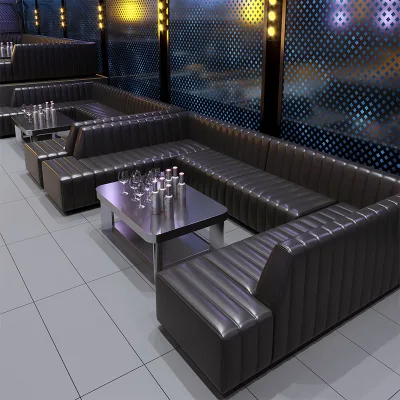

Durable Commercial Use Cafe Restaurant U Shape Restaurant Booth Seating
$68.00 - $120.00
MOQ: 10 Meters


Factory Wholesale Customized Upholstered Commercial Cafe Restaurant Booth Seating
$68.00 - $120.00
MOQ: 10 Meters

Customized Modern Style Hotel Restaurant Guest Booth Commercial Cafe Bench Seating
$68.00 - $120.00
MOQ: 10 Meters

Customer Premium Fastfood Cafe Orange Faux Leather Restaurant Booth Seating
$68.00 - $120.00
MOQ: 10 Meters


Modern Restaurant Benches Commercial Restaurant Seating Booth for Bistro
$50.00 - $65.00
MOQ: 2 Pieces


Modern Commercial Restaurant Furniture Supply Booths and Table Set Booth Seating
$120.00 - $280.00
MOQ: 2 Pieces


Comprehensive Sourcing Guide
Restaurant Booth Seating Sourcing Guide
Sourcing Restaurant Booth Seating requires a strategic balance between aesthetic appeal, structural durability, and commercial viability. Unlike standard chairs, booths are fixed installations that define the spatial flow and acoustic environment of a dining area. Buyers must evaluate these units not merely as furniture but as integral components of the restaurant’s operational infrastructure. The decision-making process involves assessing material longevity, ease of maintenance, and the ability to customize dimensions to fit specific floor plans. This guide provides a structured approach to navigating the global market for booth seating, focusing on verified product attributes and essential procurement checks.
The current market offers a diverse range of booth configurations, from compact corner units to expansive banquet-style seating. Procurement teams should prioritize suppliers who offer customization options, as off-the-shelf solutions rarely align perfectly with unique architectural constraints. Key considerations include the choice between metal frames and wooden structures, the type of upholstery used, and the overall style, whether antique, modern, or minimalist. By understanding these variables, buyers can select products that enhance customer comfort while withstanding the rigorous demands of high-traffic hospitality environments.
Product Scope and Observed Listing Signals
The observed product landscape for Restaurant Booth Seating reveals a wide spectrum of materials and design philosophies. Listings indicate the availability of units constructed from metal frames, often paired with synthetic leather or fabric upholstery. Some products feature wooden elements, catering to establishments seeking a warmer, more traditional aesthetic. The color palette is extensive, ranging from classic black and brown to vibrant options like yellow, red, and white, allowing for precise brand alignment. Buyers should note that "Combination" sizes are frequently listed, suggesting modular or adaptable designs that can be configured to suit various table arrangements and space limitations.
Condition and warranty terms are critical signals of supplier confidence and product quality. Most observed listings specify that items are brand new, ensuring that buyers receive products free from prior wear or damage. Warranty periods vary, with some suppliers offering a three-year guarantee and others providing a twelve-month coverage period. These differences should be weighed against the intended usage intensity; high-volume establishments may benefit from longer warranty terms. Additionally, packaging methods such as carton, plywood, or wooden frames indicate a focus on protecting the product during transit, which is essential for preventing damage to delicate upholstery or structural joints before installation.
Technical Specifications to Verify
Verifying technical specifications is paramount to ensuring that the selected booth seating meets both functional and aesthetic requirements. Buyers must confirm the exact dimensions, as many suppliers offer custom sizing to accommodate specific room layouts. The frame material, whether metal or wood, dictates the structural integrity and load-bearing capacity of the unit. For instance, metal frames often provide a sleek, modern look with high durability, while wooden frames may offer a more robust, traditional feel. It is essential to verify the thickness of the frame and the quality of the joints, as these factors directly influence the longevity of the seating under constant use.
Upholstery and cushioning specifications are equally important for customer comfort and maintenance. Synthetic leather is a common choice due to its ease of cleaning and resistance to stains, making it suitable for busy restaurants. However, buyers should inquire about the density of the foam padding and the breathability of the material to ensure long-term comfort. The style of the booth, whether antique or modern, should align with the overall interior design theme. Additionally, the type of table compatibility should be confirmed, as some booths are designed for specific table heights or shapes. Ensuring these details are accurately specified in the purchase order prevents costly modifications or replacements after delivery.
Compliance and Safety Documentation
Compliance with safety and environmental standards is a non-negotiable aspect of sourcing restaurant furniture. Buyers should request documentation verifying that products meet relevant certification requirements, such as CE, RoHS, and CCC, depending on the target market. These certifications indicate that the materials and manufacturing processes adhere to strict safety and environmental guidelines. For instance, RoHS compliance ensures that hazardous substances are limited in the product, which is crucial for maintaining a healthy indoor environment. Suppliers who provide SGS standards or other recognized quality marks offer an additional layer of assurance regarding product safety and performance.
In addition to certifications, buyers should verify the fire retardancy of the upholstery and cushioning materials. Many jurisdictions require hospitality furniture to meet specific fire safety standards to protect patrons and staff in case of an emergency. Requesting test reports or certificates of compliance from independent laboratories can help mitigate legal and safety risks. Furthermore, understanding the chemical composition of the synthetic leather or fabric can aid in selecting materials that are resistant to mold, mildew, and bacteria, contributing to a hygienic dining environment. Ensuring that all documentation is up-to-date and verifiable is essential for maintaining regulatory compliance and protecting the brand’s reputation.
Cost Drivers and Commercial Terms
Understanding the cost drivers associated with Restaurant Booth Seating helps buyers budget effectively and negotiate favorable terms. The primary cost factors include the choice of materials, the complexity of the design, and the level of customization required. Metal frames and synthetic leather are generally more cost-effective than solid wood or premium fabrics, but they may not offer the same aesthetic appeal. Custom sizing and unique color options can increase production costs, so buyers should balance their design preferences with budget constraints. Additionally, the MOQ (Minimum Order Quantity) can impact pricing, with larger orders often qualifying for volume discounts.
Commercial terms such as lead time and payment conditions are critical for supply chain planning. Observed lead times range from 15 to 20 days, which buyers must account for in their project schedules. It is advisable to confirm these timelines with the supplier, as delays can disrupt opening dates or renovation plans. Payment terms should be negotiated to align with cash flow needs, with options such as partial upfront payment and balance upon shipment being common. Buyers should also consider the cost of shipping and insurance, especially for international orders, as these can significantly affect the total landed cost. Clear communication regarding these terms helps avoid unexpected expenses and ensures a smooth procurement process.
Supplier Qualification and Quality Control
Qualifying suppliers is a crucial step in mitigating procurement risks and ensuring consistent product quality. Buyers should assess the supplier’s production capabilities, including their factory size, equipment, and workforce expertise. Suppliers located in established manufacturing hubs, such as Guangdong, China, often have access to a robust supply chain and skilled labor, which can enhance product quality and delivery reliability. Requesting references or case studies from previous clients can provide insights into the supplier’s track record and customer satisfaction levels. Additionally, verifying the supplier’s export experience can indicate their familiarity with international shipping and compliance requirements.
Implementing a rigorous quality control process is essential to prevent defects and ensure that products meet specified standards. Buyers should consider hiring third-party inspection services to conduct pre-shipment inspections, checking for structural integrity, upholstery quality, and packaging adequacy. Establishing clear quality benchmarks and communicating them to the supplier beforehand helps align expectations and reduces the likelihood of disputes. Regular communication and site visits, if feasible, can further strengthen the relationship and provide opportunities to address any issues proactively. By prioritizing supplier qualification and quality control, buyers can secure reliable partnerships and minimize the risk of receiving substandard products.
Long-Term Procurement Checks
Long-term procurement success depends on establishing ongoing performance metrics and relationship management strategies. Buyers should monitor key performance indicators such as delivery punctuality, product defect rates, and customer feedback on comfort and durability. Regularly reviewing these metrics helps identify areas for improvement and ensures that suppliers continue to meet evolving business needs. Building a strong relationship with the supplier can lead to better pricing, priority production, and access to new product innovations. Maintaining open lines of communication and providing constructive feedback fosters a collaborative partnership that benefits both parties.
Additionally, buyers should stay informed about industry trends and technological advancements in booth seating design and materials. This knowledge can inform future purchasing decisions and help maintain a competitive edge in the hospitality market. Periodically reassessing the supplier’s compliance with safety and environmental standards is also crucial, as regulations may change over time. By adopting a proactive approach to long-term procurement, buyers can ensure that their Restaurant Booth Seating remains functional, attractive, and compliant, ultimately enhancing the dining experience for customers and supporting the business’s long-term success.
FAQs
What materials are used for Restaurant Booth Seating frames?
Frames are typically constructed from metal to ensure durability and stability in high-traffic dining areas. Some models also incorporate wooden elements for a classic aesthetic. The combination of metal frames with synthetic leather upholstery provides a robust solution for commercial environments like hotels and cafes.
Can Restaurant Booth Seating be customized for specific venues?
Yes, customization is available for various project requirements. Buyers can select from multiple color options including black, yellow, brown, white, and red. The seating can be tailored to fit specific spatial constraints, with options for different styles such as modern or antique designs to match interior themes.
What certifications do these restaurant furniture sets hold?
Products often carry CE, RoHS, and CCC certifications, ensuring compliance with international safety and environmental standards. Some items also meet SGS standards for quality assurance. These certifications verify that the materials and manufacturing processes adhere to regulated guidelines for commercial furniture used in public dining spaces.
What is the typical lead time for ordering restaurant booths?
The standard lead time ranges from 15 to 20 days for production and preparation. This timeframe allows for manufacturing, quality checks, and packaging in cartons or wooden frames. Buyers should account for this duration when planning venue renovations or new restaurant openings to ensure timely delivery and installation.
What is the minimum order quantity for these seating sets?
The minimum order quantity is generally one piece, allowing for flexible purchasing for small cafes or individual restaurant sections. This low MOQ supports buyers who need to replace single units or test new designs before committing to larger bulk orders for extensive dining areas or hotel chains.
What warranty is provided for restaurant booth furniture?
Warranty periods typically range from 12 months to 3 years depending on the specific product model. This coverage protects against manufacturing defects and ensures long-term reliability for commercial use. Buyers should verify the specific warranty terms associated with their selected model to understand the extent of support provided.