Source Retro 3D Shoe Keychain for Promotions, Ceremonies, and Holiday Gifts
Explore 30 listings for the Retro 3D Shoe Keychain, featuring customizable PVC designs with 3D or 2D logos. Buyers can compare specifications, pricing, and lead times from verified manufacturers to find the best option for business gifts or promotional events.
Key considerations
Products List


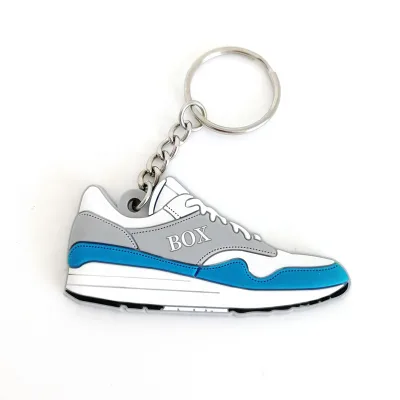

China Manufacturer Keyholder Custom 3D Key Ring Souvenir Key Chain Shoe Keychains
$0.65 - $0.68
MOQ: 1000 Pieces


Rubber Key Chains Supplier Custom Wholesale 3D Sneaker PVC Shoes Keychain
$0.49 - $0.58
MOQ: 100 Pieces


Comprehensive Sourcing Guide
Strategic Sourcing Guide for Retro 3D Shoe Keychains
Understanding Product Specifications and Material Composition
When sourcing retro 3D shoe keychains, buyers must first establish a clear understanding of the physical and material specifications that define this niche product category. The core material identified in available market data is Polyvinyl Chloride (PVC), often described as eco-friendly PVC. This material choice is critical for achieving the desired three-dimensional aesthetic while maintaining flexibility and durability. The manufacturing process typically involves die-casting or molding techniques that allow for intricate detailing, essential for capturing the "retro" aesthetic of vintage footwear.
The dimensional specifications for these items vary, but observed data points to a standard size range of approximately 10.5 by 3.5 centimeters for specific models, while other variations may fall between 5 and 8 centimeters. The single gross weight is generally minimal, recorded at around 0.007 kilograms per unit, which significantly influences shipping logistics and cost calculations. The product model identifiers found in current listings include codes such as UL-100, GJC2022112109, and AZ-04, indicating a diverse range of designs available under the generic "3D PVC keychain" classification.
Visual customization is a primary driver for this product. The color options are typically "as picture," meaning the final output relies heavily on the supplier's ability to match specific design files or sample references. The surface treatment for any metallic components, such as key rings or connectors, is often polished stainless steel, providing a contrast to the soft PVC body. Buyers should verify that the "retro" styling is achieved through embossed, debossed, or printed 3D logos, ensuring the texture and depth align with the intended vintage look.
Compliance, Certification, and Environmental Standards
In the realm of PVC-based promotional items, compliance and environmental standards are paramount, particularly given the increasing global scrutiny on plastic materials. While the supplied data explicitly lists "Eco-Friendly PVC" as a material attribute, buyers must not assume this status is universal across all suppliers without verification. The term "Eco-Friendly" in this context generally implies the absence of harmful phthalates or heavy metals, but specific regulatory compliance depends on the destination market.
Buyers should be aware that while some product listings mention high-class quality and eco-friendly features, specific certification standards like ISO 27001:2022 are noted in background data but should not be treated as a guaranteed attribute for every listed product. Instead, procurement teams must actively request documentation to confirm compliance with local regulations, such as the REACH regulation in Europe or the CPSIA in the United States. The material standard is often cited simply as "pvc," which is insufficient for regulatory clearance; therefore, verifying the specific grade of PVC and its safety data sheets is a mandatory step before placing large orders.
Furthermore, the "High Class" and "Best" quality descriptors found in product attributes are subjective observations rather than certified metrics. To ensure compliance, buyers should require third-party test reports that validate the material's safety and durability. This is especially important for products intended for children or as promotional gifts distributed in public spaces. The absence of specific certification data in the general product listing means that the burden of verification falls entirely on the buyer to ensure the product meets the legal requirements of the target export market.
Cost Drivers and Pricing Dynamics
The pricing structure for retro 3D shoe keychains is influenced by several variable factors, with the primary driver being the level of customization and the order volume. The observed price range in the market spans from 0 to 2.18 USD per unit, a wide spectrum that reflects differences in material quality, design complexity, and order quantity. This range suggests that basic, unbranded units may be available at the lower end, while highly customized, multi-color, or complex 3D designs command prices closer to the upper limit.
Minimum Order Quantity (MOQ) is another significant cost determinant. Data indicates that MOQs can range from as low as 10 pieces to as high as 1000 pieces. Suppliers offering an MOQ of 10 pieces are likely catering to small businesses or sample testing phases, whereas those requiring 1000 pieces are optimized for bulk industrial distribution. The unit price typically decreases as the order volume increases, a standard economic principle in manufacturing. Buyers must balance the need for a large inventory against the upfront capital required to meet higher MOQ thresholds.
Additional cost drivers include the packaging method and the complexity of the logo application. Options range from simple OPP bags to more premium packaging such as plastic boxes or gift boxes. The choice of packaging can add a marginal cost per unit but significantly enhances the perceived value for business gifts or holiday promotions. Furthermore, the production time, which typically ranges from 10 to 15 days, and the sample time of 5 to 7 days, can impact the overall cost if expedited shipping is required to meet tight deadlines. Buyers should factor in these lead times when calculating the total landed cost, as rush fees can substantially alter the budget.
Typical Applications and Usage Scenarios
The versatility of retro 3D shoe keychains makes them suitable for a wide array of applications, ranging from corporate branding to personal accessories. The product attributes explicitly list usage scenarios including collection, ceremonies, holiday gifts, business gifts, tours, and sports events. This broad applicability stems from the customizable nature of the product, allowing brands to imprint logos, slogans, or specific designs that resonate with their target audience.
For business gifts, the "High Class" perception and the ability to accept customized 3D or 2D logos make these keychains an effective promotional tool. They serve as durable, everyday items that keep a brand visible to the recipient. In the context of tourism, the "retro" aesthetic appeals to travelers looking for unique souvenirs that capture the style of a destination or a specific era. The "Creative" and "Cute" style attributes further enhance their appeal as gifts for children or as collectible items for enthusiasts of vintage fashion.
The product's suitability for "Universal" use means it can be attached to keys, bags, zippers, or lanyards without restriction. This universality increases the potential market reach, allowing buyers to target diverse segments. Whether used as a sportswear accessory for a team or a commemorative item for a ceremony, the keychain's lightweight nature (0.007kg) and compact size (approx. 3x3x2cm per package) ensure it is easy to distribute and carry. Buyers should align the design and color scheme with the specific event or brand identity to maximize the impact of the promotional effort.
Supplier Evaluation and Production Capabilities
Evaluating suppliers for retro 3D shoe keychains requires a rigorous assessment of their production capabilities, customization options, and logistical reliability. The data indicates that customization is available, with options for 3D or 2D logos, embossed, debossed, or printed finishes. Buyers should verify the supplier's ability to handle the specific design files required for the "retro" look, as the complexity of 3D molding can vary significantly between manufacturers.
Production lead times are a critical factor in supplier selection. The observed production time ranges from 10 to 15 days, with sample times taking 5 to 7 days. Some listings suggest a delivery time of 12 to 18 days, which may include shipping. Buyers must confirm these timelines in writing to ensure they align with their project schedules. Additionally, the origin of the products is primarily China, with specific mentions of Fujian as a production hub. While this indicates a mature manufacturing ecosystem, buyers should verify the specific factory location to assess the supply chain stability and potential for on-site audits.
Payment terms are another area requiring careful evaluation. Standard methods mentioned include Alibaba and Western Union. Buyers should ensure that the payment terms are secure and that the supplier offers appropriate buyer protection mechanisms. The availability of over 3000 designs suggests a supplier with a robust catalog and design team, but buyers must confirm that the specific "retro shoe" designs are in stock or can be produced within the required timeframe. The "Selling Units" being listed as single items indicates flexibility for small orders, but bulk pricing structures should be negotiated clearly.
Quality Control and Long-Term Procurement Considerations
Maintaining consistent quality is essential for long-term procurement success, particularly for products that rely on visual appeal and tactile feel. The "High Class" and "Best" quality claims found in product listings are subjective and must be validated through a robust quality control (QC) process. Buyers should implement a multi-stage QC strategy that includes pre-production sample approval, in-process inspections, and final random sampling before shipment.
Given that the material is PVC, checks should focus on the flexibility of the material, the clarity of the 3D details, and the durability of the attached metal components. The surface treatment of the metal, described as polished stainless steel, should be inspected for corrosion resistance and smoothness to prevent injury or snagging. The packaging, which can vary from OPP bags to gift boxes, must be inspected for damage and proper sealing to ensure the product arrives in pristine condition.
For long-term procurement, buyers should consider the scalability of the supplier. The ability to maintain consistent quality across large orders is crucial. Establishing a long-term relationship with a supplier who understands the specific "retro" aesthetic and can consistently deliver on the 10-15 day production timeline will streamline future sourcing efforts. Additionally, buyers should monitor the market for changes in material standards or environmental regulations that might affect the supply of PVC keychains. By maintaining open communication and setting clear quality benchmarks, buyers can ensure a steady supply of high-quality retro 3D shoe keychains that meet their brand's standards and customer expectations.
Comparative Analysis of Sourcing Options
To facilitate decision-making, the following table compares key attributes of different sourcing scenarios based on the observed data. This comparison highlights the trade-offs between cost, volume, and customization levels.
| Attribute | Low-Volume / Sample Scenario | High-Volume / Bulk Scenario |
|---|---|---|
| MOQ Range | 10 to 50 pieces | 500 to 1000 pieces |
| Estimated Unit Cost | Higher end of range (near $2.18) | Lower end of range (near $0.00) |
| Lead Time | 5-7 days (Sample) + 10-15 days (Prod) | 12-18 days (Total Delivery) |
| Packaging | OPP Bag / Bubble Bag | Plastic Box / Gift Box / Carton |
| Customization | Standard Logo Acceptance | Full Custom Design & Color Matching |
| Material | PVC / Eco-Friendly PVC | PVC / Eco-Friendly PVC |
| Origin | China (Fujian) | China (Fujian) |
This comparison illustrates that while low-volume orders offer flexibility and lower upfront risk, they come with higher per-unit costs and potentially less optimized packaging. Conversely, high-volume orders benefit from economies of scale, allowing for premium packaging and lower unit prices, but require a larger initial commitment. Buyers must weigh these factors against their specific budget constraints and inventory needs to determine the optimal sourcing strategy.
FAQs
What materials are used for retro 3d shoe keychains?
These keychains are primarily made from PVC or eco-friendly PVC materials. The manufacturing process often involves die-casting to achieve intricate 3D details, ensuring the product is durable and flexible for everyday use.
Can I customize the logo on these keychains?
Yes, customization is available with options for 3D or 2D logos. Suppliers accept embossed, debossed, or printed designs to match specific brand requirements or personal preferences for a unique look.
What is the typical production time for these items?
The standard production time ranges from 10 to 15 days after sample approval. Sample creation typically takes 5 to 7 days, with total delivery times often falling between 12 and 18 days depending on shipping.
What are the minimum order quantity requirements?
Minimum order quantities vary significantly, ranging from 10 pieces to 1000 pieces depending on the supplier. Lower MOQs allow for small business testing, while higher volumes are optimized for bulk industrial distribution.
How are these keychains packaged for shipment?
Packaging options include OPP bags, bubble bags, plastic boxes, or gift boxes. The specific packing method can be selected based on the intended use, such as business gifts or holiday promotions.
Where are these products typically manufactured?
These products are primarily manufactured in China, with specific production hubs noted in Fujian. Buyers should verify the exact factory location to ensure supply chain stability and assess potential for on-site audits.
What are the standard dimensions for these keychains?
Standard sizes vary, with common dimensions around 10.5 by 3.5 centimeters or ranging between 5 and 8 centimeters. The single gross weight is generally minimal, recorded at approximately 0.007 kilograms per unit.