Source Retro Carved Belt Buckle for Garments, Bags, and Shoes
Compare 30 options for Retro Carved Belt Buckle designs in zinc alloy and stainless steel. Evaluate OEM services, plating finishes, and custom logo capabilities for belts, garments, and bags; compare the available evidence and request quotations based on your requirements.
Key considerations
Products List
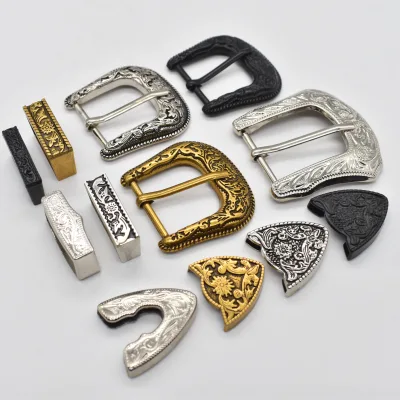


Western Belt Buckletrendy Auto-Rotating Buckles - Men's Collection on Sale
$0.35 - $1.50
MOQ: 200 Pieces


Comprehensive Sourcing Guide
Retro Carved Belt Buckle Sourcing Guide
Sourcing retro carved belt buckles requires a nuanced understanding of both aesthetic trends and functional hardware requirements. Buyers must distinguish between purely decorative pieces and those designed for heavy-duty garment use. The market offers a wide variety of finishes, from antique gold to polished silver, each demanding specific care during inspection. Understanding the material composition is the first step in ensuring the final product meets durability expectations.
Procurement teams should focus on verifying the surface treatment and plating quality, as these factors significantly impact longevity. Zinc alloy and stainless steel are common materials, each offering distinct advantages in terms of weight and corrosion resistance. The carving depth and detail must be consistent across units to maintain brand integrity. Buyers need to establish clear visual standards for the "retro" aesthetic to avoid receiving items that appear dated rather than vintage-inspired.
Product Scope and Observed Listing Signals
The current market landscape for belt buckles includes a diverse range of product types, from simple transmission belts to complex buckle assemblies. Listings often highlight specific model numbers such as K39, D8, and D81, indicating a standardized production framework. These identifiers help buyers track specific designs and ensure consistency in future orders. The presence of multiple model codes suggests that suppliers maintain a broad inventory to accommodate various design preferences.
Observed product attributes reveal a strong emphasis on customization and branding capabilities. Many suppliers offer OEM and ODM services, allowing buyers to imprint custom logos through embossing, hot-stamping, or silk printing. This flexibility is crucial for brands seeking to differentiate their accessories. The availability of samples further supports the evaluation process, enabling buyers to assess physical quality before committing to large-scale production runs.
Technical Specifications to Verify
Technical verification begins with confirming the material composition, as listings may cite zinc alloy, stainless steel, or general metal. Buyers must ensure the specified material aligns with the intended application, particularly regarding weight and strength. The single package size and gross weight provide critical data for logistics planning and cost estimation. Accurate dimensions, such as 6x6x2 cm, help in designing packaging that protects the buckles during transit.
Surface treatment processes like plating, polishing, and grinding are essential for achieving the desired retro aesthetic. Buyers should verify the thickness and adhesion of these treatments to prevent peeling or tarnishing over time. The inclusion of specific model numbers like Steel Buckle-093N indicates a standardized approach to manufacturing. Understanding these technical details ensures that the final product meets both functional and visual requirements.
Compliance and Safety Documentation
Compliance documentation is vital for ensuring that belt buckles meet international safety and quality standards. Listings may reference certifications such as ISO and CE, which indicate adherence to specific regulatory frameworks. Buyers should request valid certificates to verify that the supplier maintains a robust quality management system. These documents provide assurance that the manufacturing process is controlled and consistent.
Additionally, buyers must consider the chemical safety of the materials used, particularly regarding heavy metal content in plating. While specific test results are not provided in the current data, buyers should inquire about compliance with REACH or similar regulations. Ensuring that the buckles are safe for skin contact is crucial, especially for products intended for direct wear. Proper documentation helps mitigate legal risks and enhances brand reputation.
Cost Drivers and Commercial Terms
Cost drivers for retro carved belt buckles include material selection, surface treatment complexity, and order volume. Zinc alloy and stainless steel offer different price points, with stainless steel generally commanding a higher cost due to its durability. The MOQ ranges observed, from 1 to 1000 pieces, allow for flexibility in order sizing. Buyers should negotiate terms that align with their inventory needs and cash flow constraints.
Commercial terms also encompass packaging and shipping logistics. Suppliers may offer various packing options, from individual OPP bags to carton and wooden pallet configurations. These choices impact the final landed cost and must be factored into the total procurement budget. Understanding the full scope of commercial terms helps buyers avoid hidden costs and ensures a transparent purchasing process.
Supplier Qualification and Quality Control
Supplier qualification involves assessing the manufacturer's capability to deliver consistent quality across large orders. Buyers should verify the supplier's production capacity and quality control processes, including in-line inspections and final audits. The mention of high-quality standards and customized logo acceptance suggests a mature manufacturing environment. Evaluating these factors helps ensure that the supplier can meet specific brand requirements.
Quality control measures should include checks for surface defects, plating uniformity, and mechanical functionality. Buyers must establish clear acceptance criteria for the retro carving details and overall finish. Regular communication with the supplier regarding quality expectations is essential to prevent discrepancies. Implementing a robust QC plan minimizes the risk of receiving substandard products and protects the brand's image.
Long-Term Procurement Checks
Long-term procurement success depends on establishing a reliable supply chain that can adapt to changing market demands. Buyers should monitor supplier performance metrics, such as on-time delivery rates and defect percentages. Regular reviews of these metrics help identify potential issues early and allow for corrective actions. Maintaining a strong relationship with the supplier fosters collaboration and continuous improvement.
Additionally, buyers should stay informed about industry trends and material innovations that could impact product design. The ability to customize products, including logo and finish options, remains a key competitive advantage. By continuously evaluating supplier capabilities and market conditions, buyers can ensure that their retro carved belt buckles remain relevant and high-quality. This proactive approach supports sustainable growth and brand loyalty.
FAQs
What materials are used for the belt buckles?
The belt buckles are primarily made from zinc alloy and stainless steel. Some options also include metal materials with high mirror polished surfaces. These materials ensure durability and a premium finish suitable for various garment accessories and belts.
Can I request a customized logo on the product?
Yes, customized logos are available for these belt buckles. You can choose from embossing, hot-stamping, silk printing, or metal logo plating. The supplier accepts OEM and ODM services to meet your specific branding requirements for the final product.
What is the minimum order quantity for these items?
The minimum order quantity varies by product but is typically around 300 pieces. Some listings indicate an MOQ of 500 pieces for specific steel buckle models. Buyers should verify the exact quantity required for their chosen model number before placing an order.
Which certifications do the manufacturers hold?
The products are certified under ISO and CE standards. These certifications ensure that the manufacturing processes meet international quality and safety requirements. Buyers can rely on these standards when sourcing belt buckles for global markets requiring compliance.
How are the products packaged for shipment?
Products are packed in poly bags or OPP bags individually. Bulk packaging often involves 50 pieces per box and 10 boxes per carton. Some larger orders may use cartons with wooden pallets to ensure safe transport and protection during shipping.
Where are these belt buckles manufactured?
The products originate from Guangdong, China, and Quanzhou. These locations are known for their manufacturing capabilities in garment accessories. Buyers can expect efficient logistics and established supply chains from these specific regions in China.
What surface treatments are applied to the buckles?
Surface treatments include plating, polishing, and grinding. Some items feature high mirror polished finishes to enhance their aesthetic appeal. These processes ensure a smooth texture and a durable coating suitable for long-term use on belts and garments.