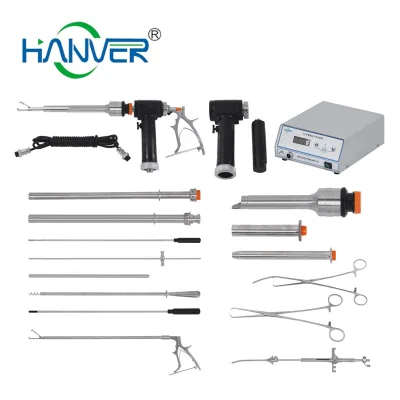
Source Reusable Gynecology Morcellator for surgery, tissue repair, and obstetrics
Find 30 verified options for the Reusable Gynecology Morcellator suitable for gynecologic surgery and tissue repair. Compare models like SY-P013 and HF3009 from Chinese manufacturers with ISO and FDA certifications to select the right instrument for your needs.
Key considerations
Products List

Gynecology Laparoscopic Hysterectomy Apparatus Hysterectomy Morcellator
$688.00 - $1688.00
MOQ: 1 Pieces

Good Quality Hysterectomy Morcellator Gynecology Laparoscopic Electronic Uterus Morcellator
$688.00 - $1688.00
MOQ: 1 Pieces

Gynecological Instruments Electric Morcellator for Laparoscopic Surgery
$688.00 - $1688.00
MOQ: 1 Pieces


High Quality Multifunctional Reusable Vaginal Uterine Manipulator Price
$69.00 - $159.00
MOQ: 1 Pieces


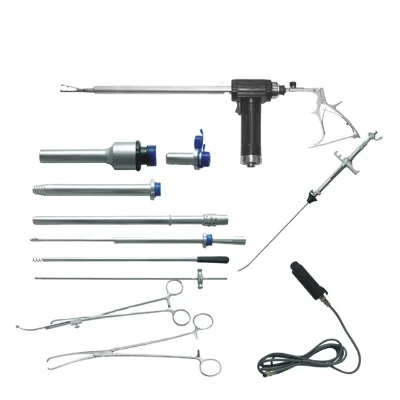
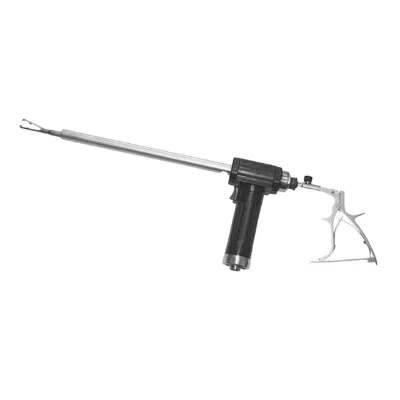
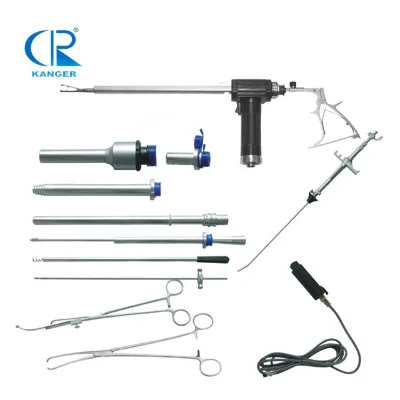
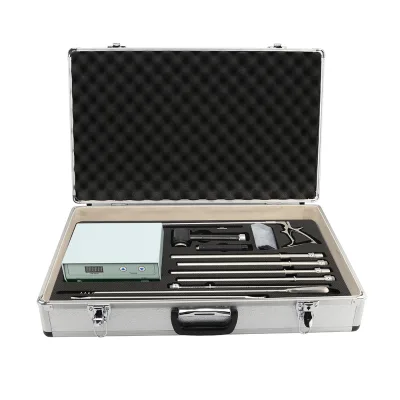
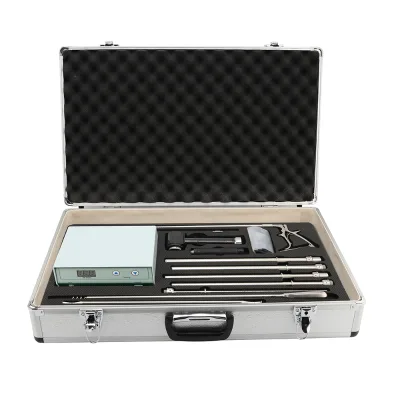
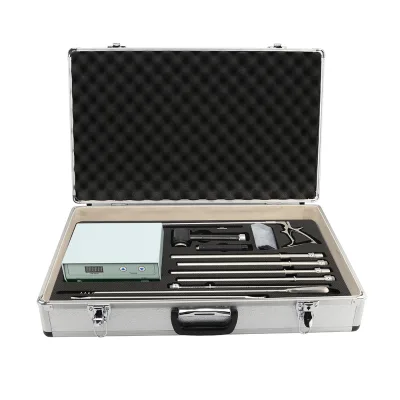
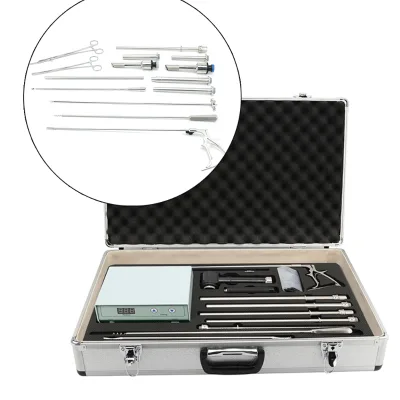
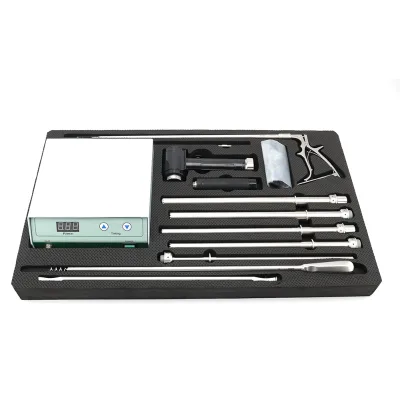
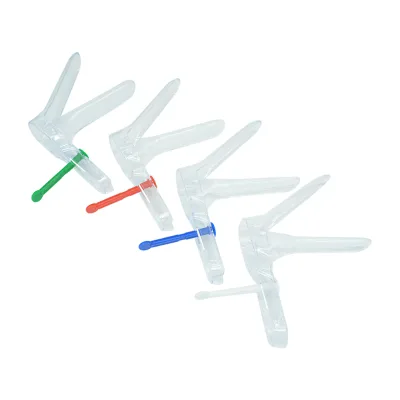
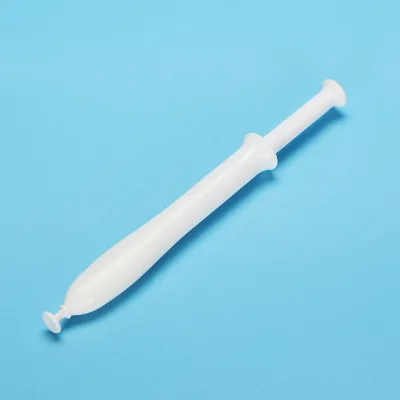
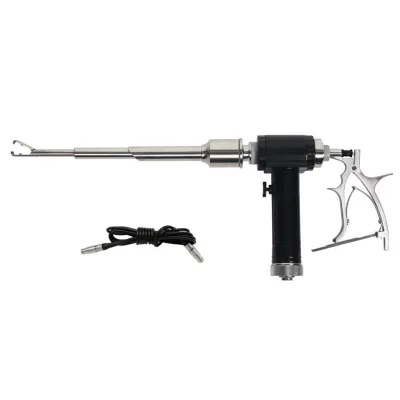
IN-Y3013 Electric Gynecology Surgical Instruments Vaginal Morcellator Instruments
$101.09 - $505.44
MOQ: 1 Minimum
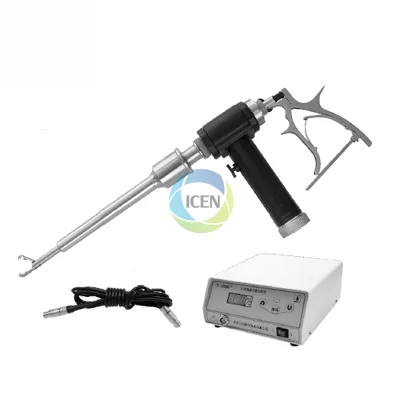
IN-P1 Medical Gynaecology Instruments Uterus Resector Urine Morcellator Laparoscopic
$600.00 - $800.00
MOQ: 1 Minimum


Comprehensive Sourcing Guide
Strategic Sourcing Guide for Reusable Gynecology Morcellators
Understanding the Technical Landscape of Reusable Systems
When researching reusable gynecology morcellators, buyers must first distinguish between manual and electric power sources, as this fundamental attribute dictates the operational workflow and clinical setting. The available market data indicates a divergence in power sources, with some units operating on electricity while others rely on manual mechanisms. This distinction is critical for procurement because electric models often integrate advanced features such as LCD displays and electrotherapeutic theories, whereas manual systems prioritize portability and mechanical simplicity. The material composition is another primary technical variable; observed listings specify both metal and steel constructions, suggesting a range of durability and sterilization compatibility.
The functional classification of these devices is explicitly tied to gynecologic surgery and tissue repair. Buyers should verify that the specific model number aligns with the intended surgical procedure, as models like SY-P013 and HF3009 represent distinct configurations. Furthermore, the usability profile is consistently noted as "Reusable," which implies a design intended for multiple cycles of sterilization and use, rather than single-use disposables. This reusability is a key cost driver, but it also necessitates rigorous maintenance protocols. The physical specifications, such as the standard dimension of $\Phi$ 10x400mm for certain instruments, must be cross-referenced with the surgical requirements of the facility. Additionally, the instrument classification is identified as Class II, a regulatory designation that influences the level of oversight required during the procurement and usage phases.
Compliance and Certification Verification Protocols
Navigating the regulatory landscape is perhaps the most critical step in sourcing medical devices. The provided data highlights specific certifications, including FDA and ISOCE, which appear on certain listings. However, buyers must exercise extreme caution, as certification status is not uniform across all products in the category. Some entries list "FDA, ISOFeature:Reusable," while others mention only "ISOCE." It is imperative to treat these as observations of specific listings rather than universal guarantees for the entire product category.
Buyers should not assume that a product labeled with "ISOCE" meets all local regulatory requirements in their specific jurisdiction. The presence of a certification label on a product page does not equate to a valid, current certificate for the specific batch being purchased. Furthermore, while background knowledge often references ISO 13485 or ISO 9001, these specific standards are not explicitly confirmed in the high-confidence product facts provided. Therefore, procurement teams must request valid, up-to-date copies of certificates directly from the supplier for the exact model number being ordered.
The instrument classification as Class II further underscores the need for rigorous compliance checks. In many markets, Class II devices require a 510(k) clearance or equivalent regulatory approval. Buyers must verify that the supplier can provide documentation proving the device's clearance for the specific application of gynecologic surgery. Relying on generic terms like "CE" without verifying the specific directive or the notified body number can lead to significant compliance risks. The "OEM: Acceptable" attribute suggests that branding may be flexible, but this does not alter the regulatory responsibility of the legal manufacturer to ensure the device meets all safety and efficacy standards.
Cost Drivers and Pricing Structure Analysis
The pricing landscape for reusable gynecology morcellators exhibits a vast range, with observed values spanning from $0.01 to $2,358.73. This extreme variance indicates that price alone is a poor indicator of value or quality. The lower end of the spectrum likely corresponds to individual components, accessories, or single-use variants mislabeled in broad listings, while the higher end reflects complete, complex electric systems with advanced features like LCD displays and electrotherapeutic capabilities.
Several factors drive the cost of these devices. The power source is a primary determinant; electric models with integrated displays and specialized theories generally command a higher price than manual counterparts. The material composition also plays a role, with high-grade steel or specialized metal alloys potentially increasing manufacturing costs. Additionally, the complexity of the model number, such as the distinction between SY-P013 and SY-P013-1, suggests that minor design variations can significantly impact pricing.
Buyers must also consider the Minimum Order Quantity (MOQ) as a cost factor. The observed MOQ range of 1 to 10,000 units creates a wide spectrum of purchasing power. A buyer requiring a single unit for a pilot program will face different unit economics than a hospital chain ordering 1,000 units. The "Supply Ability" of 100 pieces per month for certain models indicates that high-volume procurement may require longer lead times or multiple shipments. Packaging details, such as "Carton" or "Standard Export Packing," and the single gross weight of 13.000 kg for specific items, also influence logistics costs. Buyers should calculate the total landed cost, including shipping from ports like Shanghai, rather than focusing solely on the unit price.
Typical Applications and Clinical Integration
The primary application for these devices is clearly defined as gynecologic surgery, with specific mentions of obstetrics and gynecology equipment. The functional attribute of "Tissue Repair" suggests that these morcellators are designed to facilitate the removal of tissue masses, such as fibroids, through minimally invasive techniques. The term "laparoscopic laparoscopia en ginecologia" appears in the data, reinforcing the device's role in laparoscopic procedures.
When evaluating a device for clinical integration, buyers must ensure compatibility with existing surgical workflows. The distinction between "Gynecologic Surgery" and general "Gynecology" applications is important; a device intended for major surgery may not be suitable for minor outpatient procedures. The "Reusable" attribute implies that the device must be compatible with the facility's sterilization processes. Buyers should verify that the materials, such as steel or metal, can withstand repeated autoclaving without degradation.
The presence of an LCD display in some models indicates a need for digital integration within the operating room. These devices may require specific power supplies or data interfaces that differ from manual systems. The "Theory: Electrotherapeutics" attribute suggests that some devices may utilize electrical energy for cutting or coagulation, which requires specific safety protocols and trained personnel. Understanding the specific surgical indication is essential, as the device must be validated for the specific tissue types and surgical approaches used in the facility.
Supplier Evaluation and Operational Capabilities
Selecting a supplier for reusable gynecology morcellators requires a thorough evaluation of their operational capabilities and support infrastructure. The data indicates that suppliers are located in China, with specific mentions of Tonglu, Zhejiang, and general references to Zhejiang as the place of origin. While this geographic information is useful for logistics planning, it should not be the sole criterion for selection.
Buyers should prioritize suppliers who offer "Online Technical Support" as an after-sale service. Given the complexity of electric and reusable medical devices, immediate access to technical assistance is crucial for maintaining surgical safety and equipment uptime. The "OEM: Acceptable" attribute suggests that suppliers are willing to customize branding, which can be beneficial for hospital procurement programs, but buyers must ensure that OEM customization does not compromise the device's regulatory status or quality control.
The "Supply Ability" of 100 pieces per month for certain models highlights the importance of verifying production capacity. For large-scale procurement, a supplier with limited monthly output may not be able to meet demand without significant delays. Buyers should also assess the packaging details, such as "Foreign trade packaging for laparoscopia en ginecologia," to ensure that the shipping method protects the delicate instruments during transit. The port of dispatch, often Shanghai, should be factored into the logistics timeline.
Quality Control and Long-Term Procurement Strategy
Quality control for reusable devices extends beyond the initial purchase to the entire lifecycle of the product. The "Shelf Life" of 1 year noted in the data suggests that buyers must manage inventory carefully to avoid using expired components or accessories. However, for reusable devices, the "Shelf Life" often refers to the sterilization validity or the storage life of the packaging rather than the functional life of the metal instrument itself.
Buyers should implement a robust quality control plan that includes regular inspection of the devices for wear and tear, particularly on the cutting mechanisms and electrical components. The "Instrument classification: Class II" mandates that the device be monitored for performance and safety throughout its use. Long-term procurement considerations should include the availability of replacement parts, such as blades or handles, which are essential for maintaining the "Reusable" nature of the system.
The "Standard Export Packing" and "Standard Packing" attributes indicate that the packaging is designed for international shipping, but buyers should verify that the internal packaging provides adequate protection against corrosion and damage. The "Single package size" of 62X38X17 cm and the weight of 13.000 kg for specific items suggest that storage space and handling equipment must be planned for in the facility.
Final Procurement Considerations and Verification Steps
In conclusion, sourcing reusable gynecology morcellators requires a meticulous approach that balances technical specifications, regulatory compliance, and cost efficiency. Buyers must navigate a complex market where product attributes vary significantly between listings. The presence of specific model numbers like SY-P013, HF3009, and D-ZGJ indicates a diverse product range, and each model must be evaluated on its own merits.
The final step in the procurement process involves a comprehensive verification of all claims. Buyers should request detailed technical datasheets, valid certification documents, and proof of supply capability for the specific model they intend to purchase. The "After-sale Service" and "OEM" options should be negotiated clearly to ensure long-term support. By focusing on the specific attributes observed in the data, such as power source, material, and certification, buyers can make informed decisions that ensure patient safety and operational efficiency. The wide price range and MOQ flexibility offer opportunities for strategic sourcing, but they also demand a disciplined approach to due diligence to avoid the pitfalls of low-quality or non-compliant products.
FAQs
What power sources are available for reusable gynecology morcellators?
Available units operate on either electricity or manual power sources. Electric models often include LCD displays and electrotherapeutic functions, while manual systems prioritize mechanical simplicity for specific surgical workflows.
Which certifications are listed for these medical devices?
Some listings explicitly display FDA and ISOCE certifications. Buyers must verify valid certificates for specific batches rather than assuming all products in the category hold these regulatory approvals.
What is the typical shelf life for these reusable instruments?
The observed shelf life is 1 year for the listed products. This duration likely refers to the sterilization validity or storage life of the packaging rather than the functional life of the metal instrument.
Can buyers request customization or OEM branding for these devices?
Yes, customization is available and OEM branding is acceptable for many models. This allows hospitals to customize branding without altering the device's regulatory status or quality control measures.
What material composition is used for these surgical instruments?
The devices are constructed from metal and steel materials. These materials are selected to ensure durability and compatibility with repeated sterilization cycles required for reusable surgical equipment.
Where are the manufacturers of these morcellators located?
Products originate from China, with specific locations including Tonglu, Zhejiang. This geographic data assists in planning logistics and estimating shipping times from ports like Shanghai.