Source Disposable Dental Mixing Bowl for Filling Bonding Lining
Find 30 verified listings for the Disposable Dental Mixing Bowl to compare specifications from manufacturers in China. Buyers can evaluate options based on material, size, and certification for dental applications.
Key considerations
Products List


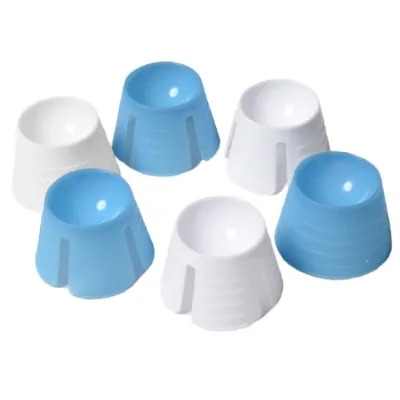
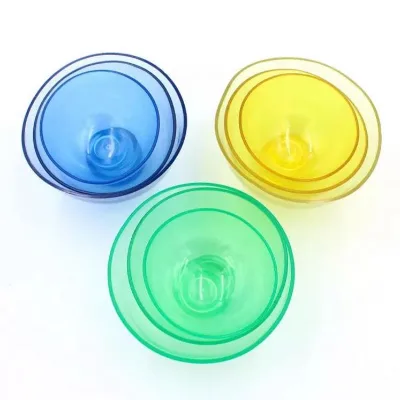


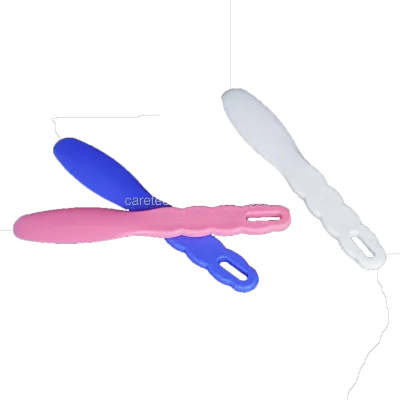
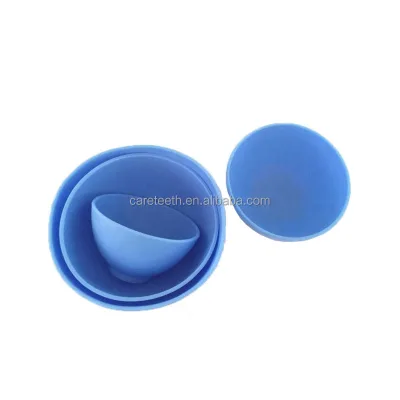
Comprehensive Sourcing Guide
Strategic Sourcing Guide for Disposable Dental Mixing Bowls
Navigating the global market for disposable dental mixing bowls requires a disciplined approach that balances clinical utility with supply chain reliability. Buyers in the dental sector must distinguish between generic mixing vessels and specialized instruments designed for specific dental materials, such as denture processing, filling, bonding, and orthodontic applications. The following guide outlines the critical factors for sourcing these items, grounded in observed market data and verified product attributes.
Technical Specifications and Material Composition
The foundation of a successful procurement strategy lies in understanding the precise technical specifications of the product. Market observations indicate a diverse range of materials and dimensions, which directly influence the bowl's suitability for different clinical procedures. The most common material identified in high-volume listings is plastic, specifically Polypropylene (PP), which offers a balance of chemical resistance and durability. However, buyers must also be aware of listings describing materials such as leather or silicone, which may serve niche applications or represent data inconsistencies that require verification.
Dimensions vary significantly across suppliers. Observed specifications include a "one size" configuration, as well as specific sizing options labeled as S, M, and Large. For buyers requiring precise fitment, specific diameter measurements such as 120*81mm are available. The physical footprint is equally critical for storage and sterilization workflows. Single package sizes observed in the market range from 20x10x15 cm to 20x20x20 cm, while the single gross weight varies between 0.500 kg and 1.000 kg depending on the packaging density and material thickness.
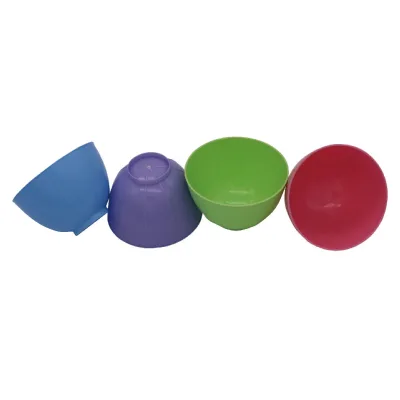
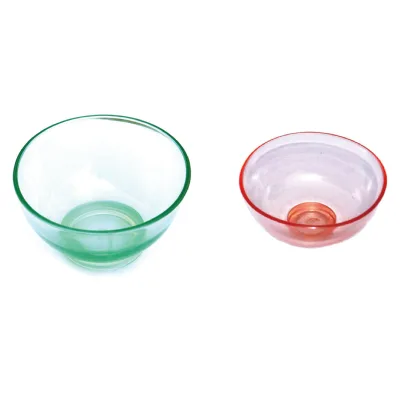
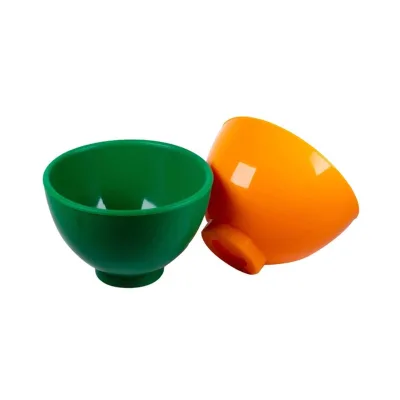
Color coding is another essential specification, often used to prevent cross-contamination between different dental materials. Available colors include blue, black, clear blue, and clear red. Some suppliers offer customization, allowing clinics to order specific color combinations to match their internal protocols. The model numbers associated with these variations, such as JL06847-6, JL06847-4, and U8864, serve as unique identifiers that buyers should use to ensure consistency in reordering.
Compliance and Certification Verification
In the medical device sector, regulatory compliance is non-negotiable. The primary certification observed in the current market data is the CE mark, which indicates conformity with health, safety, and environmental protection standards for products sold within the European Economic Area. Buyers must verify that the CE certification applies specifically to the Class I instrument classification, which is the standard category for low-risk medical devices like mixing bowls.
While the CE mark is a frequent attribute, it is not a universal guarantee of quality without supporting documentation. Buyers should request the specific Certificate of Conformity and ensure it matches the model number and batch of the product being purchased. Additionally, the shelf life of the product is a critical compliance factor. Observed shelf life durations range from 3 years to 5 years. This variance suggests that different material formulations or packaging methods result in varying stability periods. Procurement teams must align their inventory turnover rates with the stated shelf life to prevent the use of expired materials, which could compromise the integrity of dental mixtures.
The classification of the product as a Class I instrument implies a lower regulatory burden compared to higher-risk devices, but it does not exempt the supplier from maintaining a quality management system. Buyers should confirm that the supplier's facility adheres to relevant ISO standards for medical device manufacturing, even if not explicitly listed in the initial product description.
Cost Drivers and Pricing Dynamics
Understanding the cost structure of disposable dental mixing bowls is essential for budget management. The observed price range in the market spans from $0.01 to $7.55 USD per unit. This wide disparity is driven by several factors, including material quality, packaging density, and order volume. The lowest price points typically correspond to bulk orders of basic plastic bowls with minimal packaging, while higher prices may reflect specialized designs, custom branding, or smaller order quantities.
The Minimum Order Quantity (MOQ) is a significant driver of unit cost. Market data shows MOQs ranging from 5 pieces to 10,000 pieces. Suppliers offering lower MOQs, such as 100 or 160 pieces, often charge a premium per unit to cover setup and handling costs. Conversely, suppliers with high supply capabilities, such as 999 pieces per month, may offer more competitive pricing for larger orders. Buyers should calculate the total landed cost, including shipping and duties, rather than focusing solely on the unit price.
Packaging details also influence cost. Standard packaging often involves cartons containing 160 to 180 pieces per carton. However, some listings specify "single item" selling units, which are suitable for trial orders but less cost-effective for long-term supply. The single gross weight of the package, ranging from 0.5 kg to 1.0 kg, directly impacts shipping costs, particularly for air freight. Buyers should optimize their order volume to maximize carton utilization and minimize per-unit shipping expenses.
Typical Applications and Clinical Utility
The versatility of disposable dental mixing bowls makes them suitable for a wide array of clinical applications. The observed usage categories include denture processing, filling material mixing, bonding material preparation, and orthodontic material application. Specific applications also extend to planting materials, dental preventive health care, lining materials, maxillofacial prosthesis materials, and polishing materials.
The "Nature" of the product is often described as shared instrument equipment, indicating that these bowls are designed for single-use scenarios to maintain strict hygiene standards. The "Usage Times" attribute is consistently listed as "Disposable," reinforcing the need for a reliable supply chain to prevent stockouts during critical procedures. The applicability is further narrowed to the Oral Health Department, where the bowls are used in conjunction with various dental materials.
Buyers should match the bowl's material and size to the specific procedure. For instance, larger bowls may be required for mixing bulk denture materials, while smaller sizes might suffice for precise bonding applications. The color options (blue, black, clear) can be utilized to differentiate between different types of materials, reducing the risk of cross-contamination. The "Feature" attribute highlighting "Eco-Friendly" and "Disposable" suggests a growing market trend toward sustainable, single-use solutions that reduce the need for sterilization and lower the risk of infection.
Supplier Evaluation and Origin Analysis
Selecting the right supplier requires a thorough evaluation of their location, production capacity, and reliability. The primary places of origin for these products are Zhejiang, Anhui, and Hebei in China. Each region may have different manufacturing strengths and logistical advantages. Zhejiang is a major hub for medical device manufacturing, while Anhui and Hebei also host significant production facilities.
Suppliers vary in their supply ability, with some capable of producing 999 pieces per month, while others may have higher capacities. The "Brand Name" and "Brand" attributes observed include JOINLINGMED, AI, and AIC. While brand recognition can be a factor, buyers should prioritize the supplier's track record and quality control processes over brand name alone. The "Customization" attribute being "Available" is a strong indicator of a supplier's flexibility, allowing clinics to request specific packaging, labeling, or color schemes.
When evaluating suppliers, buyers should verify the consistency of the model numbers and product names. Discrepancies, such as a product listed as "Dental Mixing Silicon Bowl" versus "Dental Mixing Bowl," may indicate different product lines or potential data errors. It is crucial to ensure that the supplier can consistently deliver the exact specifications required, including the correct model number, material composition, and packaging details.
Quality Control and Long-Term Procurement
Establishing a robust quality control (QC) protocol is vital for maintaining the integrity of dental procedures. Buyers should implement a receiving inspection process that verifies the physical condition of the bowls, the accuracy of the labeling, and the validity of the CE certification. The shelf life of 3 to 5 years provides a buffer for inventory management, but buyers must rotate stock to ensure older batches are used first.
Long-term procurement considerations involve building a relationship with suppliers who can guarantee consistent quality and supply continuity. The "Single package size" and "Package" details (e.g., 160pcs/ctn) should be standardized to simplify storage and inventory tracking. Buyers should also consider the "Power Source" attribute, which is listed as "Manual" for these bowls, indicating that they do not require electrical components, thus reducing the risk of mechanical failure.
To mitigate supply chain risks, buyers should diversify their supplier base across different regions, such as Zhejiang and Anhui, to avoid disruptions caused by regional logistical issues. Regular audits of the supplier's quality management system and production facilities can help ensure ongoing compliance with medical device standards. Finally, maintaining clear communication regarding customization needs and order volumes will help suppliers align their production schedules with the buyer's clinical demands, ensuring a steady flow of high-quality disposable mixing bowls for dental practices.
Comparative Analysis of Product Attributes
To facilitate decision-making, the following table summarizes the key attributes observed in the market, highlighting the variations buyers must navigate.
| Attribute | Observed Values | Procurement Consideration |
|---|---|---|
| Material | Plastic, PP, Leather, Silicone | Verify material compatibility with dental chemicals; PP is most common. |
| Size | One size, S, M, Large, 120*81mm | Match size to specific clinical application (e.g., denture vs. bonding). |
| Color | Blue, Black, Clear Blue, Clear Red | Use for color-coding different materials to prevent cross-contamination. |
| Shelf Life | 3 Years, 5 Years | Align inventory turnover with shelf life to prevent expiration. |
| Certification | CE (Class I) | Verify specific certificate for the model number and batch. |
| MOQ | 5, 100, 160, 10,000 pcs | Balance order volume with storage capacity and cash flow. |
| Origin | Zhejiang, Anhui, Hebei, China | Consider logistics and lead times based on regional production hubs. |
| Packaging | 160/180 pcs/ctn, Single item | Optimize carton utilization to reduce shipping costs. |
| Weight | 0.500 kg, 1.000 kg (Single Gross) | Factor into shipping cost calculations, especially for air freight. |
| Application | Denture, Filling, Bonding, Orthodontic | Ensure the bowl design supports the specific material being mixed. |
This comparative overview underscores the importance of detailed specification checks. By carefully reviewing these attributes, buyers can select products that meet their specific clinical and operational requirements while maintaining compliance with medical device regulations. The diversity in the market offers flexibility, but it also demands a rigorous selection process to ensure that the chosen disposable dental mixing bowls deliver the expected performance and safety standards.
FAQs
What materials are used for disposable dental mixing bowls?
Most bowls are made of plastic or Polypropylene (PP), though some listings mention silicone or leather. Buyers must verify the specific material composition to ensure chemical resistance for dental applications like bonding or denture processing.
Which certifications should I look for in these products?
The CE mark is the primary certification observed, indicating conformity for Class I instruments. Buyers should request the specific Certificate of Conformity to ensure it matches the model number and batch of the product being purchased.
How does the shelf life vary across different suppliers?
Observed shelf life durations range from 3 years to 5 years depending on the material formulation. Procurement teams must align inventory turnover rates with the stated shelf life to prevent the use of expired materials that could compromise dental mixtures.
Can I customize the color or packaging of the bowls?
Yes, customization is available for specific color combinations and packaging details. Suppliers offer colors like blue, black, and clear red to help prevent cross-contamination between different dental materials during clinical procedures.
What is the typical minimum order quantity for these items?
Minimum Order Quantities range widely from 5 pieces to 10,000 pieces depending on the supplier. Lower MOQs like 100 or 160 pieces often carry a higher unit cost to cover setup and handling expenses for smaller orders.
Which countries manufacture these dental mixing bowls?
Products originate from Zhejiang, Anhui, and Hebei in China. Buyers should evaluate suppliers across these regions to ensure supply continuity and verify that manufacturing facilities adhere to relevant quality management systems.