Source CE White Dental Porcelain for Labs, Clinics, and Studios
Compare 30 listings for CE White Dental Porcelain from verified suppliers. Buyers can evaluate options for dental labs, clinics, and studios based on available certifications and specifications.
Key considerations
Products List


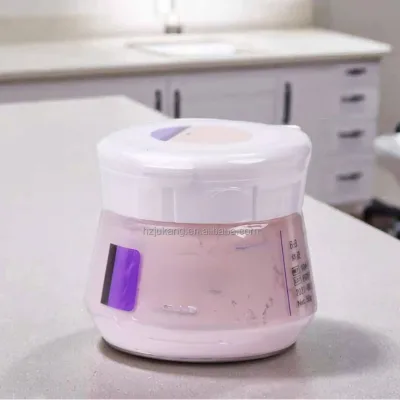
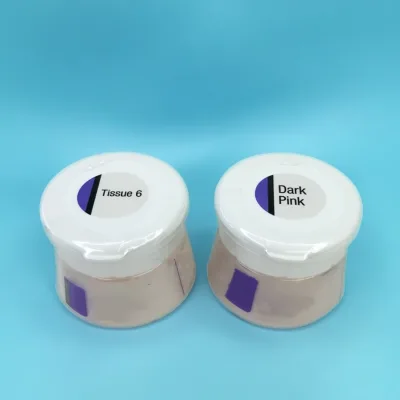


Comprehensive Sourcing Guide
Strategic Sourcing Guide for CE-Certified Dental Porcelain Systems
The procurement of dental porcelain materials, specifically those marketed under the designation of "CE White Dental Porcelain," requires a rigorous approach to verify both material integrity and regulatory compliance. In the global B2B market, the term "white" often refers to the aesthetic shade range or the base material composition, while "CE" indicates conformity with European health, safety, and environmental protection standards. Buyers must navigate a complex landscape where product attributes vary significantly between suppliers, even when the core keyword remains identical. This guide outlines the essential technical, regulatory, and operational factors that procurement professionals must evaluate to ensure the acquisition of high-quality dental porcelain powders and related processing materials.
Technical Specifications and Material Composition
When sourcing dental porcelain, the primary technical differentiator lies in the material composition and the specific shade system offered. The supplied data indicates that high-grade dental porcelain powders, such as those labeled as "Zirconia porcelain powder" or "Dental Porcelain Powder," are available in a comprehensive shade range. These ranges typically include standard shades like A1, A2, A3, A3.5, A4, B1, B2, B3, B4, C1, C2, C3, C4, and D2, D3, D4. This extensive palette is critical for restorative dentistry, allowing clinicians to match natural tooth coloration accurately.
The physical specifications of these materials are equally important. Data points suggest that individual units of porcelain powder may have a weight of approximately 28.4 grams, packaged in specific containers. The nature of the product is defined as "Specialized Equipment" or "Dental Health Materials," implying that these are not generic ceramics but engineered materials designed for specific clinical applications. The material itself is often associated with a ceramic base, sometimes described in specifications as a "Ceramic base ceramic tube" or similar structural descriptions. Buyers must verify the particle size distribution and firing temperature compatibility, as these factors directly influence the final strength and translucency of the dental restoration. While the keyword "white" suggests a specific aesthetic, the actual product performance depends on the precise chemical formulation of the porcelain powder, which must be compatible with the intended sintering process.
Regulatory Compliance and Certification Verification
The presence of the CE mark is a fundamental requirement for any dental material intended for the European market. The supplied facts explicitly confirm that products such as "Dental Porcelain Powder" and "Dental Impression Tray" systems carry CE certification. Furthermore, some items in the supply chain, such as specific mixing bowls or instruments, may also hold ISO certification, indicating a broader adherence to international quality management standards.
However, the mere presence of a certification label on a product listing is insufficient for a procurement decision. Buyers must verify the scope of the certification. For dental materials, the CE mark typically signifies compliance with the Medical Device Regulation (MDR) or the previous Active Implantable Medical Devices Directive, depending on the classification. The data notes that certain instruments are classified as "Class II" medical devices, which necessitates a more rigorous conformity assessment process than Class I devices. When evaluating a supplier, the procurement team should request the specific Declaration of Conformity (DoC) and the associated technical file. This documentation should clearly state the product model number, the specific standards met, and the notified body involved in the assessment. Without this verification, the "CE" status remains an unverified claim that could expose the buyer to regulatory risks during product audits or market inspections.
Cost Drivers and Pricing Dynamics
The pricing structure for dental porcelain systems is influenced by several variables, including material composition, packaging, and order volume. The observed market data indicates a wide price range, with listed values spanning from 0.23 to 95 USD. This significant variance suggests that the "white dental porcelain" keyword encompasses both low-cost consumables, such as basic mixing bowls or disposable trays, and high-value specialized materials like zirconia powders or precision instruments.
The Minimum Order Quantity (MOQ) is a critical cost driver. The data reveals an MOQ range from 1 piece to 100 pieces. For high-value items like "Dental Porcelain Powder," the MOQ might be lower, potentially starting at 10 pieces, whereas bulk packaging for general supplies might require 100 pieces. Buyers should analyze the unit cost relative to the MOQ; a lower total price does not always equate to a better deal if the required inventory volume exceeds the clinic's consumption rate. Additionally, packaging costs play a role. Products are often shipped in "Carton" cases or "Box" packaging, with specific counts such as "12 pcs/box." The weight of the product, noted as 250g for certain trays or 28.4g for powder units, also impacts shipping logistics and final landed costs. Procurement strategies should focus on balancing the unit price against the storage capacity and the lead time required to replenish stock.
Typical Applications and Departmental Compatibility
Understanding the intended application of the porcelain material is essential for selecting the correct product variant. The supplied facts highlight that these materials are designed for the "Oral Rehabilitation Department," "Dental Department," and "Oral Health Department." The specific usage scenarios include "Denture Processing," "Dental Preventive Health Care Materials," and the application of "Embedded Material."
The "Dental Porcelain Powder" is specifically noted for its application in creating restorations, likely involving the layering of ceramic materials to achieve aesthetic results. The "Dental Impression Tray," described as "Waterproof" and available in "Round" or "Rectangular" shapes, serves as a critical tool in the initial phase of the dental workflow, ensuring accurate mold capture before the porcelain is applied. The distinction between "Disposable" and "Non-Disposable" usage times is also vital. While some trays are designed for single-use to maintain hygiene, others, such as specialized mixing bowls or instruments, are built for repeated sterilization and use. Buyers must align their procurement with the specific workflow of their dental practice, ensuring that the materials purchased are compatible with their existing equipment and clinical protocols.
Supplier Evaluation and Operational Capabilities
Evaluating a supplier for dental porcelain materials requires looking beyond the product listing to assess their operational capabilities. The data indicates that the place of origin for these products is primarily "China," with specific mentions of "Zhejiang" as a manufacturing hub. While this provides a geographical context, it does not guarantee quality without further verification.
Key evaluation criteria should include the availability of after-sales support. The supplied facts mention "Online Technician" services, which is a valuable asset for troubleshooting issues related to material application or equipment usage. Furthermore, the nature of the products as "Specialized Instrument Equipment" suggests that the supplier should possess technical expertise in dental materials science. Buyers should verify the supplier's ability to provide consistent stock, as the data notes "Stock: Yes" for certain items, but availability can fluctuate. The condition of the products is listed as "New," which is a baseline expectation, but buyers should also inquire about storage conditions to ensure the porcelain powder has not been compromised by humidity or temperature variations prior to shipment.
Quality Control and Long-Term Procurement Considerations
Ensuring long-term success in sourcing dental porcelain requires a robust quality control (QC) framework. The "Instrument classification" of Class II and the presence of CE and ISO certifications provide a baseline for quality, but ongoing verification is necessary. Buyers should implement a sampling protocol upon receipt of goods to check for physical defects, such as cracks in the ceramic base or inconsistencies in the powder color. The color range provided (A1 through D4) must be verified against the supplier's batch specifications to ensure that the "white" or specific shade matches the required clinical standard.
Long-term procurement considerations also involve the sustainability of the supply chain. The "Customization: Available" attribute suggests that suppliers may offer tailored solutions, such as specific packaging sizes or customized shade blends. However, customization often introduces variability in lead times and quality consistency. Buyers should establish clear service level agreements (SLAs) regarding delivery times, which are not explicitly defined in the provided data but are critical for inventory management. Additionally, the "After Services" component, including online technical support, should be formalized in the contract to ensure that any issues with material performance can be addressed promptly. By focusing on these operational and quality aspects, buyers can mitigate risks and ensure a steady supply of high-quality dental porcelain materials for their clinical needs.
Comparative Analysis of Product Attributes
To facilitate a clearer understanding of the available options, the following table summarizes key attributes observed in the supply data for dental porcelain and related equipment. This comparison highlights the diversity in specifications, certifications, and usage types that buyers must navigate.
| Product Category | Key Specification | Certification | Usage Type | MOQ Range | Origin |
|---|---|---|---|---|---|
| Dental Porcelain Powder | Shade A1-D4, 28.4g | CE, ISO | Specialized Material | 10 Pieces | China |
| Dental Impression Tray | Round/Rectangular, Waterproof | CE | Disposable/Non-Disposable | 100 PCS | China |
| Dental Mixing Bowl | Ceramic base, 50g | CE | Specialized Equipment | 100 PCS | China |
| Dental Polishing Disc | Fg1112D, Class II | CE, ISO | Specialized Instrument | 10 Pieces | Zhejiang, China |
| Zirconia Porcelain Powder | Model B1B/B2B, Manual | CE | Dental Health Material | Variable | China |
This table illustrates that while the core keyword "CE White Dental Porcelain" points to a specific material category, the surrounding ecosystem includes a wide array of complementary tools and materials. Each category has distinct certification requirements, usage profiles, and order constraints. A successful procurement strategy involves selecting the right combination of these items to support a complete dental workflow, ensuring that every component meets the necessary regulatory and quality standards. By adhering to these guidelines, buyers can confidently source materials that enhance clinical outcomes while maintaining compliance with international regulations.
FAQs
What certifications do CE White Dental Porcelain products hold?
Products carry CE certification, and some items also hold ISO certification. This ensures compliance with European health and safety standards for medical devices used in dental applications.
Which shade ranges are available for dental porcelain powder?
The powder is available in a comprehensive range including A1, A2, A3, A3.5, A4, B1 through B4, C1 through C4, and D2 through D4. This palette allows clinicians to match natural tooth coloration accurately.
How much does a unit of dental porcelain powder weigh?
Individual units of porcelain powder typically weigh 28.4 grams. This specific weight is standard for the packaging of specialized dental health materials used in restorative procedures.
Can buyers customize the packaging for these dental materials?
Customization is available for these products. Buyers can request tailored solutions such as specific packaging sizes or customized shade blends to meet unique clinical workflow requirements.
What is the minimum order quantity for dental porcelain powder?
The minimum order quantity for dental porcelain powder is 10 pieces. This allows clinics to start with smaller volumes while ensuring access to high-grade specialized materials.
Which departments use CE White Dental Porcelain materials?
These materials are designed for the Oral Rehabilitation Department, Dental Department, and Oral Health Department. They support applications like denture processing and preventive health care materials.