Source Reusable Waterproof Adult Feeding Bib for Kitchen, Safety, and Sanitary Use
Find and compare 30 options for a Reusable Waterproof Adult Feeding Bib designed for kitchen, safety, and sanitary applications. Evaluate materials like cotton, polyester, and silicone, along with customization and logo printing services for bulk orders.
Key considerations
Products List


Factory Wholesale Adult Feeding Bibs Easy Fastening Waterproof Washable Eating Bibs
$0.90 - $2.50
MOQ: 500 Pieces


Customized Many Colors Soft Premium Multi Purpose Adult Bib for Medical
$0.02 - $0.03
MOQ: 100000 Piece


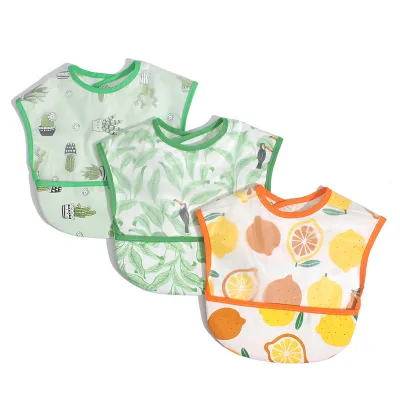
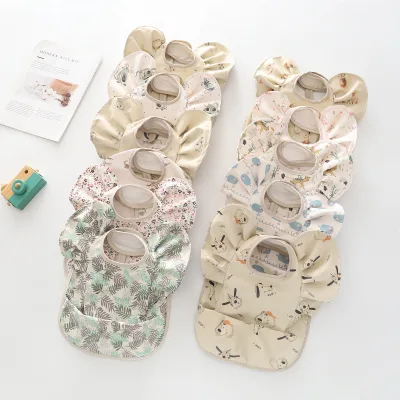
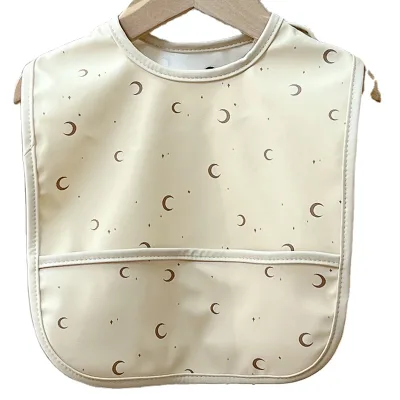


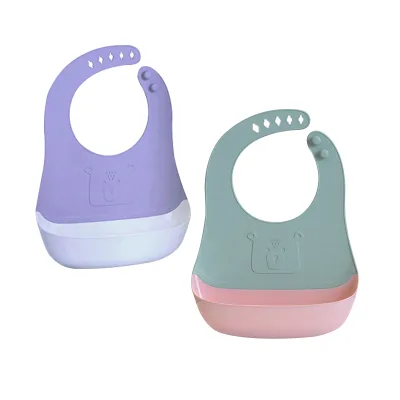


Comprehensive Sourcing Guide
Reusable Waterproof Adult Feeding Bib Sourcing Guide
Sourcing reusable waterproof adult feeding bibs requires a careful balance between material durability, hygiene standards, and user comfort. These products are designed for caregivers and individuals with mobility or swallowing difficulties, serving both kitchen and safety-protective environments. The market offers a diverse range of options, from simple printed cotton blends to advanced silicone and vinyl constructions. Buyers must navigate varying material compositions, such as wood pulp paper with PE lining, viscose/cotton mixes, and pure silicone, to find the right fit for their specific distribution channels or end-user needs.
The procurement landscape is characterized by significant variability in customization capabilities and packaging formats. Suppliers frequently offer OEM/ODM services, allowing for customized logos and colors, which is critical for private-label branding. However, the lack of uniformity in product standards means that buyers must rigorously verify specifications such as dimensions, weight, and packing quantities. Understanding these nuances is essential to avoid discrepancies between ordered samples and bulk shipments, ensuring that the final product meets both functional requirements and aesthetic expectations.
Product Scope and Observed Listing Signals
The observed product range highlights a clear segmentation based on material and intended use. Listings indicate products made from cotton, polyester with vinyl backing, silicone, and wood pulp paper combined with PE. For instance, models like AB-239 and AB-266 suggest variations in size and material composition, with some featuring printed patterns and others offering logo printing services. The presence of "Latex-Free" attributes in some listings is a crucial signal for buyers targeting users with specific allergies, while the "Non-Disposable" tag confirms the reusable nature of the core product category.
Packaging and dimensional data provide further insight into the operational scale of these products. Sizes range from compact 24x38 cm options to larger 47x90 cm bibs, catering to different body types and coverage needs. Packaging varies from individual frosted zipper bags to bulk cartons containing hundreds of pieces, such as the 500pcs/PE bag configuration seen in models DCP-5805 and DCP-5806. These variations impact storage logistics and retail presentation, requiring buyers to align their supply chain capabilities with the specific packaging formats offered by potential suppliers.
Technical Specifications to Verify
Dimensional accuracy and weight are primary technical factors that influence user satisfaction and shipping costs. Buyers should verify exact measurements, as observed standards include sizes like 50x75 cm, 40x60 cm, and 35x47 cm. The weight of the bibs also varies significantly, ranging from lightweight 7.4g options to heavier 48g or 40g silicone models. These differences affect the perceived quality and durability of the product, with heavier items often indicating thicker materials or more robust construction suitable for long-term use.
Material composition and feature sets must be cross-referenced with the product model numbers to ensure consistency. For example, silicone models like BB-1509 are often marketed as eco-friendly and washable, whereas cotton or viscose blends may require different care instructions. Buyers must confirm whether the "waterproof" claim applies to the entire surface or just specific layers, particularly in composite materials like polyester+vinyl. Additionally, verifying the presence of features such as adjustable neck closures or pocket designs is essential, as these functional elements are not always explicitly detailed in basic listing attributes.
Compliance and Safety Documentation
Safety compliance is paramount when sourcing products intended for adult use, especially those involving food or sanitary applications. While specific certification statuses like CE are mentioned in background data, buyers must independently verify that suppliers hold valid certifications for the materials used, particularly for silicone and vinyl products that come into direct contact with skin and food. It is critical to request material safety data sheets (MSDS) and test reports that confirm the absence of harmful substances, such as phthalates in vinyl or latex in elastic components.
Hygiene and sanitary standards should be clearly documented by the supplier. Products labeled for "sanitary" use must meet relevant hygiene regulations, which may vary by destination market. Buyers should inquire about the manufacturing environment and whether the facility adheres to good manufacturing practices (GMP). Additionally, for products claiming to be eco-friendly, buyers should seek verification of biodegradability or recyclability claims, ensuring that these assertions are backed by credible third-party testing rather than mere marketing statements.
Cost Drivers and Commercial Terms
Pricing in this category is influenced by material costs, customization levels, and order volumes. The observed price range of 0-3.66 USD suggests a wide spectrum of options, from basic cotton bibs to premium silicone models. Buyers should note that significant price variations often correlate with the complexity of the manufacturing process, such as the need for specialized printing techniques or the use of higher-grade silicone. Understanding these cost drivers helps in negotiating better terms and selecting products that align with the target market's price sensitivity.
Minimum Order Quantities (MOQs) and commercial terms vary widely, with observed MOQs ranging from single pieces to millions of units. This flexibility allows buyers to start with small test orders or commit to large-scale production runs. However, buyers must carefully review payment terms, lead times, and shipping conditions. Suppliers located in regions like Zhejiang, China, may offer competitive pricing but require attention to import duties and logistics costs. Clear communication regarding these commercial terms is essential to avoid unexpected expenses and ensure timely delivery.
Supplier Qualification and Quality Control
Supplier qualification involves assessing their production capabilities, quality control processes, and responsiveness to customization requests. Buyers should prioritize suppliers who provide detailed product specifications and are transparent about their manufacturing processes. The availability of OEM/ODM services indicates a supplier's flexibility, but buyers must also evaluate their ability to maintain consistent quality across large orders. Requesting samples before placing bulk orders is a critical step to verify material quality, stitching integrity, and waterproof performance.
Quality control measures should be explicitly defined in the purchase agreement. Buyers should inquire about the supplier's inspection protocols, including pre-production, during-production, and pre-shipment inspections. For products with specific features like logo printing or custom colors, buyers must ensure that the supplier has robust processes to maintain color consistency and print durability. Additionally, establishing clear criteria for defect tolerance and return policies helps mitigate risks associated with potential quality issues in the final shipment.
Long-Term Procurement Checks
Long-term procurement success depends on continuous monitoring of supplier performance and market trends. Buyers should regularly review supplier reliability, including their ability to meet delivery deadlines and maintain consistent product quality over time. Building a strong relationship with suppliers can lead to better pricing, priority production slots, and improved support for future customization needs. Regular communication and feedback loops are essential to address any emerging issues promptly and to foster a collaborative partnership.
Market dynamics and regulatory changes may impact the sourcing strategy for reusable waterproof adult feeding bibs. Buyers should stay informed about new material innovations, such as more sustainable or hypoallergenic options, and adjust their product offerings accordingly. Additionally, monitoring competitor activities and consumer preferences can help identify opportunities for differentiation. By maintaining a flexible and informed sourcing approach, buyers can ensure that their product portfolio remains competitive and meets the evolving needs of their customers.
FAQs
What materials are used for reusable waterproof adult feeding bibs?
These bibs are typically constructed from cotton, polyester blended with vinyl, wood pulp paper with PE, silicone, or viscose and cotton blends. The choice of material depends on the specific model and intended use, such as kitchen safety or sanitary applications. Each material offers distinct properties regarding durability, washability, and eco-friendliness to suit different buyer requirements.
Can these bibs be customized with a logo or specific design?
Yes, customization is available for many models, including logo printing and accepting customized colors. Buyers can request OEM or ODM services to tailor the product to their brand identity. This flexibility allows for branded solutions in the kitchen or safety sectors, ensuring the final product meets specific aesthetic and functional needs while maintaining the core waterproof and adult-appropriate features.
What are the standard sizes for these reusable feeding bibs?
Standard sizes vary by model, with common dimensions including 47x90cm, 50x75cm, 40x60cm, 35x47cm, and 32.5x39cm. Some smaller variants measure 24x38cm. These dimensions are designed to provide adequate coverage for adults in kitchen or sanitary settings. Buyers should select the size that best fits their specific usage requirements and comfort preferences.
Are these bibs disposable or designed for long-term use?
These bibs are non-disposable and designed for reusable, long-term use. They are often labeled as eco-friendly and washable, making them suitable for repeated use in kitchen or safety applications. This durability distinguishes them from single-use alternatives, offering a sustainable option for adults who require sanitary protection while minimizing waste through regular cleaning and reuse.
What is the typical packaging for these bibs?
Packaging options include individual bags such as frosted zipper bags, OPP polybags, or PE bags, with carton quantities ranging from 120 to 500 pieces per carton. Standard carton sizes are approximately 51x30x25cm. This packaging ensures product protection during shipping and storage, facilitating easy distribution for buyers in the global market while maintaining hygiene and product integrity.
Where are these bibs manufactured?
These bibs are manufactured in Zhejiang, China. This region is known for its robust manufacturing capabilities in textiles and protective gear. Buyers sourcing from this location can access a wide variety of models with different materials and specifications, ensuring a reliable supply chain for reusable waterproof adult feeding bibs used in kitchen and sanitary applications.