Source ICU Ambulance Car for Emergency Transport, Patient Care, and Field Response
Source the ICU Ambulance Car from 30 verified listings to compare specifications for emergency transport, patient care, and field response. Evaluate options featuring diesel or gasoline engines, manual or automatic transmissions, and customizable medical equipment configurations to meet specific operational needs.
Key considerations
Products List
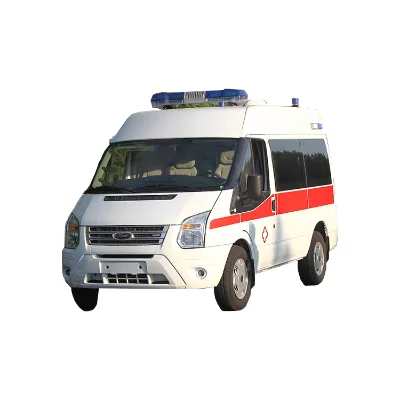
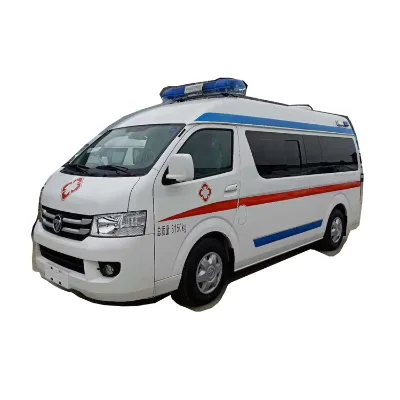
Chinese Low Price 1veco Emergency ICU ISO9001 CCC TUV Ambulance Car/Ambulance for Sale
$16979.90 - $17288.62
MOQ: 1 units

ICU Intensive Care Ambulance Vehicle Patient Transfer Medical Ambulance Car
$36000.00 - $56000.00
MOQ: 1 unit


Patient Transport Ambulance Car Medical Rescue Negative Pressure Ambulance
$20000.00 - $90000.00
MOQ: 1 Pieces

Hospital Ambulance Vehicle Saic Monitoring ICU Emergency Rescue Ambulance Car for Sale
$19500.00 - $29000.00
MOQ: 1 Pieces

New Condition Petrol ICU Transit Medical Clinic Emergence Vehicles Electric Ambulance Car
$18000.00 - $35000.00
MOQ: 1 Pieces

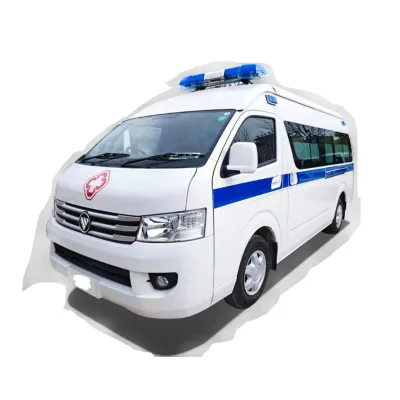
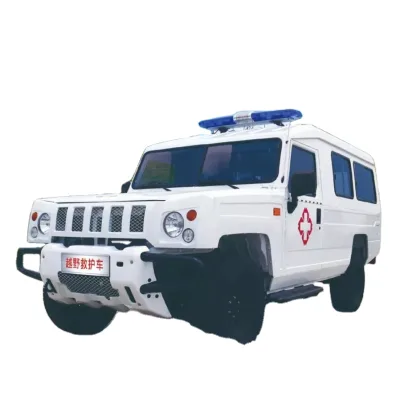
Life First Aid Vehicle 4*4 Classic Ambulance with Full Emergency Treatment
$21373.93 - $22391.73
MOQ: 1 units


Saic Maxus V80 Monitoring Ambulance ICU Emergency Rescue Ambulance Car Hospital Ambulance Vehicle
$11000.00 - $31100.00
MOQ: 1 Pieces


Medical Ambulance Transport Emergency Car Transport Rescue Ambulance
$11000.00 - $39000.00
MOQ: 1 Pieces

$15000.00 - $38000.00
MOQ: 1 Pieces

4X4 4WD ICU Emergency Hospital Transport and Monitoring Type Mercedes Ambulance
$15000.00 - $151100.00
MOQ: 1 Pieces


New Gasoline Hospital Cars Car Negative Pressure ICU Ambulance with Cheap Price
$15000.00 - $30000.00
MOQ: 1 Pieces

New Krankenwagen Gasoline Hospital Cars Car Vehicle ICU Ambulance with Factory Price
$15000.00 - $30000.00
MOQ: 1 Pieces

CCC Approved with Medical Equipment Gasoline ICU Hospital Cars Used Original Ambulance New
$38500.00 - $42500.00
MOQ: 1 Pieces


$15000.00 - $30000.00
MOQ: 1 Pieces
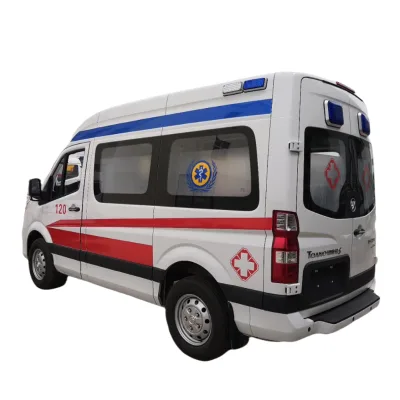
New Gasoline Hospital Cars Car Negative Pressure ICU Ambulance with Cheap Price
$18000.00 - $19000.00
MOQ: 1 sets
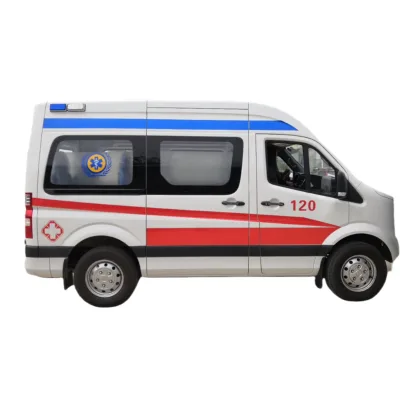


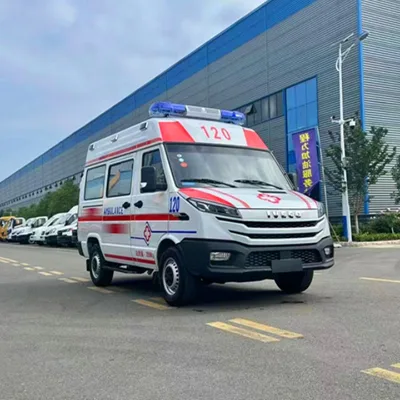
New Style ICU Ambulance 130HP Euro 5 Monitoring Ambulance Custom Ambulance Car
$35430.11 - $36765.16
MOQ: 1 units
Comprehensive Sourcing Guide
ICU Ambulance Car Sourcing Guide
Procuring an ICU Ambulance Car requires a rigorous evaluation of both the chassis platform and the specialized medical module integration. These vehicles are not standard transport units; they are mobile intensive care units designed to provide life-support capabilities during transit. Buyers must distinguish between basic transport ambulances and fully equipped ICU variants, as the latter demands higher power outputs, advanced electrical systems, and specific dimensional tolerances to accommodate ventilators, defibrillators, and monitoring equipment. The sourcing process begins with identifying suppliers who offer customizable chassis options, such as Foton, Dongfeng, or Iveco platforms, which are commonly referenced in the current market landscape.
The decision to source from manufacturers in Hubei, China, often hinges on supply chain efficiency and competitive pricing structures. Observed market data indicates a wide range of listing prices, typically spanning from $11,000 to $180,000 USD, reflecting the vast difference between bare chassis conversions and fully kitted ICU modules. Buyers must navigate this variance by clearly defining their medical equipment requirements upfront. Whether opting for a unit with integrated medical gear or purchasing a bare vehicle for local outfitting, understanding the total cost of ownership, including maintenance and spare parts availability, is critical for long-term operational success.
Product Scope and Observed Listing Signals
The current market offers a diverse array of ambulance configurations, ranging from 4x2 to 4x4 drive trains and left-hand or right-hand drive options. Listings frequently highlight brands such as XDR, OEM, and ODM providers, indicating a mix of branded and contract-manufactured vehicles. The observed product names often include generic descriptors like "FOTON Ambulance" or "First Aid Ambulance," alongside specific model numbers like YZR5040XJHJ5. Buyers should note that while some listings specify a single item selling unit, others imply bulk procurement capabilities with supply abilities reaching up to 300 sets per month, suggesting that large-scale institutional buyers may have leverage in negotiation.
Dimensional specifications vary significantly across listings, with some units measuring approximately 4963mm in length, while others fall within the 3 to 8-meter range. This variability impacts garage accessibility and parking logistics for end-users. Tire specifications also differ, with common sizes like 195/75R16C appearing in some contexts, while others list different metrics. Buyers must verify that the chosen dimensions align with their operational environment, particularly if the vehicle will be used in urban centers with narrow streets or rural areas requiring higher ground clearance. The presence of optional colors and customization services allows for branding alignment with local emergency services or private hospital networks.
Technical Specifications to Verify
Engine performance and transmission types are pivotal for ensuring the ambulance can handle heavy loads and emergency driving conditions. Listings indicate engine displacements ranging from 1748cc to 2438cc, with horsepower outputs varying from 136hp to over 210hp. It is essential to match the engine power to the expected weight of the ICU medical equipment, as underpowered units may struggle with air conditioning and auxiliary power demands. Transmission options include both manual and automatic systems, with the choice often depending on driver preference and regional licensing requirements. Buyers should confirm the wheelbase, which is often cited around 2933mm, as this affects the interior space available for the medical module.
Fuel type flexibility is another critical technical consideration, with suppliers offering both diesel and gasoline options. Diesel engines are generally preferred for their torque and fuel efficiency, while gasoline engines may be chosen for specific regional fuel availability or noise considerations. Emission standards, such as EURO 5, are commonly cited, but buyers must verify compliance with local environmental regulations in their destination country. Maximum speeds are listed between 120km/h and 140km/h, which is sufficient for emergency response but should be balanced against safety regulations and vehicle stability at high speeds. The axle configuration is typically single, which simplifies maintenance but may limit payload capacity compared to dual-axle setups.
Compliance and Safety Documentation
Certification requirements vary by region, but listings often reference standards such as ISO, CE, EPA, and EEC. Buyers must independently verify which certifications are valid for their target market, as these labels do not automatically guarantee compliance with local emergency vehicle regulations. The EN 1789 standard is a widely recognized benchmark for ambulance construction in Europe, but its applicability depends on the specific country of import. Documentation should include detailed technical manuals, warranty certificates, and proof of origin, which are essential for customs clearance and insurance purposes.
Safety features and medical equipment integration must be documented thoroughly. Some listings mention automatic loading stretchers and specific medical equipment inclusions, while others offer units without medical gear. Buyers need to ensure that the electrical system can support the power demands of ICU equipment, including ventilators and monitors, without overloading the vehicle’s alternator or battery. Warranty terms, often cited as 12 months, should be reviewed for coverage of both the chassis and the medical module. It is advisable to request detailed test reports or inspection certificates for the medical equipment installed, ensuring they meet clinical safety standards.
Cost Drivers and Commercial Terms
The price range of $11,000 to $180,000 USD reflects the complexity of the vehicle and the extent of customization. Key cost drivers include the chassis brand, engine power, and the level of medical equipment integration. Units with higher horsepower and advanced transmission systems command premium prices, as do those with specialized ICU modules featuring ventilators and monitoring systems. Buyers should request itemized quotes that separate the chassis cost from the medical module and any additional accessories, allowing for better budget allocation and potential cost savings through modular procurement.
Commercial terms such as MOQ (Minimum Order Quantity) and packaging details also influence the total cost. While some listings show an MOQ of 1, others may offer discounts for bulk orders, leveraging the stated supply ability of 300 sets per month. Packaging is typically described as waxed or standard export packaging, which protects the vehicle during transit but may incur additional handling costs. Buyers should clarify the port of dispatch, often Wuhan or Shanghai, and negotiate Incoterms to determine responsibility for shipping, insurance, and import duties. Understanding these commercial nuances helps in forecasting the landed cost accurately.
Supplier Qualification and Quality Control
Verifying the supplier’s capability is crucial, especially when dealing with OEM and ODM providers. Buyers should assess the supplier’s production capacity, which is often stated as 300 sets per month, to ensure they can meet delivery timelines. Quality control processes should include pre-delivery inspections of the chassis, engine performance tests, and verification of the medical equipment installation. Suppliers offering customization services should demonstrate a clear workflow for integrating specific medical devices, ensuring that modifications do not compromise the vehicle’s structural integrity or warranty.
Due diligence should extend to the supplier’s after-sales support and spare parts availability. Given that the place of origin is Hubei, China, buyers should establish clear communication channels for technical support and maintenance. Requesting references from previous buyers or visiting the manufacturing facility, if possible, can provide insights into the supplier’s reliability. Buyers should also verify the supplier’s ability to provide documentation for customs clearance, including certificates of origin and conformity. Establishing a strong relationship with a qualified supplier ensures long-term operational support and reduces the risk of procurement delays.
Long-Term Procurement Checks
Sourcing an ICU ambulance is not a one-time transaction but part of a long-term operational strategy. Buyers should plan for regular maintenance schedules, considering the vehicle’s mileage and usage intensity. The warranty period, typically 12 months, should be utilized to identify any manufacturing defects early. Buyers should also consider the lifecycle of the medical equipment, which may require upgrades or replacements more frequently than the vehicle itself. Establishing a maintenance contract with the supplier or a local service provider can help manage these costs effectively.
Future-proofing the procurement involves considering technological advancements in medical equipment and vehicle technology. Buyers should opt for vehicles with modular designs that allow for easy upgrades of medical devices. Additionally, staying informed about changes in emission standards and safety regulations ensures that the fleet remains compliant over time. Regular reviews of supplier performance and market trends can help buyers make informed decisions about fleet expansion or replacement. By maintaining a proactive approach to procurement, organizations can ensure their ICU ambulances remain reliable and effective in saving lives.
FAQs
What is the typical price range for an ICU Ambulance Car?
The observed price range for these units is between 11,000 and 180,000 USD. This variation depends on specific configurations, the inclusion of medical equipment, and the chosen brand such as Foton or Dongfeng.
Which drive types are available for these ambulance vehicles?
Available drive types include 4X2 configurations with options for both Left Hand Drive and Right Hand Drive. Some models also support 4X4 configurations to ensure mobility in various terrain conditions.
Can I customize the ambulance with specific medical equipment?
Customization is available for medical equipment requirements, allowing buyers to select units with or without integrated medical gear. The equipment specifications are tailored to meet specific operational needs and regional standards.
What is the supply capacity for ordering these vehicles?
The supplier offers a monthly supply ability of 300 sets per month. This capacity ensures timely delivery for bulk orders while maintaining the quality standards required for emergency medical transport vehicles.
Which certifications do these ambulance cars typically hold?
These vehicles often carry certifications including ISO, CCC, EPA, EEC, and CE. These standards verify compliance with international safety and emission regulations for the manufacturing and operation of the ambulance units.
What is the warranty period for the ambulance chassis?
The standard warranty period provided for these units is 12 months. This coverage applies to the vehicle structure and engine components to ensure reliability during the initial operational phase.
How is the ambulance packaged for international shipping?
The vehicles are packaged using waxed protection and standard export packages. This method ensures the vehicle remains secure and protected from environmental damage during transit to ports like Wuhan or Shanghai.