Source Reusable Waterproof Air Splint Set for First Aid, Orthopedics, Emergency Care
Find 30 options for the Reusable Waterproof Air Splint Set designed for first aid, orthopedics, and emergency care. Buyers can compare specifications, certifications, and pricing from verified suppliers in Guangdong, China.
Key considerations
Products List
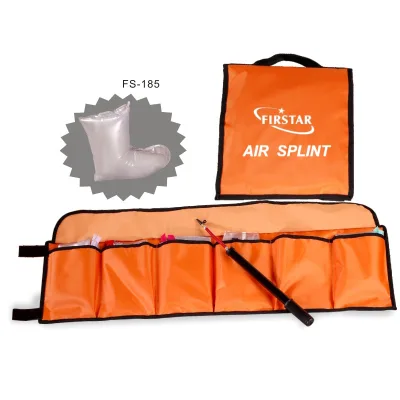
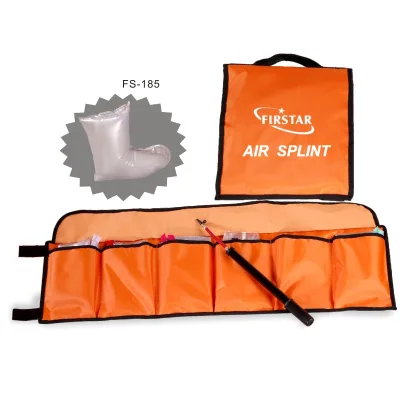
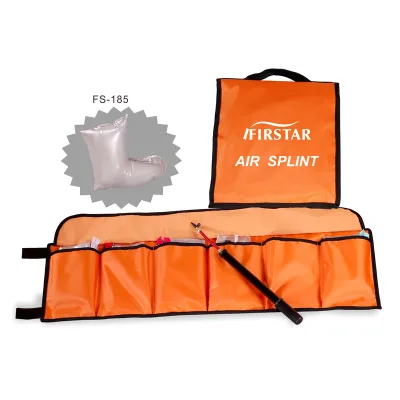
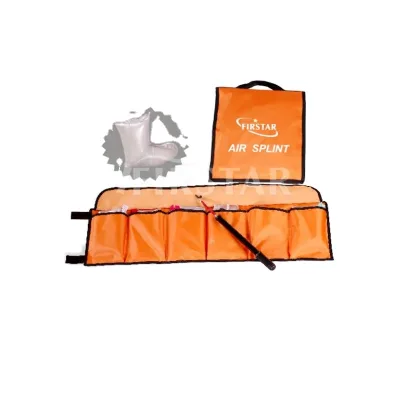
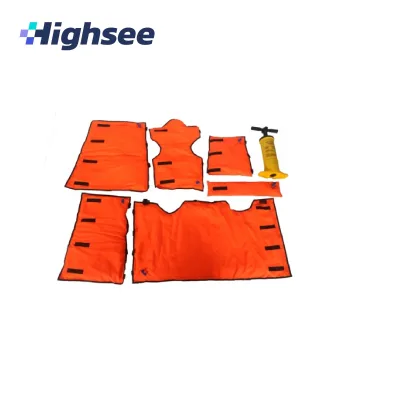
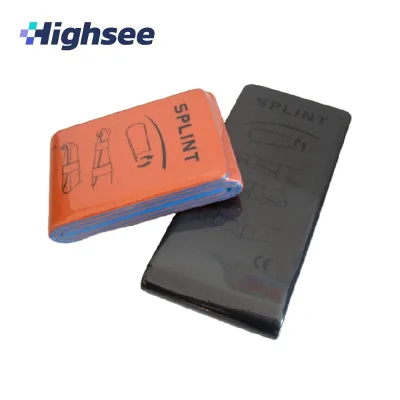
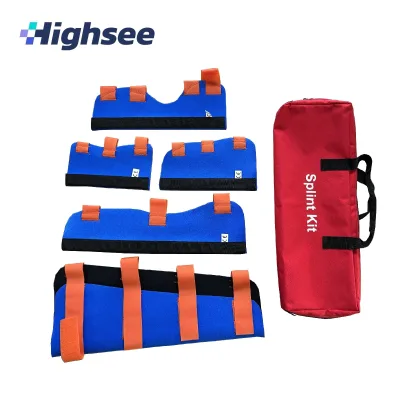
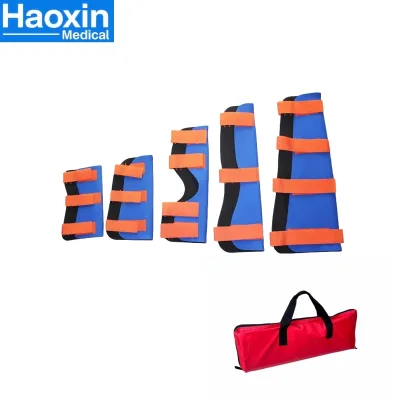
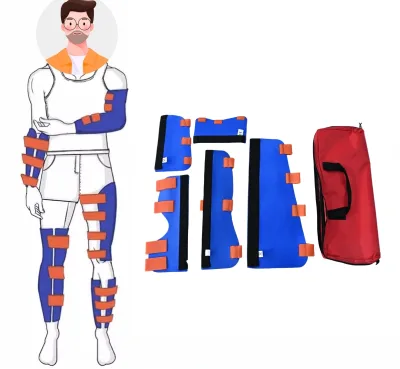
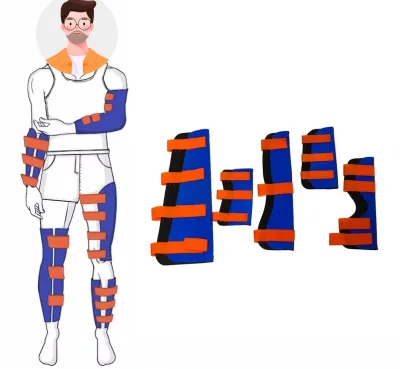
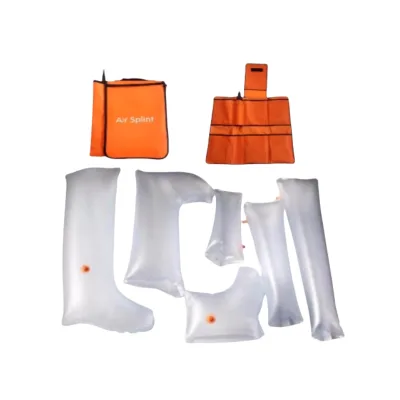
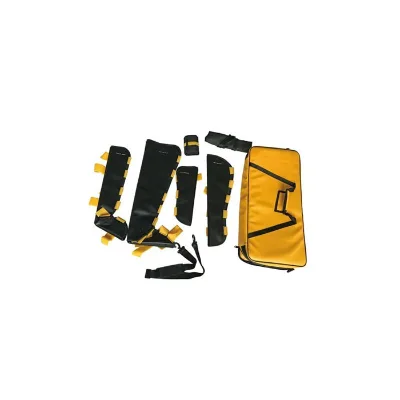
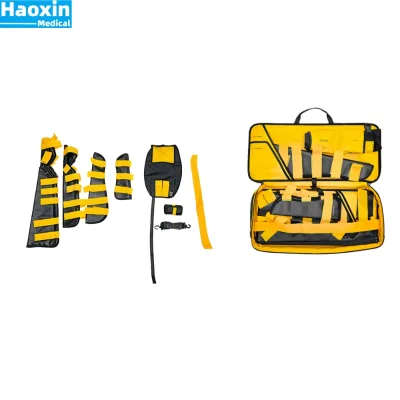

Vacuum Inflatable Splint Set Leg Splint Arm Splint Body Splint (EJB-008)
$22.00 - $25.00
MOQ: 10 Pieces


Advanced Lightweight Negative Pressure Splint Compression First Aid Kit
$365.00 - $385.00
MOQ: 5 Pieces


Comprehensive Sourcing Guide
Strategic Sourcing Guide for Reusable Waterproof Air Splint Sets
Procuring medical devices for orthopedic and emergency applications requires a meticulous approach to vendor selection and product verification. The Reusable Waterproof Air Splint Set represents a critical category within first aid and trauma management, offering a versatile solution for immobilization that balances patient comfort with structural integrity. For procurement professionals, understanding the specific technical attributes, regulatory landscape, and supply chain dynamics of these devices is essential to ensure operational continuity and patient safety. This guide synthesizes available market data to provide a structured framework for evaluating potential suppliers and defining product requirements.
Technical Specifications and Material Composition
The foundational aspect of sourcing an air splint set lies in verifying its physical and functional specifications. Based on observed market data, the core product is typically identified as an "Air splint" or "Air splint set" with a model number such as FS-185. A defining characteristic of these units is their construction material, which is consistently cited as a combination of PVC and Polyester. This material blend is crucial for achieving the dual requirements of waterproofing and reusability. The semi-transparent nature of the material allows medical personnel to visually inspect the limb for swelling or discoloration without deflating the splint, a significant advantage over opaque alternatives.
The sizing configuration is another critical technical parameter. The standard offering observed in the market includes a kit containing six pieces of different sizes. This variety ensures that the set can accommodate a wide range of patient demographics, from pediatric to adult users, although some specific listings explicitly note an "Adults" age group classification. The physical dimensions of the individual packages vary, with single package sizes recorded at approximately 52x29x33 cm or 30x20x30 cm, depending on the specific configuration and packaging density. The gross weight of these units also fluctuates, with observed values ranging from 3.000 kg to 12.500 kg per single package, a factor that directly impacts logistics planning and shipping costs.
Functionally, these devices operate on a manual power source, requiring no external electricity or battery. The inflation mechanism is often facilitated by an included air pump, which may be available in green or black colors. The absence of a power supply mode simplifies the device's reliability in field conditions, ensuring it remains operational even in environments with limited infrastructure. The product is classified as a Class I instrument, indicating a lower risk profile compared to higher-class medical devices, yet it still demands rigorous quality control to ensure safety during application.
Regulatory Compliance and Certification Verification
Navigating the regulatory landscape is paramount when sourcing medical equipment. The supply chain for air splint sets is heavily influenced by quality certifications that validate the manufacturer's adherence to international standards. In the observed market data, the CE certification is frequently mentioned, signifying compliance with European Union health, safety, and environmental protection standards. Furthermore, the ISO 13485 standard appears as a critical quality management system certification for medical devices. Some listings explicitly reference ISO 13485 as a safety standard, while others mention it as a quality certification.
Buyers must exercise caution when interpreting these certifications. While the data indicates the presence of ISO 13485 and CE marks, the specific version of the standard (e.g., 2016) should be verified directly with the supplier, as standards evolve over time. The presence of a certificate does not automatically guarantee that every batch of products meets the latest requirements; therefore, requesting current, valid certificates for the specific production batch is a necessary due diligence step. Additionally, the product is noted as "non-sterile," which simplifies the regulatory burden regarding sterilization validation but requires clear labeling to prevent misuse in sterile surgical environments.
The shelf life of these devices is another compliance-related attribute. Observed data suggests a shelf life ranging from 3 years to 5 years. This variation highlights the importance of checking the expiration date on the specific units being procured. A longer shelf life can reduce waste and inventory turnover costs, but it must be balanced against the material's degradation over time. Buyers should verify that the manufacturer provides clear expiration dating and that the packaging maintains the integrity of the PVC and Polyester materials throughout the stated lifespan.
Cost Drivers and Procurement Economics
The economics of sourcing air splint sets are influenced by several variables, including order volume, customization requirements, and logistics. The Minimum Order Quantity (MOQ) is a significant cost driver in this category. Market observations indicate an MOQ of 100 pieces, 100 sets, or 100 PCS, suggesting a standardized entry point for bulk purchasing. While some listings mention an MOQ range of 1 to 1000, the consistent 100-unit threshold appears to be the baseline for most suppliers. This MOQ structure favors established healthcare providers or distributors who can absorb the initial inventory cost.
Pricing dynamics are also affected by the level of customization. Many suppliers offer OEM (Original Equipment Manufacturer) services, allowing buyers to request customized logos and branding. This service adds value but may influence the unit price or require a higher MOQ to be economically viable. The selling units are typically listed as "Single item," which implies that the pricing model is per set rather than per individual splint component.
Logistics costs play a substantial role in the total cost of ownership. The variation in package dimensions and gross weight (from 3 kg to 12.5 kg) means that shipping costs can vary significantly depending on the supplier's location and packaging efficiency. The Place of Origin is consistently listed as Guangdong, China, or simply China. This concentration of manufacturing in a specific region can streamline logistics but also introduces potential risks related to regional supply chain disruptions. Buyers should calculate the landed cost, including freight, insurance, and customs duties, rather than focusing solely on the unit price, which ranges widely in observed listings from $1 to $385. This wide range suggests that price is heavily dependent on the specific configuration, included accessories (such as the air pump), and the brand premium.
Typical Applications and Operational Use Cases
The primary application for reusable waterproof air splint sets is in the field of orthopedics and first aid. These devices are designed to provide immediate immobilization for fractures, sprains, and soft tissue injuries. The waterproof nature of the PVC and Polyester construction makes them particularly suitable for use in emergency situations where the injury site may be exposed to water, blood, or other fluids. This feature is critical for maintaining hygiene and preventing infection during transport to a medical facility.
The versatility of the six-piece sizing kit allows for application on various body parts, including arms, legs, and other extremities. The manual inflation mechanism allows for precise pressure control, enabling medical personnel to adjust the splint to the patient's specific needs without over-inflation. The semi-transparent material further enhances its utility by allowing for continuous monitoring of the injury site. In an emergency room or pre-hospital setting, the ability to quickly deploy a splint that is both durable and adaptable is a key operational advantage.
Furthermore, the product is classified for use in first aid scenarios, making it a staple item for ambulances, disaster relief teams, and corporate safety kits. The "Return and Replacement" after-sale service and "Online Technical Support" mentioned in some listings indicate that these devices are expected to be used in high-stress environments where equipment failure or user error can occur. The warranty periods, ranging from 1 year to 5 years, reflect the manufacturer's confidence in the product's durability, which is essential for long-term procurement planning in healthcare facilities.
Supplier Evaluation and Quality Assurance
Evaluating suppliers for air splint sets requires a focus on consistency, transparency, and service capabilities. The brand names observed, such as "Firstar" or "FIRSTAR," alongside OEM options, suggest a market with both established manufacturers and contract producers. Buyers should prioritize suppliers who can demonstrate a clear track record of meeting the specified MOQs and maintaining consistent quality across batches. The presence of a "Customized logo" option indicates a willingness to engage in partnership, but it also necessitates a robust quality assurance process to ensure that branding does not compromise the product's structural integrity.
Quality control should be a central component of the supplier evaluation. Buyers must verify that the manufacturer adheres to the stated ISO 13485 standards and that their quality management system is audited by a recognized body. The "non-sterile" classification simplifies some aspects of quality control but does not eliminate the need for rigorous testing of material strength, airtightness, and durability. Inspecting samples for defects in the PVC and Polyester materials, as well as the functionality of the air pump, is a recommended step before committing to a large order.
The after-sale service provisions are also indicative of supplier reliability. Options such as "Return and Replacement" and "Online Technical Support" suggest that the supplier is prepared to handle issues that may arise post-delivery. Buyers should clarify the terms of these services, including response times, coverage of shipping costs for returns, and the process for claiming warranty replacements. A supplier that offers a 5-year warranty, as seen in some listings, demonstrates a higher level of confidence in their product but may also have stricter terms regarding maintenance and usage.
Long-Term Procurement and Inventory Management
Sourcing reusable air splint sets involves long-term considerations regarding inventory management and lifecycle costs. The 3 to 5-year shelf life of the product allows for strategic stockpiling, which can be beneficial for emergency preparedness. However, buyers must implement a "first-expiry-first-out" (FEFO) inventory strategy to ensure that older stock is utilized before it expires. The variability in shelf life across different suppliers necessitates careful tracking of expiration dates upon receipt.
The reusability of the product is a key factor in its long-term value proposition. Unlike single-use splints, these devices can be cleaned and reused, reducing the recurring cost of procurement. However, this requires a defined protocol for cleaning and disinfection, even though the product is non-sterile. Buyers should establish clear guidelines for the maintenance of these splints to ensure they remain safe and effective over multiple uses. The "Return and Replacement" service can mitigate the risk of equipment degradation, but it is essential to have a clear understanding of the criteria for replacement.
Finally, the customization aspect offers opportunities for branding and differentiation. For organizations that distribute these splints to multiple locations or partner with other healthcare providers, the ability to add a customized logo can enhance brand visibility. However, this should be balanced against the potential impact on production lead times and costs. Buyers should negotiate clear timelines for customized orders and ensure that the customization process does not delay the delivery of critical medical supplies. By carefully managing these long-term factors, procurement professionals can build a resilient supply chain that supports the ongoing needs of their organization.
FAQs
What materials are used to make the air splint set?
The air splint set is constructed from PVC and Polyester materials. This combination ensures the device is both waterproof and reusable while maintaining structural integrity for orthopedic applications.
Which certifications verify the quality of these splints?
These products hold CE certification and comply with the ISO 13485 quality standard. Buyers should verify the specific certificate version directly with the supplier to ensure current compliance.
Can I request a customized logo on the product?
Yes, suppliers accept OEM requests for customized logos on the air splint set. This customization option is available alongside standard branding options like Firstar or generic labels.
How many sizes are included in a single kit?
A standard kit contains six pieces of different sizes to accommodate various patient needs. This configuration allows for versatile application on different body parts for adults and other demographics.
What is the minimum order quantity for this product?
The typical minimum order quantity is 100 pieces or 100 sets depending on the supplier. Some listings indicate a range starting from 1 unit, but 100 is the standard bulk threshold.
How long is the shelf life of the air splint?
The shelf life ranges from 3 years to 5 years based on the specific manufacturer. Buyers must check the expiration date on the packaging to ensure the product remains effective.
Where are these products typically manufactured?
These air splint sets are primarily manufactured in Guangdong, China. The consistent origin point helps streamline logistics but requires verification of specific factory locations for shipping calculations.