Source Reversible Waterproof Tactical Cargo Pants for Hunting, Sport, and Outdoor Patrol
Explore 30 verified listings for Reversible Waterproof Tactical Cargo Pants designed for diverse operational needs. Buyers can compare features like rip-stop fabric, camouflage patterns, and sizing options from manufacturers in China to find the right gear for hunting, sports, and outdoor leisure activities.
Key considerations
Products List

Custom Waterproof Suits Worker Training Cargo Pants Outdoor Tactical Pants
$46.80 - $50.80
MOQ: 5 Pieces

Hot Sale Outdoor Pants Waterproof Hiking Work Pants Mens Tactical Cargo Pants
$42.58 - $44.98
MOQ: 300 Pieces


New Custom Waterproof Men Hunting Hiking Pants Customized Tactical Cargo Pants
$14.98 - $18.98
MOQ: 10 Pieces


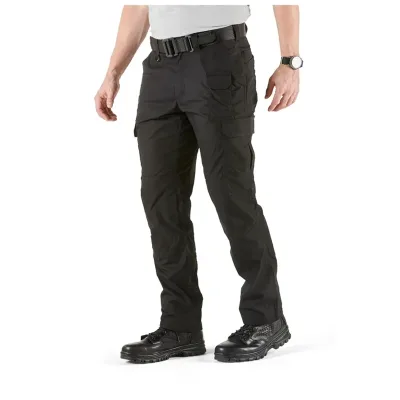
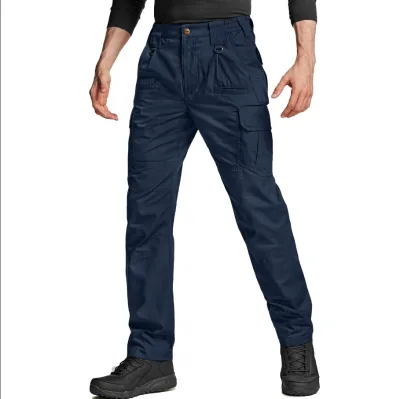
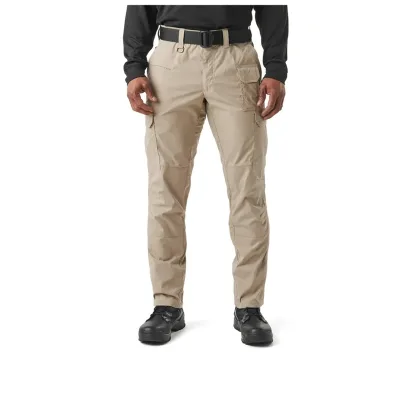


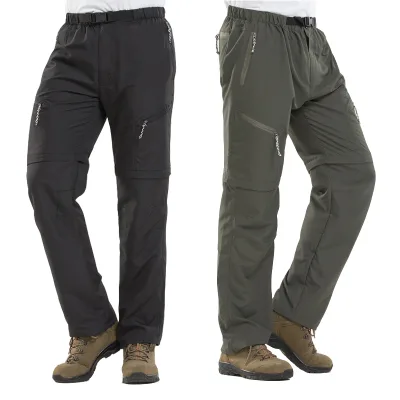


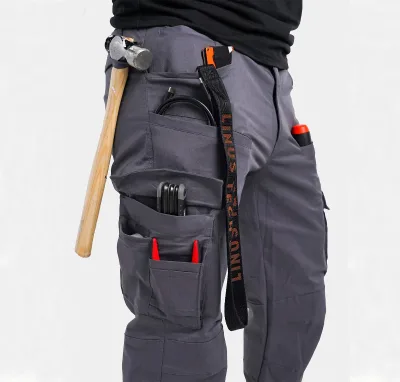
Multi-Functional Pockets Tactical Pants Cargo Pants Utility Pockets Work Pants
$7.88 - $9.10
MOQ: 40 Pieces


Functional Water Resistant Pants Tactical Cargo Work Pants Overalls Trousers
$10.80 - $13.10
MOQ: 1000 Pieces



Comprehensive Sourcing Guide
Strategic Sourcing Guide for Reversible Waterproof Tactical Cargo Pants
Understanding Product Specifications and Material Composition
When sourcing Reversible Waterproof Tactical Cargo Pants, the primary objective is to identify items that balance durability with environmental adaptability. Based on available market data, the core material composition for these garments typically involves a blend of Cotton and Polyester. This specific combination is selected to provide the structural integrity required for tactical operations while maintaining the breathability necessary for extended wear. The fabric often features a Rip-Stop construction, a critical specification that prevents small tears from propagating across the material, thereby extending the garment's lifespan in rugged environments.
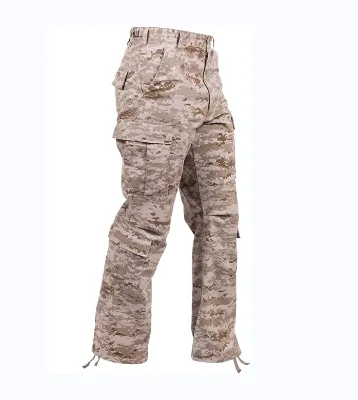
The "reversible" nature of these tactical pants implies a dual-sided design, often utilizing different color patterns to suit varying operational needs. Observed product attributes indicate that these items frequently come in camouflage variants, including Urban Camo, Snow Camo, Green Camo, and Desert Camo. This multi-color capability allows a single pair of pants to serve multiple tactical scenarios, from urban surveillance to outdoor hunting or leisure activities. The structure of the pants is generally described as open-fronted, a design choice that facilitates ease of movement and the integration of additional gear or pockets.
Thickness is a variable attribute that buyers must verify on a per-supplier basis. Available data points suggest that thickness can range from "Normal" to "Medium," depending on the specific model and intended season of use. For instance, some listings indicate a "Normal" thickness suitable for general use, while others specify "Medium" thickness, which may offer enhanced protection against the elements. The weight of the set is another critical specification, with observed data suggesting a range of 1.25 to 1.4 kg per set. This weight range is significant for logistics planning, as it impacts shipping costs and the physical burden on the wearer during long-duration missions.
Compliance Standards and Certification Verification
In the B2B procurement of tactical gear, verifying compliance with recognized standards is essential to ensure product safety and quality. While specific certification claims such as Oeko-Tex are noted in background contexts, buyers should not assume these certifications are present without direct verification from the supplier. Instead, the procurement process must focus on validating the standards explicitly mentioned in product documentation.
One key standard observed in the market data is the SGS standard. This indicates that the product has undergone testing by a recognized inspection and certification body. Buyers should request the specific SGS test reports to confirm that the waterproofing, colorfastness, and fabric strength meet the required thresholds. Additionally, product dimensions and packing standards are often cited as compliance metrics. For example, specific packing dimensions such as 56CM40CM38CM or 563937cm are observed, alongside weight limits per carton, such as 22kg/carton. These specifications are not merely logistical details but serve as indicators of the supplier's attention to detail and adherence to standardized packaging protocols.
It is crucial to distinguish between product standards and packaging standards. While the product itself may adhere to quality benchmarks like SGS, the packaging must also meet specific dimensional and weight constraints to ensure safe transit. Buyers should verify that the supplier's stated standards align with the actual physical attributes of the product. For instance, if a supplier claims a product meets a specific size standard, the buyer must cross-reference this with the observed size ranges, which can vary from S to 3XL. The absence of explicit certification data for every listed product means that the buyer's due diligence must include requesting third-party test results for waterproofing and durability before finalizing any order.
Cost Drivers and Pricing Dynamics
The pricing of Reversible Waterproof Tactical Cargo Pants is influenced by a complex interplay of material costs, manufacturing complexity, and order volume. The observed price range in the market spans from $4.06 to $50.80 USD. This wide variance is not arbitrary but reflects differences in material quality, feature sets, and production scale. Lower-priced items in this range may utilize standard Cotton/Polyester blends with basic Rip-Stop features, while higher-priced items likely incorporate advanced waterproofing technologies, specialized camouflage patterns, or more complex manufacturing processes.
Minimum Order Quantity (MOQ) is a significant factor in determining the unit cost. The observed MOQ range for these products varies from 2 to 1000 units. Suppliers with lower MOQs, such as 2 or 100 units, often charge a premium per unit to cover the fixed costs of setup and small-batch production. Conversely, suppliers requiring an MOQ of 1000 units may offer more competitive pricing, making them suitable for large-scale procurement needs. The specific MOQ of 100 units is frequently observed for tactical uniform products, suggesting a threshold where the cost per unit begins to stabilize.
Customization is another major cost driver. The market data indicates that customization is available, with support for custom designs and logos. Suppliers offering Digital Printing and customized services will typically charge additional fees for these value-added services. The complexity of the customization, such as the number of colors in a camouflage pattern or the intricacy of a logo, will directly impact the final price. Furthermore, the origin of the product plays a role in cost structure. Products originating from specific hubs like Nanjing, Wuhan, or general Chinese manufacturing centers may have different labor and logistics cost bases, influencing the final FOB or CIF price.
Typical Applications and Usage Scenarios
Reversible Waterproof Tactical Cargo Pants are designed for a diverse range of applications, extending beyond traditional military use to include outdoor leisure, hunting, and sports. The primary usage categories identified in the market data include Body, Outdoor, Leisure, and Hunting. The "Sport" application is also noted, suggesting that these pants are suitable for athletic activities that require durable and weather-resistant clothing. The "Track and Field" usage further highlights the versatility of these garments in high-mobility environments.
The seasonal adaptability of these pants is a key feature for buyers targeting global markets. The observed data lists "Spring/Autumn" and "Summer" as applicable seasons, indicating that the fabric weight and breathability are engineered to perform across different climatic conditions. The "Normal" season designation suggests a baseline suitability for general use, while specific features like waterproofing and breathability allow for use in wet or humid environments. The "Unisex" gender classification ensures that these pants can be distributed to a wide range of users without the need for gender-specific sizing adjustments, simplifying inventory management for large organizations.
The "Tactical Uniform" application is central to the product's identity. These pants are often used by security personnel, law enforcement, and outdoor enthusiasts who require reliable gear. The "Camouflage" feature is particularly relevant for hunting and tactical operations where concealment is necessary. The availability of multiple camouflage patterns, such as Urban, Snow, Green, and Desert, allows buyers to select the most appropriate option for their specific operational theater. The "Comfortable" function is also highlighted, ensuring that the pants do not impede movement or cause discomfort during extended wear, which is critical for both professional and recreational users.
Supplier Evaluation and Origin Analysis
Selecting the right supplier requires a thorough evaluation of their location, production capabilities, and service offerings. The market data indicates that products originate from various locations in China, including Nanjing, Wuhan, and general hubs. Each location may have different supply chain efficiencies and specialization areas. For instance, suppliers in Nanjing and Wuhan may have established networks for textile production, while general hubs might offer more flexible logistics solutions.
When evaluating suppliers, buyers should prioritize those who explicitly support customization. The availability of "Customized Service" and "Supply Type: custom design and logo" indicates a supplier's willingness to adapt their products to specific buyer requirements. This flexibility is essential for organizations that need branded gear or specific tactical configurations. The "Digital Printing" method is a key indicator of a supplier's technological capability, allowing for high-quality, detailed patterns and logos.
The structure of the supplier's offering should also be scrutinized. Suppliers providing "Open Fronted" structures and "Rip-Stop" features demonstrate a focus on functional design. However, buyers must verify that these attributes are consistent across all units in an order. The observation of "Adults" as the primary age group suggests that the sizing and fit are optimized for mature users, which is typical for tactical gear. Buyers should also check for consistency in the "Product Name" and "Pattern Type" to ensure that the delivered goods match the procurement specifications exactly.
Quality Control and Long-Term Procurement Considerations
Maintaining consistent quality in the procurement of tactical cargo pants requires a robust quality control (QC) framework. Given the variability in observed attributes such as thickness, weight, and packing dimensions, buyers must implement strict QC checks at the production stage. The "Normal" and "Medium" thickness designations, along with the weight range of 1.25-1.4kg/Set, should be verified against physical samples to ensure they meet the agreed-upon specifications. Any deviation in these metrics could indicate a change in material quality or manufacturing processes.
Long-term procurement considerations involve building a sustainable relationship with suppliers who can consistently deliver high-quality products. The availability of "Customization" and "Support" suggests that suppliers are capable of adapting to changing buyer needs over time. However, buyers should establish clear communication channels to ensure that any changes in design or material requirements are communicated effectively. The "Carton" packing method and specific dimensions like 563937cm should be standardized to minimize damage during transit and optimize storage space.
Furthermore, buyers should consider the environmental and operational longevity of the products. The "Waterproof" and "Breathable" features are critical for long-term performance, and buyers should verify these claims through independent testing if possible. The "Anti-Static" feature, observed in some listings, adds an extra layer of safety for users in specific environments. By focusing on these functional attributes and maintaining a rigorous QC process, buyers can ensure that their procurement of Reversible Waterproof Tactical Cargo Pants meets the high standards required for professional and recreational use.
Summary of Key Product Attributes
| Attribute Category | Observed Specifications | Notes for Verification |
|---|---|---|
| Material | Cotton/Polyester | Verify blend ratio for durability. |
| Feature | Rip-Stop, Waterproof, Breathable, Anti-Static | Test waterproofing and tear resistance. |
| Color/Pattern | Multi-color, Urban/Snow/Green/Desert Camo | Confirm pattern accuracy and reversibility. |
| Size | S-3XL, S | Check size chart consistency. |
| MOQ | 2-1000 (Common: 100) | Negotiate based on volume. |
| Origin | Nanjing, Wuhan, China, Hub | Verify factory location and capacity. |
| Packing | 60X40X30/20PCS, Carton, 563937cm | Inspect packaging for damage resistance. |
| Standard | SGS, 22kg/carton | Request SGS test reports. |
| Usage | Body, Outdoor, Leisure, Hunting, Sport | Ensure suitability for intended application. |
This guide provides a comprehensive framework for sourcing Reversible Waterproof Tactical Cargo Pants, emphasizing the importance of verifying specifications, understanding cost drivers, and maintaining rigorous quality control. By adhering to these principles, buyers can make informed decisions that align with their operational needs and budget constraints.
FAQs
What materials are used for Reversible Waterproof Tactical Cargo Pants?
These pants are typically made from a Cotton and Polyester blend. This combination provides structural integrity while maintaining breathability for extended wear in various environments.
Which certifications are available for these tactical pants?
Some products adhere to the SGS standard for quality verification. Buyers should request specific test reports to confirm waterproofing and fabric strength before finalizing any order.
Can I customize the design and logo on these pants?
Customization is available with support for custom designs and logos. Suppliers often use digital printing methods to apply specific patterns or branding to the garments.
What is the typical minimum order quantity for these pants?
The minimum order quantity ranges from 2 to 1000 units depending on the supplier. Tactical uniform products often have a specific MOQ of 100 units to stabilize unit costs.
How do the thickness and weight vary for these pants?
Thickness can be Normal or Medium depending on the model and season. The weight of a set typically ranges from 1.25 to 1.4 kg, impacting shipping costs and wearer comfort.
Which camouflage patterns are available for these tactical pants?
Available patterns include Urban Camo, Snow Camo, Green Camo, and Desert Camo. These multi-color options allow the pants to serve multiple tactical scenarios effectively.
Where are these tactical pants manufactured?
Products originate from locations such as Nanjing, Wuhan, and other Chinese hubs. The specific origin may influence labor costs and logistics efficiency for the buyer.