Source Reversible Waterproof Puffer Jacket for Outdoor, Travel, and Work
Explore 30 options for a Reversible Waterproof Puffer Jacket designed for cold weather. Compare features like windproof and breathable fabrics, duck down filling, and customization services from Chinese manufacturers to find the right fit for your needs; compare the available evidence and request quotations based on your requirements.
Key considerations
Products List


Lightweight Men's Puffer Jacket Puffer Style, Water Repellent, Warm & Windproof
$6.99 - $11.99
MOQ: 100 Piece


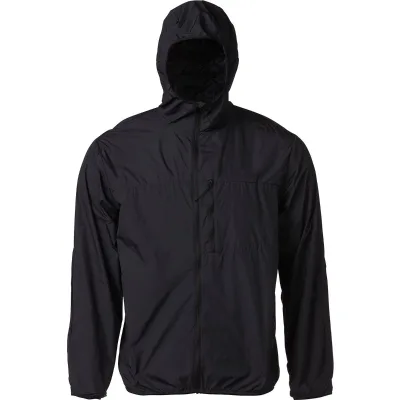


OEM Windbreaker Lightweight Hooded Hiking Breathable Windproof Reversible Jacket
$12.88 - $13.88
MOQ: 500 Pieces
Comprehensive Sourcing Guide
Reversible Waterproof Puffer Jacket Sourcing Guide
Buyers evaluating this category must first distinguish between loose-filling and structured construction methods, as the observed listings reveal a mix of duck down filling and various fabric types including polyester, nylon, and cotton. The product scope encompasses both button and zipper closure systems, with specific observations noting eyelet buttons and closed-end zippers as common hardware configurations. This variation requires careful selection based on the intended end-use, as the reversible nature often implies a need for dual-sided functionality that may not be explicitly detailed in every listing.
The observed market signals indicate a strong focus on outdoor performance features, with windproof and waterproof capabilities appearing as primary attributes across multiple listings. Some products also claim additional protections such as dust-proofing, breathability, and anti-static properties, which are critical for winter wear in variable climates. Procurement teams should verify that the "reversible" claim aligns with the actual construction, ensuring that the inner and outer layers maintain their respective protective qualities without compromising the insulation provided by the duck down filling.
Product Scope and Observed Listing Signals
When analyzing the product scope, buyers should note the diversity in packaging standards, ranging from individual polypropylene bags to custom carton solutions, which directly impacts logistics planning and retail presentation. The observed listings frequently specify a "one piece" or "one piece/set" packing method, suggesting that bulk consolidation is often handled by the supplier rather than the manufacturer. This variability necessitates clear communication regarding whether the final packaging must be customized to meet specific retail requirements or if standard industrial packing is acceptable for the initial order.
The keyword signals also highlight a significant emphasis on customization, with OEM design services and pattern variations like cardigan styles being readily available. Buyers must recognize that while the core product is a puffer jacket, the specific model numbers such as JK492 or LCW-N-095 indicate distinct production runs that may have unique material compositions or feature sets. Understanding these specific model identifiers is essential for ensuring that the ordered units match the exact technical specifications required for the target market, rather than relying on generic product descriptions.
Technical Specifications to Verify
Verification of technical specifications must begin with the fabric composition, as the observed data lists polyester, nylon, and cotton as distinct material options for the outer shell. Buyers need to confirm which material is used for the specific reversible configuration, as nylon and polyester typically offer superior water resistance compared to cotton, which may require additional treatment to meet the waterproof claims. The presence of duck down filling further complicates the verification process, requiring checks on fill power and distribution to ensure consistent thermal performance across the garment.
Dimensional and structural details are equally critical, with observed listings showing a range of lengths from medium to long and sizes from free size to specific measurements like L. The closure systems vary between button and zipper types, with some products featuring eyelet buttons and others utilizing closed-end zippers, which affects the windproof integrity of the garment. Procurement teams should request detailed size charts and closure specifications to ensure the final product meets the ergonomic and protective requirements of the intended user demographic, particularly for adult unisex applications.
Compliance and Safety Documentation
While the supplied facts do not explicitly confirm specific certification statuses, buyers must proactively request documentation to validate safety and environmental claims, especially given the mention of OEKO-TEX in background knowledge. The absence of a confirmed certification in the primary data means that relying on supplier assertions without third-party verification is risky, particularly for garments intended for close skin contact or outdoor exposure. Buyers should insist on test reports that confirm the absence of harmful substances and verify the durability of the waterproof and windproof treatments applied to the fabric.
Quality assurance policies are a vital component of compliance, with some observed listings explicitly stating a 100% inspection policy as a standard practice. This internal quality control measure suggests a commitment to reducing defect rates, but it does not replace the need for external compliance audits or adherence to international safety standards. Procurement teams should verify that the supplier's inspection protocols cover critical failure points such as seam integrity, zipper functionality, and the stability of the reversible construction to ensure the product remains safe and functional throughout its lifecycle.
Cost Drivers and Commercial Terms
The commercial landscape for this product category is defined by a wide observed price range of 6.99 to 94.99 USD, driven by factors such as material quality, insulation type, and the complexity of the reversible design. Buyers must understand that the lower end of this spectrum likely corresponds to basic polyester or cotton blends with standard duck down, while higher prices may reflect premium nylon fabrics, advanced waterproofing technologies, or intricate customization features. Negotiating effectively requires a clear understanding of which specific attributes justify the price differential to avoid overpaying for features that do not add value to the specific use case.
Minimum Order Quantities (MOQ) and lead times are significant cost drivers, with observed ranges spanning from 30 to 1000 units and delivery options including courier service or ocean shipment. The availability of a seven-day sample order lead time offers a strategic advantage for rapid prototyping, but bulk production timelines must be carefully managed to align with seasonal demand, particularly for winter apparel. Buyers should factor in the cost of shipping and the potential for currency fluctuations when calculating the total landed cost, ensuring that the commercial terms support the overall profitability of the procurement strategy.
Supplier Qualification and Quality Control
Supplier qualification should prioritize those who explicitly offer OEM services and demonstrate flexibility in customization, as the observed data highlights design and packaging customization as key capabilities. The presence of specific model numbers and standardized packing dimensions suggests that suppliers have established production lines capable of handling varied orders, but buyers must verify the consistency of these processes across different batches. A supplier's ability to maintain the 100% inspection policy mentioned in the listings is a strong indicator of their commitment to quality, but this should be validated through on-site audits or third-party quality assessments.
Quality control extends beyond the final inspection to include the verification of raw materials and the integrity of the manufacturing process. Buyers should ensure that the supplier can consistently deliver products with the specified features, such as windproof, waterproof, and breathable properties, without compromising the structural integrity of the reversible design. The use of specific standards like 40405cm or 35455 for packaging indicates a level of operational discipline, but the buyer must confirm that these standards are strictly adhered to to prevent damage during transit and to maintain the product's aesthetic appeal upon arrival.
Long-Term Procurement Checks
Establishing a long-term procurement relationship requires regular performance reviews that go beyond initial sample approval to include ongoing monitoring of product consistency and supplier reliability. Buyers should implement a system for tracking defect rates and customer feedback to ensure that the reversible waterproof puffer jackets continue to meet the expected performance standards over time. This proactive approach helps identify potential issues with materials or manufacturing processes early, allowing for corrective actions before they impact the brand reputation or customer satisfaction.
Sustainability and supply chain resilience are critical considerations for long-term success, especially given the global nature of the supply chain and the reliance on ocean shipment for delivery. Buyers should assess the supplier's ability to adapt to changing market conditions, such as fluctuations in raw material costs or disruptions in logistics, and ensure that they have contingency plans in place. Regular communication and collaboration with the supplier can foster a partnership that supports continuous improvement, ensuring that the product line remains competitive and aligned with evolving consumer expectations and regulatory requirements.
FAQs
How does the duck down filling perform in wet winter conditions?
Duck down provides strong thermal insulation for cold winter wear, and the listed jackets pair it with a waterproof, windproof shell to reduce exposure to rain and gusts. Down can lose loft if it becomes saturated, so prolonged heavy rain still calls for a hardshell layer. Sealed construction and regular drying after wet use help maintain insulation performance over time.
What shell materials are used for these reversible waterproof puffer jackets?
The listed jackets use polyester and nylon shells, which are common choices for water-repellent outerwear. Polyester offers good durability and shape retention, while nylon provides strength with a lighter hand feel. Both materials support waterproof and windproof finishing, and some listings also note breathable, dust-proof, anti-UV, and anti-static features on specific models.
Can I customize the design, logo, and packaging for wholesale orders?
Yes, customization is available, with OEM service and OEM design support indicated on the listings. Buyers can typically adjust colorways, sizing, branding, and packaging, and one listing notes customized packaging as an option. Standard packing is one piece per PP bag or OPP bag, with cartons used for bulk shipments. Confirm artwork, samples, and approval steps with the supplier before production.
What is the typical minimum order quantity for custom orders?
Listed minimum order quantities in this category range from 30 to 1000 pieces, depending on the model and the level of customization requested. Simple restock orders usually sit at the lower end, while fully custom designs require higher volumes to cover setup costs. Some suppliers support sample orders with a seven-day sample order lead time before you commit to bulk production.
How long does delivery take for bulk puffer jacket orders?
Delivery is offered by courier service or ocean shipment, so timing depends mainly on quantity and destination. Courier shipping suits sample runs and small urgent batches, while ocean freight is more economical for large volumes of heavy winter outerwear. Factor in production time after sample approval, and confirm the full schedule with the supplier before placing the order.
Which features should I check when comparing reversible waterproof puffer jackets?
Prioritize the waterproof and windproof rating of the shell, the quality of the duck down filling, and the durability of zippers and buttons, since closed-end zippers and eyelet buttons appear on listed styles. Check reversible construction for clean stitching on both sides, confirm size ranges for adults and unisex fits, and review inspection terms, with one listing noting a 100% inspection policy.