Source Rigid Pipe Fitting PVC Compound for Decoration, Structural, and Functional Uses
Compare 30 listings for Rigid Pipe Fitting PVC Compound used in building construction and water transport. Buyers can evaluate material properties, customization options, and surface finishing to find suitable profiles and compounds for exterior applications.
Key considerations
Products List


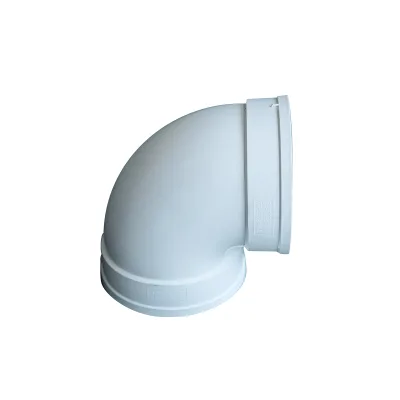


PVC Customized Pipe Fittings White Rigid Compounds Granules Injection Fittings
$1300.00 - $1690.00
MOQ: 5 Tons


Comprehensive Sourcing Guide
Strategic Sourcing Guide for Rigid PVC Pipe Fitting Compounds
Navigating the global market for rigid pipe fitting PVC compounds requires a disciplined approach that distinguishes between raw material specifications, processing requirements, and end-use performance. Buyers entering this sector must understand that "rigid pipe fitting" and "PVC compound" represent distinct but interconnected categories within the broader plastics supply chain. The former often refers to the final molded component, while the latter denotes the raw granular or powdered material used to create it. Successful procurement hinges on aligning the specific chemical and physical properties of the compound with the manufacturing process, whether it is extrusion or injection molding, and ensuring the material meets the rigorous demands of the building and construction sector.
Technical Specifications and Material Composition
The foundation of any successful procurement strategy lies in a precise understanding of the technical specifications provided by the supplier. In the context of rigid PVC compounds, the primary material is Polyvinyl Chloride (PVC), which is characterized by its high density and chemical resistance. Buyers must verify the density range, as observed market data indicates values typically falling between 1.3 and 1.6 g/cm³. This density range is critical for ensuring the structural integrity required for pipe fittings that must withstand internal pressure and external loads.
Furthermore, the physical form of the compound is a decisive factor. The market offers the material in various forms, including powder, granules, and compounds. Specific product observations note appearances ranging from white powders to granular compounds and particles. The whiteness of the material is another quantifiable metric; for high-quality compounds intended for white or light-colored fittings, buyers should verify whiteness values, with some standards requiring a minimum of 75% at 160°C for 10 minutes. Purity levels are equally important, with high-grade compounds often boasting purity figures around 99.9%.
The processing method dictates the required rheological properties of the compound. While some applications utilize extrusion for profiled parts, rigid pipe fittings are predominantly manufactured via injection molding. Consequently, the compound must exhibit thermoplastic properties that allow for efficient melting and re-solidification without degradation. The "Plastic Forming Method" observed in the market includes both extrusion and injection, meaning the buyer must explicitly confirm that the selected compound is optimized for injection molding if that is their production method. The hardness of the final product is also a key indicator of material quality, with specific observations noting a hardness of 78d, which serves as a benchmark for rigid applications.
Compliance, Certification, and Regulatory Standards
In the building and construction sector, compliance is not merely a formality but a prerequisite for market access. Rigid PVC compounds used for water transport and structural components must adhere to strict international and regional standards. Buyers should prioritize suppliers who provide documented evidence of certifications such as ISO, REACH, and RoHS. These certifications indicate that the material has been tested for hazardous substances and meets environmental safety guidelines.
When evaluating standards, it is essential to distinguish between general quality management systems and specific product standards. While ISO 9001 is a common background reference for manufacturing processes, the actual product standards are often defined by specific dimensional and performance criteria. For instance, observed product standards include specific packaging dimensions like 25kg/bag or 800500200, which reflect the logistical and handling requirements of the material. Buyers must verify that the supplier's stated standards align with the regulatory requirements of the target market, particularly regarding chemical resistance and hydrolytic degradability.
The material's application in water transport systems necessitates specific compliance checks regarding toxicity and leaching. While the supplied facts mention "Hydrolytic Degradable" and "Chemical Resistance" as features, buyers must ensure these claims are backed by third-party test results. The "Feature" attribute of being photodegradable or hydrolytic degradable suggests specific environmental handling requirements that must be integrated into the supply chain strategy. Without verified certification data, the risk of non-compliance with local building codes or environmental regulations remains high.
Cost Drivers and Pricing Dynamics
The pricing of rigid PVC compounds is influenced by a complex interplay of raw material costs, processing complexity, and order volume. The observed price range in the market spans from $0.01 to $1690, a variance that reflects the difference between raw granules and finished, customized profiled components. For pure PVC compounds, the cost is heavily driven by the purity level, which can reach 99.9%, and the inclusion of specific additives that enhance properties like chemical resistance or whiteness.
Minimum Order Quantity (MOQ) is a significant cost driver in this sector. The market data shows an MOQ range from 1 unit to 5000 units, with specific high-volume requirements such as 5 tons for certain compound types. Buyers must calculate the total landed cost, including shipping and handling, as the packaging standards vary from 25kg bags to cartons. The payment terms, typically T/T and L/C, also impact cash flow and financial risk. Larger orders often benefit from economies of scale, reducing the per-unit cost, but they require significant capital outlay and storage capacity.
Customization is another factor that influences pricing. The availability of customization options, such as specific colors (ranging from white to multi-color) and tailored material properties, often incurs a premium. While standard white compounds may be more cost-effective, specialized formulations for specific applications like injection pipe fittings or structural components will command higher prices. Buyers should negotiate based on the total volume and the complexity of the customization required, ensuring that the cost-benefit analysis supports the long-term operational needs of their manufacturing line.
Typical Applications and Market Segmentation
Rigid PVC compounds serve a diverse range of applications, primarily within the building and construction industry. The primary use cases include the manufacture of decoration parts, structural components, and functional components. In the context of pipe fittings, the material is essential for water transport systems, where its chemical resistance and durability are paramount. The "Usage" attribute highlights the material's suitability for general plastics, engineering plastics, and specialty plastics, indicating its versatility across different industrial sectors.
The market served is predominantly the building and construction sector, where the demand for reliable, long-lasting piping solutions is constant. The specific application of "Injection Pipe Fittings" underscores the importance of the injection molding process in creating complex geometries that are necessary for connecting pipes and managing fluid flow. Additionally, the material is used in the production of profiled parts, which may be extruded for various structural or decorative purposes.
Understanding the specific application is crucial for selecting the right compound. For example, a compound intended for water transport must have superior hydrolytic stability, while a compound for decorative parts may prioritize aesthetic qualities like whiteness and color consistency. The "Kind" of the compound, such as "Compound," suggests that it is a formulated mixture designed for specific performance outcomes rather than a raw resin. Buyers must align the material selection with the end-use environment to ensure optimal performance and longevity.
Supplier Evaluation and Qualification Criteria
Selecting the right supplier is a critical step in the procurement process. Buyers should evaluate potential partners based on their ability to meet technical specifications, maintain consistent quality, and provide necessary documentation. Key evaluation criteria include the supplier's production capacity, their adherence to quality management systems, and their track record in the building and construction sector.
The "prod_packing" attribute, which includes options like plastic bags, cartons, and 25kg bags, indicates the supplier's logistical capabilities. A reliable supplier should offer packaging that protects the material during transit and storage, preventing contamination or degradation. Furthermore, the "Sample" attribute, which is noted as "Accepted," suggests that suppliers are willing to provide samples for testing. Buyers should utilize this opportunity to verify the material's physical properties, such as density, hardness, and whiteness, before committing to a large order.
Supplier location is another factor to consider. The observed origin of products is primarily Zhejiang, China, and other regions in China. While this indicates a strong manufacturing hub, buyers should also consider the lead times and logistics associated with importing from these locations. The ability to communicate effectively and provide timely support is essential for resolving any issues that may arise during the production or delivery process.
Quality Control and Long-Term Procurement Strategy
Implementing a robust quality control (QC) strategy is essential for mitigating risks associated with PVC compound procurement. Buyers should establish clear acceptance criteria based on the technical specifications, including density, purity, hardness, and whiteness. Regular testing of incoming materials against these criteria ensures that the production line receives consistent quality. The "Feature" of being hydrolytic degradable or photodegradable should be verified through specific testing protocols to ensure the material meets the required environmental standards.
Long-term procurement considerations involve building a sustainable relationship with suppliers who can scale with the buyer's needs. This includes negotiating favorable payment terms, such as T/T and L/C, and establishing clear communication channels for order tracking and delivery updates. Buyers should also consider the environmental impact of the materials they source, looking for compounds that meet REACH and RoHS standards to ensure compliance with global environmental regulations.
In conclusion, sourcing rigid PVC pipe fitting compounds requires a comprehensive understanding of technical specifications, regulatory compliance, cost dynamics, and supplier capabilities. By focusing on these key areas and maintaining a disciplined approach to quality control, buyers can secure a reliable supply chain that supports their manufacturing needs and ensures the production of high-quality, durable pipe fittings. The market offers a wide range of options, but success depends on the ability to match the specific requirements of the application with the right material and supplier partnership.
FAQs
What material properties does Rigid Pipe Fitting PVC Compound offer?
The compound offers chemical resistance and high density ranging from 1.3 to 1.6 g/cm3. It is available as a thermoplastic suitable for injection molding or extrusion processes to create structural components.
Which certifications should I verify for these PVC compounds?
You should verify that the supplier holds ISO, REACH, and RoHS certifications. These documents confirm the material meets environmental safety guidelines and regulatory standards for the building and construction sector.
How is the PVC compound typically packaged for shipping?
Packaging options include 25kg bags, plastic bags, or cartons depending on the specific product model. Buyers must check the standard packaging dimensions to ensure proper handling and storage during transit.
Can I request customization for color and material properties?
Yes, customization is available for multi-color or white options and specific material formulations. Suppliers can tailor the compound for applications like injection pipe fittings or decorative parts based on your requirements.
What is the minimum order quantity for PVC pipe fitting compounds?
Minimum order quantities vary from 1 unit up to 5000 units, with some specific compounds requiring 5 tons. Buyers should confirm the exact MOQ before placing an order to manage inventory costs effectively.
Which payment terms are standard for purchasing this material?
Standard payment terms typically include T/T and L/C methods for securing transactions. These terms help manage financial risk while allowing flexibility for both small and large volume orders from Chinese manufacturers.
What are the key physical specifications for high-quality PVC compounds?
Key specifications include a whiteness of at least 75% at 160°C for 10 minutes and a hardness of 78d. Purity levels often reach 99.9%, ensuring the material is suitable for water transport and structural uses.