Source Robot Gripper for Pick and Place, Assembly, and Packaging
Source robot gripper from 30 verified listings. Compare electric models with varying gripping forces, strokes, and voltages. Options include aluminum alloy steel construction with CE and RoHS certifications for industrial automation tasks; compare the available evidence and request quotations based on your requirements.
Key considerations
Products List




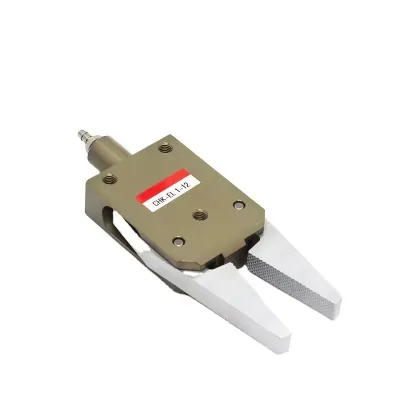


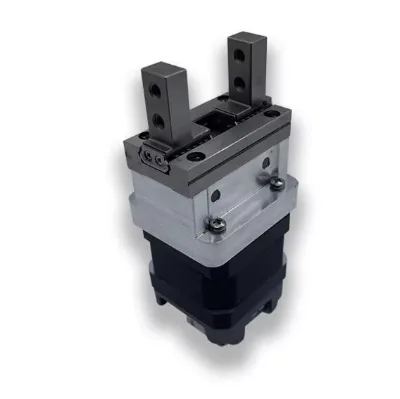
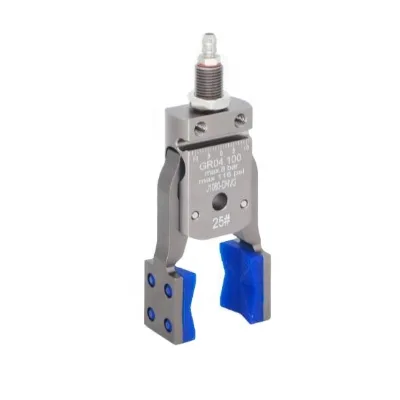
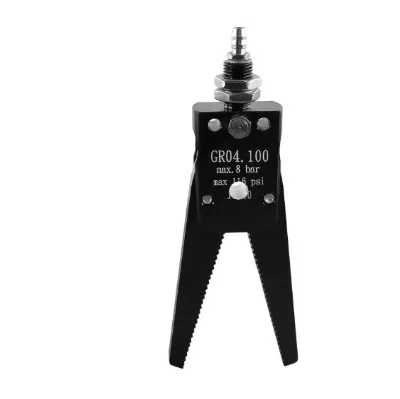
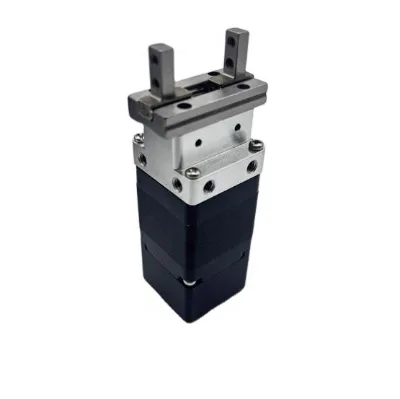
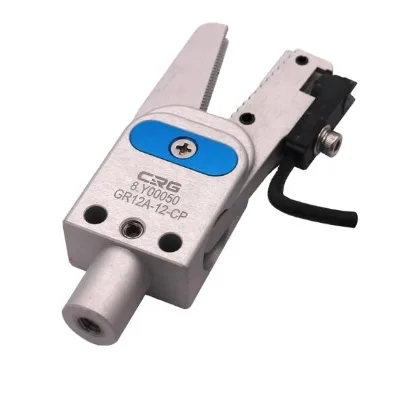
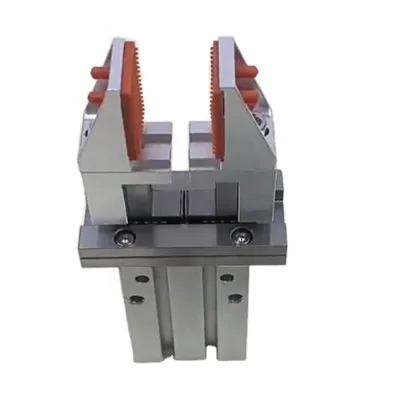

Comprehensive Sourcing Guide
Robot Gripper Sourcing Guide
Procuring a robot gripper requires careful evaluation of the specific mechanical interface and control logic required for your automation cell. The market offers distinct models ranging from lightweight units designed for delicate handling to robust variants capable of managing heavier loads. Buyers must first identify whether their application demands a manual or electric drive mode, as this decision fundamentally alters the integration complexity and power requirements of the system.
Once the drive mode is selected, the procurement team should verify the physical dimensions and weight constraints to ensure compatibility with the robot arm's payload capacity. The observed product data indicates a wide variance in stroke lengths and gripping forces, necessitating a precise match between the gripper's mechanical output and the workpiece characteristics. This initial alignment prevents costly retrofits and ensures the automation line operates within its designed safety margins from the outset.
Product Scope and Observed Listing Signals
The current market listings reveal a diverse portfolio of robot grippers, primarily categorized by their specific model numbers and intended gripping force ranges. Some units are engineered for high-speed tasks with rapid opening and closing times, while others prioritize precision and stability for delicate assembly operations. Buyers should note that the observed product range includes models with varying stroke lengths, such as 26mm or 7mm, which directly dictates the maximum size of the workpiece that can be manipulated effectively.
Listing signals also highlight significant differences in packaging and standard dimensions, which impact logistics planning and storage requirements. While some products are shipped in standard cartons, others utilize specialized boxes to protect sensitive components during transit. The presence of customization options in the listings suggests that suppliers are willing to adapt the gripper's mounting interface or control parameters to fit unique production line layouts, offering flexibility for non-standard automation challenges.
Technical Specifications to Verify
When evaluating technical specifications, the rated voltage and control mode are critical parameters that must align with your facility's power infrastructure and PLC architecture. The data indicates a common reliance on 24V DC power supplies, but the control protocols vary, with some units utilizing specific communication standards like Mudbus. Verifying the exact voltage tolerance and communication handshake requirements is essential to prevent electrical faults and ensure seamless data exchange between the gripper and the central controller.
Mechanical performance metrics such as gripping force per jaw and repeat accuracy are equally vital for maintaining consistent product quality. Buyers must confirm that the specified force range, whether it is 0.8 to 5 N or 30 to 100 N, matches the material properties of the workpiece to avoid damage or slippage. Additionally, the stroke length and opening time must be validated against the cycle time requirements of your production line to ensure the gripper can keep pace with the overall manufacturing rhythm without creating bottlenecks.
Compliance and Safety Documentation
Ensuring that the robot gripper meets international safety and environmental standards is a non-negotiable step in the procurement process. The available product data confirms that many units carry CE, FCC, and RoHS certifications, which indicate compliance with European safety directives and restrictions on hazardous substances. Procurement teams should request valid certification documents for each batch to verify that the electrical and mechanical components have been tested against these rigorous benchmarks before installation.
Beyond regulatory compliance, the warranty terms and after-sales support structure provide a safety net for operational continuity. Most observed listings offer a one-year warranty, which covers potential manufacturing defects but may exclude wear and tear from high-frequency usage. Buyers should clarify the scope of the warranty and the availability of online technical support to ensure that any immediate issues can be resolved without significant downtime, protecting the investment in the automation equipment.
Cost Drivers and Commercial Terms
The final cost of a robot gripper is influenced by several factors, including the complexity of the drive mechanism, the precision of the mechanical components, and the level of customization required. While the observed price range is broad, from low-cost units to high-performance models, the total cost of ownership must account for installation, integration, and potential maintenance expenses. Buyers should analyze the price-to-performance ratio rather than focusing solely on the initial purchase price to determine the most economical solution for their specific application.
Commercial terms such as the minimum order quantity (MOQ) and lead time also play a significant role in the procurement strategy. The market data suggests an MOQ range of 1 to 100 units, offering flexibility for both pilot projects and large-scale deployments. However, buyers must negotiate clear delivery schedules and payment terms to mitigate supply chain risks, ensuring that the grippers arrive in time for the production schedule without incurring penalties for delays or stockouts.
Supplier Qualification and Quality Control
Selecting a qualified supplier involves verifying their manufacturing capabilities and quality control processes to ensure consistent product performance. The observed data indicates that many suppliers originate from specific regions in China, such as Shandong and Zhejiang, which are known for their industrial manufacturing bases. Buyers should request evidence of the supplier's production capacity and their ability to maintain strict quality standards, particularly regarding the material composition and assembly precision of the aluminum alloy steel components.
Quality control extends to the inspection procedures performed before shipment, which are often documented in the product listings. The availability of video outgoing inspection is a valuable feature that allows buyers to visually verify the condition and configuration of the grippers before they leave the factory. This transparency helps build trust and reduces the risk of receiving defective units, ensuring that the delivered products meet the agreed-upon specifications and performance criteria.
Long-Term Procurement Checks
Establishing a long-term procurement strategy requires regular performance monitoring and maintenance planning to maximize the lifespan of the robot grippers. Buyers should implement a schedule for inspecting the mechanical wear on the jaws and checking the electrical connections for signs of fatigue or corrosion. Proactive maintenance can prevent unexpected failures and extend the operational life of the equipment, reducing the total cost of ownership over the years.
Furthermore, maintaining a relationship with the supplier for future upgrades and spare parts is crucial for sustaining automation efficiency. As production requirements evolve, the ability to source compatible accessories or upgraded models from the same supplier can streamline the integration process. Buyers should document the specific model numbers and technical parameters of their current inventory to facilitate easy reordering and ensure that future expansions of the automation line remain compatible with existing systems.
FAQs
What is the warranty period for Aovita robot grippers?
Aovita robot grippers come with a one-year warranty. This coverage ensures that any manufacturing defects or functional issues arising during normal operation are addressed. Buyers receive online technical support to assist with troubleshooting. The warranty applies to new units and is standard across the product line, providing peace of mind for industrial automation investments.
How much does a robot gripper cost?
The price range for these robot grippers is between 1 and 15,000 USD. Costs vary significantly based on the specific model, gripping force, and customization requirements. For instance, smaller models like the AG145 may be priced differently than larger industrial units. Buyers should request quotes for exact pricing based on their quantity needs and specific technical specifications.
Can I customize the robot gripper for my application?
Yes, customization is available for these robot grippers. Buyers can request modifications to suit specific industrial applications or unique handling requirements. The supplier offers online technical support to assist with custom design discussions. This flexibility allows for tailored solutions, ensuring the gripper meets precise operational needs while maintaining standard quality and warranty protections.
What is the minimum order quantity for robot grippers?
The minimum order quantity ranges from 1 to 100 units. This flexibility allows buyers to test small batches or order larger volumes for production lines. The exact MOQ may depend on the specific model and customization level. Buyers can start with a single unit for evaluation, making it accessible for both small-scale testing and large-scale industrial deployment.
Which certifications do these robot grippers hold?
These robot grippers hold CE, FCC, and RoHS certifications. These standards ensure compliance with safety and environmental regulations in various markets. The CE mark indicates conformity with health, safety, and environmental protection standards for products sold within the European Economic Area. Buyers can rely on these certifications for regulatory compliance in international trade and industrial applications.
What is the gripping force of the PGE-5-26-O model?
The PGE-5-26-O model provides a gripping force of 30 to 50 Newtons per jaw. This force is suitable for handling workpieces weighing up to 2kg. The model features a 26mm stroke and operates at 24V DC. It is designed for precise handling tasks, offering reliable performance in automated environments with a repeat accuracy of plus or minus 0.02mm.
How fast does the robot gripper open and close?
Opening and closing times vary by model. The AG145 model operates in 0.3 seconds for both opening and closing. The PGE-5-26-O takes 0.5 seconds, while the PGSE-15-7-O operates in 0.15 seconds. These speeds ensure efficient cycle times for various automation tasks. Buyers should select the model that best matches their required throughput and operational speed.