Source Drone Airframe for Agriculture, Industry, and Home Use
Explore 30 listings for Drone Airframe options tailored for agriculture, industrial manufacturing, and home applications. Buyers can compare specifications like flight duration, payload capacity, and material composition to find the right solution for their needs; compare the available evidence and request quotations based on your requirements.
Key considerations
Products List


$25000.00 - $31000.00
MOQ: 50 Pieces

$1000.00 - $200000.00
MOQ: 1 Pieces

Drone Control Device, Uav Defense System, Uav Fighter, Drone Defense
$15000.00 - $18500.00
MOQ: 1 Pieces




Comprehensive Sourcing Guide
Drone Airframe Sourcing Guide
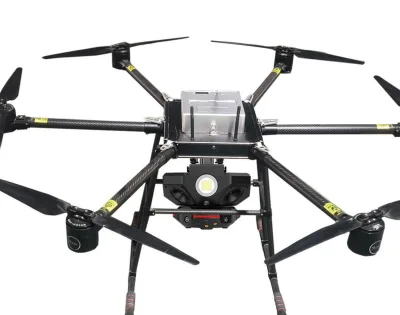
Buyers evaluating drone airframes must first distinguish between agricultural utility models and specialized industrial platforms, as the supplied data reveals distinct design philosophies. The observed listings include models like the BV610 and BV616, which feature aviation carbon fiber and aluminum construction specifically for agriculture and epidemic prevention. These units are engineered with high payload capacities, such as a 55kg maximum pesticide load, and are designed for operation in farms and home use scenarios.
In contrast, other entries highlight heavy industrial applications with structures like wing UAVs and flapping-wing designs, such as the U60 and Y60 models. These platforms often carry certifications like CE, FCC, and ISO, indicating compliance for remote operating radii and specific altitude requirements. Procurement teams must align their operational needs with these structural differences, ensuring the selected airframe matches the intended industry, whether it involves heavy industrial manufacturing or precise agricultural spraying tasks.
Product Scope and Observed Listing Signals
The market signals indicate a wide variance in product specifications, ranging from compact folding sizes of 1100mm to large industrial frames with distinct flight durations of 20 to 25 minutes. Buyers should note that while some models are packaged in standard cartons, others require specialized flight cases, reflecting the fragility and value of the carbon fiber components. The observed price range spans from 0.1 to 200,000 USD, suggesting that cost is heavily influenced by the complexity of the airframe and the inclusion of advanced features like anti-fall systems.
Procurement decisions must also account for the specific liquid containment capabilities, as some airframes are explicitly designed to hold disinfectors and medicines. The presence of models with maximum take-off weights of 51kg and 106kg demonstrates that buyers must verify the structural integrity required for their specific payload. Additionally, the availability of customization options allows for tailored solutions, but buyers must confirm if the standard packing or custom flight case aligns with their logistical requirements for transport and storage.
Technical Specifications to Verify
When assessing technical viability, the flight radius and maximum take-off weight are critical parameters that define the operational envelope of the drone. Buyers must verify if the selected model, such as those with a flight radius of less than 5000m, meets the coverage needs of their specific site. The distinction between models with a maximum take-off weight of 51kg versus 106kg is significant, as it dictates the maximum load capacity for pesticides or industrial equipment, directly impacting the efficiency of the deployment.
Furthermore, the physical dimensions and folding mechanisms are essential for logistics and storage planning. Specifications like a production folding size of 1100mm×850mm×860mm indicate the space required for transport, while the material composition of aviation carbon fiber and aluminum ensures durability against environmental stress. Buyers should also confirm the flight attitude limits, such as operations under 30m, to ensure the airframe can safely navigate the intended terrain without risking collision or instability during critical operations.
Compliance and Safety Documentation
Safety and regulatory compliance are paramount when sourcing airframes intended for public or industrial use. The observed listings include certifications such as CE, FCC, and ISO, which are essential for validating that the drone meets international safety and electromagnetic standards. Buyers must request proof of these certifications to ensure the equipment can be legally operated in their target regions, particularly for applications involving epidemic prevention or heavy industrial manufacturing where regulatory scrutiny is high.
In addition to product certifications, the warranty terms provide a crucial layer of risk mitigation for the buyer. The standard warranty period observed is 12 months, which covers potential defects in the airframe structure and electronic systems. However, buyers should carefully review the warranty conditions to understand what constitutes a valid claim, especially regarding the "New" condition of the units and the specific exclusions that might apply to high-stress agricultural or industrial environments.
Cost Drivers and Commercial Terms
The commercial landscape for drone airframes is influenced by several cost drivers, including the complexity of the material composition and the level of customization required. Models utilizing aviation carbon fiber and aluminum command higher prices due to the premium nature of these materials and the advanced manufacturing processes involved. Buyers must also consider the packaging costs, as the transition from standard carton packing to specialized flight cases adds to the overall unit cost and shipping weight.
Minimum Order Quantities (MOQ) and lead times further shape the commercial terms, with observed ranges starting from 1 unit up to 50 units. For customized production, the delivery date often requires a separate submission, indicating that standard lead times may not apply to bespoke orders. Buyers should negotiate clear terms regarding the production folding size and standard specifications to avoid unexpected costs, ensuring that the final price reflects the specific configuration of the airframe and its intended application.
Supplier Qualification and Quality Control
Supplier qualification is a critical step, as the market includes both drone manufacturers and professional suppliers offering OEM and ODM services. Buyers should verify the supplier's status as a professional factory to ensure they have the capacity for quality control and consistent production standards. The presence of specific models like the 003, 004, and 005 suggests a diverse portfolio, but buyers must confirm that the supplier can maintain the high standards required for aviation-grade materials and complex structural designs.
Quality control processes should be rigorously evaluated, particularly for airframes intended for heavy industrial use or agricultural spraying. Buyers must ensure that the supplier adheres to the observed standards, such as the 0.3 or 2 CBM specifications, and that the production material meets the required durability benchmarks. It is also essential to confirm the supplier's ability to provide the necessary documentation for certifications like CE and RoHS, ensuring that every unit delivered meets the strict safety and performance criteria required for professional operations.
Long-Term Procurement Checks
Long-term procurement success depends on establishing a reliable supply chain that can support ongoing maintenance and spare parts availability. Buyers should verify the supplier's commitment to the 12-month warranty period and their ability to provide timely support for any structural or electronic failures. The availability of customized delivery dates for specific orders indicates that the supplier can adapt to changing demand, but buyers must ensure that this flexibility does not compromise the consistency of the product quality over time.
Finally, buyers must plan for the lifecycle management of the drone airframes, considering the specific operating conditions such as the flight duration of 20 to 25 minutes and the maximum pesticide load. Regular inspections of the carbon fiber and aluminum components are necessary to detect wear and tear, especially in high-stress environments like farms or industrial sites. Establishing a clear protocol for warranty claims and maintenance checks will ensure that the procurement investment yields consistent performance and operational reliability throughout the product's lifespan.
FAQs
What materials are used for the Drone Airframe construction?
The Drone Airframe is constructed using aviation carbon fiber and aviation aluminum. These materials provide a strong yet lightweight structure suitable for industrial applications. The use of carbon fiber specifically helps reduce overall weight while maintaining structural integrity for flight operations.
What is the maximum takeoff weight for this Drone Airframe?
The maximum takeoff weight for this Drone Airframe is 106kg. This specification allows for a substantial payload capacity, making it suitable for heavy industrial manufacturing tasks. Buyers should verify that their specific mission requirements align with this weight limit to ensure safe operation.
Which certifications are available for the Drone Airframe products?
The Drone Airframe products are certified with CE, FCC, and ISO standards. These certifications indicate compliance with international safety and quality regulations. Buyers in regulated markets should confirm that the specific model they select holds the necessary certifications for their local jurisdiction.
Can the Drone Airframe be customized for specific industrial needs?
Yes, the Drone Airframe supports OEM, ODM, and OBM customization options. This allows buyers to tailor the airframe to their specific operational requirements. Customization may involve modifications to the structure or integration with specific payload systems, subject to manufacturer capabilities.
What is the flight duration of the Drone Airframe?
The Drone Airframe has a flight duration of 20 to 25 minutes. This endurance is typical for industrial drones of this size and weight class. Actual flight time may vary depending on payload weight, weather conditions, and operational altitude during the mission.
What is the warranty period for the Drone Airframe?
The Drone Airframe comes with a 12-month warranty. This coverage period provides protection against manufacturing defects during the initial phase of operation. Buyers should review the specific terms and conditions of the warranty to understand what is covered and any exclusions.
What is the folding size of the Drone Airframe?
The production folding size of the Drone Airframe is 1100mm by 850mm by 860mm. This compact folded dimension facilitates easier transportation and storage. The folding design is particularly useful for field operations where space is limited and rapid deployment is required.