Source RoHS Compliant Stainless Steel Bolts for Machinery Marine Outdoor
Compare 30 listings of RoHS Compliant Stainless Steel Bolts suitable for machinery, marine, and outdoor applications. Buyers can evaluate customization options, coating types, and delivery times from verified suppliers in Jiangsu.
Key considerations
Products List


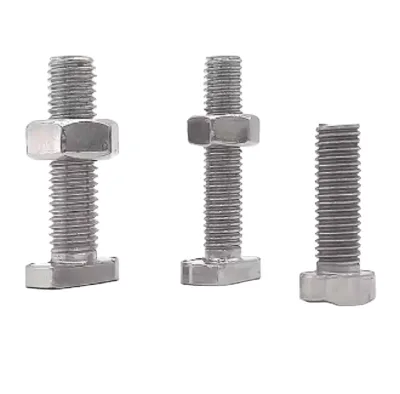


Stainless Steel Fastener Bolt Anchor for Corrosion Resistance Applications
$0.05 - $0.30
MOQ: 1000 Pieces


Stainless Steel Fasteners Nuts and Bolts U Bolt with 4 Nuts of Hardware
$0.50 - $100.00
MOQ: 1000 Pieces

Factory Supplier High Strength Fasteners Stainless Steel Hex Bolts with Nuts
$0.50 - $100.00
MOQ: 1000 Pieces


Comprehensive Sourcing Guide
Strategic Sourcing Guide for RoHS Compliant Stainless Steel Bolts
Understanding Product Specifications and Material Standards
When sourcing stainless steel bolts, buyers must first establish a clear understanding of the technical specifications that define the product's physical and chemical properties. The core material for these fasteners is typically stainless steel, which offers superior corrosion resistance compared to carbon steel alternatives. In the current market, specific grades such as A2 and A4 are frequently cited for their suitability in demanding environments. A2 grade generally provides excellent resistance to atmospheric corrosion, making it suitable for general industrial and marine applications, while A4 grade offers enhanced resistance to chlorides and harsh chemical environments.
The physical dimensions of the bolts are critical for ensuring compatibility with existing machinery and structural components. Standard nominal diameters for these fasteners often range from M2.5 to M20, covering a broad spectrum of small to medium-sized applications. The length of the bolts typically spans from 6mm to 100mm, allowing for versatile use in various assembly scenarios. Buyers should verify that the thread type is full thread, as this ensures maximum engagement and load-bearing capacity across the entire length of the fastener.
Head styles and thread types vary significantly based on the specific application requirements. Common configurations include square heads, round heads, and hex flange heads. For instance, square head bolts are often utilized in applications requiring high torque resistance without slippage, while round head bolts provide a smoother profile suitable for furniture and window assemblies. The thread pitch is another vital specification, with standard pitches ranging from 1 to 3.5 millimeters depending on the nominal diameter. It is essential to cross-reference these dimensions against international standards such as DIN, GB, ANSI, BSW, JIS, and GOST to ensure global compatibility and interchangeability.
Compliance Verification and Certification Protocols
The requirement for RoHS compliance is a primary filter in the modern procurement landscape, particularly for products destined for the European Union and other regulated markets. RoHS (Restriction of Hazardous Substances) directives limit the use of specific hazardous materials, including lead, mercury, cadmium, and hexavalent chromium, in electrical and electronic equipment. While stainless steel bolts are inherently less likely to contain these substances compared to plated carbon steel components, the verification process must be rigorous. Buyers should request explicit documentation confirming that the fasteners meet RoHS standards, ensuring that the surface treatments and coatings applied do not introduce prohibited substances.
Beyond RoHS, a comprehensive certification portfolio is indicative of a supplier's commitment to quality management. Trusted suppliers typically hold ISO 9001 certification, which validates their adherence to international quality management systems. Additional certifications such as SGS and CE provide further assurance regarding product safety and conformity to European standards. The presence of these certifications should be verified through official documentation rather than relying solely on marketing claims.
The testing protocols employed by manufacturers are equally important for validating compliance. Salt spray testing is a standard method used to evaluate the corrosion resistance of coated fasteners. This test simulates harsh environmental conditions to determine the longevity of the protective coating. Buyers should inquire about the specific duration and results of salt spray tests performed on the stainless steel bolts. Furthermore, the surface finishing processes, such as black zinc plating, black oxide, or powder coating, must be scrutinized to ensure they do not compromise the material's integrity or introduce non-compliant elements.
Cost Drivers and Pricing Dynamics
The pricing of stainless steel bolts is influenced by a complex interplay of material costs, manufacturing processes, and market dynamics. The base cost of stainless steel, particularly grades A2 and A4, fluctuates based on global commodity markets. Buyers should anticipate that higher-grade materials will command a premium price due to their superior corrosion resistance and mechanical properties. Additionally, the complexity of the manufacturing process, including the specific head style and thread configuration, can impact the final unit cost.
Surface finishing and coating processes represent another significant cost driver. Options such as Dacromet, hot-dip galvanizing (HDG), and specialized powder coatings require additional processing steps and materials, which increase the overall price. The choice of coating also depends on the intended application; for instance, marine-grade applications may require more expensive, highly resistant coatings compared to indoor furniture applications.
Order volume plays a crucial role in determining the final price per unit. While some suppliers may offer lower prices for bulk orders, the minimum order quantity (MOQ) can vary widely. In the current market, MOQs for stainless steel bolts can range from 10 to 10,000 pieces, with some suppliers setting a standard MOQ of 1,000 pieces. Buyers must balance their inventory needs with the economic benefits of bulk purchasing. Customization options, such as specific thread lengths or unique head styles, can also add to the cost, as they often require dedicated tooling and production runs.
Typical Applications and Industry Usage
Stainless steel bolts are versatile components utilized across a diverse range of industries, each with its own set of performance requirements. In the machinery sector, these fasteners are essential for assembling equipment that operates under high stress or in environments where corrosion resistance is paramount. The chemical industry relies heavily on stainless steel bolts to ensure the integrity of piping systems and processing vessels, where exposure to aggressive chemicals is common.
The environmental and building sectors also represent significant markets for these fasteners. In construction, stainless steel bolts are used in structural applications where long-term durability and resistance to weathering are critical. The marine industry, in particular, demands high-performance fasteners capable of withstanding saltwater exposure, making A4 grade stainless steel a preferred choice. Additionally, the furniture and window industries utilize these bolts for their aesthetic appeal and resistance to tarnishing, ensuring that the final product maintains its appearance over time.
The specific usage scenarios often dictate the choice of bolt type. For example, square head bolts are frequently found in machinery and structural applications where high torque is required, while round head bolts are preferred for furniture and window assemblies where a smooth finish is desired. Eye bolts and internal expansion bolts serve specialized functions in lifting and anchoring applications, respectively. Understanding these application-specific requirements is crucial for selecting the right fastener for the job.
Supplier Evaluation and Quality Assurance
Evaluating potential suppliers requires a multi-faceted approach that considers technical capabilities, quality control systems, and logistical reliability. Buyers should prioritize suppliers who demonstrate a clear understanding of international standards and can provide evidence of compliance through documented certifications. The ability to customize products, such as offering specific thread types or head styles, is another indicator of a supplier's flexibility and technical expertise.
Quality control measures are paramount in ensuring the reliability of the supplied fasteners. Suppliers should implement rigorous inspection processes, including dimensional checks, material verification, and surface finish analysis. The use of advanced testing methods, such as salt spray testing, helps validate the corrosion resistance of the products. Buyers should request detailed quality reports and test results to confirm that the fasteners meet the required specifications.
Logistical capabilities are also a critical factor in supplier evaluation. Lead times for production and delivery can vary significantly, with typical delivery times ranging from 7 to 15 working days. Sampling times, usually around 3 to 5 working days, allow buyers to verify product quality before committing to larger orders. Packaging is another important consideration, as proper packaging ensures that the fasteners arrive in optimal condition. Common packaging methods include polywood boxes and carton boxes, which provide adequate protection during transit.
Long-Term Procurement Considerations
Sourcing stainless steel bolts is not merely a transactional activity but a strategic decision that impacts long-term operational efficiency and cost management. Buyers should consider the total cost of ownership, which includes not only the purchase price but also the costs associated with maintenance, replacement, and potential downtime due to fastener failure. Investing in high-quality, RoHS-compliant stainless steel bolts can reduce the risk of corrosion-related failures, thereby extending the lifespan of the equipment and reducing long-term maintenance costs.
Supply chain resilience is another key consideration. Buyers should diversify their supplier base to mitigate the risk of disruptions caused by geopolitical events, natural disasters, or production delays. Establishing strong relationships with reliable suppliers can facilitate better communication, faster response times, and more favorable terms. Additionally, buyers should stay informed about changes in international standards and regulations to ensure continued compliance and market access.
Sustainability is increasingly becoming a priority in procurement strategies. RoHS compliance aligns with broader sustainability goals by reducing the environmental impact of hazardous substances. Buyers should look for suppliers who demonstrate a commitment to sustainable practices, such as using eco-friendly coatings and minimizing waste during the manufacturing process. By prioritizing sustainability and compliance, buyers can enhance their brand reputation and meet the growing demand for environmentally responsible products.
Comparative Analysis of Fastener Options
To facilitate informed decision-making, buyers should compare different fastener options based on key criteria such as material, coating, and application suitability. The following table outlines a comparison of common stainless steel bolt configurations:
| Feature | Option A: A2 Grade | Option B: A4 Grade | Option C: Carbon Steel with Coating |
|---|---|---|---|
| Material | Stainless Steel (A2) | Stainless Steel (A4) | Carbon Steel / Alloy Steel |
| Corrosion Resistance | High (Atmospheric) | Very High (Marine/Chemical) | Moderate (Depends on Coating) |
| Typical Coating | Plain, Zinc Plated | Plain, Dacromet | Black Zinc, HDG, Powder |
| Application | General Machinery, Furniture | Marine, Chemical Industry | Indoor, Dry Environments |
| RoHS Compliance | High | High | Variable (Verify Coating) |
| Cost Factor | Moderate | High | Low to Moderate |
This comparison highlights the trade-offs between different options. While A2 grade offers a balance of performance and cost for general applications, A4 grade is essential for harsh environments. Carbon steel options may be suitable for indoor use but require careful verification of coating quality to ensure RoHS compliance and adequate corrosion resistance.
Conclusion
Sourcing RoHS Compliant Stainless Steel Bolts requires a thorough understanding of technical specifications, compliance requirements, and market dynamics. By carefully evaluating suppliers, verifying certifications, and considering long-term procurement strategies, buyers can secure high-quality fasteners that meet their specific needs. The complexity of the market demands a disciplined approach to ensure that the selected products deliver the required performance and reliability. Through diligent research and strategic decision-making, buyers can optimize their procurement processes and achieve sustainable success in their operations.
FAQs
How can I verify RoHS compliance for these bolts?
You can verify compliance by requesting explicit documentation such as SGS or ISO certificates that confirm the absence of hazardous substances. The product facts list RoHS as a certified attribute alongside ISO9001 and CE, ensuring the fasteners meet strict chemical restrictions for global markets.
What material grades are available for stainless steel bolts?
The available material grades include A2 and A4 stainless steel, which offer varying levels of corrosion resistance. A2 is suitable for general industrial use, while A4 provides enhanced protection against chlorides, making it ideal for marine and chemical industry applications.
Which standard sizes are offered for these fasteners?
The product line offers nominal diameters ranging from M2.5 to M20, with lengths spanning 6mm to 100mm. These dimensions cover a broad spectrum of applications, from small machinery assemblies to larger structural components requiring full thread engagement.
Can I customize the coating and head style of the bolts?
Yes, customization is available for both coating and head style to meet specific project requirements. Buyers can select from options like black zinc, black oxide, or powder coating, and choose between square, round, or hex flange head styles.
What is the typical lead time for delivery?
The standard delivery time ranges from 7 to 15 working days after order confirmation. This timeline allows for efficient production and packaging, ensuring that bulk orders are shipped promptly to meet project deadlines.
How does the minimum order quantity affect pricing?
The minimum order quantity is typically set at 1000 pieces, which influences the unit cost structure. While bulk purchasing often reduces the price per unit, buyers must meet this threshold to access standard pricing and customization options.
What testing protocols ensure product quality?
Products undergo rigorous testing including salt spray tests to validate corrosion resistance and longevity. These tests simulate harsh environments to confirm that coatings like zinc plating or powder finish provide adequate protection for machinery and outdoor applications.