Source RoHS Dashboard Polish for Car Care, Cleaning, and Detailing
Find and compare 30 RoHS Dashboard Polish options from Guangdong suppliers. Evaluate specifications like 220ML to 650ML capacities, ISO9001 certifications, and OEM services for effective car care and cleaning applications.
Key considerations
Products List
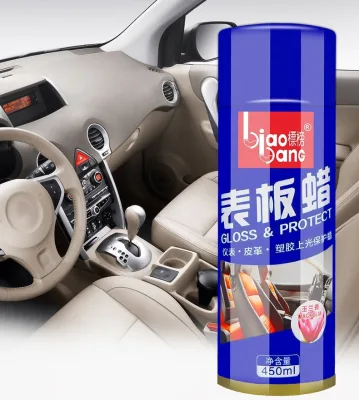


Car Care Dashboard Polish Spray Interior Protection Dashboard Wax Cleaning
$0.49 - $0.65
MOQ: 6000 Pieces


Auto Silicone Dashboard Polish Dashboard Silicone Spray Car Wax Polish Spray
$0.30 - $0.80
MOQ: 2000 Pieces


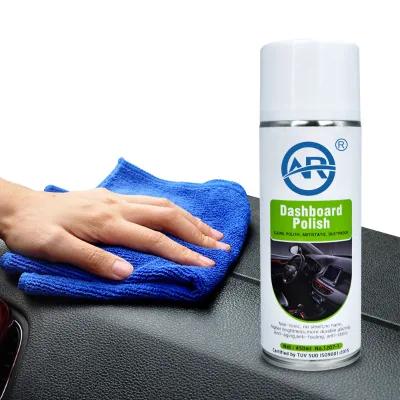

Comprehensive Sourcing Guide
RoHS Dashboard Polish Sourcing Guide
Sourcing dashboard polish requires a nuanced understanding of both chemical formulation and regulatory compliance, particularly when targeting markets with strict environmental standards. The term "RoHS" typically refers to the Restriction of Hazardous Substances directive, which limits specific hazardous materials in electrical and electronic equipment. While dashboard polish is not an electronic component, many procurement teams extend RoHS compliance requirements to all automotive care products to ensure brand consistency and mitigate supply chain risks associated with restricted substances like lead, mercury, or cadmium. This guide focuses on identifying suppliers who can provide dashboard polishing solutions that align with these rigorous safety and environmental expectations, ensuring that the final product protects vehicle interiors without introducing harmful contaminants.
The procurement landscape for automotive interior care products is diverse, ranging from basic wax-based polishes to advanced silicone-free, eco-friendly formulations. Buyers must distinguish between general car care products and specialized dashboard treatments that offer UV protection, anti-static properties, and a non-greasy finish. The observed market data indicates a wide range of product models, from specific dashboard polishes to general cleaners, suggesting that suppliers often operate as multi-category providers. Consequently, sourcing strategies must prioritize suppliers who demonstrate specialized expertise in interior care chemistry rather than generalists who may lack the specific formulation knowledge required for dashboard longevity and aesthetic preservation.
Product Scope and Observed Listing Signals
The current market listing signals reveal a significant variation in product specifications, capacities, and packaging standards, which directly impacts procurement logistics and cost analysis. Observed data points to a price range of $0.30 to $1.54 USD, with minimum order quantities (MOQs) spanning from 24 units to 24,000 units. This wide disparity suggests that the market includes both small-batch, high-margin specialty items and large-volume, low-margin commodity products. Buyers should note that the term "dashboard polish" appears alongside other product types such as "Cleaner & Wash" and general "Car Care Products," indicating that some suppliers may bundle these items or lack clear product categorization. It is crucial to verify that the specific item ordered is indeed a dashboard polish and not a general interior cleaner, as the chemical formulations and performance characteristics differ significantly.
Packaging and physical attributes observed in the listings provide critical insights into the supplier’s operational scale and quality control capabilities. Standard carton dimensions such as 39.526.521.50 cm and 27.521.526.5 cm are noted, along with gross weights ranging from 4.35 kgs to 9.05 kgs. These metrics are essential for calculating freight costs and warehouse storage requirements. Furthermore, the presence of specific model numbers like F004Dashboard polish and F024 highlights the importance of precise SKU verification. Buyers must ensure that the product model corresponds exactly to the desired formulation, as variations in model numbers often correlate with differences in ingredient quality, scent, and finish durability. The observation of "Eco-Friendly and No Harms" features in some listings suggests a growing market segment for safer formulations, but buyers should request specific ingredient lists to validate these claims.
Technical Specifications to Verify
Technical verification begins with confirming the product’s intended use and formulation type. The observed attribute "Car polishing" and "Car Care and Cleaning" indicates a broad category, but dashboard polish specifically requires ingredients that condition leather and vinyl without causing slippage on steering wheels or dashboards. Buyers must verify that the product is designed for interior surfaces, distinguishing it from exterior car polishes which may contain abrasives harmful to delicate dashboard plastics. The observed capacity ranges, such as 300-500ml and 500-1000ml, suggest that liquid formulations are predominant, but buyers should also inquire about spray versus pour applications, as this affects user experience and packaging design. The "Spray" usage attribute observed in some listings indicates a preference for convenience-oriented products, which may require different pressure vessel or pump mechanisms.
Shelf life and expiration date verification is a critical technical parameter that impacts inventory management and product freshness. The observed shelf life of three years is a standard benchmark for chemical automotive products, but buyers must confirm the stability of the emulsion or solution over this period. Ingredients such as silicones, waxes, and polymers can separate or degrade if not properly stabilized. Buyers should request stability test data or batch consistency reports to ensure that the product remains homogeneous and effective throughout its entire shelf life. Additionally, the "Customization" attribute being available suggests that buyers can tailor formulations, scents, or packaging sizes to their brand identity, but this requires early engagement with the supplier to define technical specifications and minimum customization thresholds.
Compliance and Safety Documentation
Compliance documentation is paramount when sourcing dashboard polish, especially for markets with stringent environmental regulations. While RoHS is primarily an electronics directive, its principles are often adopted by automotive care brands to signal safety and environmental responsibility. Buyers should request a Declaration of Conformity (DoC) that explicitly states the absence of restricted substances, even if the product is not legally required to be RoHS certified. This proactive approach helps in maintaining brand integrity and avoiding potential regulatory scrutiny in regions where chemical safety standards are evolving. The observed certifications, including ISO9001, ISO14001, BV, API, and MSDS, provide a baseline for quality and environmental management, but buyers must verify that these certifications are current and applicable to the specific manufacturing facility producing the dashboard polish.
Material Safety Data Sheets (MSDS) are non-negotiable documents that provide detailed information on the product’s hazardous components, handling precautions, and first-aid measures. The presence of MSDS in the observed certification list indicates that the supplier is aware of safety documentation requirements, but buyers must review the MSDS for specific ingredients to ensure they align with their internal safety policies and customer expectations. For instance, some dashboard polishes contain volatile organic compounds (VOCs) that may be restricted in certain jurisdictions. Buyers should also inquire about the presence of allergens or irritants, particularly if the product is marketed as "Eco-Friendly" or "No Harms," as these claims must be substantiated by rigorous toxicological testing. Verifying that the supplier holds valid ISO14001 certification further supports their commitment to environmental management systems, reducing the risk of supply chain disruptions due to environmental violations.
Cost Drivers and Commercial Terms
Cost drivers in dashboard polish procurement are influenced by raw material prices, packaging complexity, and order volume. The observed price range of $0.30 to $1.54 USD reflects these variables, with lower prices typically associated with higher MOQs and simpler packaging. Buyers must analyze the cost structure to understand whether the price includes the product only or if it encompasses packaging, labeling, and customization services. The "Customization" availability suggests that branded packaging or private labeling may incur additional costs, which should be factored into the total landed cost calculation. Additionally, the "Carton" packing attribute indicates that bulk shipping is the norm, but buyers should verify if inner packaging, such as individual boxes or blister packs, is included, as this affects both product protection and retail presentation.
Commercial terms and payment conditions play a significant role in the overall procurement strategy. The observed "Fob" (Free on Board) trade terms indicate that the buyer is responsible for freight and insurance costs from the port of origin, which can vary significantly depending on the destination. The "Negotiable" payment term suggests flexibility, but buyers should establish clear payment milestones, such as a deposit upon order confirmation and the balance upon shipment, to mitigate financial risk. The observed MOQs, ranging from 3,000 to 7,500 pieces for certain models, highlight the importance of aligning order quantities with sales forecasts to avoid excess inventory. Buyers should also consider the "Delivery Time" of 20-25 working days when planning inventory replenishment, ensuring that stock levels are maintained to meet customer demand without incurring rush shipping fees.
Supplier Qualification and Quality Control
Supplier qualification requires a thorough assessment of manufacturing capabilities and quality control processes. The observed place of origin, Guangdong, China, is a major hub for automotive care product manufacturing, offering a robust supply chain and competitive labor costs. However, buyers must verify the supplier’s production capacity and consistency, particularly if they are sourcing from multiple models with different specifications. The presence of "ODM&OEM" service indicates that the supplier can develop custom formulations, but buyers should assess their R&D capabilities and past performance in delivering customized products. Requesting samples from different production batches is essential to verify consistency in color, scent, and performance, as variations can indicate poor quality control.
Quality control protocols should be explicitly defined in the purchase agreement, including inspection criteria and acceptance standards. Buyers should inquire about the supplier’s internal testing procedures, such as viscosity checks, pH balance tests, and stability testing under various temperature conditions. The observed "BV" certification suggests that third-party inspections may be available, but buyers should specify their own inspection requirements, such as pre-shipment inspections (PSI) or factory audits. Additionally, the "Product Type" classification as "Car Care Products" implies a broad category, so buyers must ensure that the supplier has specific expertise in dashboard polish formulation. Verifying the supplier’s track record in exporting to similar markets can provide insights into their understanding of international compliance and logistics requirements.
Long-Term Procurement Checks
Long-term procurement success depends on establishing a sustainable supply chain relationship that prioritizes continuous improvement and risk mitigation. Buyers should conduct regular performance reviews with their suppliers, assessing metrics such as on-time delivery, product quality, and responsiveness to issues. The observed "Service" attribute of ODM&OEM suggests that suppliers are open to collaboration, but buyers must actively engage in product development discussions to stay ahead of market trends, such as the growing demand for eco-friendly and non-toxic formulations. Regular communication helps in anticipating supply chain disruptions, such as raw material shortages or regulatory changes, allowing for proactive adjustments to procurement strategies.
Sustainability and regulatory compliance are increasingly critical factors in long-term procurement. Buyers should monitor changes in environmental regulations in their target markets and ensure that their suppliers are adapting to these changes. The observed "Eco-Friendly" features indicate a market shift towards safer products, and buyers should encourage their suppliers to invest in greener manufacturing processes and sustainable packaging solutions. Additionally, buyers should maintain a diversified supplier base to reduce dependency on a single source, mitigating the risk of supply chain interruptions. By focusing on long-term partnerships based on transparency, quality, and compliance, buyers can secure a reliable supply of high-quality dashboard polish that meets their brand’s standards and customer expectations.
FAQs
What certifications do the dashboard polish products hold?
The products hold ISO9001, ISO14001, BV, API, and MSDS certifications. These standards ensure quality management and environmental compliance for car care items manufactured in Guangdong, China.
How long is the shelf life of the car polish?
The shelf life is three years for the cleaner and wash products. This duration applies to the dashboard polish and other car care items listed with a three-year expiration date.
Can I customize the packaging for dashboard polish orders?
Yes, customization is available for these car care products. Buyers can request specific packaging solutions while adhering to standard carton dimensions and weight requirements provided by the supplier.
What is the minimum order quantity for dashboard polish?
The minimum order quantity ranges from 24 to 24000 pieces depending on the specific model. Some items require 3000 or 7500 pieces, while others allow smaller initial orders.
Which capacity sizes are available for the dashboard polish?
Available capacities range from 220ml to 650ml per bottle. Specific models include 220ml, 450ml, 500ml, and 650ml options, with some batches containing 12 or 24 pieces per carton.
How long does delivery take for dashboard polish orders?
Delivery typically takes 20 to 25 working days after order confirmation. This lead time applies to the car care products sourced from Guangzhou, China, under FOB trade terms.