Source Rotary Electric Beer Filling Machine for Breweries, Distilleries, and Cider
Compare 30 rotary electric beer filling machines from verified Chinese manufacturers. These automatic units feature stainless steel construction, Siemens electrical components, and options for crown or aluminum caps to suit various production needs; compare the available evidence and request quotations based on your requirements.
Key considerations
Products List


$8000.00 - $35000.00
MOQ: 1 Pieces


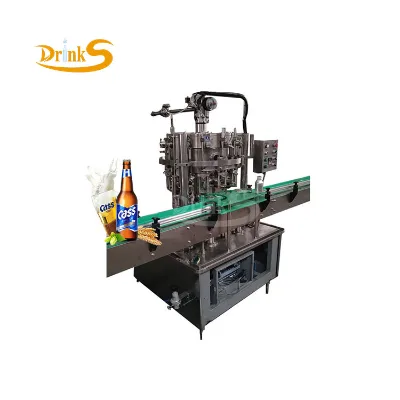


CE Certificate Beer Filling Machine Electric Driven Fully Automatic Beverage Filling System
$10000.00 - $120000.00
MOQ: 1 Pieces


Comprehensive Sourcing Guide
Rotary Electric Beer Filling Machine Sourcing Guide
Procuring a Rotary Electric Beer Filling Machine requires a careful balance of throughput capacity, hygiene standards, and mechanical reliability. These systems are designed for high-volume production lines, utilizing a rotary indexing mechanism to synchronize bottle handling with precise filling operations. Buyers must evaluate the machine’s structural integrity, particularly the stainless steel construction, which is critical for resisting corrosion and maintaining sanitary conditions in wet environments. The choice between different filling principles, such as pressure or negative pressure, directly impacts the quality of the final product, especially for carbonated beverages where foam control is essential.
The automation level and electrical components significantly influence operational efficiency and maintenance costs. Modern units often feature full automatic controls with reputable electrical accessories, ensuring consistent performance and ease of use. However, the complexity of these systems necessitates thorough due diligence regarding supplier support and spare parts availability. Buyers should prioritize machines that offer comprehensive after-sales services, including overseas installation and lifelong technical support, to minimize downtime. Understanding the specific model variations, such as linear versus rotary configurations, helps align the equipment with existing production line layouts and future expansion plans.
Product Scope and Observed Listing Signals
The market for rotary beer filling machinery presents a wide spectrum of options, ranging from entry-level models to high-end industrial solutions. Observed listings indicate a broad price range, reflecting differences in capacity, automation depth, and material quality. Some products are marketed as automatic linear types, while others emphasize rotary structures with multi-head filling valves. Buyers should note that terms like "volumetric filling machine" or "plunger dosing device" describe specific mechanical approaches that may suit different viscosity profiles or bottle types. It is crucial to distinguish between general descriptions and specific technical capabilities when evaluating product pages.
Listing signals also reveal variations in packaging and origin, which affect logistics and total cost of ownership. Many suppliers indicate origins in specific Chinese provinces, such as Jiangsu, and offer export-standard wooden case packaging to protect the machinery during transit. Attributes like "in stock" availability or specific delivery times, such as forty days, provide insight into supply chain responsiveness. However, buyers must verify these claims against actual production capabilities, as listed stock levels may not reflect real-time inventory. The presence of certifications like ISO 9001 and CE suggests a baseline commitment to quality and safety, but these should be confirmed through direct supplier interaction.
Technical Specifications to Verify
Verifying the technical specifications of a rotary filling machine is paramount to ensuring it meets production demands. Key parameters include the machine size, overall dimensions, and the type of filling valve head used. Multi-head configurations are common for increasing throughput, but the number of heads must align with the desired bottles per minute rate. Buyers should also inspect the filling principle, whether it relies on pressure or negative pressure, as this affects the handling of carbonated liquids. The material type, typically stainless steel grades 304 or 316, must be confirmed to ensure compliance with food safety standards and resistance to acidic or alkaline cleaning agents.
Electrical and automation features are equally critical for long-term operational success. The voltage requirements, often three-phase, must match the facility’s power infrastructure. The degree of automation, ranging from semi-automatic to fully automatic, dictates the level of human intervention required. Buyers should verify the brand of electrical accessories, as reputable brands like Siemens often indicate higher reliability and easier troubleshooting. Additionally, the bottle and cap compatibility, including glass types and crown or aluminum caps, must be assessed to ensure the machine can handle the specific packaging formats used in the production line.
Compliance and Safety Documentation
Compliance with international safety and quality standards is non-negotiable for industrial machinery. Buyers must request and verify certificates such as ISO 9001 for quality management and CE marking for European safety compliance. These documents confirm that the manufacturer adheres to recognized engineering and safety protocols. It is essential to ensure that the provided certificates are valid and issued by accredited bodies. The presence of these certifications also facilitates customs clearance and reduces the risk of regulatory hurdles in the destination country.
Beyond formal certifications, safety documentation should include detailed operation manuals, electrical schematics, and maintenance guides. These documents are vital for training local staff and ensuring safe operation. Buyers should also inquire about the machine’s adherence to specific industry standards for food processing equipment. The guarantee time, often listed as twelve months, should be clearly defined in the contract, covering both parts and labor. Understanding the scope of the warranty helps in planning for potential repair costs and minimizing unexpected downtime during the initial operational phase.
Cost Drivers and Commercial Terms
The total cost of a rotary beer filling machine is influenced by several factors, including material quality, automation level, and customization options. Stainless steel construction, particularly grade 316, adds to the initial price but offers superior durability and hygiene. Customization availability allows buyers to tailor the machine to specific production needs, but this may increase the lead time and cost. Buyers should request a detailed breakdown of costs, including the base machine price, optional features, and shipping expenses, to avoid hidden charges.
Commercial terms such as payment methods, delivery time, and after-sales service agreements significantly impact the procurement process. Delivery times can vary, with some suppliers offering forty-day lead times, while others may require longer periods for customized orders. Buyers should negotiate clear terms for installation and training, as these are crucial for successful implementation. The availability of engineer overseas installation services can reduce the need for extensive local training but may incur additional travel and accommodation costs. Understanding these terms helps in budgeting accurately and planning the production schedule effectively.
Supplier Qualification and Quality Control
Selecting a qualified supplier is critical to ensuring the reliability and performance of the rotary filling machine. Buyers should assess the manufacturer’s experience, production capacity, and quality control processes. A supplier with a proven track record in the beverage industry is more likely to deliver a machine that meets operational expectations. Verification of the manufacturer’s name, such as King Machine, and their location in Zhangjiagan City, Jiangsu Province, provides context for their expertise and logistical capabilities. Buyers should also check for any past disputes or negative feedback to gauge supplier reliability.
Quality control measures should be explicitly defined in the purchase agreement. This includes pre-shipment inspections, factory acceptance tests, and performance validation under load. Buyers should request detailed test reports and inspection certificates to verify that the machine meets the specified technical parameters. The availability of spare parts and the supplier’s response time to technical inquiries are also important indicators of long-term support. Establishing a clear communication channel with the supplier ensures that any issues can be addressed promptly, minimizing production disruptions.
Long-Term Procurement Checks
Long-term procurement success depends on the machine’s maintainability and the supplier’s ongoing support. Buyers should evaluate the maintenance period and the availability of replacement parts, such as filling valves and seals. A twelve-month maintenance period is common, but buyers should inquire about extended service contracts for continued support. The ease of cleaning and sanitation is also crucial, as frequent cleaning is required in beer production to prevent contamination. Machines with smooth surfaces and accessible components are easier to maintain, reducing labor costs and downtime.
After-sales service is a key factor in the total cost of ownership. Suppliers offering lifelong service and engineer support overseas provide significant value, especially for complex machinery. Buyers should clarify the scope of these services, including response times and coverage areas. Regular performance monitoring and preventive maintenance schedules should be established to ensure consistent operation. By focusing on these long-term aspects, buyers can maximize the return on investment and ensure the smooth operation of their beer production line for years to come.
FAQs
What is the standard maintenance period for this rotary filling machine?
The standard maintenance period is 12 months. This warranty covers essential components to ensure reliable operation during the initial year. Buyers should note that life-long service support is available for ongoing technical assistance and spare parts needs beyond the initial warranty term.
Which certifications does the Kingmachine rotary filling machine hold?
The machine holds ISO 9001 and CE certifications. These standards verify compliance with international quality management and safety requirements. The product origin is China, specifically from Jiangsu Province, ensuring adherence to established manufacturing protocols for industrial packaging equipment.
Can the machine handle different bottle types and materials?
Yes, the machine is designed for plastic and PET bottles. It features a rotary structure with multi-head filling valves and pneumatic lifting for bottle positioning. The automatic grade ensures consistent volumetric filling for various liquid packaging applications in industrial settings.
What is the typical delivery time for this equipment?
The typical delivery time is 40 days. This lead time applies to standard configurations ordered from the manufacturer. Buyers should confirm specific model requirements, as dimensions and capacities may vary based on the selected configuration and customization needs.
What electrical accessories are used in the control system?
The control system utilizes Siemens electrical accessories. These components ensure precise automation and reliable performance for the rotary filling process. The machine operates on a 3-phase voltage supply, suitable for standard industrial power environments in manufacturing facilities.
Is customization available for the rotary filling machine specifications?
Customization is available for specific production requirements. Buyers can adjust parameters such as filling heads, machine size, and feeding cylinder structures. The manufacturer offers overseas installation services and engineer support to ensure the equipment meets exact operational standards.