Find Rotary Gas Heating Sawdust Dryer for biomass drying, fuel processing, and animal feed
Source 30 Rotary Gas Heating Sawdust Dryer units with varying capacities and power ratings. Buyers can compare specifications including evaporation rates, moisture reduction, and drum dimensions for biomass drying, fuel processing, and animal feed applications.
Key considerations
Products List


Hot Sale Big Capacity Industrial Rotary Dryer for Sawdust Rotary Drying Equipment
$10000.00 - $50000.00
MOQ: 1 Pieces

Rotary Drying Equipment Rotary Drum Dryer Wood Sawdust Dryer Machine
$6500.00 - $30000.00
MOQ: 1 Pieces


Good Quality 1t/H Wood Sawdust Dryer Rotary Drum Dryer Wood Chips Drying Machine
$1587.00 - $9523.00
MOQ: 1 Pieces

Factory Price Small Drier Wood Sawdust Rotary Dryer Drum Drying Equipment
$1587.00 - $9523.00
MOQ: 1 Pieces

Industrial Rotary Drum Dryer for Wood Saw Dust Sand Good Quality Corn Rice Grain Dryer
$1587.00 - $9523.00
MOQ: 1 Pieces

Good Performance Sawdust Rotary Dryer, Sawdust Dryer with Competitive Price
$6600.00 - $35000.00
MOQ: 1 SET


Comprehensive Sourcing Guide
Strategic Sourcing Guide for Rotary Gas Heating Sawdust Dryers
Understanding Rotary Dryer Technology and Core Specifications
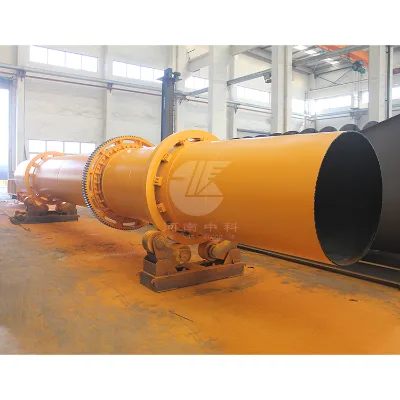
When sourcing a Rotary Gas Heating Sawdust Dryer, buyers must first distinguish between the specific mechanical configurations available in the current market. The core keyword implies a continuous drying process utilizing hot air generated by gas combustion to reduce moisture content in biomass materials. Based on observed product data, these units are predominantly classified as Rotary Dryers or Rotary Drying Equipment, often featuring a single drum configuration with an agitation movement way. The operational method is consistently continuous, allowing for high-volume throughput essential for industrial biomass processing.
The physical dimensions of the dryer are critical for facility planning. Market observations indicate a range of standard models, such as the THD20-12, THG15-12, and THD20-24. These model numbers often correlate with specific dimensional standards. For instance, the THD20-12 model corresponds to a standard diameter of 2 meters and a length of 12 meters. Similarly, the THG15-12 variant is associated with a diameter of 1.6 meters and a length of 12 meters, while the THD20-24 model features a larger diameter of 2 meters but extends to a length of 24 meters. These variations directly influence the internal volume available for material residence time and the overall footprint required for installation.
Power consumption is another primary technical variable that buyers must evaluate. The observed power ratings for these units vary significantly depending on the drum size and intended capacity. Smaller configurations may operate with power requirements around 11 kW, while larger industrial units can require up to 18.5 kW or even higher ranges extending from 34 kW to 155 kW. This variance suggests that the energy demand is not uniform across all models and must be matched to the specific electrical infrastructure of the buyer's facility. Furthermore, the drying medium is typically air, and the heating mode is transmission-based, ensuring efficient heat transfer to the material within the rotating drum.
Compliance, Certification, and Safety Standards
In the global B2B market, compliance with international safety and quality standards is a non-negotiable prerequisite for procurement. For rotary dryers sourced from China, particularly those originating from regions like Henan, buyers should verify the presence of recognized certifications. The observed product data explicitly lists CE and ISO certifications as available attributes for these machines. The CE marking indicates conformity with health, safety, and environmental protection standards for products sold within the European Economic Area, while ISO certification suggests adherence to international quality management systems.
However, buyers must exercise caution when interpreting these certifications. The presence of a certification attribute in a product listing does not automatically guarantee that every specific unit in a batch holds valid, current certification. It is essential to request the actual certification documents and verify their validity with the issuing bodies. Additionally, while the observed data mentions "CE" as a high-confidence fact, buyers should also investigate local regulatory requirements in their own country. Gas heating systems, in particular, often require specific combustion safety approvals that may go beyond general machine certifications.
The operational pressure of these dryers is typically atmospheric, which simplifies the safety profile compared to pressurized systems. However, the temperature range is a critical safety parameter. Observed data indicates operating temperatures between 250°C and 310°C. At these levels, the risk of material ignition or thermal degradation is significant. Buyers must ensure that the supplier provides detailed safety interlocks, temperature monitoring systems, and fire suppression protocols. The "New" condition of the equipment is also a standard observation, but buyers should verify the condition of critical components like the burner system and the drum lining to ensure they meet safety standards for high-temperature operations.
Cost Drivers and Pricing Structure Analysis
The pricing of rotary gas heating sawdust dryers is influenced by a complex matrix of factors, including capacity, dimensions, power requirements, and customization options. The observed price range in the market spans from approximately $1,400 to $100,000 USD. This wide disparity reflects the difference between smaller, entry-level units and large-scale industrial systems. The lower end of the spectrum likely corresponds to smaller models with lower power ratings and reduced drying capacities, while the upper end represents heavy-duty units with extended lengths, higher power consumption, and advanced control systems.
A significant cost driver is the raw material capacity and the resulting drying efficiency. The observed evaporation quantities range from 0.5 tons per hour to 1.5 tons per hour for specific models, while broader market data suggests input capacities ranging from 1.53 to 12.14 tons per hour. Higher throughput requires larger drums, more robust motors, and more powerful heating systems, all of which increase the manufacturing cost. The weight of the equipment is also a direct indicator of cost, with observed weights ranging from 15 tons to as much as 76 tons. Heavier units generally imply thicker steel construction and more substantial support structures, which correlate with higher material and shipping costs.
Customization is another factor that impacts the final price. The product data confirms that customization is available, allowing buyers to tailor the dryer to specific raw material types, such as sawdust, wood chips, or EFB (Empty Fruit Bunches). Customization may involve modifying the drum length, adjusting the heating mode, or integrating specific control interfaces. While the Minimum Order Quantity (MOQ) is observed to be as low as 1 set, making these units accessible for smaller operations, the unit price will naturally increase for highly customized configurations due to the non-standard engineering and manufacturing effort required. Buyers should also consider the packaging requirements, as units are often shipped in iron cases or containers, which adds to the overall logistics cost.
Typical Applications and Material Compatibility
Rotary gas heating sawdust dryers are designed for a versatile range of applications, primarily focused on biomass drying processing and the production of biomass fuels. The observed usage data highlights the equipment's capability to handle various raw materials, including sawdust, wood chips, and EFB. These materials are commonly used in the production of pellets, briquettes, and other solid biofuels. The ability to process these diverse feedstocks makes the rotary dryer a critical component in the biomass supply chain.
The drying performance is measured by the reduction of moisture content. The observed data indicates that these dryers can reduce the early moisture content, which typically ranges from 35% to 45%, down to a final moisture content of 10% to 15%. Some models offer adjustable final moisture settings, allowing operators to fine-tune the output based on specific end-use requirements. For instance, fuel pellets often require a final moisture content of around 10%, while other applications might tolerate up to 15%. The vaporization capacity, ranging from 0.45 to 3.57 tons per hour, determines how quickly the dryer can achieve this moisture reduction.
The operational context also includes the type of material flow. The equipment is designed for continuous operation, which is ideal for large-scale industrial facilities that require a steady supply of dried biomass. The output capacity, observed to range from 1.08 to 8.57 tons per hour, aligns with the input capacity, ensuring a balanced production line. Buyers should verify that the specific model they select can handle the moisture content of their specific raw material source. For example, materials with higher initial moisture may require longer residence times or higher operating temperatures, which could necessitate a larger drum or a more powerful heating system.
Supplier Evaluation and Quality Assurance Protocols
Evaluating suppliers for rotary dryers requires a rigorous approach to ensure the quality and reliability of the equipment. The observed product origin is primarily China, with specific mentions of Henan as a manufacturing hub. While this region has a strong industrial base, buyers must conduct thorough due diligence to verify the supplier's manufacturing capabilities and quality control processes. Key evaluation criteria should include the supplier's experience with similar models, their track record in exporting to the buyer's region, and their after-sales service commitments.
The observed data mentions an after-sales service period of 1 year, which is a standard baseline for such equipment. However, buyers should negotiate for extended service periods or specific service level agreements that cover critical components like the burner, motor, and drum lining. The condition of the equipment is listed as "New," but this should be verified through factory inspections or third-party quality audits. Buyers should request detailed specifications for the materials used in construction, such as the grade of steel for the drum and the insulation materials used to maintain thermal efficiency.
Quality control should also extend to the testing of the drying performance. While specific test results are not provided in the general data, buyers should require performance guarantees that match the observed specifications, such as the evaporation rate and final moisture content. It is advisable to request a trial run or a video demonstration of the dryer in operation with the buyer's specific raw material. This practical verification can reveal potential issues with material flow, heat distribution, or dust generation that may not be apparent from static specifications. Additionally, buyers should verify the packaging standards, as the equipment is often shipped in containers or iron cases, which must be robust enough to prevent damage during transit.
Long-Term Procurement and Operational Considerations
Long-term procurement considerations for rotary gas heating sawdust dryers extend beyond the initial purchase price to include total cost of ownership, maintenance requirements, and operational flexibility. The power consumption, ranging from 11 kW to 155 kW, represents a significant ongoing operational cost. Buyers should analyze the energy efficiency of the specific model, considering the heating mode and the thermal insulation of the drum. Gas heating systems require a steady supply of fuel, and the efficiency of the burner will directly impact the cost per ton of dried material.
Maintenance is another critical factor. The rotary dryer's mechanical components, such as the rollers, gears, and bearings, are subject to wear and tear due to the continuous rotation and the abrasive nature of biomass materials. Buyers should ensure that the supplier provides a comprehensive spare parts list and that replacement parts are readily available. The "Single Drum" configuration simplifies maintenance compared to multi-drum systems, but the large size of the drum (up to 24 meters in length) requires careful handling during any repair or replacement activities.
Scalability and future-proofing are also important considerations. The observed range of input and output capacities suggests that there are models available for various production scales. Buyers should consider their future growth plans and select a dryer that can be upgraded or expanded if necessary. The availability of customization allows for adjustments to the drying process, which can be beneficial if the raw material source changes or if production requirements evolve. Finally, buyers should plan for the logistics of installation and commissioning, as the weight of the equipment (up to 76 tons) requires specialized lifting and handling equipment at the installation site.
Comparative Analysis of Key Model Specifications
To assist buyers in making informed decisions, the following table summarizes the key specifications observed for different rotary dryer models. This comparison highlights the variations in dimensions, power, and capacity that influence the selection process.
| Model Specification | Diameter | Length | Power (kW) | Evaporation Qty (t/H) | Weight (t) |
|---|---|---|---|---|---|
| THG15-12 | 1.6m | 12m | 11 | 0.7 | 15 |
| Thd18-12 | 1.8m | 12m | 22 | 0.9 | N/A |
| Thd20-12 | 2.0m | 12m | 18.5 | 0.9 | N/A |
| THD20-24 | 2.0m | 24m | N/A | 1.5 | N/A |
| General Range | 1.6m-2.0m | 12m-24m | 11-155 | 0.5-1.5 | 15-76 |
This table illustrates that while the diameter remains relatively consistent across models (1.6m to 2.0m), the length and power requirements vary significantly. The THD20-24 model, with its 24-meter length, likely offers higher throughput but requires more substantial power and structural support. Buyers should match these specifications to their specific production needs, ensuring that the selected model can handle their raw material volume and moisture reduction requirements efficiently.
FAQs
What certifications do rotary gas heating sawdust dryers have?
These dryers typically carry CE and ISO certifications to ensure safety and quality standards. Buyers should verify specific documents for each unit as certifications may vary by batch. The equipment originates from China, often from Henan, and meets international compliance requirements for export.
How much power does a Rotary Gas Heating Sawdust Dryer consume?
Power consumption ranges from 11 kW to 155 kW depending on the model and drum size. Smaller units like the THG15-12 use 11 kW, while larger industrial models can require up to 155 kW. This variance requires matching the dryer to your facility's electrical infrastructure.
Can I customize the specifications of a Rotary Gas Heating Sawdust Dryer?
Yes, customization is available to tailor the dryer to specific raw materials like sawdust or wood chips. Buyers can adjust dimensions, such as the 2m diameter and 12m length found in the THD20-12 model, to fit their facility layout. This allows for optimized drying performance for unique biomass types.
What is the minimum order quantity for a Rotary Gas Heating Sawdust Dryer?
The minimum order quantity is 1 set, making these units accessible for smaller operations. This low threshold allows buyers to purchase a single unit without needing to meet high volume requirements. The price varies significantly based on the selected capacity and customization options.
Which raw materials can a Rotary Gas Heating Sawdust Dryer process?
The dryer handles various raw materials including sawdust, wood chips, and EFB (Empty Fruit Bunches). It is designed for biomass drying processing and fuel production with an input capacity ranging from 1.53 to 12.14 tons per hour. The equipment reduces moisture from 35-45% down to 10-15%.
How is the Rotary Gas Heating Sawdust Dryer packaged for shipping?
Units are typically packed in iron cases or containers to ensure safe transport. The packaging must be robust enough to protect the heavy machinery, which can weigh between 15 and 76 tons. This standard packaging helps prevent damage during international transit from the manufacturing origin in China.