Source Rotomolded 9ft Single Fishing Kayak for Racing, Fishing, and Recreation
Compare 30 rotomolded 9ft single fishing kayak options from Chinese manufacturers. These polyethylene vessels feature single-person seating, varying capacities up to 150kg, and CE certification. Ideal for leisure, racing, and fishing applications with customizable designs and reliable delivery times; compare the available evidence and request quotations based on your requirements.
Key considerations
Products List


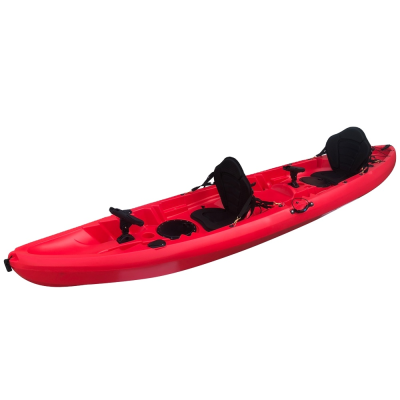
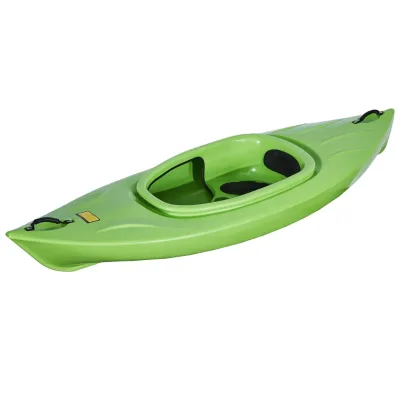
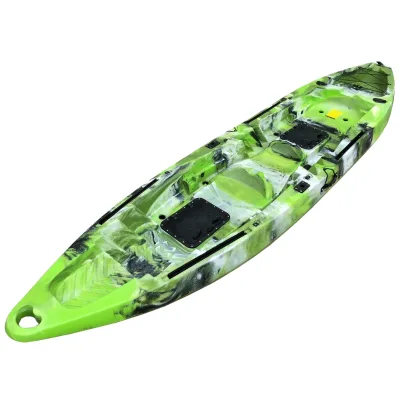
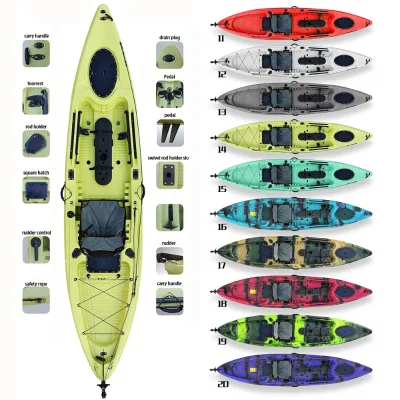


Comprehensive Sourcing Guide
Rotomolded 9ft Single Fishing Kayak Sourcing Guide
The rotomolded 9ft single fishing kayak represents a specialized segment of recreational watercraft designed for stability and durability in varied aquatic environments. Based on observed market data, these vessels frequently utilize polyethylene hulls to ensure resistance against impact and UV degradation, which is critical for long-term exposure to sunlight and rough water conditions. Buyers should note that while some listings indicate specific dimensions like 260cm or 280cm, the 9ft specification generally aligns with single-person configurations optimized for maneuverability in lakes, seas, and amusement parks.
Procurement decisions must account for the diverse usage profiles observed in current listings, ranging from serious fishing and racing to general leisure and entertainment. The hull surface profile often mimics a fish form to enhance hydrodynamic efficiency, though this design choice varies by manufacturer. When sourcing, it is essential to verify that the selected model supports the intended load capacity, as observed maximum loading weights can range significantly from 140kg to 150kg depending on the specific production model and structural reinforcement used in the rotomolding process.
Product Scope and Observed Listing Signals
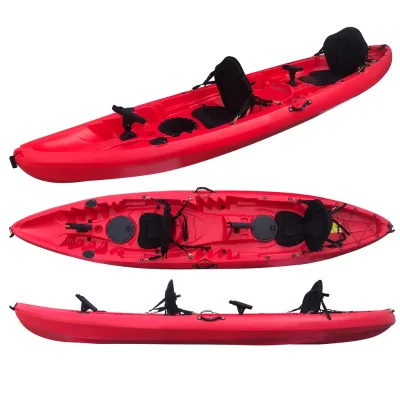
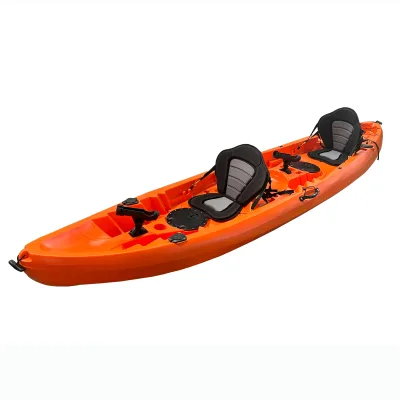
Buyers must carefully distinguish between single and tandem configurations, as the market contains mixed listings that may confuse procurement specifications. While the core keyword focuses on single kayaks, observed data includes tandem styles and various models like KP-1704 or EVO01, which may have different capacity ratings or dimensions. It is vital to confirm that the specific unit ordered matches the single-person requirement, ensuring the seat configuration and hull width are appropriate for one user rather than a multi-passenger setup.
Color and finish options are another critical signal, with many suppliers offering multi-colored or colorful designs to enhance visibility and aesthetic appeal. The packaging methods observed, such as cardboard with film or bubble bags combined with carton sheets, indicate the level of protection provided during transit. Procurement teams should verify that the packaging standard aligns with the fragility of the rotomolded plastic, ensuring that the product arrives without surface scratches or structural damage that could compromise the hull integrity before the first launch.
Technical Specifications to Verify
Dimensional accuracy is paramount when sourcing a 9ft kayak, as observed specifications vary from 260cm to 380cm in length and 70cm to 82cm in width. Buyers must cross-reference the listed length and width against the intended water conditions, as wider hulls offer greater stability for fishing while narrower profiles may suit racing or faster paddling. The depth of the hull, typically observed around 28cm to 30cm, directly influences the freeboard and dryness of the vessel, which is a key consideration for anglers who need to keep gear dry while casting.
Weight and load capacity are interdependent factors that determine the kayak's performance and handling characteristics. Observed weights for single models range from 20kg to 30kg, with maximum loading capacities often cited between 140kg and 150kg. Sourcing teams must verify that the stated capacity includes the weight of the paddler, gear, and any additional equipment to prevent overloading, which can destabilize the vessel. Additionally, the power type is consistently listed as paddle-driven, meaning the design relies entirely on human power, requiring a hull shape that balances drag and speed effectively.
Compliance and Safety Documentation
Safety compliance is a non-negotiable aspect of sourcing watercraft, with CE certification appearing as a standard requirement for many listed models. Buyers should request valid CE certificates to ensure the product meets European safety standards for recreational vessels, which often cover structural integrity and material safety. The presence of a "Ce Certificate" or similar documentation indicates that the manufacturer has undergone specific testing protocols, providing a baseline assurance that the kayak is safe for use in public waters and commercial amusement parks.
UV resistance is another critical safety and durability factor, with some listings specifying an 8-degree UV resistance rating. This attribute suggests the material has been treated to withstand prolonged sun exposure without significant degradation, which is essential for kayaks used in open sea or lake environments. Procurement teams must verify that the UV-resistant treatment is applied to the entire hull surface and that the material composition, typically polyethylene, is compatible with these treatments to ensure long-term performance without cracking or fading.
Cost Drivers and Commercial Terms
Pricing for rotomolded kayaks varies widely, with observed ranges spanning from $79 to $21,000, reflecting differences in material quality, brand positioning, and included accessories. The high end of this spectrum likely includes specialized racing models or bulk commercial orders, while the lower end may represent basic recreational units. Buyers should analyze the price-to-specification ratio, ensuring that the cost reflects the actual weight, capacity, and durability features rather than just aesthetic variations or marketing claims.
Minimum Order Quantities (MOQ) and lead times are significant commercial terms that impact procurement planning. Observed MOQs range from 1 to 10 units, with some specific models requiring a minimum of 3 sets, while production times can vary from 5-7 days after deposit to 10 days after payment. Understanding these timelines is crucial for inventory management, as delays in production or shipping can disrupt project schedules. Buyers should negotiate clear delivery terms that account for potential variations in production capacity and logistics.
Supplier Qualification and Quality Control
Supplier qualification requires a thorough review of the production origin and manufacturing capabilities, with China identified as a primary source for these vessels. Buyers should verify the supplier's ability to maintain consistent quality across batches, as rotomolding processes can vary in temperature control and material mixing. It is essential to confirm that the supplier has a track record of producing units that meet the specified dimensions and weight limits, ensuring that the final product matches the technical specifications provided in the initial listing.
Quality control measures should include visual inspections for surface defects and structural tests for load-bearing capacity. Since the condition is listed as new, buyers must ensure that the inspection process covers the integrity of the hull, the stability of the seat, and the effectiveness of the UV-resistant coating. Implementing a pre-shipment inspection protocol can help identify any deviations from the standard, such as uneven wall thickness or improper sealing, which could lead to premature failure or safety hazards during use.
Long-Term Procurement Checks
Sustainability and maintenance requirements are key considerations for long-term procurement success, as rotomolded kayaks require specific care to maintain their structural integrity. Buyers should inquire about the availability of replacement parts, such as seats or footrests, and the ease of repairing minor hull damage. The ability to source compatible accessories and maintenance supplies ensures that the fleet remains operational for years, reducing the total cost of ownership and minimizing downtime for fishing or recreational activities.
Future-proofing the procurement strategy involves monitoring changes in industry standards and certification requirements. As regulations evolve, suppliers may need to update their products to meet new safety or environmental standards. Buyers should establish a relationship with suppliers who are proactive in adapting to these changes, ensuring that future orders remain compliant. Regular reviews of supplier performance and product updates will help maintain a reliable supply chain that supports the long-term needs of the organization.
FAQs
What is the standard size for this single kayak?
The standard size is 260cm in length, 70cm in width, and 30cm in depth. This specific dimension set corresponds to model KP-1704. The design ensures stability for recreational use while maintaining a manageable footprint for transport and storage on land or water.
Can the kayak be customized for specific needs?
Yes, customization is available for this product line. Buyers can request tailored features to suit specific recreational or fishing requirements. The manufacturer supports customized orders, allowing for adjustments to meet particular operational needs or branding preferences for bulk procurement projects.
What is the maximum load capacity for this model?
The maximum load capacity is 140kg for the standard single-person model. This weight limit ensures safe operation for leisure and entertainment purposes. The hull is designed to support this load while maintaining stability, making it suitable for anglers carrying gear on lakes or calm seas.
How long does production take after payment?
Production typically takes 5-7 days after deposit receipt. For some models, delivery occurs 10 days after full payment. This lead time allows for quality control and proper packaging. Buyers should plan their procurement schedule accordingly to ensure timely arrival for upcoming seasons or events.
What certification does the kayak hold?
The kayak holds CE certification, indicating compliance with relevant safety standards. This certification is crucial for market entry in many regions. It assures buyers of the product's quality and safety, facilitating smoother import processes and providing confidence in the manufacturing standards applied to the polyethylene hull.
What is the minimum order quantity for this kayak?
The minimum order quantity is 3 sets. This MOQ applies to the standard single kayak models. Buyers seeking larger volumes can benefit from economies of scale. The structured MOQ ensures efficient production runs while allowing smaller businesses to enter the market with manageable initial inventory commitments.