Source Swim Armbands for Beach, Pool, and Surfing
Source Swim Armbands from 30 verified listings. Compare PVC and neoprene options with customizable sizes and logos. Ideal for children and adults seeking waterproof, adjustable flotation for beach, pool, and surfing activities; compare the available evidence and request quotations based on your requirements.
Key considerations
Products List
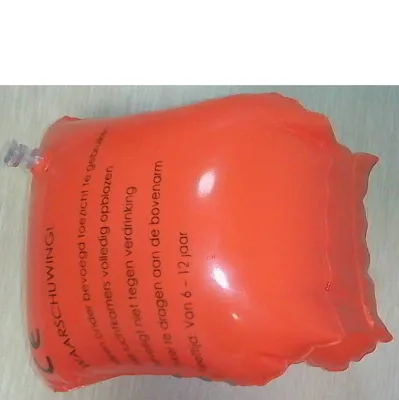
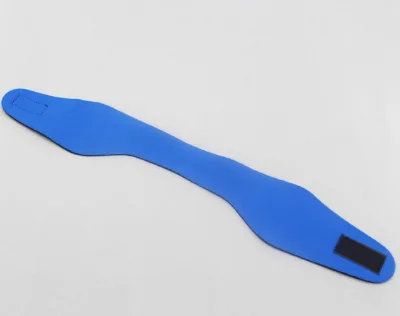
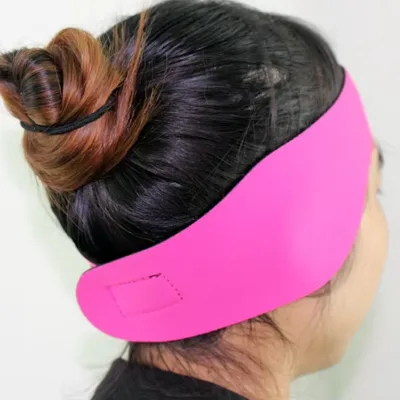
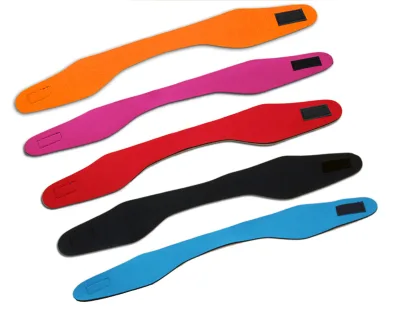


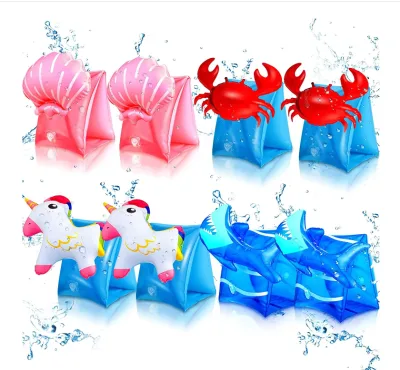
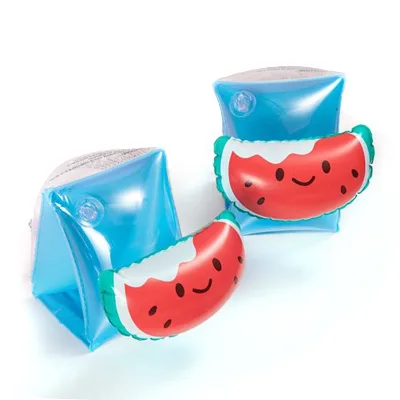
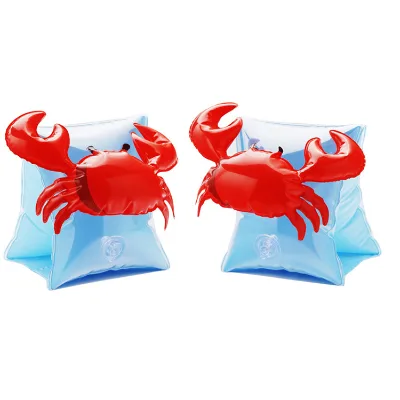
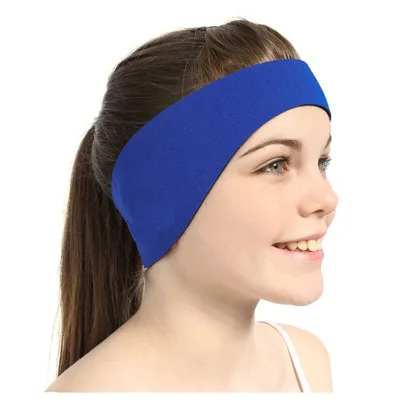
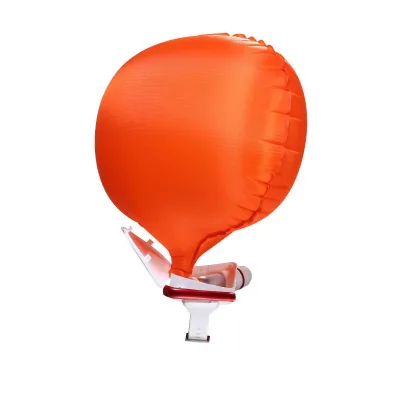

$2.00 - $2.30
MOQ: 1000 Pieces


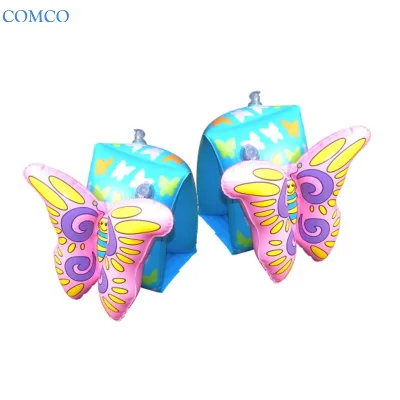


Custom Waterproof RFID Silicone NFC Bracelet / Wristband for Swimming Pool
$0.10 - $0.30
MOQ: 100 Pieces
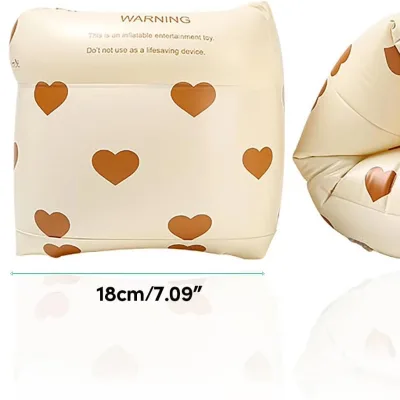
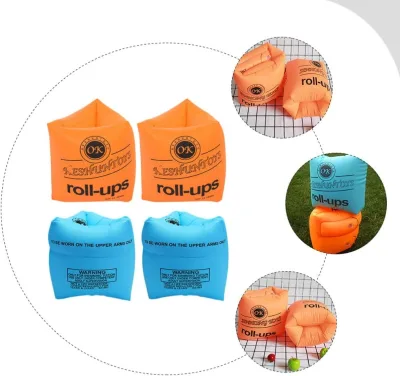
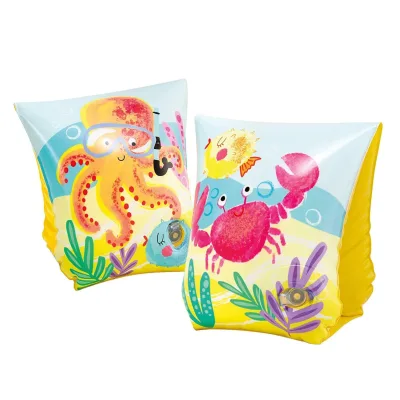
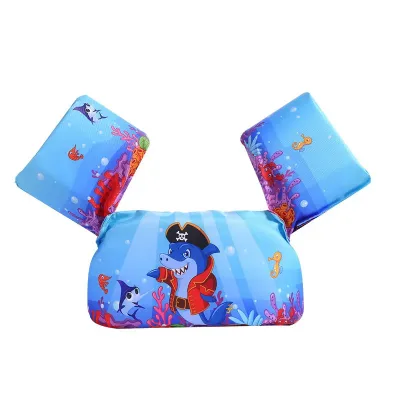

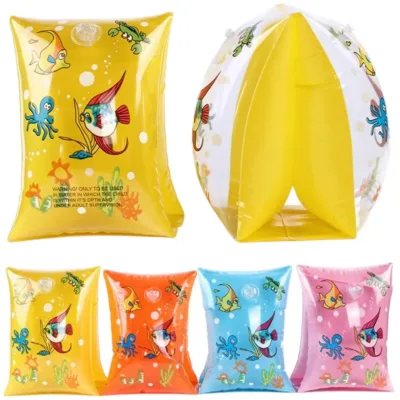
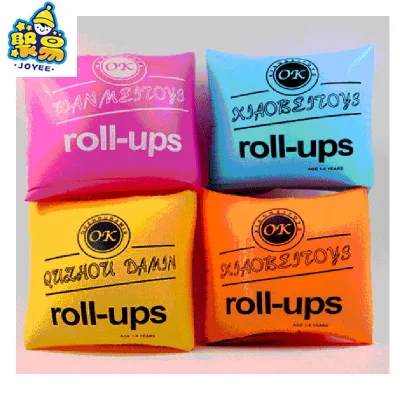


Comprehensive Sourcing Guide
Swim Armbands Sourcing Guide
Swim Armbands serve as essential flotation aids for children and adults in recreational water settings, including pools, beaches, and promotional events. These products are primarily designed to enhance buoyancy and safety during swimming activities, making them a staple for summer entertainment and water sports. Buyers must distinguish between standard inflatable models and specialized gear, such as neoprene headbands or adjustable arm bands, to ensure the selected product aligns with the intended user demographic and usage environment.
The market offers a wide variety of designs, ranging from simple PVC inflatables to more durable neoprene options. Key attributes often include waterproof materials, adjustable elasticity, and customizable branding for corporate promotions or advertising campaigns. Understanding the specific use case, whether for individual retail sale or bulk promotional distribution, is critical for selecting the right material thickness, size, and color palette to meet both functional safety requirements and aesthetic marketing goals.
Product Scope and Observed Listing Signals
Current market listings indicate a diverse range of Swim Armbands with varying material compositions, including 6NP and EN71 compliant PVC, as well as neoprene fabrics. Observed specifications highlight sizes such as 26x16cm and 25x15cm, with options for customized dimensions to fit different age groups or body types. The presence of multiple color options, from bright oranges and yellows to subtle grays and blacks, suggests that visual appeal plays a significant role in purchasing decisions, particularly for children’s products and branded merchandise.
Listing signals also reveal that many suppliers offer OEM services, allowing for customized logos and designs on the products. This flexibility supports businesses looking to create branded swim accessories for promotional events or retail distribution. Additionally, the availability of free samples and low minimum order quantities for certain items indicates a market that accommodates both small-scale testing and large-volume production runs, providing buyers with the flexibility to scale their procurement strategies effectively.
Technical Specifications to Verify
When evaluating Swim Armbands, buyers should prioritize material thickness and durability, as these factors directly impact safety and longevity. For PVC-based products, verifying the thickness, such as 0.18mm, is crucial to ensure adequate inflation and resistance to punctures. Additionally, the weight of the product, often listed around 20g for smaller items, can indicate the density and quality of the material used. Buyers must ensure that the specified materials meet the required flexibility and waterproof standards for their intended application.
Size consistency and customization options are also critical technical considerations. While standard sizes like M and L are common, many suppliers offer customized sizing to accommodate specific user needs. Buyers should verify the accuracy of size charts and request physical samples to confirm fit and comfort. Furthermore, checking the packaging specifications, such as OPP bags or polybags, helps in planning logistics and storage, ensuring that products arrive in pristine condition and are ready for immediate distribution or retail display.
Compliance and Safety Documentation
Safety compliance is paramount when sourcing Swim Armbands, especially for products intended for children. Buyers must verify that materials meet relevant safety standards, such as EN71 for PVC components, to ensure they are free from harmful substances. Although specific certification statuses may vary by supplier, it is essential to request documentation that confirms compliance with international safety regulations. This due diligence helps mitigate liability risks and ensures that the products are safe for their intended users.
In addition to material safety, buyers should inquire about testing reports and quality control processes. Suppliers should be able to provide evidence of rigorous testing for durability, leakage, and chemical composition. Understanding the regulatory landscape in the target market is also crucial, as different regions may have specific requirements for children’s swimming aids. By prioritizing suppliers with robust compliance frameworks, buyers can ensure that their products meet all legal and safety obligations, fostering trust with end consumers.
Cost Drivers and Commercial Terms
Several factors influence the cost of Swim Armbands, including material type, customization complexity, and order volume. PVC products with custom logos and colors may incur higher costs due to printing and setup fees, while standard neoprene items might have different pricing structures based on fabric quality and construction. Buyers should analyze the total cost of ownership, considering not just the unit price but also shipping, packaging, and potential tariffs, to make informed procurement decisions.
Commercial terms such as minimum order quantities (MOQ) and payment terms also play a significant role in sourcing strategy. While some suppliers offer low MOQs for sample testing, larger orders may benefit from volume discounts. It is advisable to negotiate clear terms regarding sample availability, lead times, and return policies. Understanding these commercial dynamics allows buyers to optimize their inventory levels and cash flow, ensuring a smooth procurement process from initial order to final delivery.
Supplier Qualification and Quality Control
Selecting a reliable supplier involves assessing their production capabilities, quality control measures, and track record. Buyers should verify the supplier’s location, such as Zhejiang, China, and evaluate their experience in manufacturing swim accessories. Requesting references or case studies can provide insights into the supplier’s reliability and consistency. Additionally, checking for any relevant certifications or industry memberships can further validate the supplier’s commitment to quality and professionalism.
Implementing a robust quality control process is essential to maintain product standards. Buyers should establish clear quality criteria and conduct regular inspections, either through third-party agencies or on-site visits. Defining acceptable defect rates and establishing protocols for handling non-conforming products are critical steps. By maintaining open communication with suppliers and enforcing strict quality standards, buyers can ensure that the Swim Armbands meet their expectations and deliver value to their customers.
Long-Term Procurement Checks
Sustainable sourcing practices require ongoing evaluation of supplier performance and market trends. Buyers should regularly review supplier metrics, such as on-time delivery rates and product quality consistency, to identify areas for improvement. Building long-term relationships with reliable suppliers can lead to better pricing, priority service, and collaborative innovation. Staying informed about industry developments, such as new materials or safety regulations, helps buyers adapt their procurement strategies to changing market conditions.
Additionally, buyers should consider the environmental impact of their sourcing decisions. Exploring eco-friendly materials and sustainable manufacturing processes can enhance brand reputation and meet growing consumer demand for responsible products. Regularly auditing suppliers for compliance with environmental standards and encouraging sustainable practices can contribute to a more resilient and ethical supply chain. By prioritizing long-term partnerships and sustainability, buyers can secure a competitive advantage and drive positive change in the swim armband market.
FAQs
What materials are used for Swim Armbands?
Swim Armbands are typically made from 6NP and EN71 PVC or Neoprene materials. These materials ensure durability and safety for children. The PVC version features a thickness of 0.18mm, while Neoprene options offer flexibility. Both materials are waterproof and suitable for various water activities like swimming and beach entertainment.
Can I customize the size and logo of Swim Armbands?
Yes, you can customize both the size and logo of Swim Armbands. Available sizes include 26x16cm, 25x15cm, or fully customized dimensions. You may request any design for the logo, and customization is available for colors like orange, blue, pink, and black. This allows for unique branding on the product.
What is the minimum order quantity for Swim Armbands?
The minimum order quantity for Swim Armbands is 20 pieces. However, observed listings show a broader range from 1 to 10,000 pieces depending on the supplier. Buyers should verify specific MOQ requirements with manufacturers before placing an order to ensure it meets their procurement needs and budget constraints.
Which colors are available for Swim Armbands?
Swim Armbands come in a wide variety of colors including orange, gray, ivory, gold, yellow, brown, black, purple, white, khaki, pink, army green, green, multi, red, silver, blue, and beige. Neoprene options also feature black, blue, pink, red, orange, and yellow. Custom colors may be available upon request.
How are Swim Armbands packaged for shipping?
Swim Armbands are typically packaged in OPP bags or polybags for individual protection. Each item is packed separately to prevent damage during transit. The single package size for some models is 5x5x1 cm, making them compact and easy to ship. Bulk packaging options may vary by supplier.
Are samples available for Swim Armbands before bulk order?
Yes, samples are available for Swim Armbands before placing a bulk order. Some suppliers offer existing samples for free, while others may charge for custom samples. Buyers can request samples to verify quality, size, and material before committing to a large purchase order with the manufacturer.
Where are Swim Armbands manufactured?
Swim Armbands are primarily manufactured in Zhejiang, China. This region is known for producing various swimming supplies and water toys. Buyers can expect products to originate from this location, which often influences lead times and shipping costs. Always confirm the specific factory location with the supplier.