Source Electric Surfboard for Offshore Waters and Training
Compare 30 Electric Surfboard listings from China. Options include 6000W and 12kw models with CE certification. Features range from wireless control to anti-friction designs for adult unisex use in various seasons; compare the available evidence and request quotations based on your requirements.
Key considerations
Products List


Electric Surfboard Water Scooter Boat Sea Scooter Underwater Surfboard
$1750.00 - $1850.00
MOQ: 1 Pieces


Waterproof Remote Control Surf Board Motor Electric Surfboard with Fins
$2899.00 - $3599.00
MOQ: 1 Pieces


Exciting Electric Surfboard with Smooth Controls and Unique Riding Experience
$3188.00 - $3888.00
MOQ: 2 Sets


Thrilling Electric Surfboard with Agile Response and Durable Component Build
$3188.00 - $3888.00
MOQ: 2 Sets


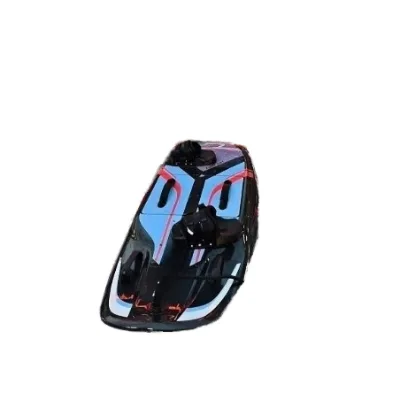
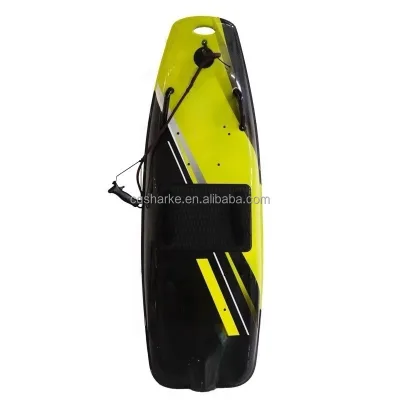
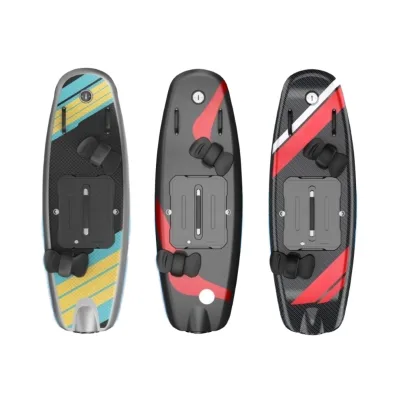

Powered Surfboard Electric Water Board Carbon Fiber Surfboard Outdoor Speed
$2777.00 - $3099.00
MOQ: 1 Pieces
Comprehensive Sourcing Guide
Electric Surfboard Sourcing Guide
Procuring electric surfboards requires a disciplined approach to technical verification and commercial negotiation. Buyers must distinguish between recreational models and high-performance offshore units, as the underlying engineering differs significantly. The observed market data indicates a wide variance in product configurations, ranging from compact personal watercraft to robust offshore vessels. Understanding these distinctions is critical for aligning supplier capabilities with your specific operational requirements.
This guide synthesizes observed listing signals to provide actionable procurement advice. It focuses on verifying motor power, battery configurations, and safety certifications before committing to volume orders. By prioritizing evidence-based checks, buyers can mitigate risks associated with inconsistent quality or non-compliant components. The following sections detail the specific attributes, compliance documents, and commercial terms that should be scrutinized during the sourcing process.
Product Scope and Observed Listing Signals
The observed product range includes models designed for various water conditions, with specific attributes indicating suitability for offshore waters. Listings highlight features such as anti-friction properties and sunscreen capabilities, suggesting a focus on user comfort and durability in prolonged use. The "All-Around Sup" type designation implies versatility, while the "1 Person" capacity limit defines the primary use case. Buyers should note that some listings specify "Customized Color" options, allowing for brand alignment, while others offer standard configurations.
Technical signals reveal significant differences in power output and control mechanisms. One observed model features a 12kw motor with a surface speed of 60km/H, controlled via a wireless handle. In contrast, other listings reference different motor powers and battery configurations, such as DC48V/18.2ah systems. The packaging varies from plywood cases to standard cartons, impacting logistics planning. Buyers must clarify whether the product is a standalone board or part of a larger system, as this affects integration costs and maintenance requirements.
Technical Specifications to Verify
Motor power is a primary differentiator, with observed values ranging from 480W to 12kw. Buyers must verify that the specified power output matches the intended use case, as higher power units require more robust battery systems and cooling mechanisms. The observed 12kw model is associated with a surface speed of 60km/H, which is critical for offshore applications. Confirming the actual performance under load is essential, as nominal ratings may not reflect real-world capabilities in varying water conditions.
Battery configuration and charging times directly impact operational efficiency. One listing specifies a DC48V/18.2ah battery with a charging time of 2-3.5 hours, while others may differ. Buyers should request detailed battery specifications, including cycle life and degradation rates, to ensure long-term viability. Additionally, the transmission type, observed as manual in some contexts, must be clarified for electric models to avoid confusion with internal combustion variants. Verifying the net weight, such as the observed 19kg, is also crucial for transport and handling logistics.
Compliance and Safety Documentation
Safety certifications are non-negotiable for watercraft, and buyers must request valid documentation for each model. The observed context mentions CE certification for specific products, but this does not guarantee compliance for all listed items. Buyers should verify that the certification covers the specific model and batch being procured, not just the manufacturer’s general status. Requesting test reports for electrical safety, waterproofing, and structural integrity is essential to ensure the product meets international safety standards.
Documentation should also include details on the battery management system and motor controller compliance. Given the high voltage and power levels involved, such as the 12kw motor, rigorous testing is required to prevent electrical hazards. Buyers should ask for evidence of IP rating tests for waterproofing, especially for offshore models. Ensuring that all components, from the wireless control handle to the fiberglass body, meet relevant safety standards is critical for liability protection and user safety.
Cost Drivers and Commercial Terms
The observed price range of $7.35 to $13,980 indicates significant variation based on model complexity and features. High-performance offshore models with 12kw motors and advanced control systems command premium prices, while basic recreational units are more affordable. Buyers should analyze the cost breakdown to understand which components drive the price, such as the battery capacity, motor power, and material quality. Negotiating based on volume and long-term partnership potential can help secure better terms.
Minimum Order Quantities (MOQ) vary widely, with observed ranges from 1 to 200 units. Buyers must align their procurement volume with the supplier’s MOQ to avoid excess inventory or production delays. Customization options, such as customized colors and packaging, may incur additional costs and lead times. Clarifying payment terms, shipping responsibilities, and warranty conditions is essential. Buyers should also consider the total cost of ownership, including maintenance, spare parts, and potential upgrades, when evaluating the overall value proposition.
Supplier Qualification and Quality Control
Supplier qualification involves verifying manufacturing capabilities, quality control processes, and after-sales support. Buyers should request factory audits or third-party inspection reports to assess the supplier’s production standards. Focus on the supplier’s experience with electric watercraft, as this niche requires specialized expertise in battery management and waterproofing. Reviewing the supplier’s track record with similar products can provide insights into their reliability and consistency.
Quality control measures should include incoming material inspection, in-process checks, and final product testing. Buyers should agree on specific quality metrics, such as motor efficiency, battery performance, and structural integrity, before production begins. Implementing a pre-shipment inspection protocol ensures that only compliant units are delivered. Establishing clear communication channels for addressing quality issues and providing technical support is crucial for maintaining a productive supplier relationship.
Long-Term Procurement Checks
Long-term procurement requires monitoring supplier performance, market trends, and regulatory changes. Buyers should establish key performance indicators (KPIs) to track delivery times, defect rates, and customer satisfaction. Regular reviews of the supplier’s financial health and operational capacity help identify potential risks early. Staying informed about advancements in battery technology and motor efficiency can inform future procurement decisions and product upgrades.
Building a strategic partnership with the supplier can lead to better pricing, priority production slots, and collaborative product development. Buyers should consider negotiating multi-year contracts with flexible terms to accommodate changing demand. Monitoring industry standards and regulatory updates ensures that procured products remain compliant and competitive. By maintaining a proactive approach to supplier management and market analysis, buyers can secure a reliable supply of high-quality electric surfboards for their operations.
FAQs
What is the motor power for the Electric Surfboard?
The motor power is 12kw for the YH-ES01 model. Some listings also show 6000W options. This power supports speeds up to 60km/h. Ensure you check the specific model details before purchasing to match your performance needs.
Can the Electric Surfboard be customized for buyers?
Yes, customization is available for this product. Buyers can request customized colors and specific configurations. The product origin is Shenzhen, China. Contact suppliers directly to discuss your specific customization requirements and lead times.
What is the maximum weight capacity of the board?
The maximum weight capacity is greater than 150kg. This ensures stability for adult users. The net weight of the unit is 19kg. Always verify the specific model specifications to confirm it meets your personal weight requirements.
How long does it take to charge the battery?
The charging time ranges from 2 to 3.5 hours. The battery configuration is DC48V with 18.2ah capacity. Operating time is less than one hour. Plan your usage schedule accordingly to ensure the device is fully charged before your session.
Which certifications does the Electric Surfboard hold?
The product holds CE certification. This indicates compliance with safety standards. The origin is China. Verify the certification documents with the supplier to ensure the specific batch meets your local regulatory requirements before finalizing the order.
What is the packaging size for shipping?
Packaging dimensions vary by model, such as 90x48x27 cm or 46.5x23x15 cm. Some units ship in plywood cases or containers. Check the specific product standard and packing details provided by the manufacturer to calculate accurate shipping costs.
Is the Electric Surfboard suitable for all seasons?
Yes, it is suitable for spring, summer, autumn, and winter. Some models are rated for the whole year. The design includes features like sunscreen and anti-friction. This makes it versatile for year-round use in various weather conditions.