Source Round Glass Cooking Oil Bottle for Olive, Essential, and Beverage
Compare 30 Round Glass Cooking Oil Bottle options from verified suppliers in China. Buyers can evaluate volumes from 30ml to 1000ml, shapes including square and round, and customization features like screw caps and hot stamping for various oil applications.
Key considerations
Products List

Food Grade 750ml Glass Green Olive Oil Bottles Round Shape Cooking Oil Bottles
$0.14 - $0.32
MOQ: 10000 Pieces

250ml 500ml Capacity Glass Green Olive Oil Bottles Square Cooking Oil Bottles
$0.14 - $0.32
MOQ: 10000 Pieces

Custom 250ml Small Capacity Cooking Oil Glass Bottle for Gin Olive Oil
$0.14 - $0.32
MOQ: 10000 Pieces


Antique Green Color 500ml Cooking Oil Olive Oil Glass Bottle with Metal Lid
$0.14 - $0.32
MOQ: 10000 Pieces


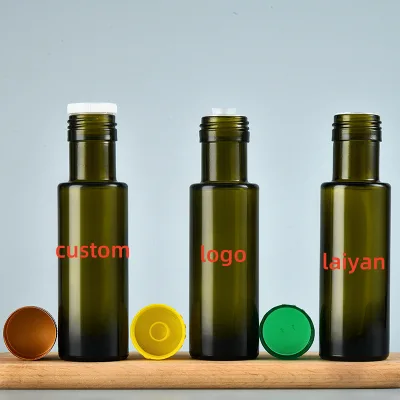


Dark Green Square Round Olive Cooking Oil Glass Bottle 250ml 500ml 750ml
$0.17 - $0.20
MOQ: 50000 Pieces


Comprehensive Sourcing Guide
Round Glass Cooking Oil Bottle Sourcing Guide
Sourcing round glass cooking oil bottles requires a strategic balance between aesthetic appeal, functional integrity, and supply chain reliability. Glass remains a preferred material for premium edible oils due to its inert nature, which prevents chemical interaction with the product and preserves flavor profiles over extended shelf lives. Buyers must navigate a market characterized by diverse volume options, varying cap technologies, and distinct regional manufacturing hubs. This guide provides a structured approach to evaluating suppliers, verifying technical specifications, and managing commercial risks associated with glass packaging procurement.
The decision to source round glass bottles often hinges on the need for brand differentiation and consumer trust. The cylindrical form factor offers stability and efficient palletization, making it suitable for both retail shelves and bulk distribution channels. However, the procurement process is complicated by the variability in glass thickness, cap sealing mechanisms, and surface finishing techniques. Buyers must establish clear requirements early in the engagement phase to ensure that the selected packaging meets both logistical constraints and marketing objectives without incurring unexpected costs or quality failures.
Product Scope and Observed Listing Signals
The current market landscape for round glass cooking oil bottles reveals a wide spectrum of product configurations, primarily driven by volume and cap type. Observed listings indicate a strong presence of bottles ranging from small 100ml formats to larger 1000ml capacities, with intermediate sizes such as 250ml, 500ml, and 750ml being common. While the core keyword specifies "round" bottles, many suppliers offer dual-format catalogs that include square options, suggesting that buyers should explicitly confirm the geometric preference during initial inquiries to avoid receiving samples of alternative shapes. The material is consistently identified as glass, with a notable emphasis on recyclability as a key selling point for environmentally conscious brands.
Cap technology varies significantly across listings, with screw caps being the standard for cooking oil applications to ensure leak-proof sealing. However, some suppliers also list roller-on or dropper caps, which are typically associated with essential oils or medicinal products rather than high-volume cooking oils. Buyers must carefully distinguish between these cap types, as the sealing mechanism directly impacts the bottle's suitability for viscous liquids. Additionally, surface handling techniques such as hot stamping are available for branding purposes, allowing for customized logo printing that enhances shelf presence. The origin of these products is predominantly mainland China, with specific manufacturing hubs identified in Zhejiang province, indicating a concentrated supply base that buyers can leverage for competitive pricing.
Technical Specifications to Verify
Verifying technical specifications is critical to ensuring that the glass bottles meet the physical demands of filling, capping, and transportation. Buyers should request detailed dimensional drawings that specify the neck finish, wall thickness, and overall height-to-diameter ratio. The neck finish is particularly important as it must be compatible with the chosen capping equipment; mismatches here can lead to production line inefficiencies or seal failures. While listings mention standard models such as BX-0345D or ES0408B, these internal codes may not correspond to universal industry standards, so buyers must cross-reference these with actual physical measurements and thread specifications.
Thermal shock resistance and impact strength are vital performance indicators for glass packaging, especially for hot-filled oils or products subjected to temperature fluctuations during storage. Buyers should inquire about the annealing process used by the manufacturer, as proper annealing reduces internal stress and minimizes the risk of spontaneous breakage. Furthermore, the weight of the bottle is a key factor in both shipping costs and sustainability metrics; lighter bottles reduce freight expenses but may compromise durability. Suppliers often provide pallet packing or carton packing options, and buyers should verify the stacking strength of the packaging to prevent damage during transit. Customization availability for logos and surface finishes should also be confirmed, including the minimum order quantities required for such bespoke elements.
Compliance and Safety Documentation
Compliance with food contact regulations is non-negotiable when sourcing packaging for edible oils. Buyers must ensure that the glass material and any applied coatings or inks are compliant with relevant food safety standards, such as those set by the FDA in the United States or EFSA in Europe. Although specific certification statuses like ISO 9001 or CE marks may be mentioned in general supplier profiles, buyers should request specific food-grade compliance certificates for the glass batch and the cap components. These documents verify that the materials do not leach harmful substances into the oil, preserving product safety and integrity.
In addition to material safety, buyers should verify the supplier's quality management systems and traceability protocols. A robust quality management system ensures consistent production standards and reduces the likelihood of defects such as cracks, bubbles, or dimensional inaccuracies. Buyers should ask for sample reports that include leak tests, pressure tests, and drop tests to assess the bottle's performance under stress. While general certifications provide a baseline of operational competence, specific food-contact compliance documentation is essential for regulatory approval in target markets. Buyers must also consider the environmental impact of the packaging, verifying that the glass is fully recyclable and that any inks or adhesives used in labeling are eco-friendly.
Cost Drivers and Commercial Terms
Understanding the cost drivers associated with round glass cooking oil bottles allows buyers to negotiate more effectively and forecast budgets accurately. The primary cost components include raw material prices, energy consumption for glass melting, and transportation logistics due to the weight and fragility of the product. Volume discounts are common, with minimum order quantities (MOQs) ranging from small batches of 2,100 pieces to large industrial orders of up to 50,000 pieces. Buyers should analyze the price-volume relationship to determine the optimal order size that balances inventory holding costs with unit price reductions.
Commercial terms such as payment methods, lead times, and shipping responsibilities significantly impact the total cost of ownership. Buyers should clarify whether prices are quoted on an EXW, FOB, or CIF basis, as this determines who bears the risk and cost of transit. Lead times can vary based on customization requirements, with standard items typically having shorter production cycles than those requiring custom logos or unique shapes. Buyers should also inquire about sample policies, as many suppliers offer free samples to facilitate evaluation, though shipping costs for samples may be borne by the buyer. Clear communication regarding these terms helps prevent misunderstandings and ensures a smooth procurement process.
Supplier Qualification and Quality Control
Supplier qualification involves a thorough assessment of manufacturing capabilities, financial stability, and past performance. Buyers should conduct virtual or on-site audits to evaluate the factory's production lines, quality control checkpoints, and storage facilities. Key indicators of a reliable supplier include the use of automated inspection systems to detect defects, consistent production capacity, and a track record of exporting to reputable markets. Buyers should also verify the supplier's ability to handle customization requests, such as hot stamping or logo printing, without compromising production efficiency.
Quality control protocols should be established before production begins, including the definition of acceptable quality limits (AQL) for visual and functional defects. Buyers should request pre-shipment inspections to ensure that the delivered goods meet the agreed-upon specifications. It is advisable to implement a sampling plan that covers a statistically significant portion of the order, checking for issues such as cracks, chips, and seal integrity. Additionally, buyers should establish a clear communication channel for addressing any quality issues that arise post-delivery, including procedures for returns or replacements. A proactive approach to quality control minimizes the risk of receiving substandard products and protects the buyer's brand reputation.
Long-Term Procurement Checks
Long-term procurement success depends on continuous monitoring of supplier performance and market dynamics. Buyers should establish key performance indicators (KPIs) such as on-time delivery rates, defect rates, and responsiveness to issues. Regular performance reviews help identify potential problems early and foster a collaborative relationship with the supplier. Buyers should also stay informed about changes in raw material costs, regulatory requirements, and technological advancements in glass manufacturing that could impact pricing or product availability.
Sustainability and supply chain resilience are increasingly important factors in long-term procurement strategies. Buyers should evaluate the supplier's efforts to reduce carbon emissions, optimize energy usage, and enhance recyclability. Diversifying the supplier base can mitigate risks associated with geopolitical tensions, natural disasters, or production disruptions. Buyers should also consider the lifecycle impact of the packaging, exploring options for lightweighting or alternative materials if they align with brand values and regulatory trends. By maintaining a strategic focus on quality, cost, and sustainability, buyers can build a robust and adaptable supply chain for round glass cooking oil bottles.
FAQs
What volume options are available for round glass cooking oil bottles?
Round glass cooking oil bottles come in multiple volume options including 125ml, 250ml, 375ml, 500ml, 750ml, and 1000ml. Some listings also specify smaller capacities like 30ml, 50ml, or 100ml for essential oil applications. Buyers can select the specific capacity that matches their packaging needs from the available standard sizes.
Can I request a customized logo on these glass bottles?
Yes, customized logo printing is available for these glass bottles. The product attributes confirm that customization is offered, allowing buyers to add their branding. This service enables businesses to create unique packaging solutions while maintaining the structural integrity of the glass material used for the containers.
Which sealing types are used for these round glass bottles?
These round glass bottles typically utilize screw caps or roll-on sealing types. The product data indicates both screw caps and roll-on closures are standard options. This ensures a secure seal for various liquid contents, including cooking oils and essential oils, preventing leakage during transport and storage.
How are these glass bottles packed for shipment?
The bottles are packed using carton packing, pallet packing, or customized packaging solutions. Specific listings mention safe carton packing or standard carton and pallet combinations. This flexible packaging approach ensures the glass bottles remain protected during international shipping and handling processes.
What is the minimum order quantity for these glass bottles?
The minimum order quantity varies significantly, ranging from 1 piece up to 50,000 pieces depending on the supplier. Some specific listings indicate an MOQ of 2100 pieces for certain models. Buyers should verify the exact MOQ with the manufacturer as it depends on the specific product model and customization requirements.
Where are these round glass cooking oil bottles manufactured?
These bottles are manufactured in China, with specific origins noted in Zhejiang province. The product facts confirm the mainland China origin for the majority of listings. This location is a major hub for glass packaging production, offering a wide range of manufacturing capabilities for various bottle specifications.
Are these glass bottles recyclable?
Yes, the glass bottles are recyclable as confirmed by the product features. Glass is a sustainable material that can be recycled indefinitely without loss of quality. This feature makes them an environmentally friendly choice for packaging cooking oils and other liquids compared to single-use plastic alternatives.