Source Round Hand Layup Fiberglass Fishpond for Aquaculture
Find 30 listings for Round Hand Layup Fiberglass Fishpond solutions tailored for aquaculture and environmental protection. Compare specifications including polyester FRP materials, custom shapes, and hand lay-up techniques to identify suitable suppliers for your fish farming needs.
Key considerations
Products List
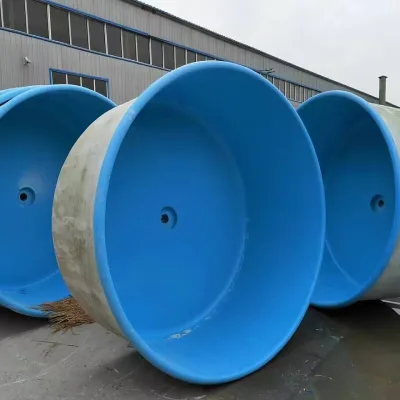
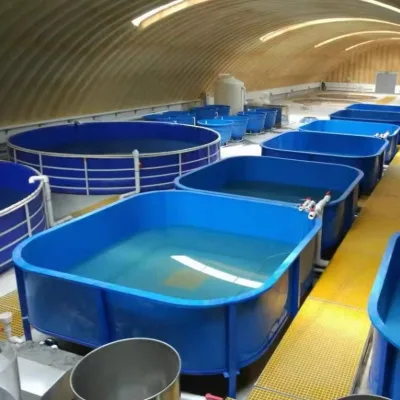
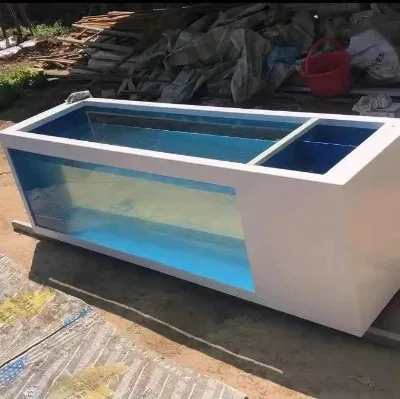
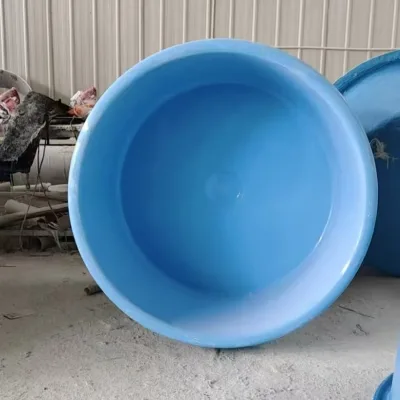
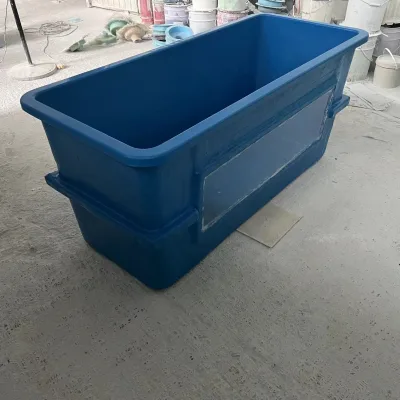
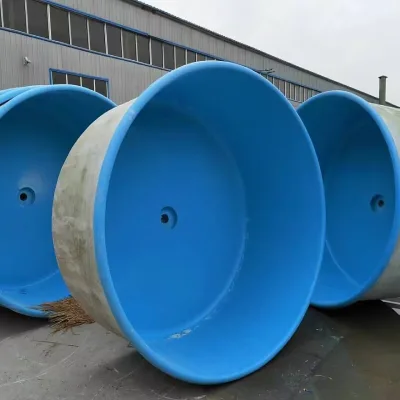


Fiberglass Medium-Sized Fish Pond with Window Aquarium Koi Farming Tank
$100.00 - $1000.00
MOQ: 5 Pieces


Comprehensive Sourcing Guide
Round Hand Layup Fiberglass Fishpond Sourcing Guide
Sourcing round hand layup fiberglass fishponds requires a disciplined approach to material verification and process validation, as the structural integrity of these tanks depends heavily on the resin-to-fiber ratio and the consistency of the layup technique. Buyers must recognize that "hand layup" is a manufacturing method where layers of fiberglass reinforcement are manually placed into a mold and saturated with polyester resin, a process that allows for complex geometries and custom sizing but demands rigorous quality control to prevent voids or weak spots. The core keyword highlights a specific intersection of shape, construction method, and material, which narrows the field to suppliers who specialize in open-mold or closed-mold composite fabrication rather than those relying solely on filament winding or injection molding. Understanding this distinction is critical because the hand layup process offers flexibility in customization but introduces variability that must be managed through strict inspection protocols and clear technical specifications in the purchase agreement.
The procurement strategy should begin with a clear definition of the intended application, whether for aquaculture, household use, or industrial environmental protection, as these use cases dictate different requirements for wall thickness, surface finish, and chemical resistance. Polyester FRP (Fiberglass Reinforced Plastic) is the predominant material observed in this category, offering a favorable strength-to-weight ratio compared to steel, which simplifies logistics and installation. However, buyers must verify that the specific polyester resin used is suitable for long-term immersion in water, particularly if the pond will be used for sensitive aquaculture applications where water quality and leaching are concerns. The guide emphasizes that while the material is generally durable, the longevity of the fishpond is directly tied to the quality of the gel coat and the uniformity of the fiberglass layers, making supplier transparency about raw material sources a non-negotiable aspect of the sourcing process.
Product Scope and Observed Listing Signals
The market for round hand layup fiberglass fishponds presents a wide variance in product attributes, ranging from standard round and square configurations to fully customized dimensions and colors. Observed listing signals indicate that suppliers often offer multiple shape options, including round, square, and standard profiles, with the ability to customize dimensions to fit specific site constraints. This flexibility is a key advantage for buyers who need to integrate fishponds into existing infrastructure or unique landscape designs. However, the presence of customization options also introduces complexity in the quoting and production phases, as each custom order may require a new mold or significant adjustments to the hand layup process. Buyers should be prepared to provide detailed dimensional drawings and to understand that custom shapes may impact lead times and unit costs compared to off-the-shelf standard sizes.
Packing and logistics data from observed listings reveal that these products are typically shipped in standard export packages, which may include pallets, wooden boxes, or wooden cases, depending on the size and weight of the tank. The single gross weight of these units can vary significantly, with some listings indicating weights as low as 10 kg for smaller units and up to 50 kg or more for larger, more robust tanks. This weight variance is a critical factor in calculating landed costs, as shipping heavy composite structures can be expensive. Buyers must carefully review the single package dimensions, which have been observed to range from 100x100x50 cm to 150x100x50 cm, to ensure that their receiving facilities can handle the delivery and that the packaging is sufficient to prevent damage during transit. The surface treatment is another key signal, with smooth surfaces and gel coats being common features that enhance durability and ease of cleaning.
Technical Specifications to Verify
When evaluating technical specifications, buyers must prioritize the verification of the molding method and the fiber type to ensure structural integrity. The hand layup method, while cost-effective for low to medium volumes, requires careful inspection to ensure that the fiberglass layers are properly aligned and free of air bubbles or dry spots. Buyers should request detailed technical data sheets that specify the fiber type, typically GFRP (Glass Fiber Reinforced Plastic), and the resin system used. It is essential to confirm that the resin is compatible with the intended water environment, as polyester resins can vary in their resistance to hydrolysis and UV degradation. The thickness of the laminate is a critical parameter that is not always explicitly stated in general listings but must be defined in the technical agreement to ensure the tank can withstand the hydrostatic pressure of the water it will hold.
Surface treatment and finish quality are equally important technical considerations, as they affect both the aesthetic appeal and the functional performance of the fishpond. A smooth surface with a gel coat is commonly observed, which provides a barrier against water penetration and makes the tank easier to clean and maintain. Buyers should verify that the gel coat is applied uniformly and is free of cracks or pinholes, which can lead to delamination over time. Additionally, the color options, which may include customized colors or single-color finishes, should be confirmed for consistency and UV stability. The shape of the tank, whether round, square, or standard, also impacts the stress distribution within the structure, with round shapes generally offering better resistance to internal pressure. Buyers should ensure that the chosen shape aligns with their structural requirements and that the supplier has proven experience in manufacturing that specific geometry.
Compliance and Safety Documentation
Compliance and safety documentation are vital for ensuring that the fiberglass fishponds meet international standards and are safe for their intended use. While specific certification statuses can vary by supplier, many manufacturers in this category hold ISO9001, ISO14001, and IATF16949 certifications, which indicate a commitment to quality management and environmental responsibility. Buyers should request copies of these certificates and verify their validity with the issuing bodies. It is also important to check for any industry-specific certifications related to aquaculture or water containment, as these may provide additional assurance of the product's suitability for holding fish and other aquatic life. The presence of OEM service capabilities suggests that suppliers are willing to work closely with buyers to meet specific compliance requirements, which can be beneficial for large-scale procurement projects.
Safety considerations extend beyond certification to include the chemical safety of the materials used in the construction of the fishpond. Buyers should inquire about the composition of the resin and fiberglass to ensure that no harmful substances are leached into the water. This is particularly important for aquaculture applications where the health of the fish is paramount. Suppliers should be able to provide Material Safety Data Sheets (MSDS) for the raw materials used in the manufacturing process. Additionally, buyers should verify that the manufacturing process adheres to environmental regulations, particularly regarding the handling and disposal of resin waste and fiberglass scraps. The location of production, often in regions like Hebei, China, may also have specific environmental regulations that the supplier must comply with, which can be an indicator of their overall operational discipline.
Cost Drivers and Commercial Terms
Cost drivers for round hand layup fiberglass fishponds are influenced by several factors, including the size, thickness, and customization level of the tank. The observed price range in the market is broad, reflecting the variability in material quality, manufacturing complexity, and order volume. Buyers should be aware that lower prices may correlate with thinner laminates or lower-quality resins, which could compromise the longevity of the tank. The minimum order quantity (MOQ) is another significant commercial term, with observed ranges varying from 1 to 500 units. For buyers seeking small quantities, the per-unit cost may be higher due to the setup costs associated with the hand layup process. Conversely, larger orders may benefit from economies of scale, but buyers must consider storage and logistics costs associated with bulk purchases.
Commercial terms also include payment conditions, lead times, and warranty provisions, which should be clearly defined in the purchase contract. Buyers should negotiate for favorable payment terms, such as partial upfront payment and the remainder upon shipment or inspection, to mitigate financial risk. Lead times can vary depending on the complexity of the order and the supplier's production capacity, so it is essential to establish a realistic timeline for delivery. Warranty provisions should cover defects in materials and workmanship, with clear procedures for claiming repairs or replacements. Buyers should also consider the total cost of ownership, including maintenance and potential repairs, when evaluating the cost-effectiveness of different suppliers. Transparent communication about these commercial terms is essential for building a successful long-term procurement relationship.
Supplier Qualification and Quality Control
Supplier qualification is a critical step in the sourcing process, requiring a thorough assessment of the manufacturer's capabilities, experience, and quality management systems. Buyers should conduct on-site or virtual audits to verify the supplier's production facilities, equipment, and workforce expertise. The hand layup process is labor-intensive, so the skill level of the workers is a key indicator of product quality. Buyers should inquire about the supplier's experience in manufacturing fiberglass fishponds and request references from previous clients. Additionally, the supplier's ability to provide OEM services and customize products according to specific requirements is a valuable asset for buyers with unique needs. A supplier with a strong track record in quality control is more likely to deliver consistent, high-quality products.
Quality control measures should be integrated into the procurement process, with clear inspection points defined for raw materials, in-process production, and final product delivery. Buyers should request detailed quality control plans from suppliers, outlining the steps taken to ensure product consistency and compliance with specifications. This may include visual inspections, thickness measurements, and adhesion tests. Third-party inspection services can also be employed to provide an independent verification of product quality before shipment. Buyers should establish clear acceptance criteria and procedures for handling non-conforming products. By implementing robust quality control measures, buyers can minimize the risk of receiving defective fishponds and ensure that their procurement investments yield reliable, long-lasting results.
Long-Term Procurement Checks
Long-term procurement checks involve ongoing monitoring of supplier performance, product quality, and market trends to ensure continued value and reliability. Buyers should establish key performance indicators (KPIs) for their suppliers, such as on-time delivery rates, defect rates, and responsiveness to issues. Regular performance reviews should be conducted to assess supplier adherence to these KPIs and to identify areas for improvement. Feedback from end-users, such as fish farmers or facility managers, should be collected to evaluate the real-world performance of the fishponds. This feedback loop is essential for identifying any emerging issues with product durability or functionality that may not have been apparent during initial testing.
Market trends and technological advancements in fiberglass manufacturing should also be monitored to ensure that procurement strategies remain competitive and aligned with industry best practices. Buyers should stay informed about new resin formulations, fiber technologies, and manufacturing techniques that may offer improved performance or cost savings. Engaging with industry associations and attending trade shows can provide valuable insights into emerging trends and potential new suppliers. Additionally, buyers should periodically review their supply chain risks, including geopolitical factors, raw material availability, and logistics constraints, to ensure resilience in their procurement operations. By maintaining a proactive and informed approach to long-term procurement, buyers can secure a stable supply of high-quality round hand layup fiberglass fishponds and support their operational goals effectively.
FAQs
What material is used for the Round Hand Layup Fiberglass Fishpond?
The product is constructed from Polyester FRP and Fiberglass materials. This composition ensures higher strength and light weight compared to steel, making it suitable for aquaculture applications.
Can the fish tank shape be customized to specific requirements?
Yes, the shape is available as Round, Square, Standard, or as Customized options. Buyers can request specific dimensions and configurations to fit their unique fish farm or environmental protection needs.
Which certifications do the manufacturers hold for quality assurance?
Manufacturers hold ISO9001, IATF16949, ISO14001, and ISO9001:2008 certifications. These standards verify that the production processes meet international quality and environmental management requirements for industrial use.
How is the surface treatment applied to the fiberglass fish tank?
The surface treatment involves a smooth finish achieved through the Hand Lay-up Method and Gel Coat application. This process ensures a durable, finished surface suitable for long-term aquatic environments.
What is the typical packaging method for shipping these tanks?
Products are shipped using Standard Export Package, Pallet, or Wooden Box methods. This ensures safe transport of the heavy items, which can weigh up to 50 kg per single package.
Where are these round hand layup fiberglass fishponds manufactured?
The products originate from Hebei, China. This location serves as the primary place of origin for the manufacturing facilities producing these FRP tanks for global export.