Source Rustic Abstract Table Clock for Home, Office, and Gift
Explore 30 listings of Rustic Abstract Table Clock options featuring wood, quartz movements, and custom designs. Buyers can compare prices, MOQs, and features like radio functionality or color-changing displays for various applications.
Key considerations
Products List
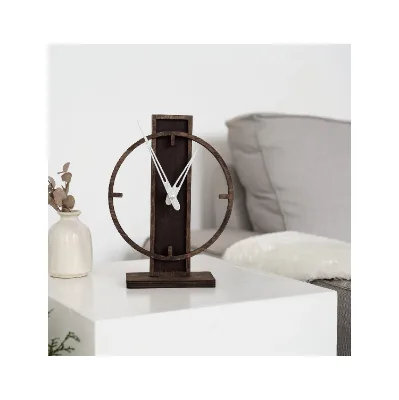


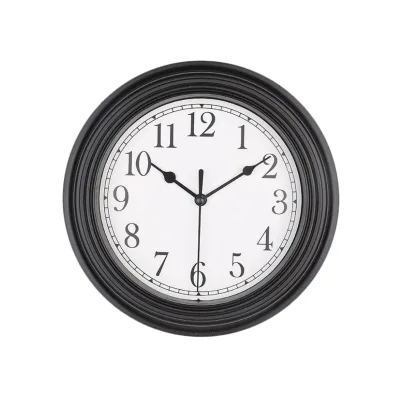
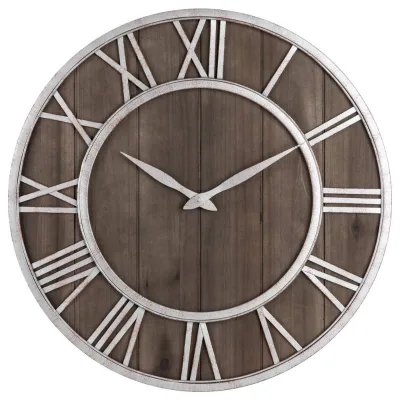


Comprehensive Sourcing Guide
Strategic Sourcing Guide for Rustic Abstract Table Clocks
Understanding Product Definitions and Core Attributes
When initiating a procurement strategy for rustic abstract table clocks, buyers must first distinguish between the specific aesthetic descriptors and the functional realities of the supply base. The term "rustic" in this context typically refers to a design style that emphasizes natural textures, often utilizing wood as the primary material, and evoking a sense of vintage or antique charm. The "abstract" element suggests that the clock face or frame may deviate from traditional symmetrical designs, incorporating irregular shapes or artistic interpretations of timekeeping elements. However, the actual market data reveals a diverse range of attributes that buyers must reconcile with their specific visual requirements.
The supply chain for these items is characterized by a mix of material compositions and movement technologies. While the "rustic" label strongly implies wood construction, the observed product data indicates that materials can vary significantly. Wood is a confirmed primary material for several listings, often paired with surface treatments like cutting, grinding, and polishing to achieve a specific finish. However, alternative materials such as MDF (Medium Density Fiberboard) and various glass or plastic composites are also prevalent in the market. This variation means that a buyer seeking a strictly "wooden" rustic clock must explicitly verify the material composition in the supplier's specification sheet, as "MDF" products may be marketed with a similar aesthetic but offer different durability and weight characteristics.
Furthermore, the functional definition of these clocks is equally critical. The market data shows a split between "Desk Clocks" and "Wall Clocks," despite the keyword focusing on "table" items. A product listed as a "Desk Clock" with a circular shape and needle display may be the intended target, but a "Wall Clock" with a square or round shape and similar rustic styling might be repurposed for table use by the buyer. The movement types observed include both electronic quartz movements and radio movements. The presence of a "Radio" feature suggests a specific subset of clocks that synchronize time automatically, which is a high-value feature for corporate or institutional buyers but may be unnecessary for residential use. Buyers must carefully cross-reference the "Movement Type" and "Function" attributes, which include time, date, alarm, snooze, and hourly alarm capabilities, to ensure the selected unit meets operational needs.
Technical Specifications and Design Variability
The technical specifications for rustic abstract table clocks are not uniform, and buyers must navigate a wide range of dimensions, shapes, and display types. The observed data highlights significant variability in size, with sheet sizes and product standards ranging from 10 inches to 12 inches, with custom options extending to 14 and 16 inches. This lack of standardization requires buyers to define their spatial constraints early in the sourcing process. For instance, a clock with a 10-inch sheet size may be suitable for a compact bedside table, while a 12-inch or larger unit might be required for a large conference room desk.
Shape is another critical technical differentiator. The market data presents a dichotomy between circular and square shapes, with some listings specifying "Round Shape" and others "Square Shape." The "abstract" nature of the design often allows for non-traditional geometries, but the specific shape listed in the product attributes must be confirmed. The display type is predominantly "Needle" based, which aligns with the traditional analog aesthetic often associated with rustic designs. However, the dial color is frequently described as "Multicolor," which may contradict a buyer's desire for a monochromatic or specific color scheme. The "Dial Color" attribute suggests that customization is a viable path for buyers seeking specific color palettes to match interior design themes.
The surface treatment and technique are also vital technical considerations. The observed processes include cutting, grinding, and polishing, which are essential for achieving the desired rustic texture. The surface material can be a composite of Flexicglass, Glass, or Plastic, offering choices between transparency, durability, and cost. The "Printed" surface treatment indicates that the design is applied via printing rather than carving or inlaying, which affects the tactile feel and longevity of the design. Buyers should verify whether the "Rustic" appearance is achieved through physical texturing of the wood or through printed graphics, as this distinction impacts the perceived quality and authenticity of the product.
Cost Drivers and Pricing Dynamics
The pricing structure for rustic abstract table clocks is influenced by a complex interplay of material costs, movement technology, and customization levels. The observed price range in the market spans from $0.78 to $20.98 USD, indicating a highly segmented market with significant variation in value propositions. The lower end of this spectrum likely corresponds to basic models utilizing MDF or plastic composites with standard quartz movements and minimal customization. Conversely, the higher price points are associated with solid wood construction, radio movement technology, and complex abstract designs that require more labor-intensive finishing techniques like grinding and polishing.
Material selection is a primary cost driver. Wood, particularly when treated with high-quality finishes, commands a premium over MDF or plastic alternatives. The "Wooden Antique Clock" and "Wooden Clock" listings suggest that the authenticity of the material is a key value factor. Additionally, the movement type significantly impacts cost. Models featuring "Radio Movement" or advanced functions like "Hourly Alarm" and "Snooze" are generally more expensive than basic quartz movements. The presence of a "Radio" feature adds a layer of electronic complexity that increases manufacturing costs.
Customization is another major factor influencing the final price. The market data confirms that "Customization" is available, with options for "Custom Design" and "Custom Outer Frame." Buyers requesting specific dimensions, unique abstract patterns, or tailored dial colors will incur higher costs due to the setup and production adjustments required. The "MOQ" (Minimum Order Quantity) also plays a role in the unit cost. While some suppliers offer low MOQs starting at 1 piece, others require orders of 200 or 300 pieces. Higher order volumes typically allow for better unit pricing, but the initial investment required to meet these thresholds can be a barrier for smaller buyers. The "Payment" terms, such as T/T or Paypal, may also affect the financial planning and cash flow implications of the procurement.
Compliance, Certification, and Safety Standards
When sourcing rustic abstract table clocks, compliance and safety standards are paramount, particularly for products intended for commercial or institutional use. The observed data mentions "Eco-friendly" and "Safety" as key features, suggesting that suppliers are aware of environmental and safety concerns. However, specific certification status, such as ISO 9001, is listed in the background information with low confidence, meaning buyers cannot assume all products meet this standard without direct verification. Buyers must explicitly request proof of compliance with relevant safety standards for electrical components, especially for clocks with radio movements or battery-operated features that may require specific insulation or battery safety protocols.
The "Eco-friendly" claim requires substantiation. Buyers should inquire about the source of the wood, the adhesives used in the MDF or composite materials, and the finishes applied during the polishing and printing processes. Ensuring that the materials are free from harmful substances like formaldehyde or volatile organic compounds (VOCs) is crucial for indoor air quality, especially in office or residential settings. The "Surface Treatment" of "Printed" materials may involve inks or coatings that need to meet specific environmental regulations depending on the destination market.
Furthermore, the "Product Standard" listed as "12inch, 14inch, 16inch or custom" implies a need for dimensional consistency. While this is a specification rather than a safety standard, it reflects the manufacturer's ability to maintain quality control. Buyers should verify that the manufacturing process adheres to consistent quality benchmarks to ensure that the "High Quality" claim is met across the entire batch. The "Loading Port" of Fuzhou and the "Place of Origin" in Shandong or Fujian, China, indicate the logistical hubs, but buyers must ensure that the shipping and handling processes do not compromise the integrity of the "Rustic" finish or the structural stability of the clock.
Supplier Evaluation and Verification Protocols
Evaluating suppliers for rustic abstract table clocks requires a rigorous vetting process to ensure reliability and product quality. The market data indicates multiple suppliers with varying capabilities, as evidenced by different product models like "JS-CK010" and "JS-CK08." Buyers should verify the supplier's production capacity, particularly regarding the "Delivery Time" which is described as "Manage to Meet Your Need." This phrasing suggests flexibility but also potential variability in lead times. Buyers must establish clear timelines and confirm the supplier's ability to meet specific deadlines, especially for large orders or custom designs.
The "MOQ" values observed range from 1 to 5000, with specific listings showing 200PC or 300PC. This variability allows buyers to match their order size with supplier requirements, but it also necessitates careful negotiation. Suppliers with higher MOQs may offer better pricing but require a larger upfront commitment. Buyers should assess the supplier's willingness to accommodate smaller orders or hybrid models that combine standard and custom elements. The "Payment" terms, including T/T and Paypal, should be evaluated for security and convenience, ensuring that the payment structure aligns with the buyer's risk management policies.
Quality control is another critical aspect of supplier evaluation. The "Features" listed as "Handmade" and "Eco-Friendly" suggest a focus on craftsmanship and sustainability. Buyers should request samples to verify the "Handmade" claim and assess the quality of the "Cutting, Grinding, Polishing" processes. The "Packing" methods, such as "1PC/One Paper Box, Foam to Protect" or "1PC/ Bubble Bag+Paper Box," are essential for ensuring the product arrives in pristine condition. Buyers should evaluate the robustness of the packaging to prevent damage during transit, especially for delicate "Glass" or "Wood" components.
Typical Applications and Usage Scenarios
Rustic abstract table clocks are versatile products suitable for a wide range of applications, from residential to commercial environments. The "Usage" attributes listed include "Daily Use," "Collection," and "Gift," highlighting their broad appeal. In residential settings, these clocks serve as functional timepieces and decorative accents, adding a touch of warmth and character to living rooms, bedrooms, and home offices. The "Rustic" and "Antique" styles make them particularly suitable for interior design themes that emphasize natural materials and vintage aesthetics.
In commercial settings, the "Appliance Scene" attributes such as "Living Room," "Bedroom," "Office," and "Coffee Shop" indicate that these clocks are designed to enhance the ambiance of various public and private spaces. In offices, they provide a professional yet inviting atmosphere, while in coffee shops, they contribute to a cozy and relaxed environment. The "Function" features like "Alarm" and "Snooze" make them practical for daily use, while the "Collection" aspect appeals to enthusiasts of antique or vintage-style decor. The "Customization" options allow businesses to tailor the clocks to their specific branding or interior design needs, making them a valuable asset for corporate gifting or promotional campaigns.
Long-Term Procurement and Maintenance Considerations
Sourcing rustic abstract table clocks involves long-term considerations regarding maintenance, durability, and supply chain stability. The "Material" composition, whether wood, MDF, or glass, dictates the maintenance requirements. Wood clocks may require periodic polishing or conditioning to maintain their finish, while glass and plastic components may need regular cleaning to prevent smudging or scratching. Buyers should factor in the potential need for replacement parts or accessories, such as batteries for "Battery" powered models or specific tools for maintenance.
The "Lead Time" and "Delivery Time" are critical for long-term planning. The variability in delivery times, described as "Manage to Meet Your Need," suggests that buyers should build buffer time into their procurement schedules to account for potential delays. Establishing a strong relationship with a reliable supplier can help mitigate these risks and ensure a steady supply of high-quality clocks. Additionally, the "Custom Design" and "Custom Outer Frame" options offer opportunities for buyers to differentiate their products in the market, but they also require careful management of design specifications and production timelines.
Finally, buyers should consider the environmental impact of their procurement decisions. The "Eco-friendly" and "Eco-Friendly" features suggest that suppliers are increasingly aware of sustainability. Buyers can leverage this by prioritizing suppliers who demonstrate a commitment to responsible sourcing and manufacturing practices. This approach not only aligns with corporate social responsibility goals but also enhances the brand value of the final product. By carefully evaluating technical specifications, cost drivers, compliance, and supplier capabilities, buyers can successfully source rustic abstract table clocks that meet their specific needs and expectations.
FAQs
What materials are used for rustic abstract table clocks?
Wood is the primary material, though MDF and glass composites are also available. Buyers must verify the specific material composition as some rustic-looking clocks use MDF or plastic instead of solid wood.
Which movement types are available for these clocks?
Electronic quartz and radio movements are the standard options. Some models include radio features for automatic time synchronization, while others rely on basic battery-powered quartz mechanisms for timekeeping.
Can I customize the design and dimensions of the clock?
Customization is available for design, outer frames, and specific dimensions. Buyers can request custom sizes like 12, 14, or 16 inches, but must confirm the minimum order quantity which often starts at 200 or 300 pieces.
What are the typical price ranges for these products?
Prices range from 0.78 to 20.98 USD depending on materials and features. Lower costs usually correspond to MDF or plastic models, while solid wood and radio movement clocks command higher prices.
How are these clocks packaged for shipping protection?
Packaging typically includes a paper box with foam or bubble bags for protection. Specific methods vary by supplier, with options like one piece per paper box to ensure the rustic finish remains undamaged during transit.
What shapes and sizes are commonly offered?
Circular, square, and round shapes are available in sizes ranging from 10 to 16 inches. Buyers should specify their preferred shape and size as the market offers diverse geometries beyond standard round designs.