Source Sacrificial Magnesium Anode Rod for Water Heaters
Find and compare 30 listings for Sacrificial Magnesium Anode Rod solutions tailored for industrial, chemical, and water heater applications. Evaluate options based on purity, alloy grades like AZ31 and AZ63, and customization availability to find the right fit for your procurement needs.
Key considerations
Products List


Sacrificial Anode Magnesium Alloy Anode Cast Magnesium Rod for Water Heaters
$9.90 - $79.00
MOQ: 10 Pieces


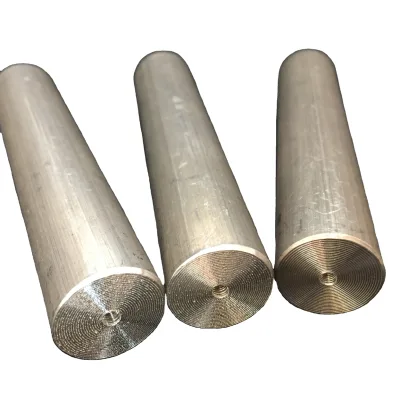

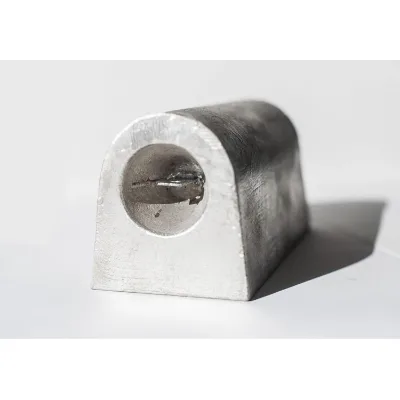
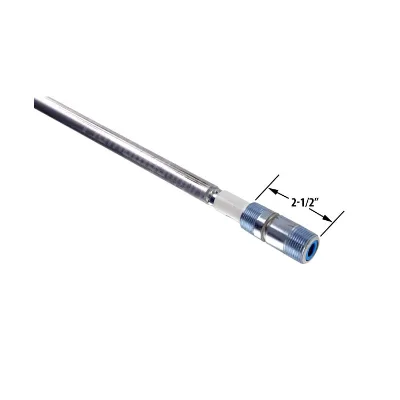
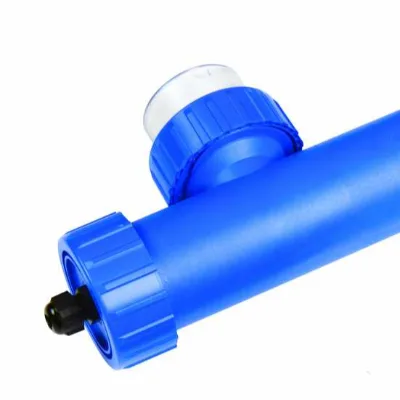
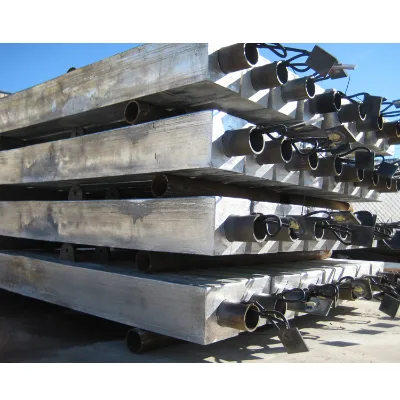
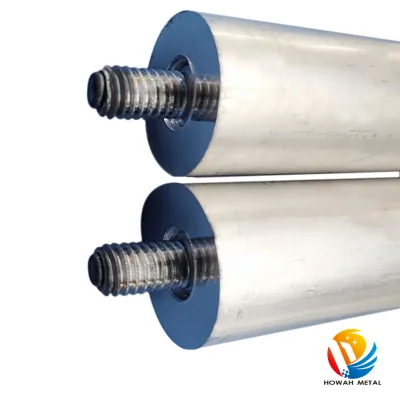


50L Cheap Price of Magnesium Anode Rod for Sale Electric Water Heater Parts
$1.90 - $2.70
MOQ: 100 Pieces

Water Tank Protection Multiple Models Durable Descaling Anode Magnesium Rod
$0.79 - $1.08
MOQ: 500 Pieces


Comprehensive Sourcing Guide
Sacrificial Magnesium Anode Rod Sourcing Guide
Buyers must first distinguish between general magnesium alloy components and dedicated sacrificial anodes, as the supplied data reveals a mix of product types including rods, sheets, and cable sheaths. While some listings explicitly identify "Mg anode" or "Manganin anode" models, others describe generic alloy rods with applications in water heaters or industrial electronics. This distinction is critical because a rod designed for structural casting may not possess the specific electrochemical purity required for effective cathodic protection in marine or chemical environments.
Procurement teams should verify that the specific model number, such as AZ31B or AZ63, aligns with the intended corrosion protection environment rather than assuming all magnesium alloys function identically. The observed data indicates varying purity levels, with some products listed at over 98% and others at a minimum of 90%, which directly impacts the anode's lifespan and efficiency. Sourcing decisions must be grounded in the specific electrochemical requirements of the application, ensuring the selected product is engineered for sacrificial protection rather than general mechanical use.
Product Scope and Observed Listing Signals
The market offers a diverse range of magnesium alloy forms, including square rods, sheets, and custom-shaped anodes, often originating from manufacturing hubs in Zhengzhou, Shanghai, and Hunan. Buyers will encounter listings for products with dimensions ranging from 0.5mm to 300mm in thickness and widths up to 500mm, alongside specific cable sizes like 6 mm2 or 16 mm2. This variety suggests that suppliers often bundle anode products with related cabling or sheathing materials, requiring careful separation of the core sacrificial component from auxiliary accessories during the evaluation process.
Listing signals frequently highlight customization capabilities, with many suppliers offering OEM services and custom dimensions to fit specific tank or hull geometries. The presence of "Wooden Case" packing and standard alloy grades like AZ61A indicates a focus on industrial logistics and protection during transit. However, the coexistence of "Non-secondary" material claims with various alloy designations requires buyers to scrutinize the material grade to ensure it meets the strict purity standards necessary for reliable anodic performance in harsh chemical or aviation environments.
Technical Specifications to Verify
Verification of the alloy composition is paramount, as the data shows models ranging from AZ31 to AZ91D, each offering different corrosion rates and protective capacities. Buyers must confirm that the specific alloy grade, such as AZ31B or AZ63, matches the electrochemical potential required for the target structure, whether it is a water heater, industrial vessel, or electronic enclosure. The observed "Bright" surface finish and "Silver White" color are visual indicators, but the underlying metallurgical structure and impurity levels must be validated through mill test reports to ensure consistent performance.
Dimensional accuracy and physical form factors also require strict adherence to project specifications, as the observed data includes both standard sizes and fully customized options. While some listings specify a minimum weight for prepackaged anodes, others provide detailed thickness and width ranges that must be cross-referenced with the surface area requirements of the protected structure. Buyers should demand precise technical drawings or CAD files for custom orders to ensure the physical dimensions of the anode rod will fit the mounting points and provide adequate coverage for the intended application.
Compliance and Safety Documentation
Compliance with international material standards is a non-negotiable requirement for sourcing magnesium anodes, with observed listings citing AISI, ASTM, DIN, GB, JIS, and BS standards. Buyers must request documentation proving that the supplied product meets the specific standard version relevant to the application, as these standards define the chemical composition limits and mechanical properties essential for safety and efficacy. The presence of multiple standard references in a single listing does not guarantee compliance with all; rather, it indicates the supplier's capability to produce to various specifications, necessitating explicit confirmation of the applicable standard for the order.
Safety documentation must also address the handling and storage of magnesium alloys, which are reactive materials requiring specific precautions. While the data mentions "Sample Order: Accepted" and "Free" samples for certain rod types, these samples should be treated as representative of the bulk material's safety profile. Procurement teams should ensure that suppliers provide Material Safety Data Sheets (MSDS) that detail the reactivity of the specific alloy grade, particularly when the anodes are intended for use in confined spaces or environments with potential ignition sources, ensuring that the handling procedures align with industry safety protocols.
Cost Drivers and Commercial Terms
Cost structures for magnesium anodes are heavily influenced by the alloy grade, purity level, and the extent of customization required for the specific application. The observed price range of 0.1 to 2700 USD reflects the vast difference between small, standard-sized samples and large, custom-engineered industrial units. Buyers should anticipate that higher purity grades, such as those exceeding 98%, and complex shapes like custom extruded or cast forms will command a premium, while standard square rods or sheets may offer more competitive pricing for bulk orders.
Commercial terms vary significantly, with Minimum Order Quantities (MOQ) ranging from a single piece to 1000 units, and some suppliers specifying weight-based MOQs like 20kg. The availability of free samples for magnesium alloy rods can be a valuable tool for initial validation, but buyers must clarify whether these samples are included in the final unit cost or charged separately upon conversion to a full order. Understanding the lead times and packaging requirements, such as the standard wooden case, is essential for accurate budgeting, as specialized packaging and logistics for heavy or custom anodes can add substantial hidden costs to the total procurement price.
Supplier Qualification and Quality Control
Supplier qualification should focus on verifying the origin and manufacturing capabilities, as the data points to production in China with specific locations in Zhengzhou, Shanghai, and Hunan. Buyers must assess whether the supplier has the technical capacity to produce the required alloy grades, such as AZ31 or AZ61A, using the specified technologies like casting or extrusion. The claim of "OEM: Yes" suggests flexibility, but it is crucial to validate the supplier's quality control processes to ensure that the custom dimensions and alloy compositions are consistently maintained across production batches.
Quality control protocols must include rigorous testing of the anode's electrochemical performance and material purity to prevent premature failure in the field. While the data mentions "Non-secondary" material, buyers should insist on third-party test results that verify the purity levels and confirm the absence of detrimental impurities that could compromise the anode's effectiveness. Establishing a clear quality assurance framework that includes pre-shipment inspections and adherence to the agreed-upon standards, such as ASTM or DIN, is essential for mitigating the risk of receiving substandard products that fail to provide the necessary corrosion protection.
Long-Term Procurement Checks
Long-term procurement success depends on establishing a reliable supply chain that can consistently deliver anodes meeting the evolving needs of industrial and marine applications. Buyers should monitor the supplier's ability to maintain inventory of key alloy grades like AZ31B and AZ63, ensuring that lead times remain stable even during periods of high demand. The ability to provide consistent samples and maintain the "Silver White" color and "Bright" surface finish over time are indicators of a stable production process that buyers should track through regular performance reviews.
Continuous verification of compliance with changing international standards is also critical, as regulations regarding material safety and environmental impact may evolve. Buyers should maintain open communication channels with suppliers to stay informed about any updates to the AISI, ASTM, or GB standards that might affect the product specifications. By regularly auditing the supplier's documentation and performance against the initial technical requirements, procurement teams can ensure that the sacrificial magnesium anode rods continue to provide reliable protection for water heaters, chemical tanks, and other critical infrastructure over the long term.
FAQs
What materials are used for sacrificial magnesium anode rods?
Sacrificial magnesium anode rods are primarily made from magnesium alloy, often designated as AZ31 or AZ63. These alloys ensure high purity levels, typically exceeding 98%, to maximize corrosion protection. The material is available in various forms, including rods and sheets, with dimensions that can be customized to fit specific water heater or industrial tank requirements effectively.
Can I get custom dimensions for magnesium anode rods?
Yes, customization is available for magnesium anode rods to meet specific application needs. Dimensions can be tailored, with thicknesses ranging from 0.5mm to 300mm and widths around 500mm. The technology used includes casting or extrusion processes, allowing for precise shaping. This flexibility supports diverse applications in chemical, aviation, and industrial sectors requiring specific fitment.
What standards do magnesium anode rods comply with?
Magnesium anode rods comply with major international standards including AISI, ASTM, BS, DIN, GB, and JIS. These standards ensure quality and consistency for industrial and water heater applications. Specific models like AZ31B and AZ61A adhere to these rigorous benchmarks. Compliance guarantees that the anodes perform reliably in cathodic protection systems across global markets and diverse industrial environments.
What is the minimum order quantity for magnesium anode rods?
The minimum order quantity varies by supplier but can start as low as 1 piece or 20kg. Some vendors accept sample orders to facilitate testing before bulk purchases. This low MOQ flexibility allows buyers to evaluate product quality and performance in their specific water heater or industrial setups without committing to large initial inventory volumes or significant upfront costs.
Where are magnesium anode rods typically manufactured?
Magnesium anode rods are typically manufactured in China, with origins noted in cities like Zhengzhou, Shanghai, and Hunan. These regions are known for producing high-purity magnesium alloys. The products are packed in wooden cases or standard packaging for safe transport. Buyers can source these anodes from various Chinese suppliers offering different specifications and customization options for global distribution.
What applications use sacrificial magnesium anode rods?
Sacrificial magnesium anode rods are used in water heaters, chemical processing, aviation, industrial equipment, and electronics. They provide cathodic protection to prevent corrosion in metal structures. The high purity of the magnesium alloy ensures effective protection in various environments. These anodes are essential for extending the lifespan of tanks, pipes, and other critical infrastructure components exposed to corrosive elements.