Source Rare Earth Dysprosium Granules for Magnets, Alloys, and Lasers
Compare 30 listings for Rare Earth Dysprosium Granules from verified Chinese suppliers. Buyers can evaluate purity levels, packaging options, and pricing for applications in permanent magnets, alloys, and laser technologies; compare the available evidence and request quotations based on your requirements.
Key considerations
Products List


Rare Earth Dysprosium Sputterign Target 99.9% Dysprosium (Dy) Round Disc
$110.00 - $120.00
MOQ: 1 Pieces






Comprehensive Sourcing Guide
Rare Earth Dysprosium Granules Sourcing Guide
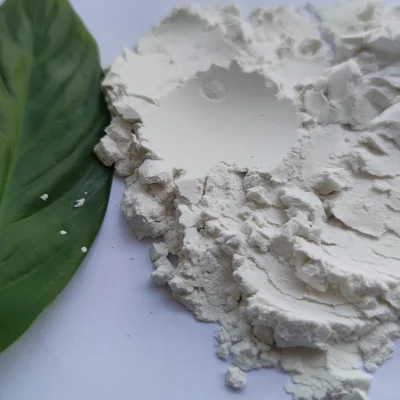
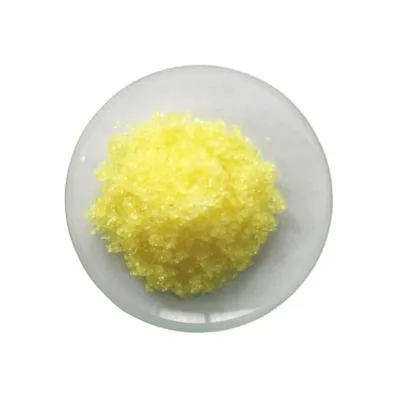
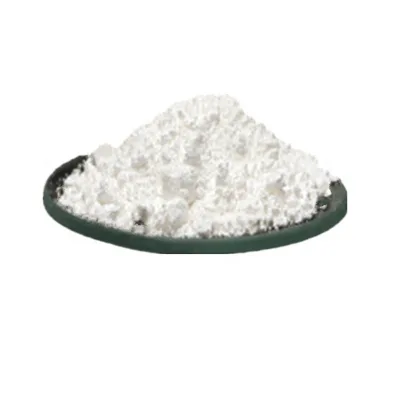
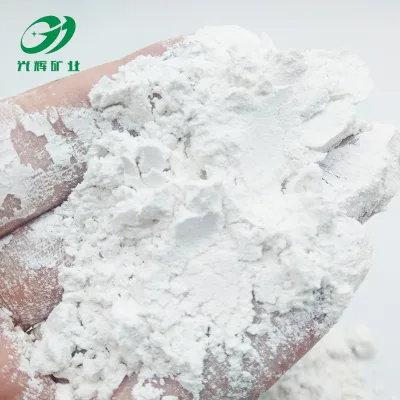
Procuring rare earth dysprosium requires a nuanced understanding of its various physical forms, as the term "granules" may loosely refer to ingots, lumps, or specific powder compacts rather than a single standardized industrial shape. Buyers must first distinguish between dysprosium oxide and metallic dysprosium, as their applications, handling requirements, and pricing structures differ significantly. The market offers products ranging from high-purity white or light yellow powders to silver-gray metallic blocks, each serving distinct roles in advanced manufacturing. Understanding these physical distinctions is the foundational step in defining accurate technical requirements and avoiding procurement errors.
The observed market signals indicate a diverse product landscape with prices ranging from $0.31 to $1,400 USD, reflecting variations in purity, form, and quantity. Minimum order quantities typically span from 1 to 1,000 units, allowing for both pilot testing and bulk industrial sourcing. Suppliers often list customization options, suggesting that standard granular or lump forms can be tailored to specific client needs. Buyers should leverage these signals to narrow down suppliers who can meet their specific volume and form requirements, ensuring that the selected product aligns with their production capabilities and budget constraints.
Product Scope and Observed Listing Signals
The product scope for dysprosium encompasses both oxide and metallic forms, each with distinct preparation methods and physical characteristics. Dysprosium oxide is typically produced through the electrolysis of fused salts and appears as a white or light yellow powder, with its exact hue changing based on purity levels. In contrast, metallic dysprosium is often prepared via metallothermic reduction and presents as a silver-gray metal in ingot or lump shapes. These fundamental differences dictate the appropriate handling, storage, and application processes, making it essential for buyers to clearly specify which form they require in their procurement documents.
Observed listings highlight specific product models such as REO-Dy for oxides and REM-Dy-99.9 for metals, providing clear identifiers for verification. The packaging methods vary, with oxides often vacuum-packed in plastic-lined drums and metals similarly protected to prevent oxidation. Some listings also mention dysprosium-iron alloys, prepared through vacuum distillation, which are crucial for permanent magnet materials. Buyers should carefully review these product models and packaging details to ensure compatibility with their supply chain logistics and quality assurance protocols, avoiding mismatches between ordered specifications and delivered goods.
Technical Specifications to Verify
Verifying technical specifications is critical to ensuring that the procured dysprosium meets the stringent requirements of high-tech applications. For dysprosium oxide, buyers should confirm the purity level, with many listings indicating a minimum standard of 99.9%. The chemical formula Dy2O3 and CAS number 1308-87-8 serve as key identifiers for verification. Additionally, solubility properties, such as insolubility in water but solubility in acids, are important for processing considerations. Buyers must ensure that the supplier provides accurate and up-to-date technical data sheets that align with these standard specifications to prevent downstream processing issues.
For metallic dysprosium, key specifications include the purity level, often listed as 99% or 99.9%, and the physical density of 8.559 g/cm3. The chemical formula Dy and CAS number 7429-91-6 are essential for identification. Buyers should also verify the preparation method, such as metallothermic reduction, and the purification technique, like electromigration, which can impact the final material quality. For dysprosium-iron alloys, the Dy/TREM content should exceed 99.5%. Clear verification of these parameters ensures that the material performs as expected in applications like ICT and energy materials.
Compliance and Safety Documentation
Compliance and safety documentation are paramount when sourcing rare earth materials, given their specialized nature and potential handling risks. Buyers should request certifications such as SGS, ISO, and RoHS to ensure that the supplier adheres to recognized quality and environmental standards. These certifications provide assurance that the materials have been tested and meet specific regulatory requirements, reducing the risk of non-compliance in the buyer’s own supply chain. It is crucial to verify the validity and scope of these certifications, ensuring they cover the specific product forms and purity levels being procured.
Safety data sheets (SDS) are equally important, providing detailed information on the handling, storage, and emergency procedures for dysprosium products. Buyers must ensure that the supplier provides comprehensive SDS documents that address the specific hazards associated with the material, such as reactivity with acids or oxidation risks for metallic forms. Proper documentation helps in implementing safe handling practices within the buyer’s facility, protecting workers and ensuring regulatory compliance. Buyers should also inquire about any additional safety protocols or training materials that the supplier may offer to support safe usage.
Cost Drivers and Commercial Terms
Cost drivers for dysprosium products include purity levels, physical form, and order quantity. Higher purity grades, such as 99.9% or 99.99%, typically command higher prices due to the increased complexity of purification processes like zone refining or vacuum distillation. The physical form also impacts cost, with metallic ingots or specialized alloys potentially being more expensive than standard oxide powders. Buyers should consider these factors when evaluating quotes, ensuring that they are comparing equivalent specifications across different suppliers to avoid misleading price comparisons.
Commercial terms, including minimum order quantities (MOQ) and payment terms, significantly influence the overall procurement cost. MOQs ranging from 1 to 1,000 units allow for flexibility, but larger orders may offer better unit pricing. Buyers should negotiate favorable payment terms and delivery schedules to optimize cash flow and inventory management. Additionally, customization options may incur additional costs, so buyers should clearly define their requirements upfront to avoid unexpected charges. Understanding these commercial dynamics helps in building a cost-effective and reliable supply chain for dysprosium materials.
Supplier Qualification and Quality Control
Supplier qualification is a critical step in ensuring the reliability and consistency of dysprosium supplies. Buyers should conduct thorough due diligence on potential suppliers, verifying their production capabilities, quality control processes, and track record in the rare earth industry. Suppliers originating from regions like Jiangxi, China, often have established expertise in rare earth processing, but buyers should still validate their specific capabilities for the required product forms. Requesting samples and conducting independent testing can help assess the actual quality of the materials before committing to large orders.
Quality control measures should be clearly defined in the procurement contract, including specifications for incoming inspection and acceptance criteria. Buyers should require suppliers to provide batch-specific test results and certificates of analysis to verify that each shipment meets the agreed-upon standards. Implementing a robust quality control process helps in identifying and addressing any deviations early, preventing disruptions in the buyer’s production line. Regular audits and performance reviews of suppliers can further ensure ongoing compliance and quality consistency, fostering a strong and reliable supplier relationship.
Long-Term Procurement Checks
Long-term procurement checks involve continuous monitoring of supplier performance and market dynamics to ensure sustained value and reliability. Buyers should establish key performance indicators (KPIs) to track supplier delivery times, product quality, and responsiveness to issues. Regular reviews of these metrics help in identifying potential problems early and taking corrective actions. Additionally, staying informed about market trends, such as changes in rare earth prices or regulatory updates, allows buyers to anticipate and mitigate risks effectively. This proactive approach ensures that the procurement strategy remains aligned with business objectives.
Building a diversified supplier base is another key strategy for long-term procurement success. Relying on a single supplier can pose significant risks, especially in the volatile rare earth market. By qualifying multiple suppliers, buyers can ensure continuity of supply and leverage competitive pricing. Regular communication and collaboration with suppliers can also foster innovation and improve product offerings over time. Implementing these long-term checks and strategies helps in building a resilient and efficient supply chain for dysprosium materials, supporting the buyer’s long-term business goals.
FAQs
What is the purity standard for Dysprosium Oxide?
The standard purity for Dysprosium Oxide is 99.9% minimum. This grade ensures high quality for industrial applications requiring precise chemical composition and consistent performance in manufacturing processes.
How is Dysprosium Metal prepared for industrial use?
Dysprosium Metal is prepared through metallothermic reduction. This method produces silver gray metal ingots or lumps suitable for use in ICT and energy materials sectors requiring high purity levels.
Which certifications do these rare earth products hold?
These products hold SGS, ISO, and RoHS certifications. These credentials verify compliance with international safety and quality standards, ensuring reliable sourcing for global supply chains and regulated industries.
Can buyers request customization for rare earth materials?
Yes, customization is available for these rare earth materials. Buyers can specify requirements for packaging, purity, or form to match specific production needs while maintaining high quality standards.
What is the solubility of Dysprosium Oxide powder?
Dysprosium Oxide powder is insoluble in water but soluble in acids. This chemical property makes it suitable for specific extraction processes and applications requiring controlled dissolution in acidic environments.
Where are these rare earth products manufactured?
These products originate from Jiangxi, China. The manufacturing location ensures access to established supply chains and resources necessary for producing high-grade rare earth oxides and metals efficiently.
What packaging options are available for Dysprosium Metal?
Dysprosium Metal is available in 25kg drums or vacuum packages. These options protect the silver gray metal from oxidation and ensure safe transport for industrial applications and long-term storage.