Source Tinned Copper Cable Lug for Power, Signal, and Grounding
Find 30 Tinned Copper Cable Lug options for electrical transmission and signal conduction. Compare single hole, dual hole, and hook terminal types with tin plating and cold pressing processes to select the right line fittings for your project; compare the available evidence and request quotations based on your requirements.
Key considerations
Products List


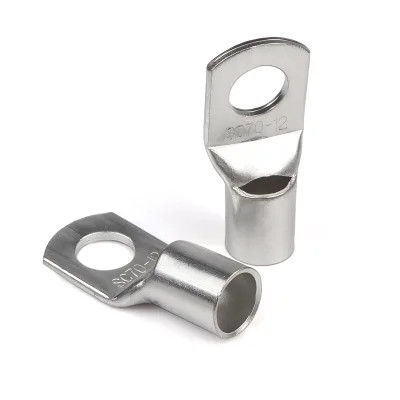


Durable Crimping Copper Wire Cable Connector Terminals Lug for Automotive
$0.03 - $0.03
MOQ: 100 Pieces


Comprehensive Sourcing Guide
Tinned Copper Cable Lug Sourcing Guide
Buyers must first distinguish between single-hole and dual-hole terminal designs, as the supplied data indicates specific models like SC-JGA and TL185-16 serve distinct connection needs. The observed product range includes rectangular, U-shaped, and round configurations, each suited for different mechanical stress environments and cable entry angles. Understanding these geometric variances is critical before engaging suppliers, as the physical shape directly impacts the ease of installation and the long-term mechanical stability of the electrical joint.
Procurement teams should also evaluate the interface type, noting that listings show both AC/DC and HDR options alongside standard terminal applications. This variation suggests that a single supplier may offer diverse product lines, requiring careful filtering to match the specific voltage and current requirements of your project. Verifying the exact interface compatibility early prevents costly mismatches, ensuring that the selected lugs integrate seamlessly with existing busbars, switchgear, or cable assemblies without requiring custom adapters or modifications.
Product Scope and Observed Listing Signals
The market data reveals a wide spectrum of customization capabilities, with many suppliers offering OEM/ODM support and customizable packaging solutions. Buyers will encounter products ranging from standard international master cartons to specific customer-branded boxes, indicating that logistics and branding requirements can be tailored to the buyer's supply chain strategy. This flexibility allows large-scale procurement to align packaging with internal inventory systems or specific export regulations without incurring significant additional costs.
Material composition is another key signal, with pure copper and tin plating being the dominant attributes observed in the listings. The presence of high conductivity and environmental protection characteristics suggests these components are designed for demanding transmission applications where signal integrity and corrosion resistance are paramount. However, buyers must verify that the specific "tin" plating mentioned aligns with their corrosion requirements, as the thickness and quality of this coating can vary significantly between different production batches and manufacturers.
Technical Specifications to Verify
Verification of the production process is essential, as the data highlights both cold pressing and precision machining as common manufacturing methods. These distinct processes yield different mechanical properties, with cold pressing often preferred for high-volume consistency and machining offering greater flexibility for complex geometries. Buyers should explicitly request process details for their specific order to ensure the manufacturing method aligns with the required tensile strength and dimensional tolerances for their specific application.
Electrical and mechanical specifications must be cross-referenced against the observed standard ranges, such as the 1.5-600sqmm conductor capacity and the SC(JGA) model identifiers. While some listings mention high-temperature resistance, this attribute should be validated against the specific thermal environment of the installation site. Additionally, the interface types listed, including hook and socket terminals, require precise dimensional checks to ensure they fit the mating hardware, as the U-shape and rectangular forms may not be universally interchangeable across different equipment brands.
Compliance and Safety Documentation
Safety compliance is a primary concern, with UL certification appearing as a verified attribute in the observed product listings. This certification indicates that the components have undergone rigorous testing for fire safety and electrical performance, providing a baseline of trust for buyers operating in regulated markets. However, the presence of UL certification on some items does not guarantee that every SKU from a supplier meets this standard, so buyers must request specific test reports for the exact models they intend to purchase.
Beyond UL, buyers should investigate the applicability of international standards like IEC 61238-1 or DIN 120, which are noted in background knowledge but require confirmation for specific orders. These standards govern the mechanical strength and electrical continuity of cable lugs, ensuring they can withstand the thermal and mechanical stresses of operation. Procurement teams must demand evidence of compliance for these standards, as relying on general category knowledge without specific documentation can lead to non-compliance issues during final equipment inspections or audits.
Cost Drivers and Commercial Terms
Pricing dynamics are heavily influenced by the raw material costs of pure copper and the complexity of the tin plating process. The observed MOQ ranges from 1 to 100,000 pieces, suggesting that unit costs will fluctuate significantly based on order volume and the level of customization required. Buyers should anticipate that smaller orders may carry a premium due to setup costs, while larger volumes can leverage economies of scale, particularly when utilizing standard packing methods like the 100PCS/Bag configuration.
Commercial terms must also account for the variability in packaging and shipping requirements, as listings show options from normal export cases to international standard master cartons. These packaging choices impact the total landed cost, as specialized packaging may incur higher material and labor expenses but offer better protection during transit. Negotiating clear terms regarding who bears the cost of custom branding or specific export documentation is crucial, as these factors can subtly inflate the final price if not agreed upon upfront in the purchase agreement.
Supplier Qualification and Quality Control
Supplier qualification should focus on their ability to maintain consistent quality across different production processes, such as cold pressing versus precision machining. The data indicates that some suppliers offer high-temperature resistance and environmental protection, but these claims must be backed by internal quality control protocols and third-party validation. Buyers should audit the supplier's production lines to ensure that the "pure copper" material is sourced reliably and that the tin plating process is strictly controlled to prevent defects.
Quality control checks must extend to the physical attributes of the product, including the shape, interface type, and plating finish. Since the listings show a mix of single-hole, dual-hole, and hook terminals, a robust inspection plan is necessary to verify that the delivered goods match the ordered specifications exactly. Implementing a sampling plan that tests for conductivity, mechanical strength, and plating adhesion will help mitigate the risk of receiving substandard components that could compromise the safety and reliability of the electrical system.
Long-Term Procurement Checks
Establishing a long-term relationship requires regular performance reviews of the supplied components under actual operating conditions. Buyers should monitor the lugs for signs of corrosion, loosening, or overheating, as these issues can indicate a degradation in the tin plating or a mismatch in the copper purity. Continuous feedback loops with the supplier allow for early detection of quality drifts and provide an opportunity to adjust specifications or manufacturing processes before they impact the final product.
Future procurement strategies should also consider the scalability of the supplier's production capacity and their ability to adapt to changing standards. As the market evolves, new regulations or technical requirements may emerge that necessitate updates to the product design or material composition. Maintaining a flexible supply chain that can accommodate these changes ensures that the procurement of tinned copper cable lugs remains reliable and compliant over the long term, supporting the ongoing operational needs of the electrical infrastructure.
FAQs
What materials are used for tinned copper cable lugs?
These lugs are manufactured from pure copper or standard copper to ensure high conductivity and reliable electrical connections. The copper body is often tin-plated to provide environmental protection and prevent corrosion. This material combination supports the transmission of electrical signals and ensures durability in various industrial applications.
Can these cable lugs be customized for specific projects?
Yes, customization is available for these products to meet unique project requirements. Manufacturers support OEM and ODM services, allowing for tailored specifications. Buyers can request specific packaging, such as cartons or master cartons, and may choose from various terminal types like single hole or dual hole designs to fit their needs.
What certifications do these copper cable lugs hold?
These tinned copper cable lugs hold UL certification, ensuring they meet specific safety and performance standards. While other standards like GB or international master carton standards may apply, the UL mark is a key indicator of quality. Buyers should verify specific standard compliance, such as SC(JGA) or OTHER, based on their regional requirements.
What is the typical MOQ for ordering these lugs?
The minimum order quantity varies by supplier and product model, typically ranging from 1 to 100,000 pieces. Some specific models may have an MOQ of 500 pieces or 1,000 PCS. Buyers should check the specific listing for the exact MOQ, as it depends on the terminal type, such as SC70-8 or TL185-16, and production capacity.
How are these cable lugs packaged for shipping?
Packaging options include cartons, standard master cartons, or normal export cases. Some items are packed as 100 pieces per bag, while others use customer brand OEM packing boxes. The packaging is designed to protect the copper terminals during transit, ensuring they arrive in good condition for immediate installation in electrical systems.
What production processes are used to make these lugs?
These lugs are produced using processes like cold pressing, precision machining, and welding. The copper material is shaped into various forms, including rectangular, U-shape, or round terminals. Surface treatments like matte tin plating are applied to enhance conductivity and resistance, ensuring the final product meets high standards for electrical transmission and durability.