Source Sandalwood Diffuser Stick for Home, Car, and Office
Compare 30 listings for Sandalwood Diffuser Stick options including rattan and fiber materials with customizable sizes. Buyers can review specifications like diameter, length, and packaging details from suppliers in Guangxi, China.
Key considerations
Products List
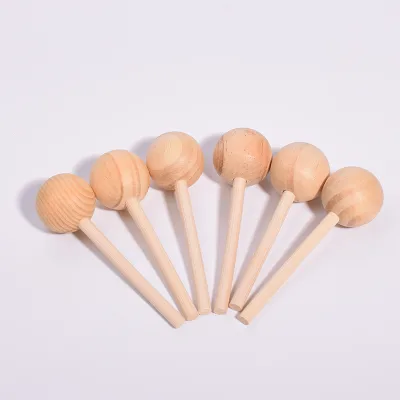
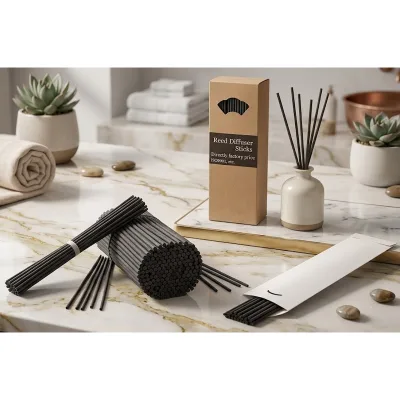
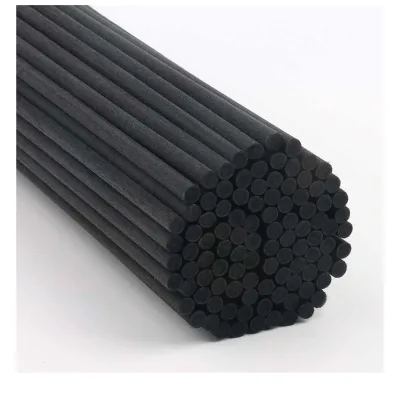
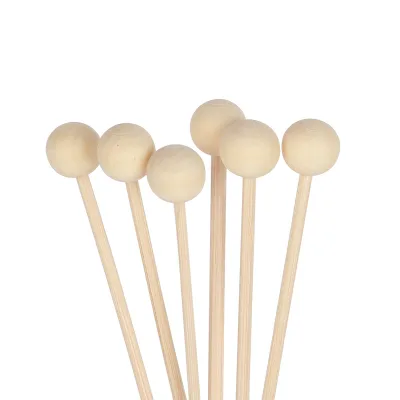
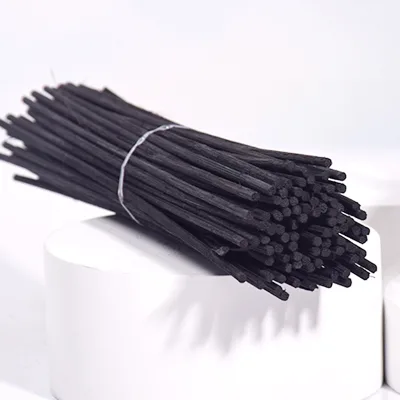
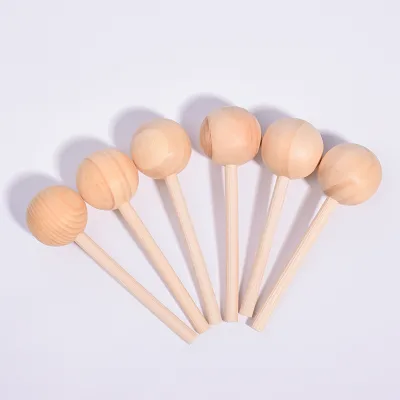


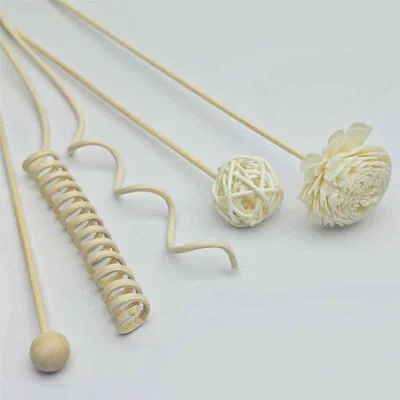



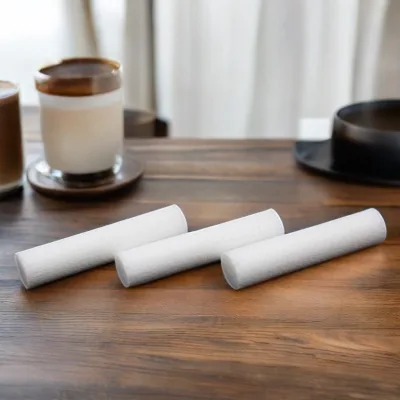

Diffusion Fragrance Sticks Sticks 100% Natural Rattan Long Lasting Diffuser Stick
$0.10 - $0.40
MOQ: 10000 Pieces

Fiber Stick 100% All-Natural Rattan Sticks Fragrance Stick for Reed Diffuser Bottle
$0.10 - $0.40
MOQ: 10000 Pieces


Comprehensive Sourcing Guide
Strategic Sourcing Guide for Sandalwood Diffuser Sticks
Understanding Product Variants and Core Specifications
When sourcing sandalwood diffuser sticks, buyers must first distinguish between the two primary material categories observed in the current market: natural fiber-based reeds and synthetic fiber alternatives. The core keyword "Sandalwood Diffuser Stick" often implies a specific scent profile, but the physical construction of the stick determines its performance, durability, and compatibility with various fragrance oils.
The first category consists of natural rattan sticks, often paired with wooden balls for aesthetic appeal. These products are characterized by their porous structure, which allows for efficient capillary action. Key specifications for this variant include a diameter range typically observed between 2.5 cm and 3 cm for the overall bundle, with individual stick diameters ranging from 3 mm to 11 mm. The length of these natural reeds is highly customizable, with standard observed lengths including 8 cm, 20 cm, and 25 cm. The material composition is explicitly defined as a wood ball combined with a rattan stick. These sticks are designed to be used with liquid fragrance oils, and their natural shape is often described as straight or slightly tapered.
In contrast, the second category involves synthetic fiber sticks, frequently referred to as "fiber reeds" or "colorful fiber sticks." These are constructed from 100% polyester material, offering a different set of performance characteristics. Unlike the natural rattan, these synthetic options often come in a variety of colors, ranging from natural tones to fully customizable hues. The shape is consistently round, and the diameter is generally smaller, with some variants specified as "Mini" (under 3 inches). The length for these synthetic sticks is also customizable, with single package dimensions often listed as 1x10x5 cm. While the natural rattan is preferred for its traditional diffusion properties, the synthetic fiber offers a solution for buyers seeking specific color coordination with their interior decor or those requiring a more uniform diffusion rate.
Technical Performance and Functional Attributes
The functional performance of a diffuser stick is dictated by its material porosity and the interaction with the fragrance oil. For natural rattan sticks, the primary function is to act as a wick, drawing the liquid up through the capillary action of the cut ends. The product attributes indicate that these sticks are compatible with reed diffusers and serve as home decor and car fragrance solutions. A critical technical observation is the "active ingredient content" of the fragrance oil they are designed to hold, which is noted to be between 50% and 80%. This suggests that the sticks are optimized for high-concentration oils, ensuring a strong scent throw without overwhelming the environment.
For synthetic fiber sticks, the mechanism differs slightly. These are often described as having a "coating" technique applied to the polyester fibers. This coating can enhance the absorption rate or provide a specific visual finish. The functional attribute for these sticks is explicitly stated as "use for aroma diffuser," and they are noted to be alcohol-free, which is a significant technical advantage for buyers sourcing products for sensitive environments or specific regulatory markets. The "last time" or longevity of the scent release is a variable metric, with observed ranges including 1 month, 2 months, and 3 months. This variability highlights the importance of testing specific batches to ensure the diffusion rate meets the buyer's expectations for longevity.
The physical shape of the sticks also plays a role in the diffusion area. Natural rattan sticks are often sold in bundles that match the reed sticks rattan configuration, while synthetic options are described as having a straight fiber reed shape. The "match" attribute confirms that these sticks are designed to be inserted directly into liquid fragrance bottles. The "shape" of the product is listed as "Liquid" in some contexts, which likely refers to the state of the fragrance they hold rather than the stick itself, but the stick's ability to handle liquid is paramount.
Compliance, Certification, and Safety Standards
Navigating the compliance landscape is essential for B2B procurement, particularly when importing diffuser sticks for international markets. The supply chain for these products often involves specific certifications that validate the material's origin and safety. For natural rattan sticks, a high-confidence fact is the presence of the Forest Stewardship Council (FSC) certificate. This certification is crucial for buyers targeting eco-conscious markets, as it verifies that the wood and rattan materials are sourced from responsibly managed forests. The absence of this certification in a supplier's portfolio could indicate a higher risk regarding environmental compliance or supply chain transparency.
For synthetic fiber sticks, the compliance focus shifts to chemical safety and material composition. The observed certification for these products includes the Material Safety Data Sheet (MSDS). This document is vital for verifying the chemical composition of the polyester fibers and any coatings applied during the manufacturing process. The "Alcohol Free" attribute is another critical safety specification that buyers must verify, as it impacts the flammability and odor profile of the final product. Additionally, the "Bpa Free" type attribute indicates that the materials do not contain Bisphenol A, a chemical of concern in many consumer goods.
Buyers should also be aware of the "active ingredient content" range of 50% to 80% when evaluating the safety of the fragrance oils used with these sticks. While the sticks themselves may be certified, the interaction with the oil can alter the safety profile. It is imperative to request the MSDS for the specific fragrance oil batch being used in conjunction with the sticks. The "Place of Origin" for these products is frequently listed as Guangxi, China, a region known for its manufacturing capabilities in this sector. However, buyers must ensure that the specific supplier they engage with can provide valid, up-to-date documentation for these certifications, as the presence of a certificate in a general product description does not guarantee that every batch will carry the same validation.
Cost Drivers and Pricing Dynamics
The pricing of sandalwood diffuser sticks is influenced by several distinct factors, primarily material cost, customization requirements, and order volume. The observed price range for these products in the market is between $0 and $7.95 USD. This wide range suggests that the final unit price is highly dependent on the specific configuration of the order. For instance, natural rattan sticks with wooden balls and custom packaging will likely command a higher price point compared to standard synthetic fiber sticks sold in bulk.
The Minimum Order Quantity (MOQ) is a significant driver of cost efficiency. The data indicates an MOQ range of 5,000 to 10,000 pieces, with some suppliers listing a specific MOQ of 5,000 PCS. For buyers ordering at the lower end of this spectrum, the unit cost will be higher due to the fixed costs of setup and production. Conversely, orders approaching the upper limit of the supply ability, which is noted as 25,000 kilograms per month, may benefit from economies of scale. The "Supply Ability" of 25,000 kilograms per month indicates that suppliers have the capacity to handle large orders, but buyers should verify if this capacity is consistent throughout the year or subject to seasonal fluctuations.
Customization is another major cost driver. Specifications such as "Customized" length, diameter, and color options add complexity to the manufacturing process. For example, requesting a specific diameter of 3 mm versus 11 mm, or a custom length of 20 cm versus 25 cm, may require different tooling or production lines. The "Single package size" also varies significantly, from 43x28x26 cm for bulk natural rattan sets to 1x10x5 cm for individual synthetic sticks. Larger package dimensions increase shipping costs, which can impact the landed cost of the product. Buyers should carefully calculate the total cost of ownership, including packaging and freight, rather than focusing solely on the unit price.
Supplier Evaluation and Operational Capabilities
Evaluating suppliers requires a deep dive into their operational metrics and reliability. The "Brand Name" associated with these products varies, with "jinxing," "nessence," and "Quansheng" appearing in the product data. However, buyers should not rely solely on brand names but rather on the supplier's ability to meet specific technical and logistical requirements. The "Model Number" for these products, such as "rattan diffuser sticks with wooden ball-2022" or "diffuser sticks-5485," serves as a reference for standard configurations. Buyers should verify if the supplier can consistently reproduce these model numbers or if they offer custom engineering capabilities.
The "Packaging Details" are another critical area for evaluation. Suppliers offer options for "Bulk or customized package," which allows buyers to tailor the presentation to their brand. However, the "Single gross weight" varies from 0.5 kg for synthetic sticks to 2.000 kg for natural rattan sets. This weight difference directly impacts shipping logistics and inventory management. Buyers must ensure that the supplier's packaging is robust enough to prevent damage during transit, especially for the more fragile natural rattan sticks.
The "Selling Units" are listed as "Single item," which can be misleading if the buyer intends to purchase in bulk. It is essential to clarify whether the supplier sells individual units or if the "Single item" refers to the SKU structure. The "MOQ" of 5,000 to 10,000 pieces is a standard threshold, but buyers should negotiate based on their specific volume needs. The "Place of Origin" being Guangxi, China, suggests a concentration of manufacturing capabilities in this region, but buyers should verify the specific factory location to assess logistics and potential risks.
Quality Control and Long-Term Procurement Strategy
Implementing a robust quality control (QC) strategy is essential for maintaining product consistency. For natural rattan sticks, QC should focus on the uniformity of the diameter and the integrity of the wood ball attachment. The "Diameter" specification of 2.5 cm, 3 cm, or customized requires precise measurement tools to ensure that every stick meets the buyer's tolerance levels. For synthetic fiber sticks, QC should verify the "Color" consistency and the effectiveness of the "Coating" technique. The "Different colors optional" attribute means that color matching can be a significant challenge, and buyers should request color swatches before placing large orders.
Long-term procurement considerations involve building a relationship with suppliers who can adapt to changing market demands. The "Last time" attribute, ranging from 1 to 3 months, indicates the expected lifespan of the scent diffusion. Buyers should establish a testing protocol to validate this claim for each new batch. The "Active ingredient content" of 50-80% should be verified through third-party testing to ensure that the fragrance oil concentration remains consistent. Additionally, the "Alcohol Free" and "Bpa Free" attributes should be confirmed with each production run to maintain compliance with safety standards.
Buyers should also consider the "Supply Ability" of 25,000 kilograms per month when planning their inventory. This capacity suggests that suppliers can handle large volumes, but buyers should establish a clear communication channel to monitor production schedules and potential delays. The "Package" options, whether bulk or customized, should be standardized to reduce variability in the supply chain. Finally, the "Certificate" status, particularly the FSC and MSDS, should be reviewed annually to ensure that the supplier maintains their compliance with environmental and safety regulations. By focusing on these technical and operational details, buyers can secure a reliable supply of high-quality sandalwood diffuser sticks that meet their specific market needs.
FAQs
What materials are used for sandalwood diffuser sticks?
Natural rattan sticks combined with wooden balls are the primary material for this product. Synthetic options made of 100% polyester are also available as colorful fiber alternatives for specific decor needs.
Which certifications apply to these diffuser stick products?
Natural rattan variants often carry the Forest Stewardship Council certificate for responsible sourcing. Synthetic fiber sticks typically include Material Safety Data Sheets and are certified as BPA free and alcohol free.
How can I customize the size of the diffuser sticks?
You can request customized lengths such as 8 cm, 20 cm, or 25 cm, or specify any other size. Diameter options range from 3 mm to 11 mm, allowing for precise bundle sizing based on your bottle requirements.
What is the minimum order quantity for these sticks?
The standard minimum order quantity is 5000 pieces, though some suppliers may require up to 10000 pieces. This threshold ensures cost efficiency while allowing for bulk customization of packaging and dimensions.
Can these sticks be used for home and car fragrance?
Yes, these reed diffuser sticks function effectively for both home decoration and car fragrance applications. They are designed to hold liquid fragrance oils with active ingredient content between 50% and 80% for optimal scent throw.
Where are these diffuser sticks manufactured?
The place of origin for these products is Guangxi, China, a region known for manufacturing capabilities in this sector. Buyers should verify specific factory locations to ensure logistics and supply chain transparency.