Source Sanitary Check Valve for Food, Dairy, and Beverage
Compare 25 Sanitary Check Valve options from verified manufacturers in Wenzhou, China. These valves feature stainless steel construction, DIN and ISO standards, and are designed for water, food, and industrial applications with customizable sizes and sealing materials; compare the available evidence and request quotations based on your requirements.
Key considerations
Products List




Comprehensive Sourcing Guide
Sanitary Check Valve Sourcing Guide
Product Scope and Observed Listing Signals
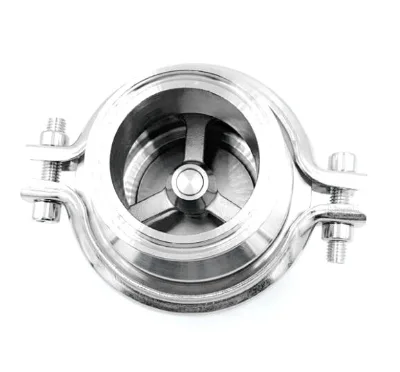
Sanitary check valves are critical components in fluid processing systems, designed to permit flow in one direction while preventing backflow that could contaminate upstream supplies. The observed market listings indicate a strong focus on industries such as food, dairy, and beverage production, where hygiene is paramount. These valves are typically constructed from stainless steel grades like 304 and 316L, ensuring resistance to corrosion and ease of cleaning. Buyers should note that the product range includes various structural types, such as swing and tubular designs, which cater to different piping configurations and flow dynamics.
The observed price range spans from $0.03 to $99,999, reflecting significant variation in size, material grade, and functional complexity. Minimum order quantities (MOQ) vary widely, starting from just one piece up to 5,000 units, offering flexibility for both prototype testing and large-scale industrial deployment. Listings frequently highlight customization options, allowing buyers to tailor valve dimensions and connection forms to specific system requirements. This variability suggests that buyers must carefully evaluate their exact operational needs rather than relying on generic specifications, as the cost and performance implications of these choices are substantial.
Technical Specifications to Verify
Verifying the technical specifications of sanitary check valves requires attention to material standards and connection types. The supplied data indicates that valves are available in stainless steel grades including SS304, SS316L, 1.4404, and 1.4301, each offering distinct corrosion resistance properties suitable for different chemical environments. Connection forms observed include clamp, threaded, and welded options, with sizes ranging from DN15 to DN100 and up to DN600 for larger industrial applications. Buyers must confirm that the selected material grade aligns with the corrosiveness of the media being processed, particularly when handling acidic or alkaline substances in dairy or beverage lines.
Flow direction and sealing mechanisms are equally critical for system integrity. Listings describe both reversing and unidirectional flow capabilities, with functions ranging from silence valves to double lobe designs that minimize water hammer effects. Sealing materials such as silicone, EPDM, FPM, and NBR are commonly cited, each offering different temperature and chemical resistance profiles. Buyers should verify that the seal material is compatible with the operating temperature and pressure conditions, as ordinary pressure and low-temperature ratings are frequently mentioned. Ensuring the correct combination of flow direction, seal material, and connection type prevents leaks and maintains the sanitary integrity of the processing line.
Compliance and Safety Documentation
Compliance with international standards is non-negotiable for sanitary valves used in food and beverage applications. The observed listings reference certifications such as 3A, ISO9001, SGS, and BV, which indicate adherence to rigorous quality and hygiene management systems. Buyers must request valid certificates for each batch or model, verifying that the certification scope explicitly covers the specific valve type and material grade being procured. These certifications ensure that the manufacturing processes meet the stringent requirements for sanitary equipment, reducing the risk of contamination and ensuring product safety for end consumers.
In addition to certifications, adherence to industry-specific standards is crucial for proper integration and operation. Standards such as DIN, SMS, ISO, IDF, and RJT are mentioned in the listings, guiding the dimensional and functional specifications of the valves. Buyers should confirm which standard applies to their specific regional or operational requirements, as mismatched standards can lead to installation difficulties or non-compliance with local health regulations. Documentation should also include material test reports and surface finish specifications, such as CNC processing, to verify that the internal surfaces meet the required roughness levels for easy cleaning and sterilization.
Cost Drivers and Commercial Terms
Several factors influence the final cost of sanitary check valves, with material grade and size being primary drivers. Stainless steel 316L is generally more expensive than 304 due to its enhanced corrosion resistance, making it essential for aggressive chemical environments. Larger sizes, such as those exceeding DN100, also command higher prices due to increased material usage and manufacturing complexity. Buyers should analyze the total cost of ownership, considering not just the unit price but also the longevity and maintenance requirements associated with different material and seal combinations.
Commercial terms, including MOQ and packaging, significantly impact procurement logistics and budgeting. The observed MOQ range of 1 to 5,000 pieces allows for flexible ordering, but buyers should negotiate volume discounts for larger commitments. Packaging options vary from shrink-wrapped and reusable bags to plywood cases, with export-standard packing ensuring safe transit. Buyers must account for packaging costs and potential damage risks, especially when ordering high-value items. Clear communication regarding payment terms, lead times, and warranty policies is essential to avoid unexpected costs and ensure timely delivery for production schedules.
Supplier Qualification and Quality Control
Selecting a qualified supplier is vital for ensuring the reliability and consistency of sanitary check valves. Buyers should prioritize suppliers located in established industrial hubs, such as Wenzhou, Zhejiang, China, which are known for their manufacturing expertise in this sector. Due diligence should include verifying the supplier’s production capabilities, quality control processes, and ability to provide customization services. Requesting samples before placing bulk orders allows buyers to physically inspect the valve’s construction, finish, and functionality, ensuring it meets their specific technical requirements.
Quality control measures should be explicitly defined in the purchase agreement. Buyers must insist on pre-shipment inspections that verify dimensional accuracy, material composition, and sealing integrity. Documentation such as material certificates and test reports should be provided for each batch. Additionally, buyers should inquire about the supplier’s defect rate and return policy, ensuring there is a clear mechanism for addressing non-conforming products. Establishing a strong relationship with a supplier who demonstrates transparency and commitment to quality reduces the risk of supply chain disruptions and ensures consistent performance in critical applications.
Long-Term Procurement Checks
Long-term procurement success depends on regular performance monitoring and supplier relationship management. Buyers should establish key performance indicators (KPIs) such as delivery reliability, product defect rates, and responsiveness to technical queries. Regular audits of the supplier’s quality management system can help identify potential issues before they impact production. Maintaining open communication channels allows for continuous improvement and adaptation to changing operational needs, ensuring that the supplied valves continue to meet evolving hygiene and efficiency standards.
It is also essential to stay updated on changes in industry standards and regulations that may affect valve specifications. Buyers should periodically review their procurement specifications to ensure they align with the latest safety and hygiene requirements. This proactive approach helps avoid obsolescence and ensures that the installed valves remain compliant with current regulations. Additionally, buyers should consider the availability of spare parts and maintenance support, as these factors contribute to the long-term usability and cost-effectiveness of the sanitary check valves in their processing systems.
FAQs
What materials are used for these sanitary check valves?
These sanitary check valves are made from stainless steel, with available grades including SS304, SS316L, 1.4301, and 1.4404. Seat and seal materials include silicone, EPDM, Viton, and NBR. Grade selection depends on the media and hygiene requirements, with 316L commonly chosen for food, dairy, and beverage applications where corrosion resistance matters.
Which connection types are available for the Sanitary Check Valve?
Threaded, welded, and clamped connections are available, with clamp and thread being common connection forms for sanitary lines. The choice depends on your piping system and whether frequent disassembly for cleaning is needed. Larger sizes beyond the listed range can often be customized, so confirm compatibility with your existing fittings before ordering.
What sizes are offered for these sanitary check valves?
Listed sizes cover DN10-DN100 and 1/2 inch to 4 inches, with some models extending to 1/2 inch to 6 inches and larger sizes customizable. Some product lines list 2 inch to 24 inch (DN50-DN600) ranges. Verify the exact size range and end connections for the specific model you intend to source.
Which certifications apply to these sanitary check valves?
Listed certifications include 3A, ISO9001, SGS, and BV, and standards such as DIN, SMS, ISO, IDF, RJT, and ANSI appear across products. Certification coverage varies by model, so request the relevant certificates for the exact item before purchase. This is especially important for food, dairy, and beverage hygienic applications.
Can I order a Sanitary Check Valve with custom specifications?
Yes, customization is available. Beyond size extensions, options may include seal materials such as silicone, EPDM, Viton, or NBR, different connection forms, and specific standards like DIN, SMS, ISO, IDF, or RJT. Discuss drawings, media type, and temperature requirements with the supplier early, since custom items may differ in MOQ and lead time.
How is the Sanitary Check Valve packed for shipment?
Packing options include shrink wrapping, reusable bags, paper cartons, and plywood cases, with some items shrink wrapped with a plywood case and export standard packing also listed. Packaging choice typically depends on quantity, destination, and fragility. Confirm the packing method at order stage to protect stainless steel surfaces during transit.
What applications suit these stainless steel check valves?
They suit household usage, industrial usage, and water industrial usage, with specific models designed for food, dairy, and beverage processing. Flow direction options include reversing and unidirectional designs, and swing or tubular structures are listed. Match the valve function, such as double lobe or silence types, to your line pressure and media conditions.
Where are these sanitary check valves manufactured?
The listed products originate from Wenzhou, Zhejiang, in mainland China, a known hub for sanitary valves and fittings. Sourcing from this region offers access to many manufacturers, but buyers should verify factory capabilities, certifications, and quality control directly. MOQs vary widely across the listed items, from single pieces to larger quantities.