Source Scratch Resistant Classic Wine Bottle for liquor, whiskey, and vodka
Compare 30 verified listings for a Scratch Resistant Classic Wine Bottle suitable for spirits like whiskey, vodka, and wine. Buyers can evaluate glass materials, sealing types, and customization options to find the right supplier for their beverage needs.
Key considerations
Products List


Large Capacity Glass Wine Bottle for Whiskey with Durable Pack Standard
$0.21 - $0.31
MOQ: 30000 Pieces


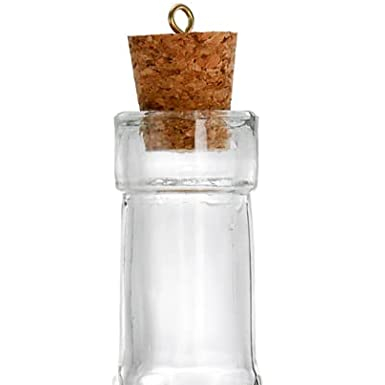

Comprehensive Sourcing Guide
Strategic Sourcing Guide for Scratch-Resistant Classic Wine Bottles
Understanding the Technical Specifications of Glass Wine Containers
When sourcing a scratch-resistant classic wine bottle, the primary focus must be on the material composition and surface treatment that define durability. The core material identified in the available market data is glass, specifically "Super Flint Glass" for high-end applications. This material choice is critical because it offers superior clarity and chemical resistance compared to standard glass variants. The transparency of the product is a standard attribute, allowing for the visual inspection of the liquid contents, which is essential for wine and spirits marketing.
The physical form factor is predominantly round, categorized as a "Round Bottle" or "Round Bottle" shape. This classic silhouette is versatile, fitting seamlessly into traditional wine and liquor presentations. The standard capacities observed in the market include 250ml, 330ml, 500ml, 750ml, 850ml, 1000ml, 1250ml, and 1500ml options. Buyers should note that while 750ml is a frequent standard, customization is explicitly available to meet specific volume requirements. The weight of the bottle is also listed as customizable, which allows procurement teams to balance shipping costs against the perceived premium quality of a heavier vessel.
Surface handling is a key differentiator for scratch resistance. The data indicates that surface handling can be "Customized," which often involves specific coatings or treatments to enhance durability. Decorative options such as decal application, screen printing, and embossing are available. These processes must be managed carefully to ensure that the decorative layer does not compromise the structural integrity or the scratch-resistant properties of the glass surface. The color options range from transparent to specific hues like black, though the classic wine bottle typically relies on the natural transparency of the flint glass to showcase the product within.
Compliance, Certification, and Safety Standards
In the B2B procurement of glass containers for food and beverage applications, verifying compliance with international safety standards is non-negotiable. The supply chain data highlights specific certifications that buyers should look for to ensure the product meets regulatory requirements for food contact. The observed certifications include FDA and CE / EU compliance. These certifications indicate that the glass material does not leach harmful substances into the beverage and meets the safety standards required for the European and North American markets.
Additionally, the concept of "Eco-Friendly" and "Recyclable" features is prominent in the product attributes. This aligns with global sustainability trends and may be a requirement for brands aiming to reduce their environmental footprint. While ISO 9001 is mentioned in background knowledge as a general quality management standard, buyers should verify if the specific supplier holds this certification rather than assuming it based on general industry knowledge. The primary verification point remains the FDA and CE / EU marks, which directly relate to the safety of the glass when in contact with consumables like wine, vodka, whiskey, and other spirits.
Buyers must also consider the sealing mechanism as part of the compliance ecosystem. The observed sealing types include rubber stoppers, cork stoppers, and screw caps. The choice of closure material can impact the overall safety and shelf-life of the product. For instance, cork stoppers are traditional for wine, while rubber stoppers might be preferred for spirits or specific export markets. Ensuring that the closure materials are also food-grade and compliant with relevant regulations is a necessary step in the verification process.
Cost Drivers and Economic Factors in Procurement
The economic landscape for sourcing glass wine bottles is influenced by several variable factors, primarily material costs, customization levels, and order volume. The Minimum Order Quantity (MOQ) observed in the market ranges significantly, from 15 units up to 50,000 units. However, specific product listings indicate MOQs of 5,000 pieces and 10,000 pieces. This variance suggests that buyers can negotiate terms based on their volume needs, but they must be prepared for higher per-unit costs if they order below the standard bulk thresholds.
Production capacity is another critical cost driver. One observed production ability is 2,000 pieces per day, while another listing indicates a lead time of 10 days, and a third suggests a production time of 25-30 days. These discrepancies highlight the importance of aligning order size with the supplier's current capacity. Larger orders may require longer lead times or higher production scheduling, which can impact the overall cost structure.
Payment terms are standardized in the market, with T/T (Telegraphic Transfer), PayPal, and Western Union being the accepted methods. Buyers should factor in the transaction fees and currency exchange risks associated with these payment methods, especially when dealing with international suppliers from China. The packaging requirements, such as cartons, pallets, and pallets with dividers, also contribute to the final landed cost. Custom packaging solutions, while offering better protection and branding opportunities, will inevitably increase the unit price compared to standard bulk packing.
Typical Applications and Market Segmentation
The versatility of the classic wine bottle allows it to serve a wide array of applications beyond just table wine. The product attributes explicitly list applications for beverage, wine, vodka, whiskey, liquor, beer, and various spirits including gin, rum, and tequila. This broad applicability makes the glass bottle a staple for distilleries, wineries, and craft beverage producers. The "Daily Use" and "Bar/Restaurant/Kitchen" applications further extend the market reach to hospitality and retail sectors.
The age group targeted is adults, which is consistent with the legal requirements for alcohol distribution. The "Sets" configuration suggests that these bottles are often sold in pairs or multiples for gift sets, tasting events, or promotional campaigns. The ability to customize the logo and surface decoration makes these bottles ideal for private label operations, where brands want to create a unique identity without the high costs of mold development for entirely new shapes.
The following table summarizes the key application areas and their corresponding product attributes:
| Application Sector | Typical Beverage Types | Key Product Attributes |
|---|---|---|
| Wineries | Red, White, Rosé Wine | 750ml, Transparent, Cork Stopper |
| Distilleries | Vodka, Whiskey, Gin, Rum, Tequila | 500ml-1000ml, Black/Transparent, Screw Cap |
| Craft Beer | Beer, Lager, Ale | 330ml, Round Bottle, Customized Surface |
| Hospitality | Liquor, Spirits, Mixed Drinks | Custom Sizes, Pallet with Divider, Logo Customized |
| Retail/Gifting | Gift Sets, Premium Spirits | Sets, Embossed/Screen Printed, Eco-Friendly |
Supplier Evaluation and Operational Capabilities
Evaluating a supplier for scratch-resistant glass bottles requires a deep dive into their operational capabilities and customization flexibility. The data indicates that customization is available for the logo, shape, and surface handling. This flexibility is a strong indicator of a supplier's ability to adapt to specific brand requirements. The "OEM/ODM" (Original Equipment Manufacturer/Original Design Manufacturer) status is explicitly welcomed and accepted, suggesting that suppliers are equipped to handle custom designs and private labeling.
Lead time is a critical metric for supply chain planning. The observed lead times vary from 10 days to 25-30 days. Buyers must clarify the specific lead time for their order volume and customization requirements before committing. A supplier with a 10-day lead time might be suitable for urgent restocking, while a 25-30 day lead time might be necessary for complex customizations or large volume orders. The production ability of 2,000 pieces per day provides a baseline for estimating delivery schedules, but buyers should request a detailed production timeline to ensure alignment with their inventory needs.
Sample availability is another crucial factor in the evaluation process. The market data confirms that free samples are available. This allows buyers to physically inspect the scratch resistance, clarity, and overall quality of the glass before placing a bulk order. Buyers should utilize this opportunity to test the bottle's durability against common abrasion scenarios and to verify that the surface treatment meets their specific scratch-resistance expectations.
Quality Control and Long-Term Procurement Considerations
Ensuring consistent quality in glass bottle procurement requires a robust quality control (QC) strategy. The "Customized" surface handling and "Eco-Friendly" features must be verified through rigorous testing. Buyers should establish clear acceptance criteria for scratch resistance, which may involve specific abrasion tests or visual inspections under controlled lighting. The "Super Flint Glass" material should be confirmed for every batch to ensure consistency in clarity and strength.
Long-term procurement considerations include the stability of the supply chain and the potential for scaling. The origin of the products is listed as China, which is a major manufacturing hub for glass containers. However, buyers should be aware of potential logistical challenges, such as shipping delays or changes in trade regulations. The packaging options, including "Carton and Pallet" and "Pallet with Divider," are designed to minimize breakage during transit, but buyers should still implement their own incoming QC checks to verify that the packaging integrity is maintained.
Sustainability is a growing priority in the industry. The "Recyclable" and "Eco-Friendly" attributes of the glass bottles align with corporate social responsibility goals. Buyers should inquire about the supplier's recycling practices and the recyclability of the packaging materials. Additionally, the ability to customize the bottle weight and shape allows for future product line expansions without changing the core supplier relationship.
Finalizing the Procurement Strategy
The journey to sourcing scratch-resistant classic wine bottles involves a careful balance of technical specifications, compliance verification, and economic planning. The market offers a diverse range of options, from standard 750ml flint glass bottles to custom-designed vessels with unique surface treatments. The availability of free samples and the acceptance of OEM/ODM requests provide buyers with the flexibility to test and customize their products effectively.
By focusing on the verified attributes such as Super Flint Glass, FDA/CE certifications, and customizable surface handling, buyers can build a robust supply chain that meets both quality and regulatory standards. The variation in MOQs and lead times necessitates clear communication with suppliers to align expectations. Ultimately, a successful procurement strategy relies on thorough due diligence, leveraging the available customization options, and maintaining a focus on long-term quality and sustainability.
FAQs
Can I get free samples of scratch resistant classic wine bottles?
Yes, free samples are available for most listings to verify quality before bulk ordering. Buyers should request samples to test scratch resistance and clarity, noting that lead times for sample delivery may vary between 10 and 30 days depending on the supplier.
What certifications do these glass bottles typically hold?
Many products carry FDA and CE EU certifications to ensure safety for food and beverage contact. These marks confirm the glass does not leach harmful substances, which is essential for exporting wine and spirits to North American and European markets.
Which standard capacities are available for these glass bottles?
Standard capacities include 250ml, 330ml, 500ml, 750ml, 850ml, 1000ml, and 1250ml options. While 750ml is common, buyers can request custom volumes since the product standard explicitly allows for customized sizes to meet specific brand requirements.
How long does production take for custom orders?
Production times typically range from 10 days to 25-30 days depending on order complexity. Suppliers with a daily capacity of 2000 pieces can fulfill standard orders quickly, but custom surface handling or logo printing may extend the lead time toward the upper limit.
What is the minimum order quantity for these bottles?
Minimum order quantities vary significantly, with observed ranges from 15 units up to 50,000 pieces. Specific listings often require 5,000 or 10,000 pieces, so buyers must check individual supplier terms to find a volume that fits their budget and storage needs.
Can I customize the logo and surface decoration on these bottles?
Yes, logo customization and surface decoration are available through methods like screen printing, decals, and embossing. Buyers can request these features to create a unique brand identity, provided they meet the supplier's minimum order quantity and design guidelines.
Where are these glass bottles manufactured?
The products originate from China, which is a major hub for glass container manufacturing. Buyers should verify specific factory locations and shipping terms, as the origin impacts logistics costs and delivery schedules for international orders.