Source screen control multi-color ambient light for Home, Stage, and Festival
Compare 30 products featuring screen control multi-color ambient light options for home decor, stage effects, and festival celebrations. Buyers can review specifications, certifications, and customization availability to find suitable lighting solutions.
Key considerations
Products List


Touch Dimming USB Night Light Portable LED Ambient Light Decorative Light
$0.84 - $1.60
MOQ: 1000 Pieces

Ambient Light, Light String, Colored Light, Colorful String Lights, Night Light
$1.20 - $2.40
MOQ: 500 Pieces


Ambient Light, Colorful String Lights, Night Light, Decorative Light Romantic
$0.45 - $1.30
MOQ: 500 Pieces

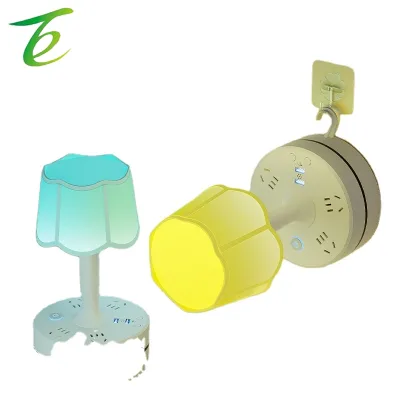
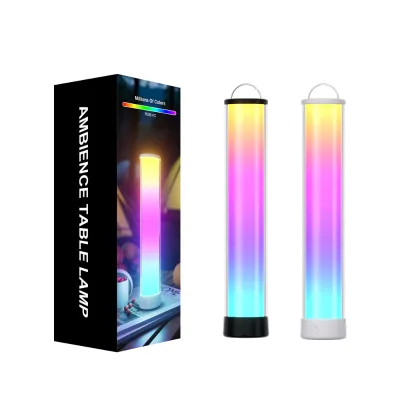
LED Decoration Table Lamp USB Multifunctional Bedroom Decoration Ambient Lights
$7.00 - $8.00
MOQ: 3000 Pieces




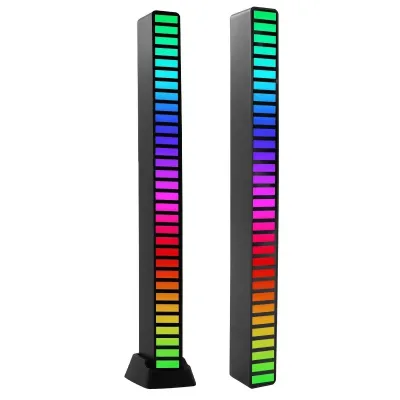
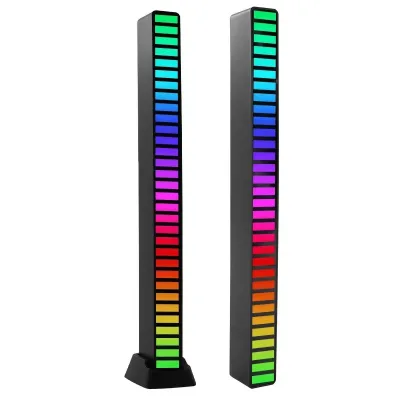
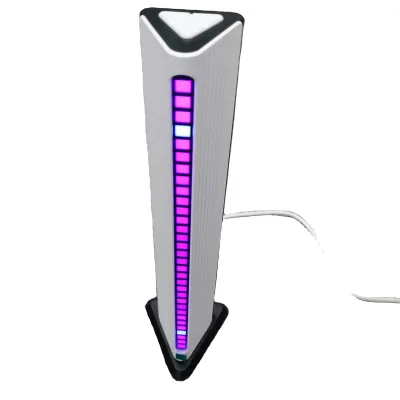
Colorful Music Ambient with 32 LED 18 Colors Car Decoration Rhythm Light
$3.90 - $4.80
MOQ: 100 pieces
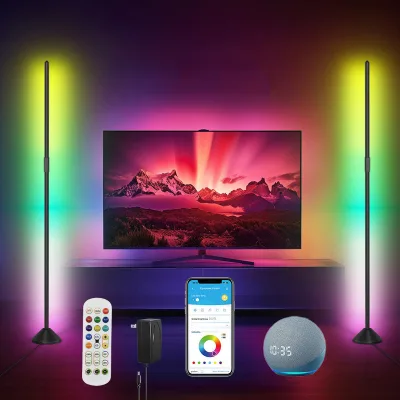
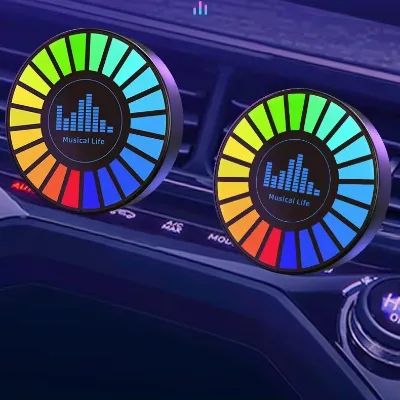
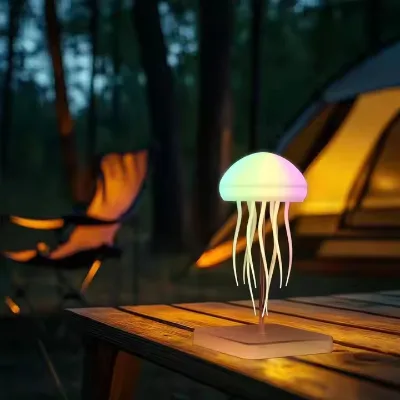


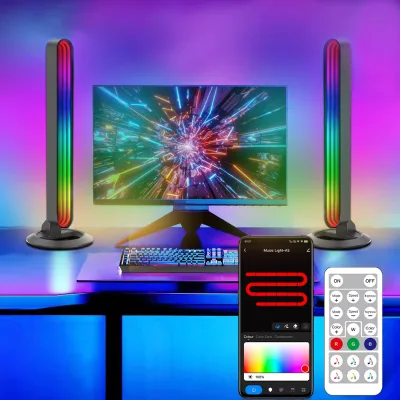


Comprehensive Sourcing Guide
Strategic Sourcing Guide for Screen-Controlled Multi-Color Ambient Lighting Solutions
The procurement of screen-controlled multi-color ambient lighting represents a specialized segment within the broader LED lighting industry. Buyers seeking these solutions must navigate a complex landscape where technical integration, regulatory compliance, and supply chain reliability intersect. The core functionality of these systems relies on the ability to synchronize light output with digital inputs, allowing for dynamic color shifts and pattern changes. This guide synthesizes observed product attributes and industry standards to provide a disciplined framework for evaluating potential suppliers and products. The focus remains on evidence-based criteria, ensuring that procurement decisions are grounded in verifiable specifications rather than marketing assertions.
Technical Architecture and Functional Specifications
Understanding the underlying technical architecture is the first step in defining procurement requirements. Products in this category typically utilize LED light sources, which offer high energy efficiency and longevity compared to traditional incandescent alternatives. Observed data indicates that power consumption for these units often falls within the 6-10W range, though variations exist depending on the specific application and intensity requirements. The emitting color capability is a critical differentiator; the most relevant products feature changeable color outputs, often utilizing RGB (Red, Green, Blue) technology to achieve a full spectrum of hues.
The physical dimensions of the units vary significantly based on their intended scale. Some compact models are designed with dimensions such as φ 22X64mm, suitable for small-scale accent lighting or specific fixture integration. Conversely, larger units intended for stage or dance effects may have dimensions reaching 3.43.628cm or even 463526.5cm. The material composition is equally diverse, ranging from ABS plastic and general plastic housings to more robust constructions involving Carbon Steel and Aluminum. This material variance directly impacts durability and heat dissipation capabilities.
Connectivity and control mechanisms are paramount for "screen control" functionality. While specific control protocols may vary, the presence of USB power options suggests a focus on modern, low-voltage interfaces. The "Changeable" attribute for emitting color implies a controller capable of receiving digital signals to alter the light output. Buyers must verify that the control interface supports the specific screen or software environment they intend to use, as compatibility is not guaranteed across all models. The "Funny Toys" and "Stage, Dance Effect Lights" categories indicate a wide spectrum of use cases, from consumer novelty items to professional entertainment equipment, each requiring distinct technical tolerances.
Regulatory Compliance and Certification Verification
In the global lighting market, regulatory compliance is non-negotiable. Suppliers must provide verifiable documentation proving that their products meet the safety and environmental standards of the target market. Based on observed product attributes, a robust compliance profile for these lighting solutions typically includes a combination of certifications such as CE, RoHS, EMC, FCC, CCC, and FDA. The presence of multiple certifications suggests a product designed for international distribution, covering electrical safety, electromagnetic compatibility, and material restrictions.
The CE mark indicates conformity with health, safety, and environmental protection standards for products sold within the European Economic Area. RoHS compliance ensures that the product is free from specific hazardous materials, a critical requirement for electronic goods. EMC (Electromagnetic Compatibility) certification is particularly relevant for screen-controlled devices, as it verifies that the unit does not emit excessive electromagnetic interference that could disrupt other electronic equipment. FCC certification is essential for products entering the United States market, ensuring radio frequency devices operate within legal limits.
Buyers should not assume that every listed product possesses all these certifications. The data shows that while some models list CE, RoHS, EMC, FCC, CCC, and FDA, others may only carry CE and RoHS. It is the buyer's responsibility to request specific test reports and certificates of conformity for the exact model number being procured. For instance, a product with the model number BT-L-2025112701 might have a different certification suite than a unit labeled BT-251121-15w. Verification should extend to the IP Rating as well; observed data includes an IP65 rating, which signifies protection against dust and low-pressure water jets, a crucial feature for units intended for outdoor or stage use.
Cost Drivers and Pricing Dynamics
The pricing structure for screen-controlled multi-color ambient lights is influenced by a confluence of factors, including material costs, certification overhead, and customization levels. The observed price range in the market spans from $0.30 to $24.41 USD, a wide disparity that reflects the diversity of product types, from simple novelty items to complex, certified stage lighting units. This range underscores the importance of defining precise specifications before requesting quotes, as a unit priced at the lower end may lack the durability, certifications, or control features of a unit at the higher end.
Material composition is a primary cost driver. Units constructed from Carbon Steel and Aluminum generally command a higher price point than those made from ABS or standard plastic due to the raw material costs and the complexity of the manufacturing process. Similarly, the inclusion of a glass lampshade, as seen in certain product attributes, adds to the cost compared to plastic alternatives. The "Customization" attribute is another significant variable. Products that offer OEM (Original Equipment Manufacturer) and ODM (Original Design Manufacturer) services, or those with customized packaging and design, typically involve higher unit costs and potentially higher Minimum Order Quantities (MOQ).
The observed MOQ range of 1 to 3000 units further complicates the cost analysis. Low MOQs of 1 unit are often associated with sample orders or ready-to-ship inventory, which may carry a premium per unit. Higher MOQs, such as 3000 units, are usually required for fully customized production runs to amortize tooling and setup costs. Buyers must balance the desire for low initial investment against the need for economies of scale. Additionally, the origin of the product, with many units listed as originating from China or specifically Zhejiang, China, influences logistics costs and potential tariffs, which should be factored into the total landed cost calculation.
Application Scenarios and Market Segmentation
The versatility of screen-controlled multi-color ambient lights allows them to serve a broad array of applications. The data highlights several distinct market segments, each with unique requirements. The "Stage, Dance Effect Lights" category points to professional entertainment venues, festivals, and concerts where dynamic lighting is essential for atmosphere and performance enhancement. These applications demand high durability, specific IP ratings like IP65, and robust power handling capabilities.
Conversely, the "Anniversary, New Year, Baby Shower, Wedding, Birthday, Halloween, Christmas, Carnival, Luau" applications indicate a strong consumer and event planning market. In these scenarios, the "Style" is often described as "Funny Toys" or decorative, emphasizing aesthetic appeal and ease of use over industrial-grade durability. The "Commercial, Home, Festival" usage tags suggest a hybrid market where products must be safe for indoor residential use while also being robust enough for commercial displays.
The "Neon Light" product name and "Design: as Shown or Customized" attribute suggest a growing trend in personalized ambient lighting for home decor and commercial branding. These products often require specific color matching and shape customization, which aligns with the "OEM & ODM: Accept" capability observed in the data. Understanding the specific application is vital for selecting the right product, as a unit suitable for a home birthday party may not meet the rigorous standards required for a professional dance stage.
Supplier Evaluation and Quality Assurance
Evaluating suppliers for this category requires a rigorous approach to quality assurance and capability assessment. The "Scale: Medium" attribute observed in some listings suggests that many suppliers operate at a mid-range capacity, capable of handling both small custom orders and larger volume shipments. However, buyers must verify the supplier's ability to maintain consistency across batches, especially when dealing with "Changeable" color outputs and complex screen-control integration.
Quality control should focus on the integrity of the light source and the reliability of the control system. The "With Light Source: With Light Source" attribute confirms that the LED components are integrated, but buyers should inquire about the expected lifespan and color consistency over time. The "Play Method: Funny" and "Application" tags imply that user experience is a key quality metric; the lights must respond accurately to screen inputs without lag or flickering.
Suppliers should be evaluated on their adherence to the "Standard Specifications or Customized" and "Standard Packaging or Customized" options. A supplier that offers flexible packaging, such as "Color Box," "Carton," or "CTN," demonstrates logistical adaptability. Furthermore, the presence of certifications like FCC, EMC, and RoHS should be verified through third-party testing reports, not just supplier declarations. The "prod_packing" variations, ranging from "Box" to "Carton," indicate that packaging standards vary, and buyers must ensure that the packaging protects the delicate electronic components during transit.
Long-Term Procurement and Supply Chain Resilience
Sourcing screen-controlled multi-color ambient lights is not merely a transactional activity but a strategic decision that impacts long-term operational efficiency. The "Customization: Available" and "OEM & ODM: Accept" attributes suggest that suppliers are capable of evolving with the buyer's needs. However, reliance on customization introduces risks related to lead times and supply chain stability. Buyers should establish clear agreements regarding lead times, which can vary based on the complexity of the order and the "prod_model" selected.
The "prod_origin" being China or Zhejiang, China, is a common factor, but buyers must consider geopolitical and logistical risks associated with international shipping. Establishing a relationship with a supplier that can provide consistent quality and reliable delivery is crucial. The "Age: > 8 Years" attribute for some products suggests a target demographic that may require durable, long-lasting products, reinforcing the need for high-quality components.
Finally, buyers should plan for the lifecycle of the product. As technology evolves, the "screen control" interface may require updates or compatibility with new software. A supplier that offers ongoing support and the ability to update firmware or control logic will be more valuable in the long term. The "Standard Specifications" and "Standard Packaging" options provide a baseline for consistency, but the ability to customize ensures that the product remains relevant as market trends shift. By focusing on these long-term considerations, buyers can secure a supply chain that is resilient, adaptable, and aligned with their strategic goals.
FAQs
What certifications are available for screen control multi-color ambient light?
Products typically include CE, RoHS, EMC, FCC, CCC, and FDA certifications. Buyers must verify specific test reports for the exact model, as certification suites vary between items like BT-L-2025112701 and BT-251121-15w.
How does the power consumption vary for these lighting units?
Observed power ratings often fall within the 6-10W range for standard units. Variations exist depending on the specific application, such as stage effects or novelty toys, which may require different intensity levels.
Which materials are commonly used for the housing of these lights?
Common materials include ABS plastic, general plastic, and robust Carbon Steel combined with Aluminum. Some units also feature glass lampshades, which impact durability and heat dissipation capabilities significantly.
Can these lights be customized for specific designs or packaging?
Customization is available for design, packaging, and OEM or ODM services. Buyers should expect higher unit costs and potentially higher minimum order quantities when requesting fully customized production runs.
What is the typical price range for screen control multi-color ambient light?
The market price range spans from 0.30 to 24.41 USD per unit. This wide disparity reflects differences in material quality, certification levels, and the extent of customization required for each specific model.
How do dimensions differ between compact and stage lighting models?
Compact models may measure around φ 22X64mm, while larger stage units can reach 3.4*3.6*28cm or 46*35*26.5cm. Selecting the right size depends on whether the application requires small accent lighting or large-scale effects.
What applications are suitable for these multi-color ambient lighting solutions?
Applications range from commercial and home use to festivals, weddings, and stage dance effects. The product style can vary from funny toys for children to professional entertainment equipment requiring IP65 ratings.