Source Screen Printed Borosilicate Glass Vials for Medicine, Cosmetics, Food
Compare 30 listings for Screen Printed Borosilicate Glass Vials suitable for medicine, cosmetics, and food packaging. Buyers can evaluate customization options, glass types, and sealing methods from verified Chinese manufacturers.
Key considerations
Products List


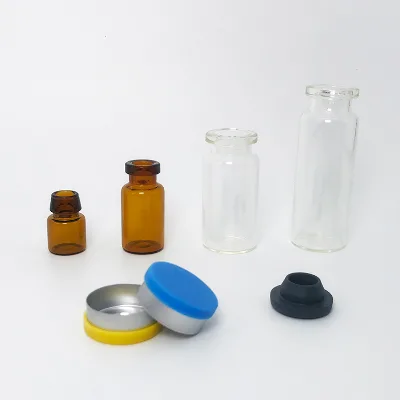


Small Borosilicate Glass Bottle Glass Vial with Coating and Screen Printing
$0.04 - $0.10
MOQ: 50000 Pieces
Comprehensive Sourcing Guide
Screen Printed Borosilicate Glass Vials Sourcing Guide
Sourcing Screen Printed Borosilicate Glass Vials requires a nuanced understanding of both the material’s chemical resilience and the precision of the printing process. These containers are primarily utilized in the pharmaceutical and medical sectors, where the integrity of the seal and the clarity of the labeling are critical for patient safety and regulatory compliance. The core material, typically neutral borosilicate glass, offers superior hydrolytic resistance, often meeting USP Type I standards, which makes it ideal for storing sensitive injectable drugs, vaccines, and biologics that require long-term stability. Buyers must recognize that the "screen printed" attribute refers to the application of permanent, high-contrast markings directly onto the glass surface, a process that demands specific ink formulations to withstand sterilization cycles and chemical exposure without degrading.
The procurement landscape for these vials is characterized by a wide range of customization options and varying production capabilities. Suppliers often offer horizontal machine production with mold-formed shapes, allowing for consistent geometry across large batches. The availability of both clear and amber glass variants provides flexibility for light-sensitive products, while the option for logo printing or plain packaging caters to different branding and regulatory needs. However, the presence of conflicting product attributes in market listings, such as varying models from 1ml to 250ml and different standard codes like 2R or JTT-4R, indicates that buyers must carefully map their specific volume and closure requirements to the supplier’s actual capabilities rather than assuming a one-size-fits-all inventory.
Product Scope and Observed Listing Signals
The observed market signals indicate a broad spectrum of product specifications, with models ranging from small 1-30ml vials to larger 10-250ml containers. This diversity suggests that suppliers may operate as generalist glass manufacturers rather than specialists in a single niche, which can be advantageous for buyers seeking a single source for multiple product lines. The listing data highlights specific model codes such as "2R," "JTT-4R," and "Clear Injectable vial," which serve as critical identifiers for cross-referencing with international standards. Buyers should note that while some listings mention "recycled" content, others specify "unrecycled" high-quality glass tubing, implying that the source of the raw material and the purity of the glass batch are variable factors that must be explicitly confirmed during the inquiry phase.
Pricing and minimum order quantities (MOQs) observed in the market range from $0 to $1000 USD, with MOQs typically starting at 1,000 units and extending up to 500,000 units. This wide variance in pricing likely reflects differences in glass thickness, print complexity, and the inclusion of additional services such as automatic inspection systems. The high MOQs suggest that screen printing and custom molding are cost-effective primarily at scale, making these vials less suitable for small-batch prototyping or niche clinical trials unless the supplier offers flexible low-volume runs. Buyers should interpret the lower end of the price range as indicative of standard, unprinted or simply marked vials, while the higher end likely encompasses fully customized, printed, and inspected units with premium packaging options like shrink-wrapped trays.
Technical Specifications to Verify
Verifying the glass type and hydrolytic properties is the first technical priority, as these factors directly impact drug compatibility. Neutral borosilicate glass is the preferred material for injectables due to its low leaching potential and high thermal shock resistance. Buyers must confirm that the glass meets USP Type I standards, which ensure that the glass surface does not react with the pharmaceutical product over time. Additionally, the forming type, often described as "molded" or produced via "bottle blowing" techniques, influences the wall thickness uniformity and the structural integrity of the vial neck. It is essential to verify whether the vials are made from high-quality glass tubing, as this method typically yields more consistent dimensions and fewer internal stresses compared to other forming methods.
The screen printing process itself requires rigorous verification of ink adhesion and print quality. The printing must be durable enough to withstand autoclaving, gamma irradiation, or other sterilization methods without fading or peeling. Buyers should inquire about the specific ink technology used and request samples to test for resistance against solvents and abrasion. Furthermore, the closure system, which often includes rubber stoppers and aluminum crimp caps, must be compatible with the vial’s neck finish. The listing mentions "crimp neck" strength and various closure types, so buyers must ensure that the selected vial model aligns with their chosen stopper and cap assembly to prevent seal failures during storage or transport.
Compliance and Safety Documentation
Regulatory compliance is non-negotiable for pharmaceutical glass packaging, and buyers must demand comprehensive documentation from suppliers. This includes certificates of analysis (CoA) for the glass material, confirming its compliance with relevant pharmacopeial standards such as USP, EP, or ChP. The documentation should also cover the hydrolytic resistance tests, demonstrating that the glass meets the required classification for neutral borosilicate glass. Additionally, buyers should request evidence of the supplier’s quality management systems, such as ISO 13485 for medical devices or ISO 9001 for general quality management, to ensure that the manufacturing process is controlled and consistent.
Safety and traceability are further enhanced by the supplier’s ability to provide batch-specific records and serialization capabilities. If the vials are intended for markets with strict track-and-trace requirements, buyers must verify if the screen printing can accommodate unique identifiers or batch codes without compromising the print quality. The supplier should also provide data on the biocompatibility of the glass and any coatings or inks used, ensuring that they do not introduce toxic substances into the pharmaceutical product. Transparency in the supply chain, including the origin of the raw glass and the manufacturing location, is crucial for mitigating risks associated with geopolitical disruptions or quality inconsistencies.
Cost Drivers and Commercial Terms
Several factors influence the final cost of Screen Printed Borosilicate Glass Vials, with customization being a primary driver. The complexity of the print design, the number of colors used, and the precision required for alignment all add to the production cost. Suppliers with advanced automatic inspection systems may charge a premium for these services, as they reduce the risk of defective units reaching the customer. Additionally, the choice of packaging, such as shrink-wrapped trays on pallets versus simple carton packing, affects both the unit price and the logistics costs. Buyers should evaluate the total cost of ownership, including potential savings from reduced breakage rates due to higher-quality packaging.
Commercial terms, including payment conditions and lead times, vary significantly among suppliers. Given the high MOQs, buyers should negotiate flexible payment terms that align with their cash flow cycles, such as letters of credit or milestone-based payments. Lead times are influenced by the availability of raw materials, the complexity of the mold setup, and the current production load of the supplier. It is advisable to establish clear agreements on lead time penalties for delays and quality guarantees for the delivered goods. Buyers should also consider the cost of samples and tooling, which may be refundable upon reaching a certain order volume, to minimize upfront investment risks.
Supplier Qualification and Quality Control
Qualifying a supplier for Screen Printed Borosilicate Glass Vials involves a thorough assessment of their manufacturing capabilities and quality control processes. Buyers should conduct on-site audits or third-party inspections to verify the supplier’s production lines, particularly the screen printing and inspection stations. The presence of automatic inspection systems is a strong indicator of a supplier’s commitment to quality, as these systems can detect defects such as cracks, chips, and print misalignments with high precision. Buyers should also inquire about the supplier’s defect rate and their process for handling non-conforming products.
Quality control should extend to the raw material sourcing and the final product testing. Buyers must ensure that the supplier uses high-quality glass tubing and that the inks used for printing are approved for pharmaceutical use. Regular testing for hydrolytic resistance, thermal stability, and print durability should be part of the supplier’s quality assurance protocol. Additionally, buyers should establish a clear communication channel for addressing quality issues and request regular quality reports. Building a long-term relationship with a supplier who demonstrates a proactive approach to quality control can significantly reduce the risk of supply chain disruptions and product recalls.
Long-Term Procurement Checks
Long-term procurement success depends on continuous monitoring of supplier performance and market trends. Buyers should establish key performance indicators (KPIs) such as on-time delivery rate, defect rate, and responsiveness to quality issues. Regular reviews of these metrics will help identify potential problems early and allow for corrective actions. Additionally, buyers should stay informed about changes in regulatory requirements and industry standards that may impact the design and production of glass vials. This proactive approach ensures that the sourced products remain compliant and competitive in the market.
Supply chain resilience is another critical aspect of long-term procurement. Buyers should diversify their supplier base to mitigate risks associated with geopolitical tensions, natural disasters, or production disruptions. Maintaining a buffer stock of critical components and establishing contingency plans for alternative sourcing options can enhance supply chain stability. Furthermore, buyers should engage in regular dialogue with suppliers to discuss future needs, potential innovations, and cost optimization strategies. This collaborative approach fosters a partnership that can adapt to changing market conditions and drive continuous improvement in product quality and service.
FAQs
What glass type is used for these vials?
The vials are made from neutral borosilicate glass which meets USP Type I hydrolytic property standards. This material ensures high chemical resistance and durability for medical applications requiring strict safety compliance.
Can I customize the logo on the vials?
Logo printing customization is available for these glass vials. Buyers can choose between options with or without logo printing depending on their specific branding requirements and product packaging needs.
What are the available volume specifications?
Available specifications range from 1ml to 30ml and include sizes up to 250ml. The product line covers various models such as 2R, 4R, and 6R to suit different pharmaceutical and cosmetic packaging needs.
How are the vials sealed and packed?
These vials feature crimp caps with rubber stoppers for secure sealing. They are packed in cartons, shrink wrapped on trays, or placed on pallets to ensure safe transport and storage conditions.
Where are these glass vials manufactured?
The vials originate from China, specifically from the Henan region. This location supports the production of high-quality glass tubing used for pharmaceutical and medical packaging applications.
What is the minimum order quantity?
The minimum order quantity ranges from 1000 to 500000 units depending on the specific product model and customization requirements. Buyers should verify exact MOQs based on their selected volume and packaging options.