Source Seagrass Pontoon Boat Sofa for Yacht, Boat, and Leisure
Compare 30 listings for Seagrass Pontoon Boat Sofa from Chinese factories. Buyers can review specifications, customization options, and pricing for yacht and boat applications. These products feature aluminum hulls, rotomolding PE plastic frames, and vinyl upholstery suitable for luxury and modern styles.
Key considerations
Products List

Competitive Wholesales Price for Pontoon Boat Seats and Pontoon Boat Sofa
$150.00 - $500.00
MOQ: 10 Pieces


Factory Directly Supply Premium Waterproof Pontoon Boat Sofa Seats for Ultimate Comfort
$150.00 - $500.00
MOQ: 10 Pieces


Luxury Pontoon Boat Furniture Pontoon Boat Seats Pontoon Sofa for Factory Supply
$125.00 - $272.00
MOQ: 60 Pieces

Pontoon Yacht Sofa Set/ Boat Furniture Set/ Marine Seat/ Boat Seat / Yacht Sofa
$126.00 - $265.00
MOQ: 50 Pieces

Premium New Designed Pontoon Boat Seat Pontoon Furniture for Factory Sale
$125.00 - $260.00
MOQ: 60 Pieces


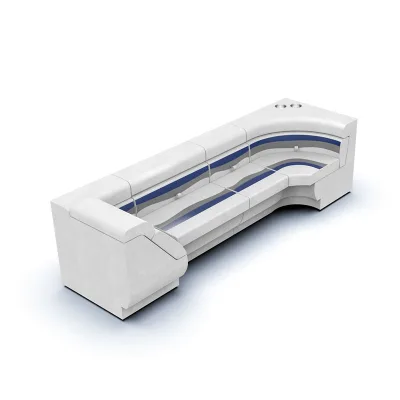
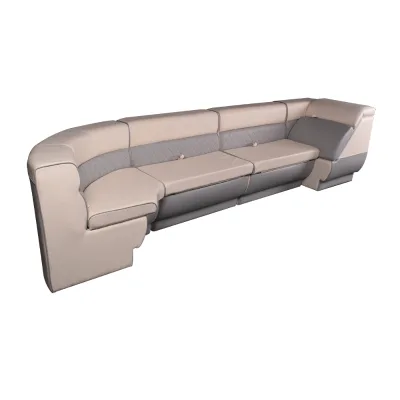
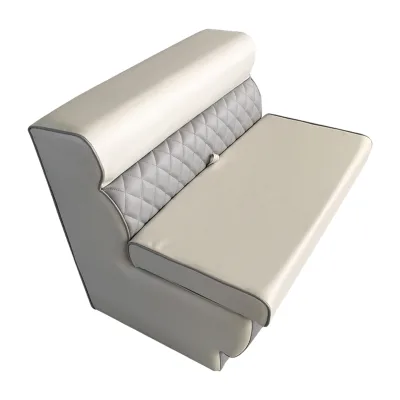
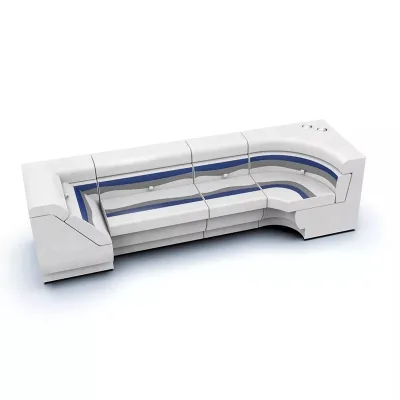
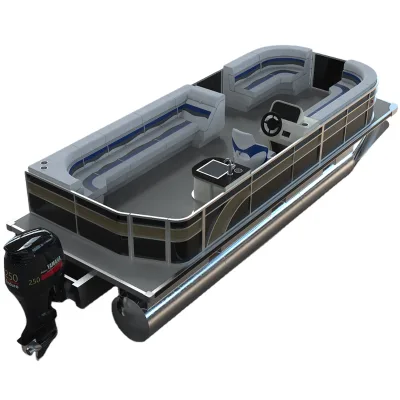
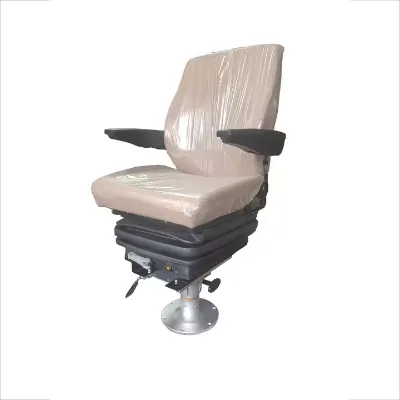

Premium Aluminum Pontoon Boat Sofa with Power Features for Ultimate Comfort
$13280.00 - $14280.00
MOQ: 1 Pieces

Factory Hot Sale Passenger Ship Aluminum Sofa Pontoon Boat for Sale
$14480.00 - $15480.00
MOQ: 1 Pieces

Allhouse Double Decker Sofa Furniture Yacht Pontoon Boat with Motor for Sale
$25080.00 - $26080.00
MOQ: 1 Pieces

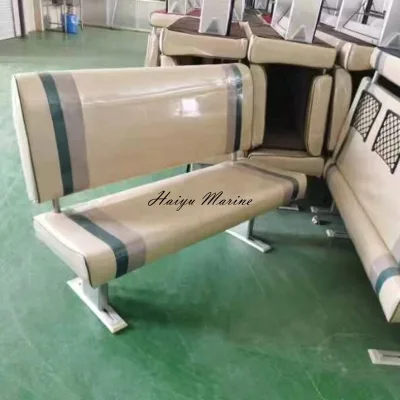

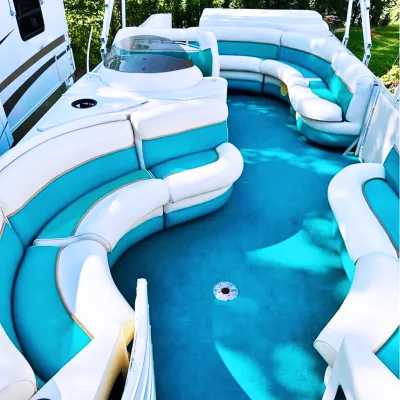

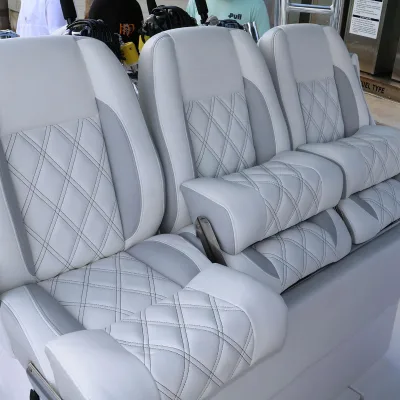
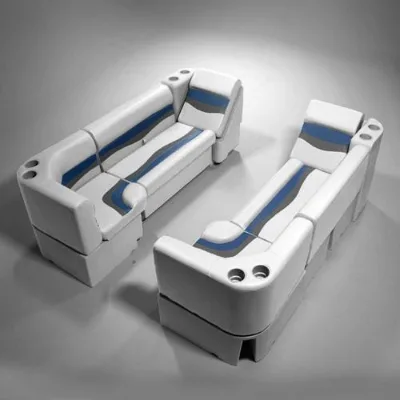


Comprehensive Sourcing Guide
Seagrass Pontoon Boat Sofa Sourcing Guide
Procuring seating for marine environments requires balancing aesthetic appeal with rigorous durability standards, especially when considering materials like seagrass for pontoon boat applications. While the core keyword suggests a specific natural fiber aesthetic, the available market data indicates that suppliers primarily offer furniture constructed from rotomolded PE plastic frames, PU foam, and vinyl upholstery. Buyers must recognize that "seagrass" may refer to a visual texture or weave pattern applied to synthetic vinyl rather than natural plant fibers, which are generally unsuitable for high-moisture marine conditions due to rot and mold risks. This distinction is critical for ensuring the longevity of the investment and maintaining the structural integrity of the seating under constant exposure to saltwater and UV radiation.
The observed product landscape reveals a strong emphasis on customization and modular design, with manufacturers offering ODM services and various model numbers such as 22008, 22012, and ML-BS810. These products are typically designed for both pontoon boats and yachts, featuring styles ranging from modern to classic leisure aesthetics. Buyers should verify if the specific "seagrass" look is available as a custom color or upholstery option, as standard listings often highlight luxury styles with customizable dimensions. Understanding the material composition is essential, as the underlying frame and foam quality dictate the seat's resistance to weathering, while the vinyl surface must be marine-grade to prevent fading and cracking over time.
Product Scope and Observed Listing Signals
The current market signals indicate a diverse range of pontoon boat furniture options, with observed price points spanning from $100 to $38,000 USD, reflecting variations in size, complexity, and material quality. The minimum order quantities (MOQ) typically range from 1 to 100 pieces, with specific listings noting MOQs of 50 or 60 PCS, which suggests flexibility for both small boutique refurbishments and large-scale fleet outfitting. Buyers should note that while the keyword specifies seagrass, the actual product attributes highlight materials like PE/Vinyl/Foam and rotomolded plastic frames, indicating that the seagrass appearance is likely a design feature rather than the primary structural material. This discrepancy requires careful communication with suppliers to ensure the visual aesthetic matches the functional requirements of the marine environment.
Product names and applications listed include "Pontoon Boat Furniture," "Pontoon Boat Seat," and specific models like ML-LS810, which is described as a pontoon sofa. These items are often packaged in PE bubble bags, cartons, or PE film warp, indicating a focus on protecting the upholstery during transit. The observed specifications include various lengths such as 520mm, 820mm, and 1020mm, allowing for modular configurations that fit different pontoon deck layouts. Buyers should assess whether the supplier accepts custom orders for dimensions and colors, as standard sizes may not align with unique boat designs. The presence of "Customized" attributes and ODM acceptance suggests that buyers can tailor the seagrass-style vinyl to match specific interior themes while maintaining marine-grade durability.
Technical Specifications to Verify
When evaluating pontoon boat seating, verifying the material composition is paramount to ensure long-term performance in harsh marine conditions. The observed data highlights materials such as rotomolded PE plastic frames, PU foam, and vinyl upholstery, which are chosen for their resistance to water, UV rays, and temperature fluctuations. Buyers must confirm that the vinyl used for the seagrass-style finish is specifically rated for marine use, as standard vinyl may degrade quickly under sun exposure. Additionally, the foam core should be high-density and quick-drying to prevent moisture retention, which can lead to mold and unpleasant odors. Understanding the specific grade of these materials helps in predicting the lifespan of the furniture and its ability to withstand the mechanical stress of boat movement.
Dimensional specifications and model numbers provide critical insights into the fit and functionality of the seating units. Listings show models like 22008, 22012, and ML-BS810, with standard dimensions such as 600510520mm or 2970840760mm for larger sofa configurations. Buyers should verify if these dimensions are rigid or if the supplier offers custom sizing to accommodate specific pontoon deck layouts. The availability of multiple length options, including 520mm, 830mm, and 1040mm, suggests a modular approach that allows for flexible arrangement. It is also important to check the weight capacity and structural stability of the frame, as these factors influence safety and comfort. Ensuring that the technical specs align with the boat's design prevents installation issues and ensures a seamless aesthetic integration.
Compliance and Safety Documentation
Ensuring that pontoon boat furniture meets relevant safety and quality standards is essential for liability management and customer satisfaction. While specific certification details may vary by supplier, the observed data mentions ISO certification, which indicates a baseline level of quality management in the manufacturing process. Buyers should request documentation to verify that the materials used, particularly the vinyl and foam, comply with international marine safety standards regarding flammability and chemical emissions. This is crucial for ensuring that the seating does not pose a fire hazard or release harmful substances in the enclosed or semi-enclosed spaces of a yacht or pontoon boat. Compliance with these standards also enhances the product's marketability and trustworthiness among end-users.
Warranty terms and condition guarantees provide additional layers of protection for the buyer. The observed listings mention warranties measured in years, suggesting that reputable suppliers stand behind the durability of their products. Buyers should carefully review the warranty coverage to understand what is included, such as frame integrity, vinyl cracking, or foam degradation. It is also important to verify the condition of the products, which are listed as "New," and ensure that they come with proper packaging to prevent damage during shipping. Understanding the warranty process and the supplier's response to defects can significantly impact the total cost of ownership. Clear documentation of these terms helps in planning for potential maintenance or replacement costs over the lifespan of the furniture.
Cost Drivers and Commercial Terms
The cost of pontoon boat furniture is influenced by several factors, including material quality, customization options, and order volume. The observed price range of $100 to $38,000 USD reflects the spectrum from basic individual seats to comprehensive luxury sofa sets. Buyers should consider how customization, such as specific seagrass-style vinyl patterns or non-standard dimensions, may affect the unit price. Additionally, the MOQ requirements, which can be as low as 1 or as high as 100 pieces, play a significant role in determining the per-unit cost. Larger orders often benefit from economies of scale, while smaller, customized orders may incur higher setup and production costs. Understanding these cost drivers helps in budgeting accurately and negotiating favorable terms with suppliers.
Commercial terms such as packaging, shipping, and lead times are critical components of the procurement process. The observed packaging methods, including PE bubble bags, cartons, and PE film warp, indicate efforts to protect the furniture during transit, which can impact shipping costs and insurance premiums. Buyers should inquire about the lead times for production and delivery, especially for customized orders, to ensure alignment with project timelines. The origin of the products, listed as China, and the province of Fujian, may influence logistics and import duties. Clear communication regarding these commercial terms helps in avoiding unexpected costs and delays. Evaluating the total landed cost, including shipping and tariffs, provides a more accurate picture of the investment required for the seating solution.
Supplier Qualification and Quality Control
Selecting a reliable supplier is crucial for ensuring the quality and consistency of pontoon boat furniture. The observed data indicates that suppliers are often factories, which can offer better control over the production process and quality assurance. Buyers should verify the supplier's capabilities, including their experience in marine furniture manufacturing and their ability to handle ODM requests. Checking for ISO certification and other relevant quality management systems can provide confidence in the supplier's processes. Additionally, requesting samples or visiting the factory, if possible, allows buyers to assess the material quality and craftsmanship firsthand. This due diligence helps in building a strong partnership with a supplier who can meet the specific needs of the project.
Quality control measures during production and pre-shipment inspections are essential to prevent defects and ensure product reliability. Buyers should establish clear quality standards and inspection criteria with the supplier, covering aspects such as material thickness, stitching quality, and frame stability. Implementing a third-party inspection service can provide an objective assessment of the products before they are shipped. This step helps in identifying and addressing any issues early, reducing the risk of receiving substandard goods. Clear communication of quality expectations and regular updates on production progress can also enhance the reliability of the supply chain. By prioritizing supplier qualification and rigorous quality control, buyers can mitigate risks and ensure the delivery of high-quality pontoon boat seating.
Long-Term Procurement Checks
Establishing long-term procurement strategies involves regular performance reviews and continuous improvement initiatives. Buyers should monitor the performance of the pontoon boat furniture in real-world conditions, tracking issues such as vinyl fading, foam compression, or frame corrosion. This feedback can be used to refine specifications and improve future orders. Building a relationship with the supplier for ongoing support and potential product updates is also beneficial. Suppliers who accept customization and ODM requests can provide innovative solutions that keep the furniture competitive in the market. Regularly reviewing supplier performance against key metrics such as delivery times, quality, and responsiveness helps in maintaining a high standard of procurement.
Sustainability and environmental considerations are increasingly important in the marine industry. Buyers should inquire about the environmental impact of the materials used, such as the recyclability of the PE plastic frames and the sustainability of the vinyl production. Choosing suppliers who adhere to eco-friendly practices can enhance the brand image and appeal to environmentally conscious customers. Additionally, planning for end-of-life disposal or recycling of the furniture can contribute to a more sustainable procurement cycle. By integrating these long-term checks into the procurement process, buyers can ensure that their pontoon boat seating solutions remain relevant, durable, and responsible. This proactive approach supports both business success and environmental stewardship.
FAQs
What materials are used for pontoon boat furniture?
Pontoon boat furniture typically utilizes rotomolding PE plastic frames combined with PU foam and vinyl upholstery. Some models also incorporate plastic shells with upholstery foam and vinyl. These materials ensure durability against marine environments while providing comfortable seating for yacht and pontoon applications.
Can pontoon boat seats be customized?
Yes, customization is available for pontoon boat seats and furniture. Buyers can request specific colors, dimensions, and styles such as luxury or modern designs. Manufacturers accept ODM requests and offer various standard sizes like 520mm, 820mm, and 1020mm lengths to suit different boat layouts.
What is the typical MOQ for pontoon boat sofas?
The minimum order quantity for pontoon boat sofas generally ranges from 50 to 60 pieces. This MOQ allows buyers to secure inventory while managing initial costs. Specific models may have slight variations, but orders typically start at these thresholds to ensure efficient production and packaging processes.
How are pontoon boat seats packaged for shipping?
Pontoon boat seats are packaged using PE bubble bags, PE film wrap, and marine-grade cartons. Some items use PE wrapped paper cartons or simple PE bags. This robust packaging protects the vinyl upholstery and foam from damage during transit, ensuring products arrive in new condition for global distribution.
Which certifications apply to pontoon boat furniture?
Pontoon boat furniture often carries ISO certification, indicating adherence to quality management standards. This certification assures buyers of consistent manufacturing processes and product reliability. The furniture is designed for yacht and pontoon applications, meeting industry expectations for durability and safety in marine environments through standardized production protocols.
What styles are available for pontoon boat furniture?
Available styles include luxury, modern, and classic leisure boat furniture designs. Buyers can choose from various configurations to match their vessel aesthetics. The furniture supports customization in color and form, allowing for tailored solutions that enhance the onboard experience while maintaining functional integrity for marine use.