Source Seal-less Corrosive Liquid Magnetic Pump for Water, Chemical, and Plating
Compare 30 verified options for the seal-less corrosive liquid magnetic pump suitable for electroplating, wastewater treatment, and chemical transfer. Evaluate specifications like head, capacity, and material to find the right fit for your industrial needs.
Key considerations
Products List


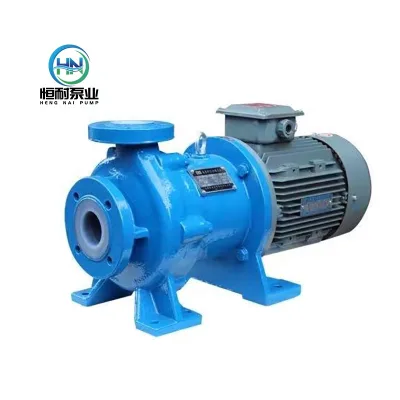
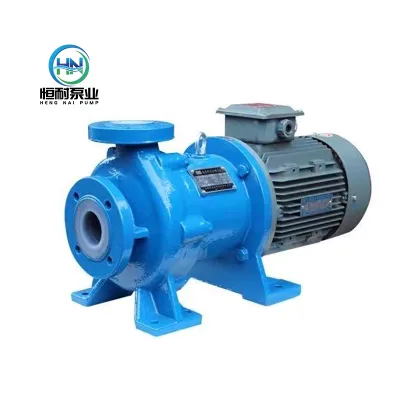
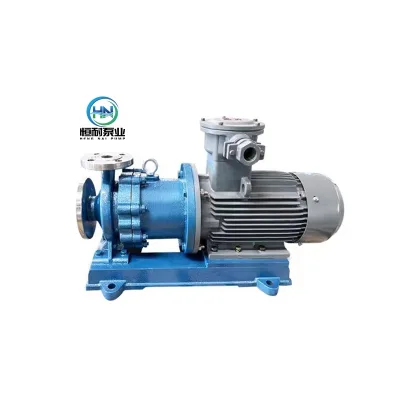
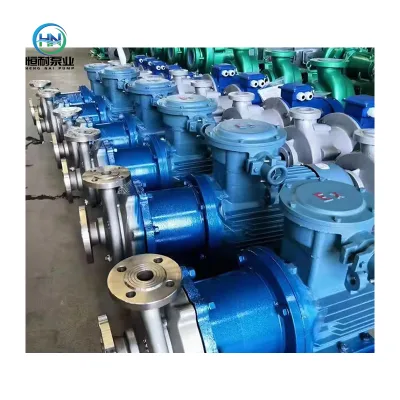
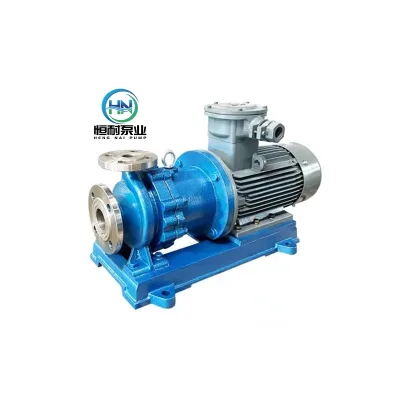
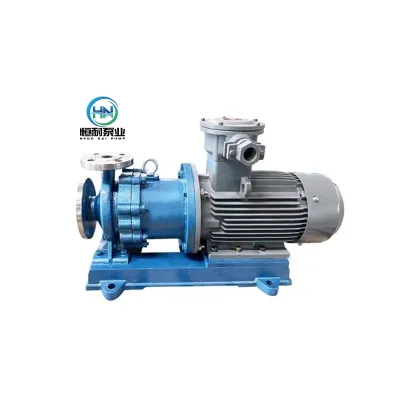


Stainless Steel Corrosive Liquid Centrifugal Acid Chemical Magnetic Drive Pump
$210.00 - $1300.00
MOQ: 1 Pieces


High-Performance GMP Stainless Steel Magnetic Pump for Liquid Transfer
$500.00 - $1000.00
MOQ: 1 Pieces
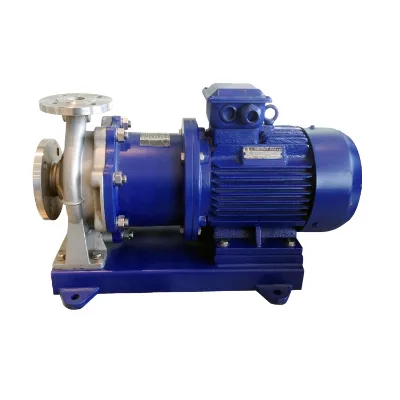

Versatile Stainless Steel Magnetic Pump for Various Liquid Applications
$500.00 - $8000.00
MOQ: 1 Pieces

Efficient Stainless Steel Magnetic Centrifugal Pump for Toxic Liquid Transport
$500.00 - $8000.00
MOQ: 1 Pieces

Stainless Steel Magnetic Centrifugal Pump for Safe Chemical Liquid Transfer
$500.00 - $8000.00
MOQ: 1 Pieces

Durable Stainless Steel Magnetic Drive Pump for Chemical Liquid Handling
$500.00 - $8000.00
MOQ: 1 Pieces

High Efficiency Stainless Steel Magnetic Chemical Pump for Liquid Movement
$500.00 - $8000.00
MOQ: 1 Pieces

Innovative Stainless Steel Magnetic Drive Pump for Various Liquid Types
$500.00 - $8000.00
MOQ: 1 Pieces
Comprehensive Sourcing Guide
Strategic Sourcing Guide for Seal-Less Corrosive Liquid Magnetic Pumps
Understanding the Core Technology and Operational Mechanics
The acquisition of seal-less corrosive liquid magnetic pumps requires a fundamental understanding of the driving mechanism that distinguishes them from traditional mechanical seal pumps. In the context of industrial fluid handling, the primary innovation lies in the Magnetic driving type. This configuration eliminates the physical shaft seal, which is the most common point of failure in standard centrifugal pumps when handling hazardous or corrosive fluids. By utilizing a magnetic coupling, the pump transfers torque from the motor to the impeller through a containment shell, ensuring a completely leak-free operation. This design is particularly critical for applications involving Electroplating, PCB, and Wastewater Treatment, where the integrity of the fluid containment is paramount for safety and environmental compliance.
The internal architecture of these units often features a Single Suction Pump design with a Single-Stage Pump impeller configuration. The impeller itself may be observed in both Closed and Open variants depending on the specific fluid viscosity and particulate content. While closed impellers generally offer higher efficiency for clean liquids, open impellers are frequently selected for slurries or fluids containing suspended solids. The pump casing is typically designed as a Horizontal Split Pump, which facilitates easier maintenance and inspection without the need to disconnect piping. The shaft orientation is consistently Horizontal, and the mounting height is engineered to accommodate Suction Centrifugal requirements, ensuring optimal priming capabilities.
A critical observation in the current market is the variation in material composition. Buyers must verify that the wetted parts are constructed from materials capable of withstanding specific chemical environments. Available materials include Stainless Steel, Cast Iron, Alloy Aluminium, and Fluororen Plastic. The choice of material directly correlates with the chemical compatibility of the fluid being pumped. For instance, highly corrosive acids often necessitate fluoropolymer linings or all-plastic construction, while less aggressive fluids may be handled by stainless steel variants. The sealing mechanism is explicitly Sealless, confirming the absence of traditional dynamic seals that could degrade over time.
Technical Specifications and Performance Parameters
When evaluating potential units, buyers must scrutinize the specific performance metrics to ensure the pump matches the system's hydraulic requirements. The Max. Head for these pumps varies significantly across different models, with observed ranges spanning from 30-50m to 80-110m. This wide variance indicates that a single product line may not suffice for all applications; therefore, precise calculation of the system head is essential before selection. Similarly, the Max. Capacity is not uniform, with data points showing capacities ranging from 200-300 L/min to values exceeding 400 L/min. Selecting a pump with insufficient flow rate will result in system inefficiency, while an oversized unit may lead to cavitation and energy waste.
The operating pressure is another vital parameter. While some units are classified as Low Pressure Pump types, others are engineered for High Pressure applications. This distinction is crucial for determining the structural integrity required for the pump casing and the magnetic coupling assembly. The Working Pressure must align with the system's maximum operating pressure to prevent catastrophic failure. Furthermore, the Motor power for these units typically ranges from 0.55-22kw, with some heavy-duty models extending up to 110KW in terms of horsepower. The voltage supply is flexible, supporting 110V/220V/208V configurations, which allows for integration into various global electrical standards.
The physical dimensions and weight are also significant factors for logistics and installation. The Single gross weight can be as high as 30.000 kg, necessitating appropriate lifting equipment and structural support during installation. The Single package size is often substantial, with dimensions around 100X100X100 cm, which impacts shipping costs and warehouse storage requirements. The Flow capacity is generally expressed in large volumes, such as 0-100TON/H, highlighting the capability of these pumps to handle substantial throughput in industrial settings. Buyers should verify the Theory of operation, which is identified as a Rotary Pump mechanism in certain contexts, ensuring the fluid dynamics match the process requirements.
Compliance, Certification, and Regulatory Standards
Navigating the regulatory landscape is a non-negotiable aspect of sourcing industrial pumps. While specific certification statuses vary by manufacturer, the market frequently lists CE and ISO certifications as standard compliance markers. It is imperative for buyers to request current, valid certificates for the specific batch or model being purchased, rather than relying on general marketing claims. The Standard or Nonstandard designation is often listed as Standanrd, but buyers must confirm if the pump adheres to specific international standards such as ISO 2858 or ISO9001 quality management systems. These standards ensure that the manufacturing process meets rigorous quality control benchmarks.
The Customized nature of many of these pumps allows for adjustments to meet local regulatory requirements. The prod_standard is often listed as Customized, indicating that the manufacturer can tailor the unit to specific regional codes. However, this flexibility requires clear communication of all regulatory constraints during the initial inquiry. The Certification field often includes "CE, ISO etc.", suggesting a baseline of compliance, but the exact scope must be verified. For applications in the Automotive Industry, Biofuel Industry, and Food And Beverage Industry, additional certifications may be required to ensure the pump materials do not contaminate the product or violate food safety regulations.
Buyers should also verify the place of origin, which is predominantly China and specifically Suzhou, China(Mainland) or Anhui, China. While these regions have a robust manufacturing ecosystem, the origin does not guarantee quality on its own. The Customized support options, including OEM and ODM, allow for branding and design modifications, but the underlying engineering must still meet the safety and performance standards of the destination country. The warranty period is typically 2years, which serves as a baseline indicator of the manufacturer's confidence in their product durability, though this should be reviewed alongside the specific terms and conditions.
Cost Drivers and Procurement Economics
The pricing for seal-less magnetic pumps is influenced by a complex array of factors, with observed listed prices ranging from 160 to 8000 USD. This wide range reflects differences in material quality, motor power, head capacity, and customization levels. The Material composition is a primary cost driver; pumps constructed entirely from high-grade fluoropolymers or specialized alloys will command a higher price than those with cast iron casings and stainless steel internals. The Motor power also significantly impacts cost, with higher horsepower units requiring more expensive motors and larger magnetic couplings to handle the increased torque.
The MOQ (Minimum Order Quantity) is a critical economic factor. In this market, the MOQ is frequently 1 Set, making these pumps accessible for small-scale projects or pilot testing. This low barrier to entry is advantageous for buyers who need to validate performance before committing to larger orders. However, buyers should be aware that while the MOQ is low, the Selling Units are often listed as Single item, which may affect shipping economics for small orders. The prod_packing options, ranging from Carton and Pallet to Wooden Case Freighter Transport or Customized, also influence the final landed cost. Heavy-duty wooden cases provide superior protection for international freight but add to the shipping weight and cost.
Lead times and production schedules are not explicitly defined in the general data, but the Customized nature of the products suggests that lead times may vary based on the complexity of the order. Buyers should anticipate that custom configurations, such as specific voltage requirements or unique material linings, may extend the production timeline. The Feature of Long Life is a key selling point, implying that while the initial investment may be higher, the total cost of ownership over the pump's lifespan could be lower due to reduced maintenance and replacement frequency. The Usage categories, including Agriculture Irrigation and Industrial Utilities, also dictate the pricing tier, with industrial-grade pumps generally costing more than those intended for agricultural use.
Typical Applications and Industry Suitability
The versatility of seal-less magnetic pumps is evident in their diverse application portfolio. These units are specifically engineered for Chemical Pump duties, handling aggressive fluids that would rapidly degrade standard mechanical seals. The Application list includes Electroplating, PCB, and Wastewater Treatment, sectors where leak prevention is critical for environmental and safety reasons. In the Food And Beverage Industry, the seal-less design ensures that no lubricants or seal materials contaminate the product, maintaining hygiene standards. Similarly, for Drinking Water Treatment and Family Homes, the reliability and safety of the magnetic drive are essential.
Beyond chemical processing, these pumps are utilized in Commercial Buildings, HVAC OEM, and Industrial Boilers. In HVAC systems, they circulate water or glycol mixtures without the risk of leakage into the building's infrastructure. For District Energy and Developing World Water Solutions, the robustness and low maintenance requirements of magnetic pumps make them ideal for remote or critical infrastructure applications. The Usage also extends to Irrigation, where the pumps must handle large volumes of water efficiently. The Flow capacity of up to 100TON/H supports large-scale agricultural and industrial irrigation needs.
The Keywords associated with these pumps, such as diaphragm pump, suggest a broader category of fluid handling equipment, but the specific magnetic technology offers distinct advantages for corrosive liquids. The Theory of operation as a Rotary Pump ensures smooth flow with minimal pulsation, which is beneficial for sensitive processes. The Position of Pump Shaft being Horizontal allows for compact installation in various facility layouts. Buyers should match the specific Application requirements with the pump's Max. Head and Max. Capacity to ensure optimal performance. For example, a Slurry Pump application would require an Open Impeller and robust material construction, while a Condensate Pump might prioritize high efficiency and a Closed Impeller.
Supplier Evaluation and Quality Assurance Protocols
Selecting the right supplier involves more than just comparing prices; it requires a thorough evaluation of their technical capabilities and quality assurance processes. The brand name Hengnai is one example of a manufacturer in this space, but buyers should not limit their search to a single entity. Instead, focus on suppliers who demonstrate a clear understanding of the Customization requirements and can provide detailed technical documentation. The Customized support options, including OEM and ODM, indicate a supplier's ability to adapt products to specific client needs, which is a strong indicator of technical competence.
Quality control should be a central part of the supplier evaluation. Buyers must verify the Material specifications and request mill certificates for all wetted parts. The Sealing Material being Sealless is a design feature, but the quality of the containment shell and the magnetic coupling is equally important. Suppliers should be able to provide test results or performance data that validate the Long Life claims. The warranty of 2years is a standard offering, but the terms of the warranty, including what is covered and the process for claims, should be clearly understood.
The prod_packing method is also a reflection of the supplier's attention to detail. Wooden Case Freighter Transport suggests a commitment to protecting the product during long-distance shipping, which is crucial for heavy and sensitive equipment. Buyers should inspect the Single package size and Single gross weight to ensure the supplier has the logistics capability to handle the shipment. The place of origin in Suzhou or Anhui indicates a concentration of manufacturing expertise, but buyers should still conduct on-site audits or request third-party inspection reports to verify the manufacturing environment.
Long-Term Procurement and Lifecycle Management
Sourcing these pumps is not a one-time transaction but the beginning of a long-term relationship that impacts operational efficiency. The Customized nature of the products means that spare parts availability and technical support are critical for long-term success. Buyers should ensure that the supplier has a robust supply chain for replacement parts, such as impellers, bearings, and magnetic couplings. The Standard or Nonstandard designation should be considered in the context of future maintenance; standard parts are generally easier to source than custom components.
The Motor power and Voltage specifications should be reviewed to ensure compatibility with future facility upgrades. As energy efficiency becomes a greater priority, the Feature of Long Life should be weighed against the potential for retrofitting with more efficient motors. The Usage categories, such as Industrial Utilities and Commercial Buildings, suggest that these pumps will operate continuously, making reliability a top priority. Buyers should establish a preventive maintenance schedule that includes regular inspection of the magnetic coupling and the containment shell to detect any signs of wear or degradation.
Finally, the Application scope of the pump should be reviewed periodically to ensure it continues to meet the evolving needs of the facility. As processes change, the Flow and Head requirements may shift, necessitating a re-evaluation of the pump's suitability. The Customized support offered by suppliers can be leveraged to adapt the pump to new requirements, extending its useful life. By focusing on these long-term considerations, buyers can maximize the return on investment and ensure the reliable operation of their fluid handling systems for years to come.
FAQs
What driving type is used in these seal-less pumps?
These pumps utilize a magnetic driving type to eliminate shaft seals. This design transfers torque through a containment shell, ensuring leak-free operation for hazardous fluids in electroplating and wastewater treatment applications.
Which certifications are available for these magnetic pumps?
Available certifications include CE and ISO standards for quality management. Buyers should verify specific batch certificates as the product page lists these as standard compliance markers for international trade.
Can I customize the pump specifications for my project?
Customization is available for specifications, packaging, and branding through OEM and ODM support. Manufacturers can adjust materials like stainless steel or fluoropolymer to match specific chemical compatibility needs.
What is the maximum head capacity for these units?
The maximum head capacity ranges from 30-50 meters up to 80-110 meters depending on the model. Precise system head calculations are required before selection to ensure the pump matches hydraulic requirements.
How much is the minimum order quantity for these pumps?
The minimum order quantity is 1 set, allowing for small-scale projects or pilot testing. This low barrier to entry facilitates validation of performance before committing to larger industrial orders.
What materials are used for the pump casing and impeller?
Materials include stainless steel, cast iron, alloy aluminium, and fluoropolymer plastic for wetted parts. The choice depends on the corrosiveness of the fluid being pumped in applications like chemical processing.
Where are these pumps manufactured and what is the origin?
Products originate from China, specifically Suzhou and Anhui regions. These locations host a robust manufacturing ecosystem capable of producing both standard and customized industrial pump units.