Source Seamless Breathable Nylon Windbreaker for Outdoor, Tactical, and Daily Use
Find 30 Seamless Breathable Nylon Windbreaker options tailored for outdoor adventures, tactical operations, and daily wear. Compare specifications like waterproof features, size ranges, and customization services to identify the best fit for your procurement needs.
Key considerations
Products List
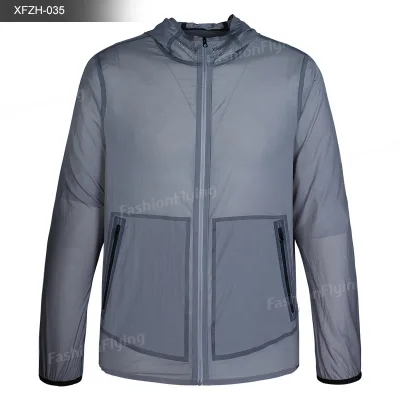
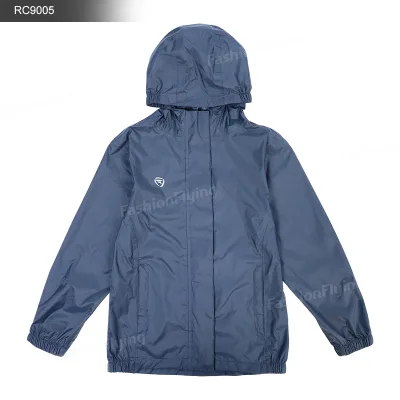


Functional Nylon Windbreaker for Kids with Comfortable Polyester Lining
$5.50 - $6.00
MOQ: 1000 pieces


Trendy Outdoor Delivery Windbreaker with Adjustable Waist and Pockets
$13.50 - $14.00
MOQ: 1000 pieces

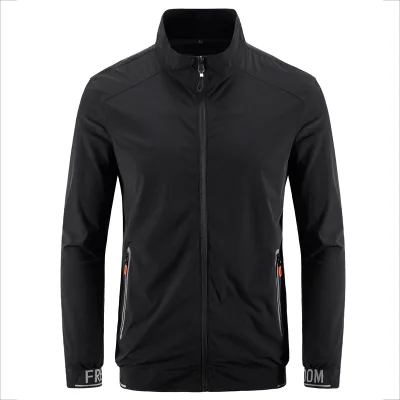
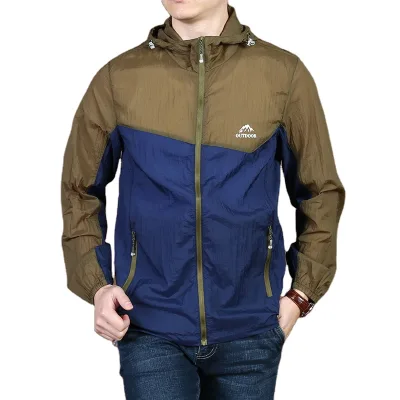
Men's Casual Windbreaker for Fashionable Spring and Autumn Adventures
$13.50 - $14.00
MOQ: 1000 pieces


Comprehensive Sourcing Guide
Seamless Breathable Nylon Windbreaker Sourcing Guide
Sourcing a Seamless Breathable Nylon Windbreaker requires a nuanced understanding of both material science and manufacturing capabilities. While the core keyword emphasizes nylon, current market observations indicate a significant presence of polyester-based alternatives that offer similar functional benefits. Buyers must carefully distinguish between the desired material composition and what is actually available, as many listings labeled as windbreakers utilize 100% polyester shells with waterproof and breathable technologies. This distinction is critical for procurement teams aiming to meet specific performance criteria, as nylon and polyester behave differently regarding moisture management, durability, and cost structure. The absence of seamless nylon options in the immediate observed data suggests that buyers may need to broaden their search parameters or consider polyester blends that mimic the desired tactile and functional properties of nylon.
The procurement landscape for these garments is characterized by a high degree of customization and OEM service availability. Suppliers frequently offer model numbers such as RC9005 and WJ014, indicating a standardized yet customizable production framework. This environment allows buyers to tailor specifications such as color, size, and branding without necessarily requiring minimum order quantities that are prohibitive for smaller batches. However, the prevalence of "as pic" color attributes and customizable options means that visual confirmation and sample verification are non-negotiable steps in the sourcing process. Buyers should approach this category with the expectation that final product appearance and feel will vary based on the specific supplier’s material stock and dyeing capabilities, necessitating rigorous sample approval before bulk production.
Product Scope and Observed Listing Signals
The observed product scope reveals a diverse range of windbreaker styles, from tactical-style outerwear to leisure jackets, catering to various end-use scenarios. Listings indicate that these garments are designed for all seasons or specifically for spring and autumn, suggesting versatility in thermal regulation. The presence of features such as windproof, waterproof, and quick-dry capabilities highlights the functional focus of these products. Buyers should note that while the keyword specifies nylon, the observed data predominantly features polyester shells with waterproof material technology. This discrepancy requires buyers to verify the actual fiber content during the sampling phase, as the performance characteristics of waterproofing can vary significantly between nylon and polyester bases.
Size and fit specifications observed in the market range from children’s sizes (4-5 years) to adult sizes (up to 2XL or 4XL), with some listings offering age-specific groupings like 10-24 months or 14-15 years. This broad size range indicates that suppliers are equipped to handle orders for both youth and adult demographics, often using a regular fit standard. The collarless design observed in some models suggests a modern, streamlined aesthetic, while others may feature traditional collars. Buyers must pay close attention to the "Regular" clothing length and "Medium" length specifications, as these terms can be ambiguous across different regional sizing standards. Clarifying the exact chest, waist, and sleeve measurements in the product specification sheet is essential to avoid fit-related returns or dissatisfaction.
Technical Specifications to Verify
Verifying the technical specifications of a windbreaker involves a detailed examination of the shell material, lining, and construction techniques. Although the keyword specifies nylon, the observed data shows 100% polyester shells with polyester linings, which are common in cost-effective, high-volume production. Buyers must confirm whether the supplier can source nylon or if they are strictly offering polyester alternatives. The presence of "Seamless Fusing: Yes" in some listings indicates advanced construction methods that can enhance durability and reduce weight, but this technology is not universal across all suppliers. It is crucial to determine if the seamless fusing applies to the entire garment or only specific panels, as this impacts both the aesthetic and the functional integrity of the windbreaker.
Closure types and decorative elements are other critical technical aspects that require verification. The observed data includes zipper closures and various printing methods such as silk screen printing and 3D prints. Buyers should assess the quality of the zipper hardware and the durability of the printing, especially for tactical or outdoor use cases where abrasion resistance is key. Additionally, the "Thin" thickness specification suggests that these garments are designed for layering or mild weather conditions rather than extreme cold. Buyers must evaluate whether the thin profile aligns with their intended use case, as thicker, insulated options may be necessary for colder climates. The "Woven" technics indicate a standard fabric construction, but buyers should inquire about the denier count and weave density to ensure adequate wind and water resistance.
Compliance and Safety Documentation
Compliance and safety documentation are paramount when sourcing apparel, particularly for children’s wear or outdoor tactical gear. While the observed data does not explicitly list specific certifications, buyers must request proof of compliance with relevant safety standards for the target market. For children’s products, this includes testing for flammability, chemical safety (such as REACH or CPSIA compliance), and physical safety regarding small parts or choking hazards. For adult tactical or outdoor wear, compliance with environmental standards and chemical restrictions (such as restricted azo dyes) is essential. Buyers should verify that the supplier has the capability to provide third-party test reports for the specific materials used, including the polyester shell and lining.
The "Eco-Friendly" feature mentioned in some listings requires substantiation through credible certifications or material traceability. Buyers should ask for details on what constitutes "eco-friendly" in the supplier’s context, whether it refers to recycled polyester, low-impact dyeing processes, or other sustainable practices. Without clear documentation, such claims may be marketing fluff rather than verified environmental benefits. Additionally, buyers should ensure that the supplier adheres to labor standards and ethical manufacturing practices, especially if the products are destined for markets with strict supply chain transparency requirements. Requesting audit reports or certifications such as SMETA or BSCI can provide assurance regarding the social compliance of the manufacturing facility.
Cost Drivers and Commercial Terms
Cost drivers for seamless breathable windbreakers include material selection, customization complexity, and order volume. The observed price range of $4 to $57.1 USD reflects significant variation based on these factors. Lower prices may correspond to basic polyester models with minimal customization, while higher prices likely reflect advanced features such as seamless fusing, specialized waterproof coatings, or complex 3D printing. Buyers should analyze the cost breakdown to understand where value is being added, ensuring that they are not overpaying for features that do not align with their product requirements. The MOQ range of 1 to 1000 pieces offers flexibility, but buyers should be aware that lower MOQs may come with higher per-unit costs due to setup and production inefficiencies.
Commercial terms such as lead times and payment conditions are critical for supply chain planning. The observed data indicates a 7-day sample order lead time, which is relatively fast and beneficial for rapid prototyping. However, bulk production lead times are not explicitly stated and must be negotiated based on order size and complexity. Buyers should clarify the production schedule, including any potential delays due to material sourcing or customization requirements. Payment terms should be structured to mitigate risk, with options such as partial upfront payment and balance upon shipment or inspection. Understanding the packaging details, such as "100 Pieces One Carton," is also important for logistics planning and inventory management.
Supplier Qualification and Quality Control
Supplier qualification involves assessing the manufacturer’s capability to deliver consistent quality and meet specific technical requirements. Buyers should verify the supplier’s experience in producing windbreakers, particularly those with seamless fusing or waterproof technologies. Requesting references or case studies from previous clients can provide insight into the supplier’s reliability and performance. The "OEM Service" attribute indicates that the supplier is open to custom branding and design, but buyers should evaluate their design support capabilities and responsiveness to feedback. A qualified supplier should have a robust quality control system in place, including in-line inspections and final random inspections before shipment.
Quality control measures should be clearly defined in the purchase agreement, including acceptable quality limits (AQL) for defects such as stitching errors, zipper malfunctions, or printing flaws. Buyers should conduct pre-shipment inspections to ensure that the products meet the agreed-upon specifications and quality standards. The "Small Orders: Accepted" attribute suggests that the supplier is flexible, but buyers should ensure that quality does not compromise for smaller batches. Establishing a clear communication channel for addressing quality issues and defining remedies for non-conforming products is essential for maintaining a successful supplier relationship. Regular performance reviews and feedback loops can help drive continuous improvement and ensure long-term partnership success.
Long-Term Procurement Checks
Long-term procurement checks focus on sustainability, scalability, and adaptability to market changes. Buyers should monitor the supplier’s ability to scale production up or down based on demand fluctuations, ensuring that they can meet peak season requirements without compromising quality or lead times. The "Customization: Available" feature suggests that the supplier can adapt to changing design trends, but buyers should assess their agility in implementing new designs or materials. Regularly reviewing the supplier’s compliance status and ethical practices is also crucial, as regulatory environments and consumer expectations evolve over time.
Building a resilient supply chain involves diversifying suppliers and maintaining strong relationships with key partners. Buyers should consider developing a secondary source for critical components or materials to mitigate supply chain risks. Continuous improvement initiatives, such as joint product development or cost-reduction projects, can enhance the partnership and drive mutual value. By staying informed about industry trends and technological advancements, buyers can proactively adapt their sourcing strategies to maintain competitiveness and meet customer expectations. Regular audits and performance evaluations will help ensure that the supplier remains aligned with the buyer’s long-term goals and standards.
FAQs
What materials are used for the shell and lining?
The shell and lining are both made of 100% polyester. This material choice ensures the jacket remains lightweight while providing necessary durability for outdoor activities and all-season wear.
Can I order a sample within a week?
Yes, a sample order lead time of 7 days is supported for this product. This allows buyers to verify quality and specifications before committing to larger bulk orders for their business needs.
Which sizes are available for children?
Available sizes range from 4-5 years up to 14-15 years. The product also lists standard sizing options including S, M, L, XL, and 2 XL to accommodate various age groups and fits.
How is the jacket customized for branding?
Customization is available through silk screen printing and 3D print decoration methods. Buyers can request specific designs or logos to be applied to the solid color jackets for their brand identity.
What features does the jacket offer for outdoor use?
The jacket features breathable, waterproof, windproof, and quick-dry properties. These attributes make it suitable for tactical style windbreaker applications and general outdoor functions in various weather conditions.
Is OEM service provided for this product?
Yes, OEM service is supplied for this motorcycle jacket item. Buyers can work with manufacturers to create custom products while maintaining the core specifications like the waterproof material technology and woven techniques.