Source Seamless Breathable Outdoor Durag for cycling, travel, and sports
Compare 30 listings of Seamless Breathable Outdoor Durag featuring polyester fabrics, heat-transfer printing, and adjustable head circumferences. Buyers can evaluate options for cycling, travel, and sports applications with MOQs ranging from 1 to 7100 pieces.
Key considerations
Products List
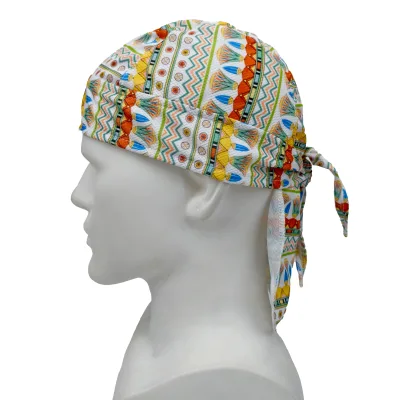
Durags Full Customization for Men Sports Mesh Material Wicking Bandit Durag
$1.64 - $3.03
MOQ: 50 pieces
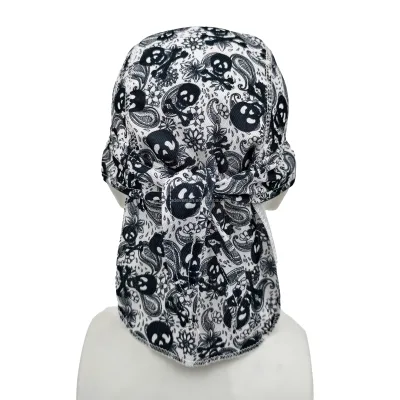
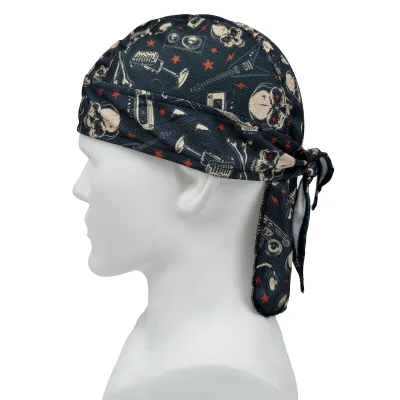
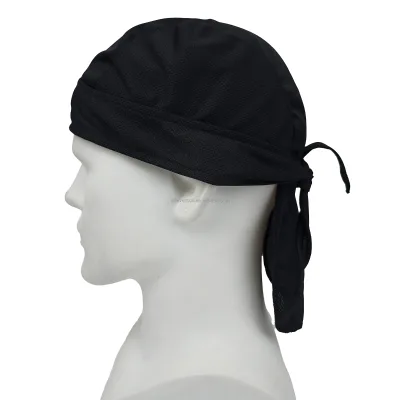
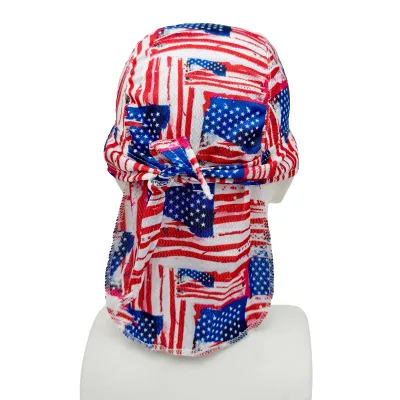
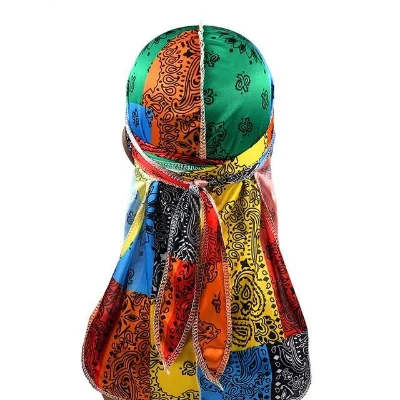
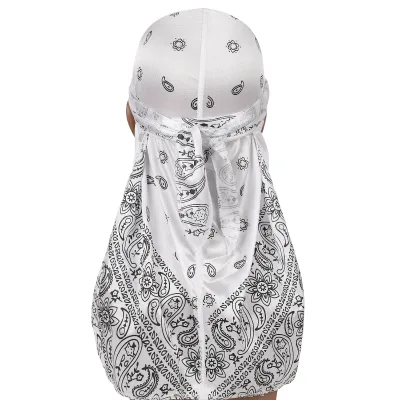
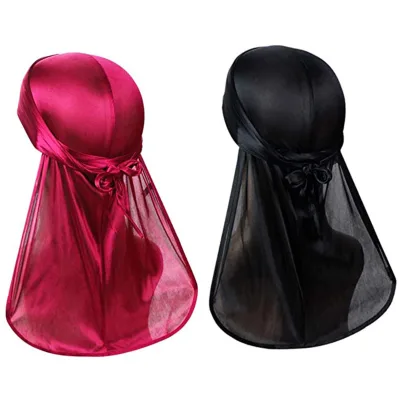
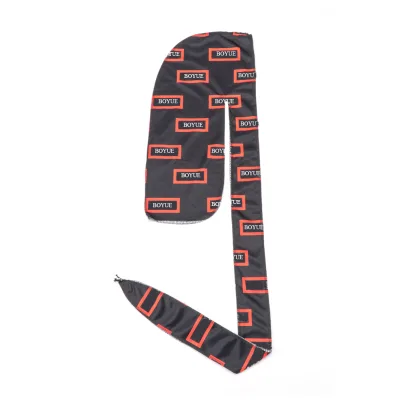
Shopping Using Cool Split Color Durag Custom Designer Printing Balabciage Durag
$0.49 - $2.93
MOQ: 50 Minimum
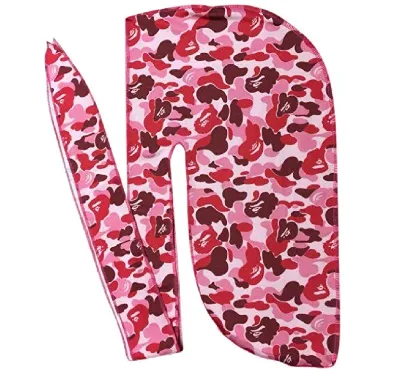
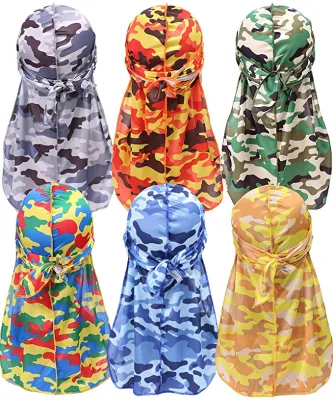
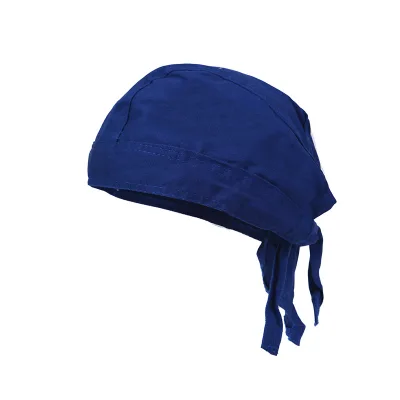
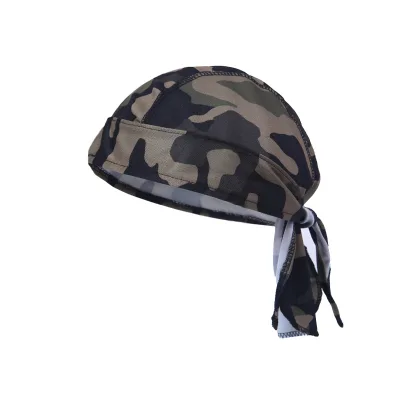
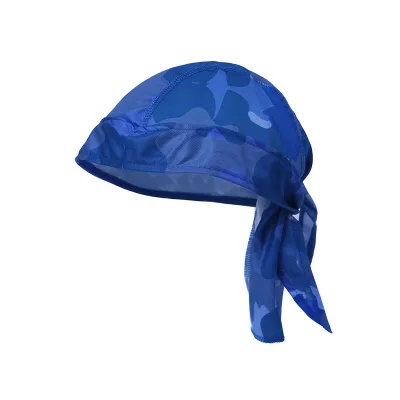
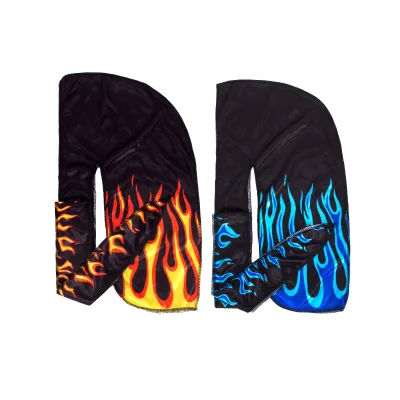

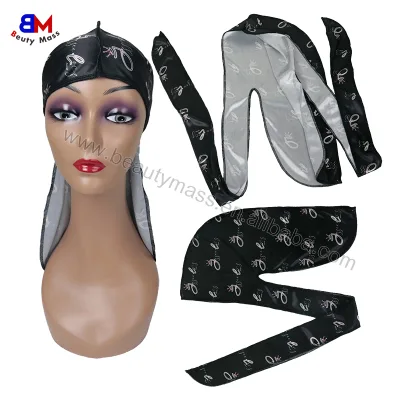
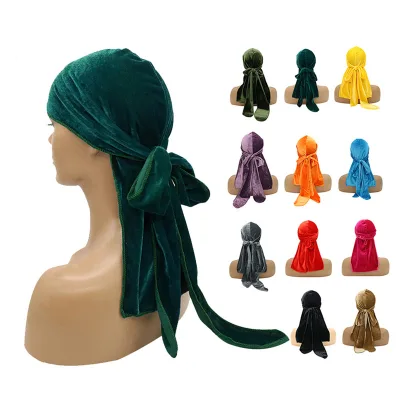

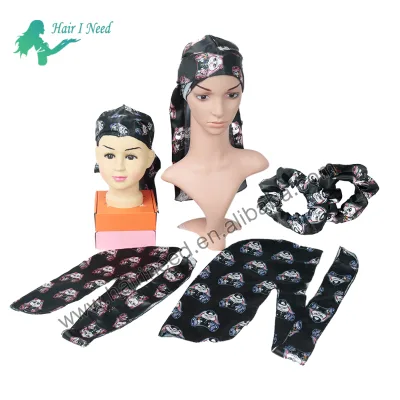


Lightweight Quick-Dry Rash Guard, Breathable Windproof Full Coverage Concealed Zipper Hiking Travel
$15.60 - $16.80
MOQ: 200 Pieces

Comprehensive Sourcing Guide
Strategic Sourcing Guide for Seamless Breathable Outdoor Durags
Understanding Product Specifications and Material Composition
When sourcing seamless breathable outdoor durags, the primary objective is to identify products that balance structural integrity with high-performance fabric properties. Based on current market observations, the material composition is a critical differentiator. The supply chain predominantly features products constructed from 100% Polyester or Polyester Spandex blends. These materials are selected specifically for their ability to provide breathability, a non-negotiable attribute for outdoor applications. The fabric often exhibits a GSM (Grams per Square Meter) of approximately 50g, indicating a lightweight construction suitable for active use without adding unnecessary bulk.
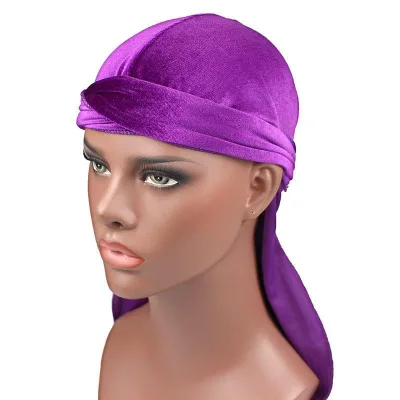
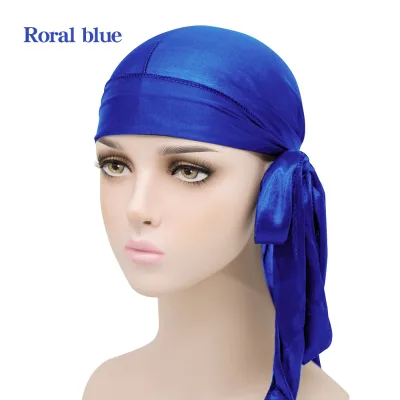
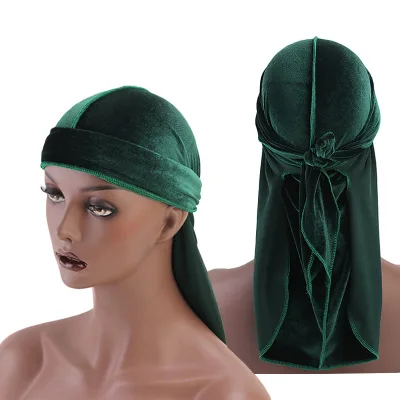
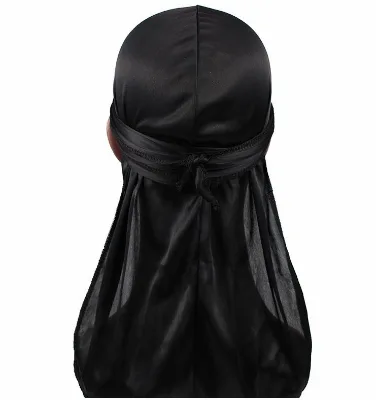
The manufacturing technique plays a significant role in the final product's performance. Heat-transfer printing and sublimation transfer print methods are the standard technologies observed in this category. These processes allow for the application of complex patterns, such as striped or checked designs, and multicolor options including black, white, purple, navy blue, maroon, red, pink, orange, blue, and colorful variations. The "seamless" aspect of the product description often correlates with the use of elasticated fabrics like polyester spandex, which allows the durag to conform to the head without rigid stitching points that could cause irritation during movement.
Size and fit are equally critical. The head circumference is typically adjustable, accommodating a wide range of users. The product is generally categorized for adults, with specific department names sometimes listed as "Adult" or "Muslim," reflecting cultural and functional usage patterns. The physical dimensions of the single package vary, with observations ranging from 10x10x3 cm to 35x25x1.5 cm, suggesting different packaging densities or product variations. The single gross weight is consistently low, observed at 0.06 kg, which is advantageous for logistics and shipping costs.
Technical Compliance and Certification Verification
In the B2B procurement of textile goods, particularly those intended for outdoor and sports use, verifying compliance is essential for risk mitigation. While specific certification statuses for every listed product cannot be universally asserted without direct supplier confirmation, buyers must establish a rigorous verification protocol. One standard frequently referenced in the context of protective clothing is ISO 11611:2015, which pertains to protective clothing for use in welding and allied processes. Although a durag is not primary welding gear, the presence of this standard in background data suggests that some manufacturers may align their quality control with high-integrity textile standards.
Buyers should explicitly request documentation regarding needle detection. The market data shows a divergence in this attribute; some products list "Needle detection: Yes" while others list "Needle detection: No." This discrepancy highlights a critical quality control checkpoint. For products intended for general public use or high-volume retail, needle detection is a mandatory safety feature to prevent metal contamination. Procurement teams must verify that the supplier's production line includes metal detection equipment and can provide batch-specific test reports confirming the absence of metal fragments.
Furthermore, the "Needle detection" attribute serves as a proxy for the supplier's overall quality management system. A supplier that omits this feature may lack the infrastructure for rigorous safety screening. Buyers should not assume compliance based on the product name alone. Instead, they must request a Quality Assurance (QA) certificate that details the specific testing procedures employed, including tensile strength, colorfastness, and shrinkage resistance. If the product is marketed for specific religious or cultural use, such as the "Muslim" department classification, additional cultural compliance checks may be necessary, though these are often based on design rather than technical certification.
Cost Drivers and Pricing Dynamics
The pricing structure for seamless breathable outdoor durags is influenced by several variable factors, primarily material costs, order volume, and customization requirements. The observed listed price range in the current market spans from $0.13 to $33.00 USD. This wide variance indicates that the "base" product and the "premium" customized product occupy different market tiers. The lower end of the spectrum likely corresponds to standard, non-customized items with minimal packaging, while the higher end reflects products with complex digital printing, custom logos, and specialized packaging.
Minimum Order Quantity (MOQ) is a significant driver of unit cost. The observed MOQ range is extensive, stretching from 1 piece to 7,100 pieces. Suppliers offering an MOQ of 1 piece often cater to sampling or small-batch testing needs, typically commanding a higher per-unit price to cover setup costs. Conversely, suppliers with an MOQ of 50 pieces or higher generally offer more competitive pricing structures suitable for bulk procurement. The specific MOQ of 50 pieces appears to be a common threshold for standard production runs, balancing supplier efficiency with buyer flexibility.
Customization is another major cost component. The availability of "Customized Logo Printing" and "OEM/ODM Services" allows buyers to brand the product, but these services incur additional setup fees and potentially higher material costs. The choice of printing method also impacts cost; digital printing offers high detail and color accuracy but may be more expensive per unit than standard sublimation transfer prints for large runs. Buyers must evaluate the total cost of ownership, including the cost of the sample, the unit price at the desired volume, and the logistics of shipping from the place of origin, which is identified as Jiangsu, China.
Typical Applications and Usage Scenarios
The versatility of the Seamless Breathable Outdoor Durag is evident in its diverse range of applications. The product is designed for a "Four Seasons" or "Spring Summer Autumn Winter" usage cycle, making it a year-round accessory. The primary application areas include outdoor sports, cycling, climbing, fishing, and skiing. The fabric's breathable feature is specifically engineered to manage moisture and heat during high-intensity activities, ensuring comfort for the wearer.
Beyond sports, the product finds utility in casual and daily life scenarios. The applicable scenes listed include travel, shopping, parties, business services, and home use. This broad applicability suggests that the durag is not merely a niche athletic accessory but a multifunctional headwear item. The "European and American Style" designation indicates that the design aesthetic is tailored to Western fashion trends, which may influence color palettes and pattern choices.
For specific demographic groups, the product serves as a practical solution for daily wear. The "Muslim" department classification points to its use as a head covering that adheres to modesty requirements while providing the functional benefits of a breathable, sweat-wicking fabric. The "Unisex" gender classification further expands the potential market, allowing for a single SKU to serve a broad customer base. The "Multifunction" feature implies that the product can be worn in various ways, such as a headband, a hair wrap, or a full durag, depending on the user's preference.
Supplier Evaluation and Sourcing Strategy
Selecting the right supplier requires a meticulous evaluation of their capabilities, location, and production standards. The place of origin for the majority of these products is Jiangsu, China, a region known for its robust textile manufacturing infrastructure. Buyers should verify the supplier's ability to handle the specific technical requirements of the order, such as heat-transfer printing and sublimation transfer.
A critical aspect of supplier evaluation is the assessment of their sample lead time. The observed sample time is 5 days, which is a reasonable benchmark for custom textile products. Buyers should use this metric to gauge the supplier's responsiveness and production capacity. A supplier that can deliver a high-quality sample within this timeframe is likely to have streamlined processes for bulk production.
The packaging method is another indicator of supplier professionalism. The standard packaging observed is the PP Bag or Opp Bag, with a quantity of 1 piece per bag. This simple packaging is cost-effective but may need to be upgraded for retail-ready products. Buyers should discuss packaging requirements early in the negotiation process to ensure that the final product meets their branding and protection needs.
Additionally, the supplier's willingness to accept OEM/ODM services is a key differentiator. Suppliers that offer these services demonstrate flexibility and a commitment to meeting specific buyer requirements. Buyers should inquire about the supplier's experience with similar projects and request references or case studies to validate their claims. The ability to produce custom logos and patterns is essential for brands looking to differentiate their products in a competitive market.
Quality Control and Long-Term Procurement Considerations
Ensuring consistent quality is paramount for long-term procurement success. The "Needle detection" attribute serves as a primary quality control checkpoint. Buyers must insist on a supplier that implements rigorous metal detection protocols to ensure product safety. The absence of this feature in some listings suggests that buyers must actively verify this capability rather than assuming it.
Fabric quality is another critical factor. The use of 100% Polyester or Polyester Spandex must be verified through material testing. Buyers should request fabric swatches and test reports to confirm the GSM, breathability, and colorfastness of the material. The "Breathable" fabric feature should be validated through independent testing to ensure it meets the performance claims made by the supplier.
Long-term procurement considerations include the stability of the supply chain and the scalability of production. The wide range of MOQs, from 1 to 7,100 pieces, offers flexibility for buyers at different stages of growth. However, buyers should plan for volume increases and ensure that the supplier can scale production without compromising quality or lead times. The single package size and gross weight data provided can help buyers calculate shipping costs and optimize logistics for future orders.
Finally, buyers should establish a clear communication channel with the supplier to address any issues that may arise during production. Regular quality audits and performance reviews can help maintain high standards and foster a strong partnership. By focusing on these key areas, buyers can secure a reliable supply of seamless breathable outdoor durags that meet their specific requirements and market demands.
FAQs
What material is used for seamless breathable outdoor durags?
These durags are primarily constructed from 100% Polyester or Polyester Spandex blends. This fabric choice ensures high breathability and a lightweight feel suitable for active outdoor sports and daily wear across all seasons.
Can I get custom logo printing on these products?
Yes, customized logo printing is available through OEM and ODM services. Suppliers typically use heat-transfer or sublimation transfer printing methods to apply your design onto the polyester fabric for a durable finish.
What is the minimum order quantity for bulk purchases?
The minimum order quantity varies significantly, ranging from 1 piece for samples to 7100 pieces for large bulk orders. A common threshold for standard production runs is often set at 50 pieces to balance efficiency and cost.
How long does it take to receive a product sample?
The standard sample time is approximately 5 days from the request date. This timeline allows for the creation of custom designs using digital or sublimation printing before the sample is shipped to you.
Which printing methods are standard for these headwear items?
The standard printing methods observed are heat-transfer printing and sublimation transfer print. These techniques support complex patterns like stripes or checks and allow for multicolor designs on the breathable fabric.
Is needle detection performed on all production batches?
Needle detection is not performed on all batches as some listings explicitly state it is not done. Buyers must verify with the specific supplier if their production line includes metal detection to ensure product safety.
Where are these seamless durags typically manufactured?
The majority of these products originate from Jiangsu, China, a region with a robust textile manufacturing infrastructure. This location is a key factor when calculating shipping costs and lead times for international buyers.