Source Self Priming Hydraulic Cleansing Pump for Industrial, Agriculture, Sewage
Compare 30 Self Priming Hydraulic Cleansing Pump options from verified suppliers. These units feature gas-hybrid and centrifugal theories with capacities over 400 L/Min, suitable for industrial, agriculture, and sewage applications; compare the available evidence and request quotations based on your requirements.
Key considerations
Products List


Stainless Steel Sanitary Centrifugal Pump with Self-Priming Function
$999.00 - $13889.00
MOQ: 1 Pieces


$200.00 - $2000.00
MOQ: 1 Pieces
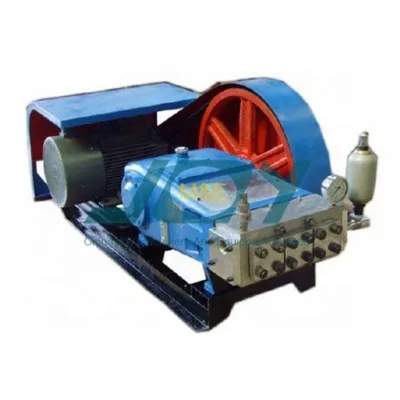


Stainless Steel Self Priming Centrifugal Pump Hydraulic Pump ISO9001 CE Cheap Price
$20.00 - $60.00
MOQ: 100 Pieces

Heavy Duty Stainless Steel Self Priming Pump Suction Pump with CE/ISO for Clean Water
$20.00 - $60.00
MOQ: 100 Pieces

Comprehensive Sourcing Guide
Self Priming Hydraulic Cleansing Pump Sourcing Guide
Procurement teams must first distinguish between the specific hydraulic configurations observed in the market, as the data indicates a mix of gas-hydraulic hybrid types and standard centrifugal mechanisms. Buyers should verify whether the unit relies on a direct connection transmission or a fitted motor, as this distinction fundamentally alters the installation footprint and maintenance requirements for industrial sewage applications.
The observed product range includes models designed for high-pressure river sand dredging as well as lower-pressure circulating pumps, requiring a precise match between the pump theory and the intended fluid dynamics. Sourcing strategies must account for the variance in impeller designs, ranging from closed to semi-open configurations, which directly impacts the pump's ability to handle solids in agricultural or industrial wastewater scenarios without clogging.
Product Scope and Observed Listing Signals
Buyers analyzing market listings will encounter a wide price spectrum, ranging from entry-level units to high-value industrial dredgers, necessitating a clear definition of the required capacity before engaging suppliers. The observed data suggests capacities exceeding 400 liters per minute for specific heavy-duty models, while other listings focus on standard circulation duties, so procurement teams must align their volume requirements with the specific model numbers like ZW01 or YP150 to avoid specification mismatches.
Listing signals also reveal significant variation in packaging standards, from simple wooden boxes to standard export plywood cases, which influences the total landed cost and risk of transit damage. Procurement teams should scrutinize the stated origin, primarily Zhejiang, China, and verify if the listed standard dimensions of 20050050 apply to the specific unit, as these physical constraints often dictate the necessary shipping container configuration and on-site storage logistics.
Technical Specifications to Verify
Technical verification must begin with the pump shaft position, as the observed horizontal configuration dictates the foundation requirements and alignment procedures for the installation site. Buyers should confirm the mounting height and suction type, specifically looking for single-suction designs that align with the self-priming capability required for efficient fluid intake in variable elevation environments.
The power source is another critical variable, with listings indicating both diesel engine and motor-driven options, requiring a clear decision based on site power availability and fuel logistics. Additionally, the working pressure classification, ranging from low to high pressure, must be matched against the system head requirements, ensuring the selected unit can sustain the observed maximum head range of 110 to 150 meters without premature mechanical failure.
Compliance and Safety Documentation
Safety documentation review should prioritize the presence of CE and ISO certifications, which are explicitly noted in the product data as standard compliance markers for the observed units. Buyers must request specific test reports that validate these certifications for the exact model number being purchased, as the presence of a general certification does not guarantee that every specific configuration meets the required safety thresholds for the intended application.
For equipment involving physical treatment of animal raw materials or river sand, additional compliance regarding material processing standards is essential to ensure regulatory adherence in the destination market. Procurement teams should verify that the listed certifications, such as ISOCE or specific CE marks, cover the specific operational modes of the pump, particularly when the unit is configured for high-pressure or multi-screw applications that may introduce unique safety hazards.
Cost Drivers and Commercial Terms
Cost analysis must account for the nonstandard nature of many listed models, which often results in higher unit prices compared to off-the-shelf standard pumps due to custom manufacturing requirements. Buyers should evaluate the impact of the driving type, whether motor or diesel, on the total cost of ownership, as the initial purchase price is only one component of the long-term expenditure when factoring in fuel consumption or electricity rates.
Commercial terms should explicitly address the minimum order quantity, which ranges from single units to batches of 100, influencing the unit economics and inventory strategy. Procurement teams must also clarify the lead time implications of the wooden case or plywood box packaging, as custom packing solutions for nonstandard dimensions can extend the production schedule and affect the overall delivery timeline to the project site.
Supplier Qualification and Quality Control
Supplier qualification should focus on verifying the brand reputation of manufacturers like Yonjou and confirming their ability to deliver the specific model numbers observed in the market, such as the EJ series or Yp models. Buyers must ensure that the supplier has a proven track record in producing new condition units that meet the specified standards, as the market data indicates a mix of standard and nonstandard production runs that require different quality assurance protocols.
Quality control procedures must include a rigorous inspection of the impeller type and casing structure, specifically checking for the outer slide or horizontal split pump designs that are critical for maintenance access and operational reliability. Procurement teams should mandate pre-shipment inspections that verify the automation features and screw configurations, ensuring that the physical treatment capabilities and multi-screw designs function as intended before the goods leave the manufacturing facility.
Long-Term Procurement Checks
Long-term procurement strategies must include a review of the customization availability, as the observed data confirms that many units can be tailored to specific industrial or agricultural needs. Buyers should establish a framework for ongoing communication with the supplier to ensure that any future modifications to the pump theory or structure remain compatible with the existing system infrastructure and operational requirements.
Sustainability checks should also monitor the condition of the equipment over time, ensuring that the new condition status at delivery translates to a long service life with minimal downtime. Procurement teams must verify the availability of spare parts for the specific model numbers and standards, such as the DJ-KLX or CIP pump standards, to maintain operational continuity and prevent costly interruptions in critical sewage or dredging operations.
FAQs
What is the maximum head capacity of this Self Priming Hydraulic Cleansing Pump?
The maximum head capacity for this pump model ranges from 110 meters to 150 meters. This specification is suitable for industrial and agricultural applications requiring significant vertical lift. Buyers should verify that their specific site requirements fall within this range to ensure optimal performance and efficiency during operation.
Which transmission method does the Self Priming Hydraulic Cleansing Pump use?
This pump utilizes direct connection transmission for its operation. This design connects the motor directly to the pump shaft, which typically results in higher efficiency and reduced mechanical complexity. It is a standard configuration for many industrial pumps, ensuring reliable power transfer for continuous duty cycles in various environments.
What certifications are available for the Self Priming Hydraulic Cleansing Pump?
The pump is certified with CE and ISO standards. These certifications indicate compliance with international safety and quality management requirements. Buyers in regulated markets should verify that the specific batch or model they are purchasing includes the current valid certificates to ensure legal compliance and operational safety.
Can the Self Priming Hydraulic Cleansing Pump be customized for specific needs?
Yes, customization is available for this pump. Buyers can request modifications to meet specific operational requirements or integration needs. It is advisable to discuss technical specifications and desired changes with the supplier early in the procurement process to ensure the final product meets your exact application criteria.
What is the typical packaging for the Self Priming Hydraulic Cleansing Pump?
The pump is typically packed in a wooden box or standard export plywood case. This packaging method provides robust protection during international shipping and handling. Buyers should confirm the specific packaging type with the supplier to ensure it meets their logistics requirements and import regulations.
What is the theoretical type of the Self Priming Hydraulic Cleansing Pump?
The pump operates on a gas-hydraulic hybrid theory. This design combines hydraulic and pneumatic principles to achieve self-priming capabilities. It is particularly useful in applications where traditional centrifugal pumps might struggle to prime, offering a versatile solution for handling various fluid types in industrial settings.
What is the impeller type used in the Self Priming Hydraulic Cleansing Pump?
The pump features a closed impeller design. Closed impellers are generally more efficient and provide better performance for clean fluids. They are less prone to clogging compared to open types, making them suitable for applications where the fluid does not contain large solid particles or debris.